textile composite plastic foils
CN → US| HS Code | Tariff Rate | Origin | Destination | Doc |
|---|---|---|---|---|
| 5903902000 | 35.0% | CN | US | Official Doc |
| 5903102090 | 35.0% | CN | US | Official Doc |
| 3921901500 | 41.5% | CN | US | Official Doc |
| 3920991000 | 41.0% | CN | US | Official Doc |
| 3920992000 | 39.2% | CN | US | Official Doc |
Product Images
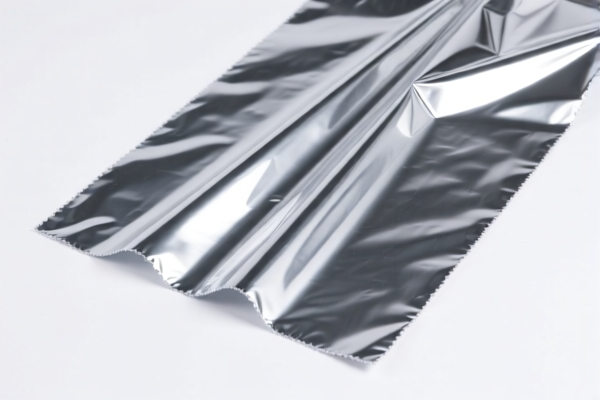
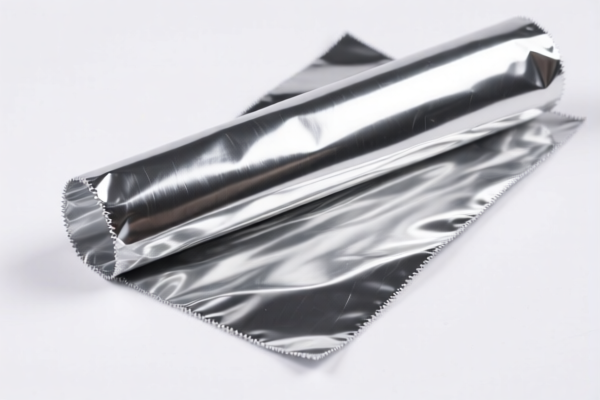
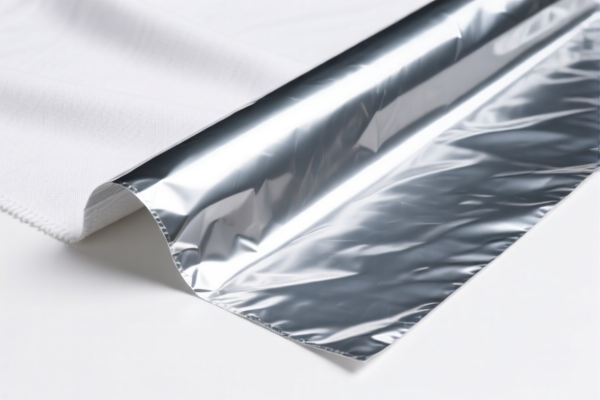
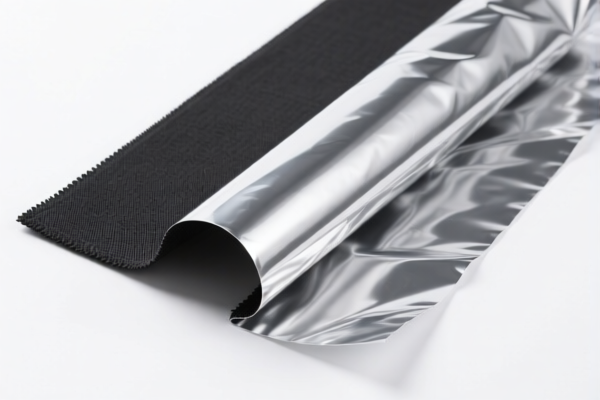
AI Analysis
🧵 Textile Composite Plastic Foils (Lightweight)
🌐 HS Code Reference & Customs Clearance Guide | 2024/2025 Harmonized System Analysis | Professional Clearance Strategy
📌 I. Product Definition & Classification: What Exactly Are "Textile Composite Plastic Foils"?
Lightweight textile composite plastic foils are specialized materials that combine the structural integrity of textile fabrics with the protective, waterproof, or insulating properties of plastics. In international trade, these materials are classified based on their primary function and composition structure. They are generally used in:
Technical Textiles & Industrial Fabrics: Used for tents, tarps, conveyor belts, and protective covers. Packaging & Laminates: Used as barrier layers in packaging or architectural membranes.
⚠️ Key Classification Distinction:
- If the plastic coating is the essential character and it acts as a board/plate/membrane combined with textile → Chapter 39 (Plastics).
- If the textile fabric is the essential character and the plastic is merely for impregnation/coating/covering → Chapter 59 (Impregnated Coated Laminated Textile Fabrics).
📦 II. HS Code Classification Details (Based on Provided Data)
| HS Code | Product Description | Key Characteristics | Applicable Scenario |
|---|---|---|---|
5903.90.20.00 |
Textile Composite Plastic Foils, Lightweight | Matches textile fabrics; impregnated, coated, covered, or laminated with plastics. Complies with rules of other headings. | General technical textiles, industrial covers where textile is the base. |
5903.10.20.90 |
Lightweight Textile Composite Plastic Foils | Form: Foil/Film. Material: Plastic (e.g., PVC). Complies with PVC coating attributes. | PVC-coated fabrics, heavy-duty tarps, inflatable structures. |
3921.90.15.00 |
Lightweight Textile Composite Plastic Foils | Form: Foil. Material: Plastic + Textile composite. Complies with plastic plates/sheets/films combined with textile materials. | Plastic-based films with textile reinforcement (e.g., PVC tarpaulins where plastic is dominant). |
3920.99.10.00 |
Lightweight Textile Composite Plastic Foils | Contains plastic material + foil form. Complies with plastic material definition and composite laminated/support structure. | Multi-layer plastic laminates with textile support. |
3920.99.20.00 |
Lightweight Textile Composite Plastic Foils | Material: Plastic. Form: Foil. Composite structure. Complies with laminated, supported, or similar composite material classification. | High-end architectural membranes or specialized composite plastic sheets. |
🔍 Critical Reminder:
- If the textile provides the structural strength and the plastic is just a coating → Use 5903.
- If the plastic provides the primary barrier/function and the textile is just a reinforcement layer → Use 3920/3921.
- Misclassification can lead to significant duty differences and customs delays.
💰 III. 2024/2025 Latest Tariff Rate Breakdown (Including Surtaxes & Policy Add-ons)
✅ Applicable Country: United States (US)
✅ Origin: China (CN)
✅ Effective Time: Current rates include Section 301 and 122 Act surcharges.
🎯 1. 5903.90.20.00 —— Textile Composite Plastic Foils (Textile-Dominant)
| Item | Content |
|---|---|
| Base Tariff | 0.0% |
| Section 301 Surtax | +25.0% (USITC Trade Remedy) |
| Section 122 Tariff | +10.0% (Specific US Legislation) |
| Total Tax Rate | 35.0% |
| Tax Calculation | CIF Value × 35% |
| De Minimis Exemption | ❌ Not Applicable (High duty rate exceeds threshold) |
| Legal Basis Path | HTSUS:5903.90.20.00 → Section 301: Footnote 9903.88.01 → Section 122: Specific Statute |
📌 Explanation:
- Although the base tariff is 0%, the Section 301 surcharge (25%) and Section 122 surcharge (10%) apply due to Chinese origin. - Total effective duty: 35%. This is a moderate-to-high duty rate.
🎯 2. 5903.10.20.90 —— PVC-Coated Textile Foils
| Item | Content |
|---|---|
| Base Tariff | 0.0% |
| Section 301 Surtax | +25.0% |
| Section 122 Tariff | +10.0% |
| Total Tax Rate | 35.0% |
| Tax Calculation | CIF Value × 35% |
| De Minimis Exemption | ❌ Not Applicable |
| Legal Basis Path | HTSUS:5903.10.20.90 → Section 301 → Section 122 |
📌 Note:
- PVC coatings are heavily regulated due to environmental concerns, but the duty structure mirrors the general textile-composite category. - Total effective duty: 35%.
🎯 3. 3921.90.15.00 —— Plastic Composite Foils (Plastic-Dominant)
| Item | Content |
|---|---|
| Base Tariff | 6.5% |
| Section 301 Surtax | +25.0% |
| Section 122 Tariff | +10.0% |
| Total Tax Rate | 41.5% |
| Tax Calculation | CIF Value × 41.5% |
| De Minimis Exemption | ❌ Not Applicable |
| Legal Basis Path | HTSUS:3921.90.15.00 → Section 301 → Section 122 |
📌 Warning:
- This classification incurs a base tariff of 6.5% in addition to surcharges. - Total effective duty: 41.5%. This is significantly higher than the 5903 category.
🎯 4. 3920.99.10.00 —— Laminated Plastic Foils
| Item | Content |
|---|---|
| Base Tariff | 6.0% |
| Section 301 Surtax | +25.0% |
| Section 122 Tariff | +10.0% |
| Total Tax Rate | 41.0% |
| Tax Calculation | CIF Value × 41.0% |
| De Minimis Exemption | ❌ Not Applicable |
| Legal Basis Path | HTSUS:3920.99.10.00 → Section 301 → Section 122 |
📌 Note:
- Similar to 3921, the base duty applies. - Total effective duty: 41.0%.
🎯 5. 3920.99.20.00 —— Composite Plastic Materials
| Item | Content |
|---|---|
| Base Tariff | 4.2% |
| Section 301 Surtax | +25.0% |
| Section 122 Tariff | +10.0% |
| Total Tax Rate | 39.2% |
| Tax Calculation | CIF Value × 39.2% |
| De Minimis Exemption | ❌ Not Applicable |
| Legal Basis Path | HTSUS:3920.99.20.00 → Section 301 → Section 122 |
📌 Note:
- This is the lowest total duty rate among the plastic-dominant categories. - Total effective duty: 39.2%.
🛠️ IV. Customs Clearance Practical Advice (Battle-Tested Pitfall Avoidance)
✅ 1. Preparation Checklist (Non-Negotiable)
| Document | Mandatory | Explanation |
|---|---|---|
| ✅ Product Specifications | ✔️ | Must detail: Base fabric type, plastic type (PVC/PE/PU), coating weight, lamination method. |
| ✅ Cross-Section Diagram | ✔️ | Crucial for CBP to determine if plastic or textile is the "essential character." |
| ✅ Material Safety Data Sheet (MSDS) | ✔️ | Required if plastic coating contains hazardous substances. |
| ✅ Commercial Invoice | ✔️ | Must clearly state "Textile Composite Plastic Foil" and describe the composition ratio. |
| ✅ Certificate of Origin (CO) | ✔️ | To prove Chinese origin for surtax calculation. |
| ✅ Packing List | ✔️ | Details rolls, weights, and dimensions. |
✅ 2. Classification Strategy (Key Mantra)
🔥 "Textile Base = 5903 (35%), Plastic Base = 3920/21 (39-41%)! Describe Composition Precisely!"
| Scenario | Correct HS Code | Incorrect Practice | Consequence |
|---|---|---|---|
| Fabric is the structural core; plastic is a coating | 5903.90.20.00 or 5903.10.20.90 |
Classifying as Plastic Foil (3920) |
Overpayment of ~4-6% duties. |
| Plastic film is the main barrier; fabric is reinforcement | 3921.90.15.00 or 3920.99.10.00 |
Classifying as Textile (5903) |
Underpayment → Penalties + Back Taxes! |
| General Composite Foil | 5903.90.20.00 (If uncertain) |
Vague description "Plastic Cloth" | Customs scrutiny, delays, potential reclassification. |
✅ 3. Special Situations
| Situation | Handling Advice |
|---|---|
| OEM Custom Colors/Prints | Provide design files and approval letters. CBP may classify based on the base material, not the print. |
| Fire-Retardant Treatment | Declare explicitly. May require additional testing reports for safety compliance. |
| Recycled Content | If plastic is >50% recycled, it doesn't change HS code but may affect ESG reporting requirements in the US. |
| Multiple Rolls in One Shipment | Ensure the invoice matches the packing list exactly. Discrepancies lead to exams. |
🌍 V. Global Market Comparison (2024/2025)
| Country/Region | Recommended HS Code | Effective Duty (China Origin) | Certification Requirements | Notes |
|---|---|---|---|---|
| 🇺🇸 USA | 5903.90.20.00 |
35.0% | None specific | High duty due to Section 301 & 122. |
| 🇨🇳 China | 5903.90.20.00 |
~6-12% (Imported to China) | CCC (if applicable) | Export from China faces these surcharges when entering US. |
| 🇪🇺 EU | 5903.90.20.00 |
4.5% - 6.5% | REACH, RoHS | No Section 301. Much lower duty than US. |
| 🇬🇧 UK | 5903.90.20.00 |
4.5% - 6.5% | UKCA | Post-Brexit rules mirror EU closely for textiles. |
📌 Conclusion:
- The US market is the most expensive for Chinese-origin textile-composite plastic foils due to the 35% total effective duty. - EU/UK markets offer significantly lower duties (~5-6%), but stricter environmental regulations (REACH/RoHS) apply.
📌 VI. Common Mistakes & Pitfalls (Blood & Tears Lessons)
❌ Mistake 1: Describing the product simply as "Plastic Sheet" when it contains significant textile.
👉 Consequence: CBP may classify it under Chapter 59 or 39 incorrectly, leading to underpayment and penalties.
❌ Mistake 2: Ignoring the Section 122 Tariff (10%).
👉 Consequence: Many importers only account for Section 301 (25%) and miss the additional 10%, leading to budget shortfalls.
❌ Mistake 3: Using vague terms like "Tarpaulin" without specifying material composition.
👉 Consequence: Customs examiners may request detailed documentation, causing weeks of delay.
❌ Mistake 4: Assuming all plastic coatings fall under 3920.
👉 Consequence: If the textile is the essential character, 5903 is correct. Misclassification can lead to audit risks.
✅ Correct Approach:
"Lightweight Textile Composite Plastic Foil, PVC-Coated Polyester Fabric, Roll Form, 250gsm, Waterproof"
🎯 VII. Conclusion: Precise Classification Saves Money!
🎯 Remember the Mantra:
🔹 "Textile Core = 5903 (35%), Plastic Core = 3920/21 (39-41%)!"
🔹 "Don't Ignore Section 122 (10%)! Total Duty = Base + 25% + 10%!"
🔹 "Describe Composition Clearly to Avoid Audit Triggers!"
📌 Pro Tip:
If you are importing large volumes, consider Advance Rulings from CBP to confirm the HS Code (5903 vs. 3920) before shipping. This can save you from unexpected duty assessments.
📣 Immediate Action:
📞 Consult a licensed customs broker + Provide detailed material composition + Apply for Pre-Import Analysis if volume is high.
🚀 Ensure smooth clearance, minimize duty costs, and protect your margins!
✨ Professional clearance starts with precise classification!
💼 Every percentage point of duty is a point of profit lost!
Customer Reviews
About HS Code Classification
The Harmonized System (HS) is an internationally standardized nomenclature developed by the World Customs Organization (WCO) to classify traded products. Over 200 countries use the HS system as the basis for customs tariffs, trade statistics, and import/export regulations.
Each HS code follows a hierarchical structure:
- Chapter (2 digits) — Broad category of goods (e.g., Chapter 84: Machinery and Mechanical Appliances)
- Heading (4 digits) — More specific grouping within the chapter
- Subheading (6 digits) — Internationally standardized breakdown, used by all WCO member countries
- National subdivisions (8-10 digits) — Country-specific extensions for further classification, such as US HTSUS 10-digit codes
Correct HS code classification is essential for smooth customs clearance, accurate duty payment, and compliance with trade regulations. Misclassification can lead to customs delays, overpayment of duties, or penalties.
When importing from CN to US, the applicable tariff rates may include:
- Most-Favored-Nation (MFN) rate — The standard duty rate applied to WTO members
- General rate — Applied to countries without trade agreements
- Trade remedy duties — Additional tariffs such as Section 301 (anti-dumping), Section 232 (national security), or countervailing duties
The information provided on this page is for reference purposes only. For official classification, please consult with your local customs authority or a licensed customs broker.