textile fancy dress sets
CN → US| HS Code | Tariff Rate | Origin | Destination | Doc |
|---|---|---|---|---|
| 6307909891 | 24.5% | CN | US | Official Doc |
| 6307102030 | 22.8% | CN | US | Official Doc |
| 6114909070 | 15.6% | CN | US | Official Doc |
| 6114909040 | 15.6% | CN | US | Official Doc |
Product Images
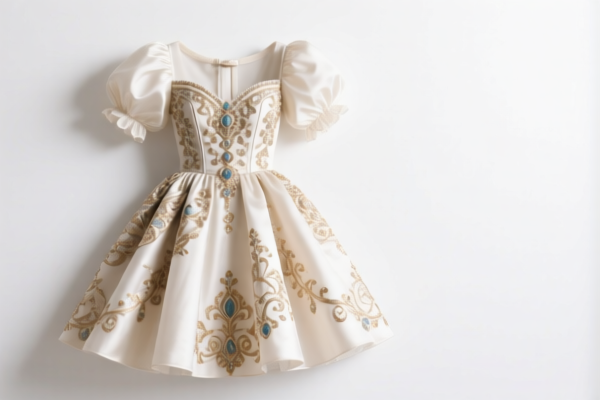
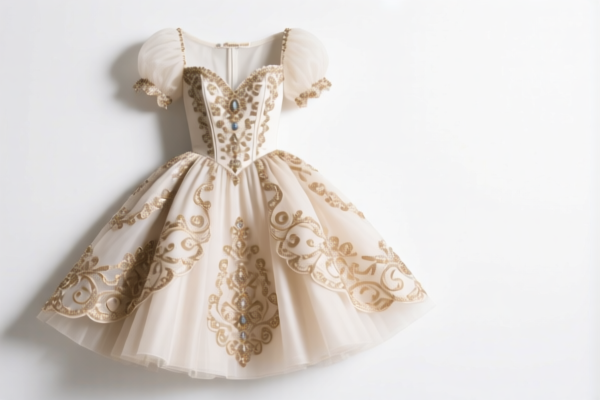
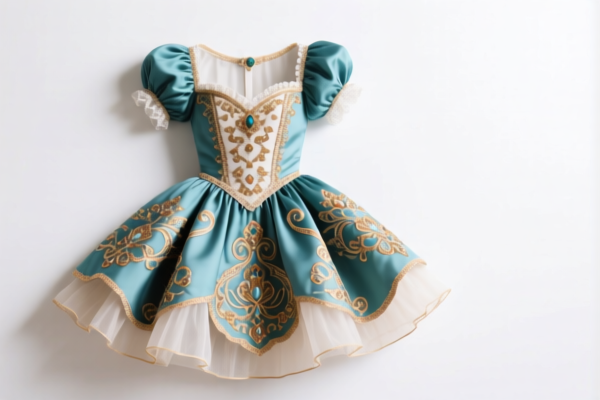

AI Analysis
👗 Textile Fancy Dress Sets: HS Code Classification & Tariff Breakdown
🌐 HS Code Reference & Customs Clearance Guide | 2026 Latest Tariff Analysis | Professional Clearance Strategy
📌 I. Product Definition & Classification: Do You Really Understand "Fancy Dress Sets"?
In international trade, "Fancy Dress Sets" are a specific subset of knitted or crocheted garments. They are not classified under general "costumes" or "other made-up articles" unless they lack specific garment characteristics. The key distinction lies in whether the item is a garment (knitted/crocheted) or a non-garment textile article.
⚠️ Critical Distinction:
- Knitted/Crocheted Garments: If the set consists of knitted or crocheted fabrics (e.g., a knitted costume top and pants) → Falls under Chapter 61 (Garments).
- Other Textile Articles: If the set is made of woven fabric, non-knitted materials, or is purely decorative/functional without being a "garment" → Falls under Chapter 63 (Other Made-up Articles).
- Dress Patterns: Specifically included in Chapter 63 descriptions.
📦 II. HS Code Classification Details (2026 Latest Tariff Reference)
Based on the provided dataset, the classification depends strictly on the material and form of the fancy dress set.
| HS Code | Product Description | Applicable Scenario | Material Type | Knitted/Crocheted? |
|---|---|---|---|---|
6114.90.90.70 |
Other garments, knitted or crocheted; Of other textile materials; Other; Other | Knitted costume sets made of synthetic fibers, wool blends, or other specific textile materials | Knitted/Crocheted | ✅ Yes |
6114.90.90.40 |
Other garments, knitted or crocheted; Of other textile materials; Other; Coveralls, jumpsuits and similar apparel | Knitted fancy dress sets that resemble coveralls, jumpsuits, or one-piece costumes | Knitted/Crocheted | ✅ Yes |
6307.90.98.91 |
Other made-up articles, including dress patterns; Other; Other; Other | Non-knitted fancy dress sets, accessories, or dress patterns made of other textile materials | Woven/Non-knitted | ❌ No |
6307.10.20.30 |
Other made-up articles, including dress patterns; Floorcloths, dishcloths, dusters and similar cleaning cloths; Other | Rarely applicable unless the "fancy dress" item is misclassified as a cleaning cloth (e.g., decorative dust cloths) | Woven/Non-knitted | ❌ No |
🔍 Key Note:
- Chapter 61 applies if the item is knitted or crocheted and functions as a garment.
- Chapter 63 applies if the item is not knitted/crocheted (e.g., woven costumes, dress patterns, or accessory sets).
- Do not mix: A knitted jacket with woven pants requires splitting the declaration if customs requires item-by-item classification.
💰 III. 2026 Latest Tariff Rate Details (Including Additional Taxes)
✅ Applicable Country: United States (US)
✅ Origin: China (CN) (Assumed based on typical high-tax scenario; verify if different)
✅ Effective Date: Current tariffs apply as per 2026 tariff schedule
🎯 1. 6114.90.90.70 — Other Garments, Knitted/Crocheted, Other Textile Materials
| Item | Content |
|---|---|
| Base Tariff | 0.0% |
| Additional Tariff | 0.0% |
| Total Tax Rate | 0.0% |
| Tax Calculation | CIF Value × 0.0% = $0 |
| De Minimis Eligibility | ✅ Yes (Under $800, may be exempt) |
| Legal Basis | General Harmonized Tariff Schedule (HTSUS) 6114.90.90.70 |
📌 Explanation:
- This category benefits from zero base and additional tariffs for many textile garments, depending on the specific "other textile material" definition.
- Advantage: Low clearance cost, no extra surcharges.
🎯 2. 6114.90.90.40 — Coveralls, Jumpsuits, and Similar Apparel (Knitted/Crocheted)
| Item | Content |
|---|---|
| Base Tariff | 0.0% |
| Additional Tariff | 0.0% |
| Total Tax Rate | 0.0% |
| Tax Calculation | CIF Value × 0.0% = $0 |
| De Minimis Eligibility | ✅ Yes |
| Legal Basis | General Harmonized Tariff Schedule (HTSUS) 6114.90.90.40 |
📌 Note:
- Similar to6114.90.90.70, this code has 0% total tax.
- Ideal for one-piece fancy dress costumes (e.g., superhero suits, animal onesies) if knitted/crocheted.
🎯 3. 6307.90.98.91 — Other Made-Up Articles (Including Dress Patterns)
| Item | Content |
|---|---|
| Base Tariff | 7.0% |
| Additional Tariff | 7.5% |
| Total Tax Rate | 14.5% |
| Tax Calculation | CIF Value × 14.5% |
| De Minimis Eligibility | ❌ Check Local Policy (Usually subject to de minimis if < $800, but high tariff may affect value) |
| Legal Basis | HTSUS 6307.90.98.91 |
📌 Explanation:
- Applies to non-knitted fancy dress sets, dress patterns, or accessory kits.
- High Tariff Warning: 14.5% is significantly higher than Chapter 61 codes.
- Risk: Misclassifying a woven costume as knitted can lead to underpayment penalties.
🎯 4. 6307.10.20.30 — Floorcloths, Dishcloths, Dusters, and Similar Cleaning Cloths
| Item | Content |
|---|---|
| Base Tariff | 0.0% |
| Additional Tariff | 0.0% |
| Total Tax Rate | 0.0% |
| Tax Calculation | CIF Value × 0.0% = $0 |
| De Minimis Eligibility | ✅ Yes |
| Legal Basis | HTSUS 6307.10.20.30 |
📌 Caution:
- This code is for cleaning cloths.
- Do NOT misdeclare fancy dress items as cleaning cloths to avoid 0% tax. Customs will inspect and reclassify, leading to 14.5% back taxes + fines.
🛠️ IV. Customs Clearance Practical Advice (Real-World Pitfall Guide)
✅ 1. Essential Documentation Checklist
| Document | Required? | Notes |
|---|---|---|
| ✅ Product Photos | ✔️ | Must show the item as a "garment" or "made-up article" |
| ✅ Material Composition | ✔️ | Specify: "100% Polyester Knitted" vs. "100% Cotton Woven" |
| ✅ Function Description | ✔️ | "Fancy Dress Costume" or "Dress Pattern" — be precise |
| ✅ Commercial Invoice | ✔️ | Correct HS Code must be stated |
| ✅ Packing List | ✔️ | Separate knitted vs. woven items if mixed |
✅ 2. Declaration Tips (Key Formulas)
🔥 “Knit = Ch.61 (0%), Woven = Ch.63 (14.5%), Don’t Mix!”
| Scenario | Correct HS Code | Incorrect Code | Consequence |
|---|---|---|---|
| Knitted Costume Set | 6114.90.90.70 or 6114.90.90.40 |
6307.90.98.91 |
Overpayment (14.5% vs 0%) |
| Woven Costume Set | 6307.90.98.91 |
6114.90.90.70 |
Underpayment → Penalties + Back Taxes |
| Dress Patterns | 6307.90.98.91 |
6114.90.90.70 |
Misclassification → Delay/Rejection |
| Cleaning Cloths (Misdeclared) | 6307.10.20.30 |
— | Fraud Risk if item is not a cloth |
✅ 3. Special Cases
| Situation | Handling Advice |
|---|---|
| Mixed Material Sets (e.g., Knitted Top + Woven Pants) | Declare separately: 6114.90.90.70 + 6307.90.98.91 |
| Dress Patterns (Flat) | Always 6307.90.98.91 — they are not garments |
| Accessories (Masks, Hats) | Check if they are "parts of garments" or "other articles"; often 6307.90.98.91 |
| Children’s Costumes | Still follow material rule: Knitted = Ch.61, Woven = Ch.63 |
🌍 V. Global Market Clearance Comparison (2026 Latest)
| Country/Region | Recommended HS Code | Tariff | Notes |
|---|---|---|---|
| 🇺🇸 USA | 6114.90.90.70 (Knitted) |
0% | Most favorable for knitted garments |
| 🇺🇸 USA | 6307.90.98.91 (Woven) |
14.5% | High tariff for non-knitted articles |
| 🇪🇺 EU | Varies by material | ~4-12% | Varies; check specific EU HTS |
| 🇨🇳 China | Varies | ~5-10% | Lower tariffs; different classification rules |
| 🇬🇧 UK | Varies | ~4-12% | Post-Brexit rules apply |
📌 Conclusion:
- USA offers 0% tariff for knitted/crocheted fancy dress garments (Ch.61).
- Woven or non-garment items face 14.5% (Ch.63).
- Optimization Strategy: If possible, design costumes using knitted fabrics to benefit from 0% tariff.
📌 VI. Common Errors & Pitfall Guide (Lessons Learned)
❌ Error 1: Declaring a woven costume as knitted to get 0% tariff
👉 Result: Customs inspection reveals woven fabric → 14.5% back tax + 20-50% penalty
❌ Error 2: Using 6307.10.20.30 (Cleaning Cloths) for fancy dress items
👉 Result: Clearance Rejection + Fraud investigation risk
❌ Error 3: Mixing knitted and woven items under one HS Code
👉 Result: Confusion at Customs → Delayed clearance, potential seizure
❌ Error 4: Ignoring "Dress Patterns" classification
👉 Result: Flat patterns must be declared as 6307.90.98.91, not as garments
✅ Correct Practice:
“Knitted Polyester Fancy Dress Set, Size M, One Piece, For Costume Use, Model XYZ”
🎯 VII. Conclusion: Professional Declaration, Cost Optimization
🎯 Remember the Rule:
🔹 “Knit = 0%, Woven = 14.5%, Patterns = 14.5%, Cleaners = 0% (But Don’t Fake!)”
🔹 “Material is King: Check Weave vs. Knit Before Declaring!”
📌 Pro Tip:
If your fancy dress set is made in China and exported to the US, prioritize knitted/crocheted designs to enjoy 0% tariff. For woven items, budget for 14.5% tariff.
Consider pre-classification rulings if the item is ambiguous (e.g., hybrid fabrics).
📣 Immediate Action:
📞 Consult a customs broker + Provide material specs + Verify HS Code pre-shipment
🚀 Save 14.5% tariff by choosing knitted fabrics!
✨ Professional Clearance Starts with Accurate Classification!
💼 Every percentage point of tariff matters in global trade!
Customer Reviews
About HS Code Classification
The Harmonized System (HS) is an internationally standardized nomenclature developed by the World Customs Organization (WCO) to classify traded products. Over 200 countries use the HS system as the basis for customs tariffs, trade statistics, and import/export regulations.
Each HS code follows a hierarchical structure:
- Chapter (2 digits) — Broad category of goods (e.g., Chapter 84: Machinery and Mechanical Appliances)
- Heading (4 digits) — More specific grouping within the chapter
- Subheading (6 digits) — Internationally standardized breakdown, used by all WCO member countries
- National subdivisions (8-10 digits) — Country-specific extensions for further classification, such as US HTSUS 10-digit codes
Correct HS code classification is essential for smooth customs clearance, accurate duty payment, and compliance with trade regulations. Misclassification can lead to customs delays, overpayment of duties, or penalties.
When importing from CN to US, the applicable tariff rates may include:
- Most-Favored-Nation (MFN) rate — The standard duty rate applied to WTO members
- General rate — Applied to countries without trade agreements
- Trade remedy duties — Additional tariffs such as Section 301 (anti-dumping), Section 232 (national security), or countervailing duties
The information provided on this page is for reference purposes only. For official classification, please consult with your local customs authority or a licensed customs broker.