textile handbag
CN → US| HS Code | Tariff Rate | Origin | Destination | Doc |
|---|---|---|---|---|
| 4602192920 | 40.3% | CN | US | Official Doc |
| 4602112100 | 41.2% | CN | US | Official Doc |
| 4202224020 | 42.4% | CN | US | Official Doc |
| 4202228980 | 52.6% | CN | US | Official Doc |
| 4202329300 | 52.6% | CN | US | Official Doc |
Product Images
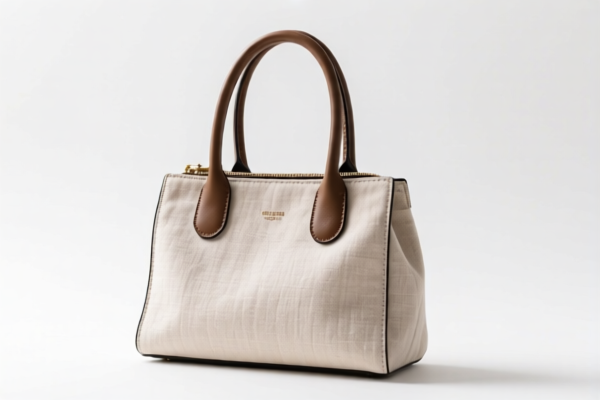
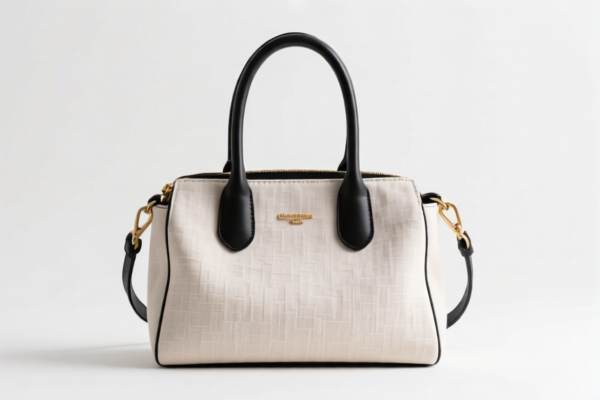
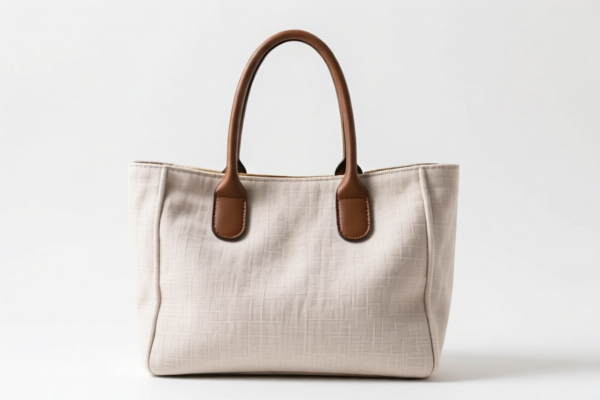
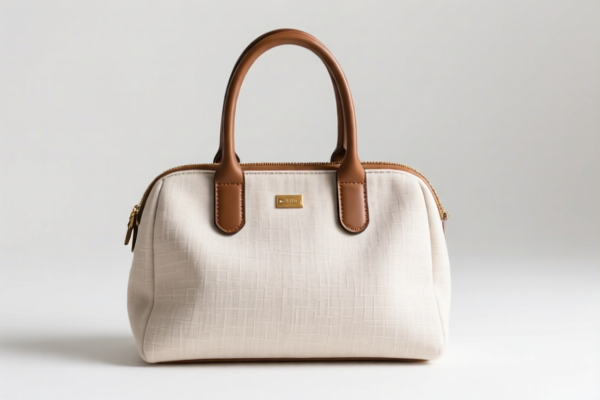
AI Analysis
👜 Textile Handbag (Woven & Fabric)
🌐 HS Code Reference & Customs Clearance Guide | 2026 Latest Tariff Analysis | Strategic Entry for Woven Goods
📌 I. Product Definition: What Exactly Is a "Textile Handbag"?
A Textile Handbag is a broad category in international trade, typically falling under Chapter 42 (Articles of Apparel and Accessories) or Chapter 46 (Manufactures of Plaiting Materials). The critical distinction lies in the material composition:
- Plaited/Woven Materials (Chapter 46): Made from vegetable materials (bamboo, rattan, straw, reed) that are plaited or woven into sheet-like structures.
- Textile Materials (Chapter 42): Made from woven fabrics (cotton, polyester, canvas, nylon) that are sewn or assembled into a bag structure.
⚠️ Key Distinction Point:
- If the material is "plaited vegetable fiber" (e.g., bamboo strips, reed mats) → It belongs to Chapter 46 (4602...).
- If the material is "woven fabric" (e.g., canvas, cloth, textile weave) → It belongs to Chapter 42 (4202...).
- Misclassification Risk: Declaring a bamboo bag as "textile" or a canvas bag as "woven plant material" leads to severe tariff discrepancies (up to 12% difference).
📦 II. HS Code Classification Matrix (2026 Latest Tariff对照)
Based on the provided data, here are the four specific classifications for woven/textile handbags:
| HS Code | Product Description | Material Type | Chapter |
|---|---|---|---|
4602.19.29.20 |
Woven Handbag, Material: Plant-based Woven Products | Vegetable fibers (non-bamboo/rattan specific) | Ch. 46 |
4602.11.21.00 |
Woven Handbag, Material: Bamboo, Rattan, etc. | Bamboo, Rattan, Willow | Ch. 46 |
4202.22.40.20 |
Woven Handbag, Material: Woven Material (General) | General Woven Material (Non-textile/Non-plant specific) | Ch. 42 |
4202.22.89.80 |
Woven Handbag, Material: Textile Materials | Cotton, Polyester, Canvas, Cloth | Ch. 42 |
4202.32.93.00 |
Pocket/Container, Material: Textile Materials | Small fabric pouches, coin purses, textile containers | Ch. 42 |
🔍 Critical Note:
- Chapter 46 (4602...) items are taxed on Plant/Vegetable Plaiting Materials.
- Chapter 42 (4202...) items are taxed on Textile/Fabric Materials.
-4202.22.89.80is the most common HS code for standard fabric handbags (canvas, nylon, polyester).
💰 III. 2026 Tariff Rate Breakdown (Detailed Tax Structure)
✅ Applicable Country: United States (US)
✅ Origin: China (CN)
✅ Effective Date: 2025/2026 (Post-Section 301 & IEEPA Enforcement)
🎯 1. 4602.19.29.20 – Plant-based Woven Handbag
| Item | Detail |
|---|---|
| Base Tariff | 5.3% |
| Section 301 Surcharge | +25.0% |
| Section 122 / IEEPA Surcharge | +10.0% |
| Total Tax Rate | 40.3% |
| De Minimis Exemption | ❌ Denied (deny_de_minimis) |
| Legal Basis | USITC 4602.19.29.20 → FOOTNOTE:301 + IEEPA:9903 |
📌 Explanation:
- Base duty is low (5.3%) for plant materials, but the 25% Section 301 tariff is mandatory for Chinese origin.
- The additional 10% applies under specific trade enforcement provisions (Section 122/IEEPA).
- Total 40.3% is a heavy burden, but slightly lower than textile bags.
🎯 2. 4602.11.21.00 – Bamboo/Rattan Handbag
| Item | Detail |
|---|---|
| Base Tariff | 6.2% |
| Section 301 Surcharge | +25.0% |
| Section 122 / IEEPA Surcharge | +10.0% |
| Total Tax Rate | 41.2% |
| De Minimis Exemption | ❌ Denied (deny_de_minimis) |
| Legal Basis | USITC 4602.11.21.00 → FOOTNOTE:301 + IEEPA:9903 |
📌 Note:
- Bamboo/Rattan is considered a "natural plant material."
- Slightly higher base duty (6.2%) than general plant materials (5.3%).
- Total 41.2% is the lowest among the four options for woven goods.
🎯 3. 4202.22.40.20 – General Woven Material Handbag
| Item | Detail |
|---|---|
| Base Tariff | 7.4% |
| Section 301 Surcharge | +25.0% |
| Section 122 / IEEPA Surcharge | +10.0% |
| Total Tax Rate | 42.4% |
| De Minimis Exemption | ❌ Denied (deny_de_minimis) |
| Legal Basis | USITC 4202.22.40.20 → FOOTNOTE:301 + IEEPA:9903 |
📌 Caution:
- This code is for "woven materials" that are not classified as plant plaiting (Ch. 46) or standard textiles (Ch. 42 specific textiles).
- Higher base duty (7.4%) leads to a higher total.
🎯 4. 4202.22.89.80 & 4202.32.93.00 – Textile/Fabric Handbags
| Item | Detail |
|---|---|
| Base Tariff | 17.6% |
| Section 301 Surcharge | +25.0% |
| Section 122 / IEEPA Surcharge | +10.0% |
| Total Tax Rate | 52.6% |
| De Minimis Exemption | ❌ Denied (deny_de_minimis) |
| Legal Basis | USITC 4202.22.89.80 / 4202.32.93.00 → FOOTNOTE:301 + IEEPA:9903 |
📌 Warning:
- Textile materials (canvas, cotton, polyester) have a high base duty (17.6%).
- With 25% + 10% surcharges, the total tariff hits 52.6%.
- This is the most expensive category. Do not use this code for bamboo/rattan bags.
🛠️ IV. Customs Clearance Strategy (Pitfall Avoidance)
✅ 1. Documentation Checklist (Mandatory)
| Document | Required? | Purpose |
|---|---|---|
| ✅ Product Specification Sheet | ✔️ | Must clearly state Material Composition (e.g., "100% Rattan," "60% Cotton Canvas"). |
| ✅ Material Sample/Photo | ✔️ | Show close-up of weave structure (Plant fiber vs. Thread). |
| ✅ Commercial Invoice | ✔️ | Description must match HS Code (e.g., "Bamboo Woven Bag" vs. "Fabric Tote"). |
| ✅ Packing List | ✔️ | Weight and dimensions. |
| ✅ Country of Origin Certificate | ✔️ | Essential for proving Chinese origin (triggers surcharges). |
✅ 2. Classification Strategy: Plant vs. Textile
🔥 Golden Rule:
"Plant Fiber = Ch. 46 (Lower Tax) | Thread/Fabric = Ch. 42 (Higher Tax)"
| Scenario | Correct HS Code | Total Tax | Risk of Misclassification |
|---|---|---|---|
| Bag made of Bamboo Strips | 4602.11.21.00 |
41.2% | Low if described as "Bamboo." |
| Bag made of Rattan/Willow | 4602.11.21.00 |
41.2% | Low if described as "Rattan." |
| Bag made of Straw/Reed | 4602.19.29.20 |
40.3% | Medium (Check if it fits "Other plant materials"). |
| Bag made of Canvas/Cotton | 4202.22.89.80 |
52.6% | High (Cannot be classified as Ch. 46). |
| Bag made of Polyester/Nylon | 4202.22.89.80 |
52.6% | High (Cannot be classified as Ch. 46). |
✅ 3. Special Clearance Tips
-
Material Declaration is Key:
- Do not just write "Handbag."
- Write: "Women's handbag, woven from natural bamboo strips, with leather handles."
- If you write "Woven Bag" for a bamboo product, customs may default to the higher textile rate or detain for classification review.
-
No De Minimis Exemption:
- All these HS Codes are
deny_de_minimis. - Even small packages (under $800) are subject to full tariff payment at the border.
- Do NOT use informal entry (Section 321) for these items.
- All these HS Codes are
-
Avoid "Mixed Material" Ambiguity:
- If a bag is 70% Bamboo + 30% Cotton Lining:
- Generally, the essential character (Bamboo weave) determines the classification as Ch. 46.
- Ensure the cotton lining is not structural.
- If a bag is 70% Bamboo + 30% Cotton Lining:
🌍 V. Global Market Comparison (2026)
| Market | Preferred HS Code | Base Tariff | US Surcharge | Total Effective Rate |
|---|---|---|---|---|
| 🇺🇸 USA | 4602.11.21.00 (Bamboo) |
6.2% | +35% (25%+10%) | 41.2% |
| 🇺🇸 USA | 4202.22.89.80 (Textile) |
17.6% | +35% (25%+10%) | 52.6% |
| 🇪🇺 EU | 4602.11.00.00 |
5.4% | 0% | 5.4% |
| 🇨🇳 China | 4602.11.00.00 |
8.0% | 0% | 8.0% |
| 🇬🇧 UK | 4602.11.00.00 |
5.4% | 0% | 5.4% |
📌 Insight:
- The US imposes a massive 35% penalty (25% Section 301 + 10% IEEPA/122) on top of base duties.
- Textile bags (Ch. 42) are significantly more expensive to import into the US than plant-woven bags (Ch. 46).
- Strategy: If possible, design handbags using natural plant materials (Bamboo, Rattan, Straw) instead of heavy textiles to save 11.3% in total tariff (52.6% vs 41.2%).
📌 VI. Common Errors & Pitfalls (Blood & Tears Lessons)
❌ Error 1: Calling a Bamboo Bag "Textile Handbag"
👉 Result: Customs may reclassify to 4202.22.89.80 → Pay 52.6% instead of 41.2%.
👉 Fix: Clearly state "Bamboo," "Rattan," or "Plant Fiber" in the description.
❌ Error 2: Claiming De Minimis for Small Orders
👉 Result: Package seized, tariff + penalties demanded.
👉 Fix: These HS Codes are explicitly excluded from Section 321. File formal entry.
❌ Error 3: Vague Description "Woven Bag"
👉 Result: Customs asks for classification ruling → Delays of 2-4 weeks.
👉 Fix: Use precise HS Code and detailed material breakdown.
❌ Error 4: Ignoring Section 122/IEEPA Surcharge
👉 Result: Underpayment by 10%.
👉 Fix: Always calculate Total Tax = Base + 25% + 10%.
🎯 VII. Conclusion: Smart Classification, Maximum Profit!
🎯 Key Takeaways:
🔹 Bamboo/Rattan Bags: Aim for
4602.11.21.00→ 41.2% Total Tax.
🔹 Straw/Other Plant Bags: Aim for4602.19.29.20→ 40.3% Total Tax.
🔹 Fabric/Canvas Bags: Forced to4202.22.89.80→ 52.6% Total Tax.
🔹 All are Denied De Minimis: No shortcuts for small parcels.💡 Pro Tip:
If you are importing 50+ units to the US, consider applying for a Tariff Engineering Strategy:
- Can the bag be made primarily of plant fibers instead of fabric?
- Can the handle be natural fiber instead of synthetic?
- A 11.3% tariff saving (from 52.6% to 41.2%) is significant for bulk orders.
📣 Immediate Action:
📞 Consult a Customs Broker to verify the "Essential Character" of your material.
📝 Update Product Descriptions on your invoice to explicitly state "Bamboo," "Rattan," or "Textile."
🚀 Plan for Full Duty Payment – Do not rely on De Minimis loopholes.
✨ Precision in Classification is the Key to Profitability in 2026!
💼 Don't let 11% tariff difference eat your margin!
Customer Reviews
About HS Code Classification
The Harmonized System (HS) is an internationally standardized nomenclature developed by the World Customs Organization (WCO) to classify traded products. Over 200 countries use the HS system as the basis for customs tariffs, trade statistics, and import/export regulations.
Each HS code follows a hierarchical structure:
- Chapter (2 digits) — Broad category of goods (e.g., Chapter 84: Machinery and Mechanical Appliances)
- Heading (4 digits) — More specific grouping within the chapter
- Subheading (6 digits) — Internationally standardized breakdown, used by all WCO member countries
- National subdivisions (8-10 digits) — Country-specific extensions for further classification, such as US HTSUS 10-digit codes
Correct HS code classification is essential for smooth customs clearance, accurate duty payment, and compliance with trade regulations. Misclassification can lead to customs delays, overpayment of duties, or penalties.
When importing from CN to US, the applicable tariff rates may include:
- Most-Favored-Nation (MFN) rate — The standard duty rate applied to WTO members
- General rate — Applied to countries without trade agreements
- Trade remedy duties — Additional tariffs such as Section 301 (anti-dumping), Section 232 (national security), or countervailing duties
The information provided on this page is for reference purposes only. For official classification, please consult with your local customs authority or a licensed customs broker.