thermometer
CN → US| HS Code | Tariff Rate | Origin | Destination | Doc |
|---|---|---|---|---|
| 9025114000 | 10.0% | CN | US | Official Doc |
| 9018194000 | 35.0% | CN | US | Official Doc |
| 9018199550 | 35.0% | CN | US | Official Doc |
| 9025112000 | 10.0% | CN | US | Official Doc |
| 7017200000 | 41.7% | CN | US | Official Doc |
Product Images


AI Analysis
🌡️ Thermometer (Thermometers and Pyrometers, Non-Contact; Medical/Scientific)
🌐 HS Code Reference & Customs Clearance Guide | 2026 Latest Tariff Breakdown | Strategic Classification Strategy
📌 I. Product Definition & Classification: Do You Really Understand "Thermometers"?
Thermometers are essential instruments for measuring temperature, widely used in medical diagnostics, industrial process control, scientific research, and daily household monitoring. In international trade, they are strictly categorized based on: 1. Usage Scenario: Medical vs. Industrial vs. General Scientific. 2. Operating Principle: Liquid-filled (Glass) vs. Electronic vs. Non-contact (Infrared). 3. Construction Material: Glass, Plastic, or Metal.
⚠️ Critical Distinction: - Medical Thermometers (e.g., clinical digital thermometers) often fall under 9018 (Medical Equipment) and face 35% total tax due to Section 301 and IEEPA penalties. - General Purpose/Industrial Thermometers (e.g., liquid-in-glass, process sensors) may fall under 9025, facing a lower 10% total tax. - Glass Thermometers (specifically liquid-filled glass) are treated differently under 7017, attracting the highest duty (41.7%) due to material-based penalties.
📦 II. HS Code Classification Details (2026 Latest Tariff Reference)
| HS Code | Product Description | Application Scenario | Tax Rate | Key Characteristics |
|---|---|---|---|---|
| 9025.11.40.00 | Thermometers & Pyrometers (General/Industrial) | Industrial process control, laboratory, non-medical | 10.0% | Defined as "Thermometers and Pyrometers"; may be liquid-filled. |
| 9018.19.40.00 | Medical Thermometers (Electrical/Physical) | Clinical temperature checks, physiological monitoring | 35.0% | "Medical/Scientific equipment for physical parameters"; electrical diagnostic. |
| 9018.19.95.50 | Clinical Thermometers (Electronic/Other) | Home/medical use, specific "other" diagnostic instruments | 35.0% | "Other instruments for physiological checks"; electric diagnostic devices. |
| 9025.11.20.00 | Thermometers (General Purpose) | General liquid-filled or electronic reading forms | 10.0% | Matches "Thermometer" definition; liquid or electronic; non-medical. |
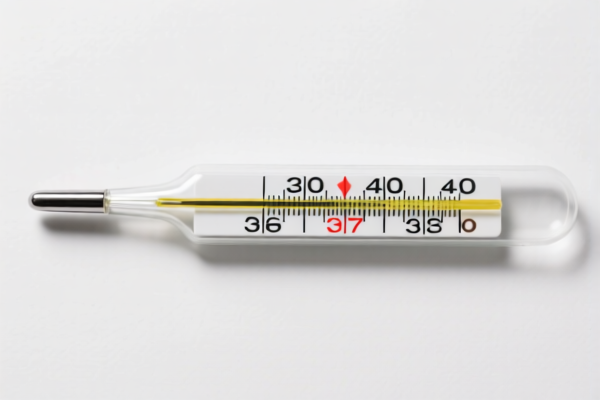
| 7017.20.00.00 | Glass Thermometers | Medical/Health (Glass specific), liquid-in-glass | 41.7% | Material Specific: Must be "Glass"; high tariff due to material classification. |
🔍 Key Insight: - Medical vs. Non-Medical: If the thermometer is explicitly designed for medical diagnosis (e.g., taking human body temperature in a clinical setting), it usually falls under 9018, triggering a 35% rate. - Material Matters: If the thermometer is glass (especially if liquid-filled), even for medical use, it risks being classified under 7017, jumping the tax to 41.7%. - General Use: Industrial or non-clinical thermometers often qualify for the lower 10% rate under 9025.
💰 III. 2026 Latest Tariff Rate Analysis (US Market, China Origin)
✅ Target Market: United States (US)
✅ Country of Origin: China (CN)
✅ Applicable Law: Section 301 (301 Tariffs) + IEEPA (Section 122/Executive Order 13866)
🎯 1. 9025.11.40.00 & 9025.11.20.00 — General Thermometers
The most cost-effective classification for non-medical industrial thermometers.
| Item | Content |
|---|---|
| Base Duty | 0.0% |
| Section 301 "Add-on" Duty | 0.0% (Base tariff is 0, no 25% surcharge applies here) |
| IEEPA / "122" Clause | +10% (Applied to Chinese-origin goods under specific executive orders) |
| Total Tax Rate | 10.0% |
| Tax Calculation | CIF Value × 10% |
| Legal Basis Path | HTS:9025.11.40.00 → Section 122 / IEEPA |
📌 Explanation: - These HS Codes represent general-purpose thermometers. - 0% base duty + 0% Section 301 surcharge = 10% IEEPA only. - This is a highly favorable rate compared to medical equipment.
🎯 2. 9018.19.40.00 & 9018.19.95.50 — Medical Thermometers
The most common classification for clinical digital thermometers. High risk.
| Item | Content |
|---|---|
| Base Duty | 0.0% |
| Section 301 "Add-on" Duty | +25.0% (Applied to "Medical Devices" under USITC Section 301) |
| IEEPA / "122" Clause | +10% (China-specific surcharge) |
| Total Tax Rate | 35.0% |
| Tax Calculation | CIF Value × 35% |
| Legal Basis Path | HTS:9018.19.40.00 → Section 301 → Section 122 |
📌 Explanation: - Medical devices are a primary target for Section 301 tariffs. - 25% (Section 301) + 10% (IEEPA) = 35% total. - Do not attempt to classify a medical thermometer as "General" (
9025) unless you can prove it is NOT intended for medical use (e.g., strictly industrial). Misclassification leads to severe penalties.
🎯 3. 7017.20.00.00 — Glass Thermometers
The most expensive classification, often applied to liquid-filled glass tubes.
| Item | Content |
|---|---|
| Base Duty | 6.7% |
| Section 301 "Add-on" Duty | +25.0% (Applied to glass products in certain contexts) |
| IEEPA / "122" Clause | +10% |
| Total Tax Rate | 41.7% |
| Tax Calculation | CIF Value × 41.7% |
| Legal Basis Path | HTS:7017.20.00.00 → Section 301 → Section 122 |
📌 Explanation: - Glass is a sensitive material category. - Even a "low-tech" glass thermometer faces the highest burden: 6.7% base + 25% + 10%. - Avoid this classification if possible by using plastic/electronic alternatives which may qualify for
9025or9018.
🛠️ IV. Customs Clearance Practical Advice (Actionable Strategy)
✅ 1. Documentation Checklist (Non-Negotiable)
| Document | Requirement | Purpose |
|---|---|---|
| Technical Specifications | ✔️ Mandatory | Must clearly state: "Medical" vs "Industrial" vs "General". |
| Circuit Diagram / Schematic | ✔️ Mandatory | Proves if it is "Electrical" (9018/9025) vs "Glass" (7017). |
| Product Photos | ✔️ Mandatory | Clear shots of the casing (Plastic vs. Glass) and interface. |
| User Manual / Labeling | ✔️ Mandatory | Must explicitly state intended use (e.g., "For Clinical Use" triggers 35%). |
| Commercial Invoice | ✔️ Mandatory | Description must match HS Code summary exactly. |
| Country of Origin Certificate | ✔️ Mandatory | Must confirm "Made in China" for accurate IEEPA calculation. |
✅ 2. Declaration Strategy (Critical Keywords)
🔥 "Use Case is King: Medical = 35%, Glass = 41.7%, General = 10%"
| Scenario | Correct Declaration | Wrong Declaration (Risk) |
|---|---|---|
| Digital Clinical Thermometer | 9018.19.40.00 (Medical) |
Declaring as 9025 (General) → Audited & Penalties |
| Industrial Oven Thermometer | 9025.11.40.00 (Industrial) |
Declaring as 9018 (Medical) → Overpaying 25% |
| Glass Liquid-in-Glass Thermometer | 7017.20.00.00 (Glass) |
Declaring as 9025 → Misclassification (High Risk) |
| Plastic/Digital Body Thermometer | 9018.19.95.50 (Medical) |
Declaring as 9025 → Audit Flag |
📌 Pro Tip: - If a device is dual-use (e.g., a digital thermometer used in both labs and clinics), declare based on the primary intended market. If 90% of sales are medical, you must use the medical code (35%). - Do not claim a glass thermometer is "plastic" or "electronic" to avoid
7017unless the data is 100% factual.
✅ 3. Special Scenarios & Mitigation
| Situation | Recommendation |
|---|---|
| "Home Use" Thermometer | If the marketing is "Digital, Non-Medical," it might qualify for 9025 (10%), but US Customs often treats body thermometers as medical by default. |
| Glass vs. Plastic | Switching from Glass (7017) to Plastic/Electronic (9018 or 9025) can save 6.7% + 10% on base material duties, though medical status still triggers 35%. |
| Kit Packaging | If sold as a "Thermometer + Kit," declare only the thermometer. Do not bundle with non-thermometer items to split value. |
🌍 V. Global Market Comparison (2026 Context)
| Region | Recommended HS Code | Est. Total Duty | Notes |
|---|---|---|---|
| 🇺🇸 USA | 9025 (10%) / 9018 (35%) / 7017 (41.7%) |
High | Strict on Medical classification. High Section 301 impact. |
| 🇨🇳 China | 9025 / 9018 |
Low | Import duties vary; no Section 301. |
| 🇪🇺 EU | 9025 / 9018 |
Medium | VAT applies (19-25%). CE Certification mandatory for medical. |
| 🇯🇵 Japan | 9025 / 9018 |
Low | PSE Certification required for electronics. |
📌 Conclusion: The USA is the most critical market due to the Section 301 + IEEPA叠加 (stacking) of tariffs. A misclassified medical thermometer costs 25% more than a correctly classified industrial one.
📌 VI. Common Mistakes & "Blood Lessons"
❌ Mistake 1: Calling a medical thermometer "General Purpose" to get 10% tax. 👉 Consequence: Customs audit, retroactive tax collection (35% - 10% = 25% penalty), and possible seizure.
❌ Mistake 2: Declaring a Glass thermometer as "Plastic" to avoid 7017.
👉 Consequence: Customs inspection reveals the material. 41.7% vs 35% or 10% difference + fines.
❌ Mistake 3: Ignoring the "122 Clause" or IEEPA in the calculation. 👉 Consequence: Underpaying the 10% surcharge on top of the 301 tariff.
✅ Correct Approach:
"Digital Clinical Thermometer, for Human Body Temperature, Plastic Housing, Battery Powered, Intended for Medical Diagnosis." →
9018.19.40.00(35%)
🎯 VII. Final Verdict: Professional Classification is Profit Protection!
🎯 Remember the Golden Rules:
🔹 "Medical = 35% (9018), General = 10% (9025), Glass = 41.7% (7017)" 🔹 "HS Code determines survival. 25% tax difference can kill your profit margin." 🔹 "If it's for the body, assume Medical. If it's glass, assume High Tax."
📌 Pro Tip:
If your product can be dual-certified (e.g., "For Clinical and Industrial Use"), consider splitting shipments: - Ship Industrial units to the US under
9025(10%) with strict "Industrial Use" labeling. - Ship Clinical units under9018(35%). Note: This requires strict inventory control to avoid commingling.
📣 Call to Action:
📞 Contact a Licensed Customs Broker immediately for a Binding Ruling (Pre-Classification) if your product is on the fence between
9018and9025. 🚀 Optimize your HS Code today, save 25% on taxes, and ensure smooth customs clearance!
✨ Precision Classification = Maximum Profit!
💼 Every Cent in Tax Savings Matters!
Customer Reviews
About HS Code Classification
The Harmonized System (HS) is an internationally standardized nomenclature developed by the World Customs Organization (WCO) to classify traded products. Over 200 countries use the HS system as the basis for customs tariffs, trade statistics, and import/export regulations.
Each HS code follows a hierarchical structure:
- Chapter (2 digits) — Broad category of goods (e.g., Chapter 84: Machinery and Mechanical Appliances)
- Heading (4 digits) — More specific grouping within the chapter
- Subheading (6 digits) — Internationally standardized breakdown, used by all WCO member countries
- National subdivisions (8-10 digits) — Country-specific extensions for further classification, such as US HTSUS 10-digit codes
Correct HS code classification is essential for smooth customs clearance, accurate duty payment, and compliance with trade regulations. Misclassification can lead to customs delays, overpayment of duties, or penalties.
When importing from CN to US, the applicable tariff rates may include:
- Most-Favored-Nation (MFN) rate — The standard duty rate applied to WTO members
- General rate — Applied to countries without trade agreements
- Trade remedy duties — Additional tariffs such as Section 301 (anti-dumping), Section 232 (national security), or countervailing duties
The information provided on this page is for reference purposes only. For official classification, please consult with your local customs authority or a licensed customs broker.