thick acrylic sheet
CN → US| HS Code | Tariff Rate | Origin | Destination | Doc |
|---|---|---|---|---|
| 3920515090 | 41.5% | CN | US | Official Doc |
| 3920515050 | 41.5% | CN | US | Official Doc |
| 3921110000 | 40.3% | CN | US | Official Doc |
| 3906902000 | 41.3% | CN | US | Official Doc |
| 3921190090 | 41.5% | CN | US | Official Doc |
Product Images
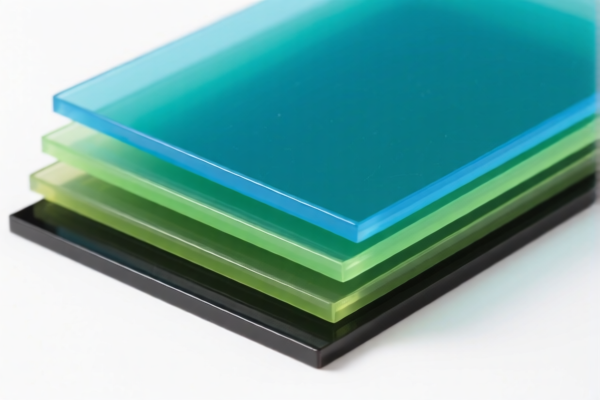
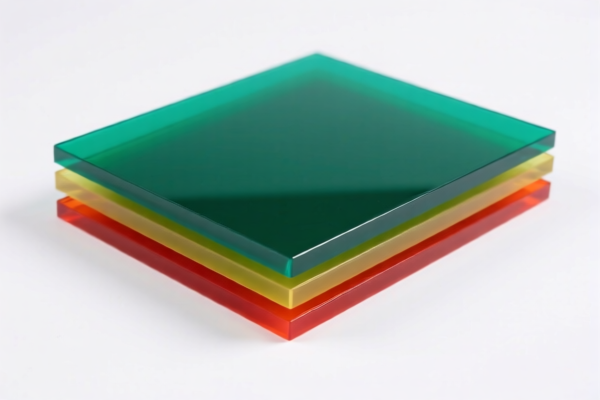
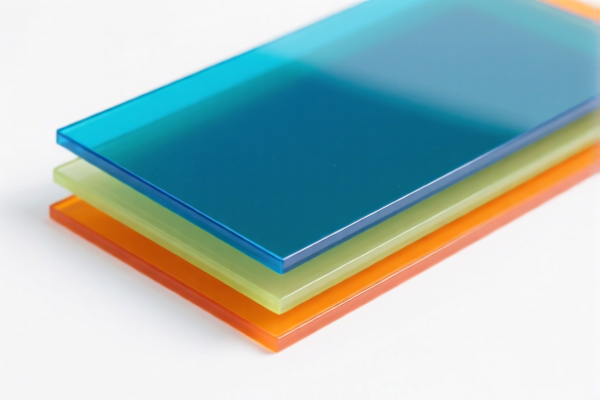
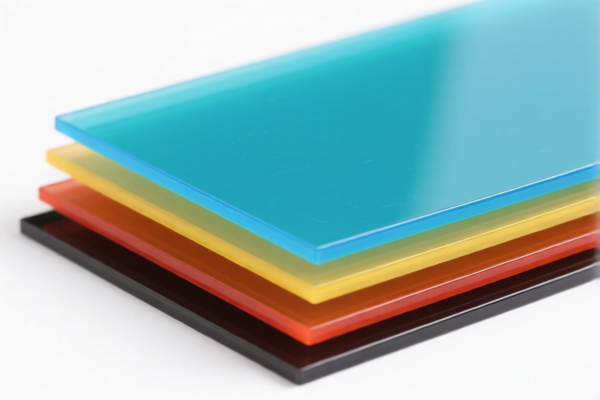
AI Analysis
🖥️ Thick Acrylic Sheet (Polymethyl Methacrylate / PMMA)
🌐 HS Code Reference & Customs Clearance Guide | 2026 Latest Tariff Analysis | Professional-Level Entry Strategy
📌 I. Product Definition & Classification: Do You Really Understand "Acrylic Sheets"?
Thick Acrylic Sheets are rigid, transparent thermoplastic materials widely used in signage, architectural glazing, industrial manufacturing, and luxury displays. In international trade, the classification of acrylic sheets depends heavily on their material composition, physical form, and specific chemical structure.
Key Distinctions: 1. PMMA Specifics: If the material is strictly Poly(methyl methacrylate) (PMMA), it often falls under headings related to specific polymers. 2. General Plastic Sheets: If classified broadly as "plastic sheets" or "plates" without specific polymer identification in the subheading, it may fall under broader headings for plastic articles. 3. Chemical State: Acrylic resin/monomer vs. finished sheet affects whether it's classified as a raw material (chemical product) or a semi-finished good (plastic article).
⚠️ Critical Classification Point:
- If the sheet is PMMA (聚甲基丙烯酸甲酯), it is typically classified under 3920.51 or 3921.11 depending on the exact tariff line structure.
- If the sheet is generic Acrylic Resin (丙烯酸树脂) in plate form, it may fall under 3906.90.
- If it is a generic plastic plate without specific PMMA identification in the HS description, it may fall under 3921.19 or 3921.11.
📦 II. HS Code Classification Details (2026 Latest Tariff Authority Comparison)
Based on the provided data, here are the five potential HS Codes for Thick Acrylic Sheets:
| HS Code | Product Description | Material/Form | Applicable Scenario |
|---|---|---|---|
3920.51.50.90 |
Acrylic Sheet, Material: PMMA, Form: Sheet | Poly(methyl methacrylate) | Standard PMMA sheets, high transparency |
3920.51.50.50 |
Acrylic Sheet, Material: PMMA, Form: Sheet | Poly(methyl methacrylate) | Similar to above, potentially different sub-classification for specific uses |
3921.11.00.00 |
Acrylic Sheet, Material: Polymer, Form: Plate/Film | Polymer (Generic) | Classified under "Other" categories, generic plastic plates |
3906.90.20.00 |
Acrylic Sheet, Material: Acrylic Resin, Form: Semi-finished | Acrylic Resin | Raw or semi-finished acrylic resin plates, not yet finished PMMA |
3921.19.00.90 |
Acrylic Sheet, Material: Plastic, Form: Other Plates/Films | Plastic (Other) | Other plastic plates, films, not specifically PMMA or acrylic resin |
🔍 Key Reminder:
- PMMA (3920.51) is a specific subset of acrylics. If your product is certified as Poly(methyl methacrylate),3920.51.50.x0is the most accurate classification.
- Acrylic Resin (3906.90) is often considered a chemical product or semi-finished good. If the sheet is made from raw acrylic resin, this code may apply.
- Generic Plastic (3921.x9) is a fallback if the specific polymer isn't declared or if it's a blended plastic.
💰 III. 2026 Latest Tariff Rate Details (Including Surcharges & Policy Add-ons)
✅ Applicable Country: United States (US)
✅ Country of Origin: China (CN)
✅ Effective Date: From November 10, 2025 (including subsequent imports)
🎯 1. 3920.51.50.90 & 3920.51.50.50 —— Acrylic Sheets (PMMA)
| Item | Content |
|---|---|
| Base Tariff Rate | 6.5% (ad valorem) |
| Section 301 Surcharge | +25.0% (from USITC Footnote for Chinese goods) |
| Section 122 Tariff | +10.0% (Specific policy surcharge for acrylics/plastics from China) |
| Total Tariff Rate | 41.5% |
| Tax Calculation | CIF Value × 41.5% |
| De Minimis Eligible? | ❌ No (Section 301 & 122 surcharges are not exempt) |
| Legal Basis Path | HTSUS:3920.51.50 → USITC:Section301 → ExecOrder:Section122 |
📌 Explanation:
- "Base Tariff 6.5%": Standard MFN rate for PMMA sheets.
- "Section 301 Surcharge 25%": The primary trade war tariff on Chinese goods.
- "Section 122 Tariff 10%": A specific surcharge applied to certain plastic/acrylic products from China under recent executive orders.
- Total 41.5%: This is a high tariff burden. Accurate declaration is crucial to avoid overpayment or underpayment penalties.
🎯 2. 3921.11.00.00 —— Acrylic Sheets (Generic Polymer)
| Item | Content |
|---|---|
| Base Tariff Rate | 5.3% |
| Section 301 Surcharge | +25.0% |
| Section 122 Tariff | +10.0% |
| Total Tariff Rate | 40.3% |
| Tax Calculation | CIF Value × 40.3% |
| De Minimis Eligible? | ❌ No |
| Legal Basis Path | HTSUS:3921.11.00 → USITC:Section301 → ExecOrder:Section122 |
📌 Note:
- Slightly lower base rate (5.3% vs 6.5%) but still subject to full surcharges.
- Use this code only if the material is not specifically identified as PMMA but as a generic polymer plate.
🎯 3. 3906.90.20.00 —— Acrylic Sheets (Acrylic Resin Semi-finished)
| Item | Content |
|---|---|
| Base Tariff Rate | 6.3% |
| Section 301 Surcharge | +25.0% |
| Section 122 Tariff | +10.0% |
| Total Tariff Rate | 41.3% |
| Tax Calculation | CIF Value × 41.3% |
| De Minimis Eligible? | ❌ No |
| Legal Basis Path | HTSUS:3906.90.20 → USITC:Section301 → ExecOrder:Section122 |
📌 Note:
- This code applies if the product is considered acrylic resin rather than finished PMMA sheet.
- Ensure the product is truly resin-based and not a finished PMMA sheet, as misclassification can lead to penalties.
🎯 4. 3921.19.00.90 —— Acrylic Sheets (Other Plastic Plates)
| Item | Content |
|---|---|
| Base Tariff Rate | 6.5% |
| Section 301 Surcharge | +25.0% |
| Section 122 Tariff | +10.0% |
| Total Tariff Rate | 41.5% |
| Tax Calculation | CIF Value × 41.5% |
| De Minimis Eligible? | ❌ No |
| Legal Basis Path | HTSUS:3921.19.00 → USITC:Section301 → ExecOrder:Section122 |
📌 Note:
- This is a "catch-all" category for plastic plates not elsewhere specified.
- Only use if the product does not fit the specific PMMA or acrylic resin definitions.
🛠️ IV. Customs Clearance Practical Advice (Real-World Pitfall Guide)
✅ 1. Required Documentation Checklist (Must-Haves)
| Document | Mandatory? | Description |
|---|---|---|
| ✅ Product Specification Sheet | ✔️ | Must clearly state: Material (PMMA/Acrylic Resin), Thickness, Dimensions, Transparency Grade |
| ✅ Material Safety Data Sheet (MSDS) | ✔️ | Proves chemical composition (PMMA vs. Other Plastics) |
| ✅ Product Photos (Including Label) | ✔️ | Show clear "PMMA" or "Acrylic" markings on the sheet or packaging |
| ✅ Commercial Invoice | ✔️ | Must accurately describe the product as "PMMA Sheet" or "Acrylic Resin Sheet" |
| ✅ Packing List | ✔️ | Detail weight, dimensions, and quantity |
| ✅ Certificate of Origin (CO) | ✔️ | If applicable for any preferential treatment (though unlikely for US-China) |
✅ 2. Declaration Tips (Key Mnemonic)
🔥 "Material First, Form Second, Surcharge Always!"
| Scenario | Correct Declaration | Wrong Action |
|---|---|---|
| Pure PMMA Sheet | 3920.51.50.90 |
Misdeclare as "Generic Plastic" → Risk of audit |
| Acrylic Resin Plate | 3906.90.20.00 |
Declare as "Finished PMMA" → Underpayment risk |
| Unknown Plastic | 3921.19.00.90 |
Guessing PMMA when it's not → Penalty |
| All Cases | Apply 41.5% or 40.3% Total Rate | Forgetting Section 301/122 → Underpayment |
✅ 3. Special Case Handling
| Situation | Handling Advice |
|---|---|
| OEM Custom Acrylic | Provide customer order + design specs. Ensure material is declared as PMMA if it is. |
| Mixed Packaging (Acrylic + Frames) | Declare separately. Acrylic sheets under HS 3920/3921, frames under appropriate metal/plastic code. Do not mix! |
| Acrylic Used in Medical Devices | If it's a finished medical device, it may be classified differently (e.g., Ch 90). But as a sheet material, it remains in Ch 39. |
| High-Thickness Sheets (>10mm) | Still classified under the same HS codes, but ensure specifications are clear to avoid "construction material" misclassification. |
🌍 V. Global Market Comparison (2026 Latest)
| Country/Region | Recommended HS Code | Tariff | Certification | Notes |
|---|---|---|---|---|
| 🇺🇸 United States | 3920.51.50.90 |
41.5% (CN) | No specific CE/FCC for plastic sheet | High tariff due to Section 301 + 122 |
| 🇨🇳 China | 3920.51.50.90 |
6.5% | No special certs needed for import | Base rate only |
| 🇪🇺 European Union | 3920.51.90 |
6.5% | REACH Compliance | No Section 301/122 surcharges |
| 🇬🇧 United Kingdom | 3920.51.90 |
6.5% | UKCA/REACH | Post-Brexit tariff aligns with EU base rate |
| 🇯🇵 Japan | 3920.51.90 |
5.0% | PSE (if applicable) | Lower base tariff, no US-style surcharges |
📌 Conclusion:
- The US market has the highest tariff burden for Chinese-made acrylic sheets due to Section 301 (25%) and Section 122 (10%) surcharges.
- EU and Asia markets offer much lower tariffs (base rate only, ~5-6.5%).
- Strategy: If selling to the US, consider transshipment (not recommended due to strict rules of origin) or value-added processing in third countries to mitigate tariff risks.
📌 VI. Common Errors & Pitfall Guide (Lessons Learned)
❌ Error 1: Declaring "Plastic Sheet" instead of "PMMA Sheet"
👉 Consequence: If it's PMMA, using a generic code may trigger an audit. If it's not PMMA, using the PMMA code is misclassification.
👉 Fix: Always provide MSDS to prove material composition.
❌ Error 2: Forgetting Section 122 Surcharge
👉 Consequence: Underpayment of 10%. Customs will demand back payment + interest + penalties.
👉 Fix: Always include Section 122 (10%) in cost calculations for US imports.
❌ Error 3: Mixing "Acrylic Resin" and "PMMA Sheet"
👉 Consequence: Acrylic Resin (3906.90) and PMMA Sheet (3920.51) have different base rates. Misclassification leads to tariff discrepancies.
👉 Fix: Clearly distinguish between raw resin and finished sheets.
❌ Error 4: Not separating Acrylic from Packaging/Accessories
👉 Consequence: If shipped with frames or signs, the whole shipment might be misclassified.
👉 Fix: Separate lines on the commercial invoice for sheets vs. accessories.
✅ Correct Practice:
"Thick Acrylic Sheet, Material: Poly(methyl methacrylate) [PMMA], Thickness: 5mm, Transparency: High, Model: XYZ, For Signage Use, Made in China"
🎯 VII. Conclusion: Professional Declaration Saves Money!
🎯 Remember the Mnemonic:
🔹 "PMMA is 3920.51, Resin is 3906.90, Plastic is 3921.19"
🔹 "US Tariff = Base + 25% (301) + 10% (122) = 41.5%"
🔹 "No De Minimis! Always Declare Accurately!"
📌 Pro Tip:
If your acrylic sheets are originating from Vietnam, Malaysia, or Thailand, you may be eligible for IEEPA Exemptions or lower tariffs.
However, for China-origin goods, Section 301 and 122 apply strictly.
Recommendation: Apply for an Advance Ruling from US Customs (CBP) if unsure about the exact HS code to avoid clearance delays.
📣 Immediate Action:
📞 Contact a Professional Customs Broker
📤 Provide MSDS + Product Photos
🚀 Get an HS Code Pre-Ruling for your Thick Acrylic Sheets
💰 Accurate Classification = Lower Costs + Smoother Clearance!
✨ Professional Customs Clearance Starts with Precise Classification!
💼 Every Dollar Saved is a Dollar Earned!
Customer Reviews
About HS Code Classification
The Harmonized System (HS) is an internationally standardized nomenclature developed by the World Customs Organization (WCO) to classify traded products. Over 200 countries use the HS system as the basis for customs tariffs, trade statistics, and import/export regulations.
Each HS code follows a hierarchical structure:
- Chapter (2 digits) — Broad category of goods (e.g., Chapter 84: Machinery and Mechanical Appliances)
- Heading (4 digits) — More specific grouping within the chapter
- Subheading (6 digits) — Internationally standardized breakdown, used by all WCO member countries
- National subdivisions (8-10 digits) — Country-specific extensions for further classification, such as US HTSUS 10-digit codes
Correct HS code classification is essential for smooth customs clearance, accurate duty payment, and compliance with trade regulations. Misclassification can lead to customs delays, overpayment of duties, or penalties.
When importing from CN to US, the applicable tariff rates may include:
- Most-Favored-Nation (MFN) rate — The standard duty rate applied to WTO members
- General rate — Applied to countries without trade agreements
- Trade remedy duties — Additional tariffs such as Section 301 (anti-dumping), Section 232 (national security), or countervailing duties
The information provided on this page is for reference purposes only. For official classification, please consult with your local customs authority or a licensed customs broker.