thigh trainer
CN → US| HS Code | Tariff Rate | Origin | Destination | Doc |
|---|---|---|---|---|
| 9506910010 | 22.1% | CN | US | Official Doc |
| 9506910030 | 22.1% | CN | US | Official Doc |
| 9019102050 | 10.0% | CN | US | Official Doc |
| 4015195100 | 49.0% | CN | US | Official Doc |
| 4015900050 | 39.0% | CN | US | Official Doc |
Product Images
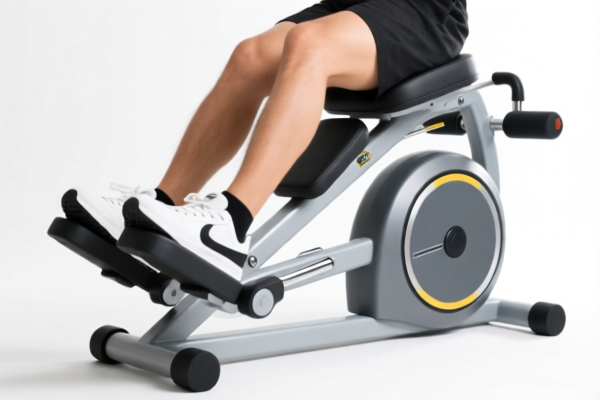
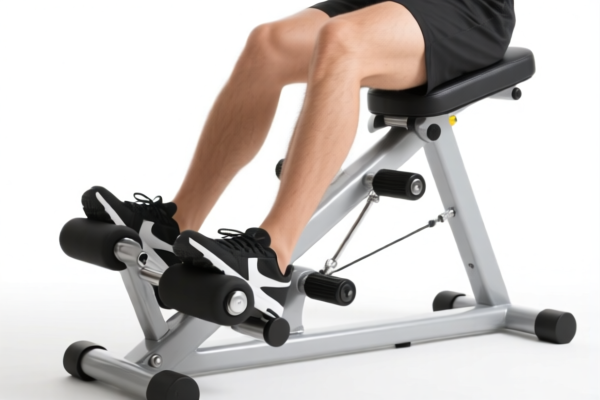
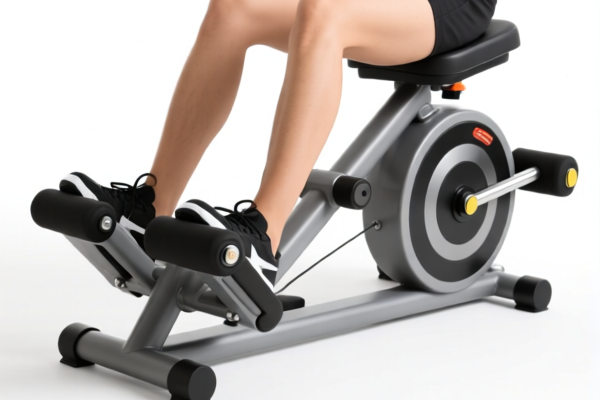
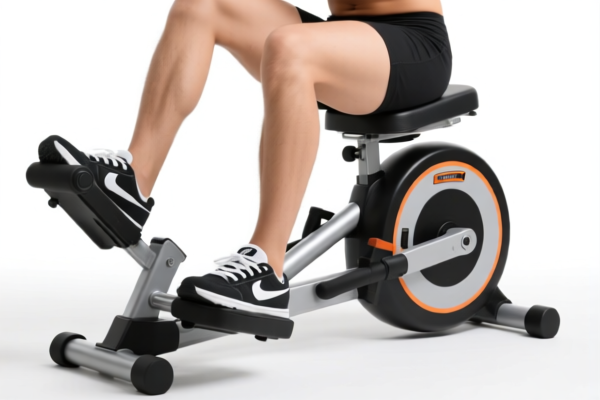
AI Analysis
🦵 Thigh Trainer: Global HS Code Classification & Customs Clearance Strategy (2026)
🌐 HS Code Reference & Customs Clearance Guide | 2026 Latest Tariff Analysis | Professional-Grade Logistics Strategy
📌 I. Product Definition & Classification: Do You Truly Understand the "Thigh Trainer"?
The Thigh Trainer is a specialized fitness device designed to tone and strengthen the inner and outer thigh muscles. In international trade, it is often misunderstood. Is it a piece of exercise equipment? A medical rehabilitation device? Or a simple rubber accessory? The classification depends entirely on function, structure, and material.
⚠️ Key Distinction Points:
- If it functions primarily for physical exercise/fitness without medical claims → Chapter 95 (Toys/Sports)
- If it claims therapeutic/medical massage functions → Chapter 90 (Medical Instruments)
- If it is primarily a protective rubber sleeve with minimal mechanical function → Chapter 40 (Rubber Articles)
📦 II. HS Code Classification Details (2026 Latest Tariff Authority Comparison)
| HS Code | Product Description | Applicable Scenario | Total Tax Rate (CN→US) |
|---|---|---|---|
9506.91.00.10 |
Parts and accessories for general physical exercise, gymnastics, athletics, or other sports (incl. Thigh Trainers) | Standard fitness equipment for home/gym use | 22.1% |
9506.91.00.30 |
Other goods for general physical exercise, gymnastics, athletics, or other sports (incl. Thigh Trainers) | General sports gear where no specific sub-heading applies | 22.1% |
9019.10.20.50 |
Mechanical therapy appliances; massage apparatus (incl. Thigh Trainers with therapeutic claims) | Devices marketed for mechanical treatment/massage | 10.0% |
4015.19.51.00 |
Rubber clothing & accessories, protective (incl. Rubber Thigh Sleeves/Braces) | Products primarily made of vulcanized rubber for protection | 49.0% |
4015.90.00.50 |
Other articles of vulcanized rubber (incl. Rubber Thigh Accessories) | Rubber components/accessories not elsewhere specified | 39.0% |
🔍 Critical Reminder:
- Most standard Thigh Trainers (with springs, pads, and handles for exercise) belong in 9506.91. - If the product is exclusively a rubber sleeve with no mechanical exercise function, it may fall under 4015. - If marketed as a rehabilitation/massage tool, it might qualify for 9019.10, but this is strictly audited.
💰 III. 2026 Latest Tariff Rate Breakdown (Including Surcharges & Policy Add-ons)
✅ Applicable Country: United States (US)
✅ Origin: China (CN)
✅ Effective Date: Ongoing under current trade policies (2024–2026)
🎯 1. 9506.91.00.10 & 9506.91.00.30 —— Sports & Fitness Equipment (Most Common)
| Item | Content |
|---|---|
| Base Duty Rate | 4.6% (Ad Valorem) |
| Section 301 Surcharge | +7.5% |
| Section 122 Surcharge | +10% |
| Steel/Aluminum/Copper Surcharge | +50% (Only if significantly composed of these metals) |
| Total Tax Rate | 22.1% (Standard Scenario) 72.1% (If Steel/Aluminum/Copper applies) |
| Tax Calculation | CIF Value × 22.1% (or 72.1%) |
| De Minimis Eligibility | ❌ Not Eligible (For shipments >$800 from China) |
| Legal Basis Path | USITC:9506.91.00.10 → FOOTNOTE:301 → IEEPA:122 |
📌 Explanation:
- The 22.1% rate is the most common for plastic/rubber/spring-based thigh trainers. - The 50% steel/aluminum surcharge applies if the frame is predominantly metal. Most Thigh Trainers have small metal springs, but if the main structure is metal, this higher rate may apply. - Section 122 is a 10% surcharge on imports of steel and aluminum articles, but also applied broadly to certain sports goods depending on specific rulings. Note: Verify current applicability of Steel/Aluminum surcharge based on exact material composition.
🎯 2. 9019.10.20.50 —— Mechanical Therapy/Massage Apparatus
| Item | Content |
|---|---|
| Base Duty Rate | 0.0% |
| Section 301 Surcharge | +0.0% (Often exempt or lower) |
| Section 122 Surcharge | +10% |
| Total Tax Rate | 10.0% |
| Tax Calculation | CIF Value × 10.0% |
| De Minimis Eligibility | ❌ Not Eligible |
| Legal Basis Path | USITC:9019.10.20.50 → IEEPA:122 |
📌 Explanation:
- This rate is significantly lower IF the product can be legally classified as a "mechanical therapy" device. - Risk: US Customs and Border Protection (CBP) may reject this classification if the device is clearly for fitness rather than medical therapy. Misclassification can lead to penalties.
🎯 3. 4015.19.51.00 & 4015.90.00.50 —— Rubber Protective Articles
| Item | Content |
|---|---|
| Base Duty Rate | 14.0% (for 4015.19) / 4.0% (for 4015.90) |
| Section 301 Surcharge | +25.0% |
| Section 122 Surcharge | +10.0% |
| Total Tax Rate | 49.0% (for 4015.19) 39.0% (for 4015.90) |
| Tax Calculation | CIF Value × 49.0% or 39.0% |
| De Minimis Eligibility | ❌ Not Eligible |
| Legal Basis Path | USITC:4015.19.51.00 → FOOTNOTE:301 |
📌 Explanation:
- These rates are very high. They apply only if the product is deemed primarily a rubber protective garment/accessory (e.g., a simple rubber sleeve with no springs or handles). - Using this classification for a full Thigh Trainer with springs is likely to be challenged and result in higher taxes + fines.
🛠️ IV. Customs Clearance Practical Advice (Real-World Pitfall Guide)
✅ 1. Documentation Checklist (Mandatory)
| Document | Required | Notes |
|---|---|---|
| ✅ Product Specifications | ✔️ | Must detail materials (plastic, rubber, steel springs), dimensions, weight |
| ✅ Product Photos | ✔️ | Clear images showing the entire device, including handles, springs, and pads |
| ✅ Commercial Invoice | ✔️ | Must clearly state "Thigh Trainer for Physical Exercise" or "Therapeutic Massager" |
| ✅ Material Composition Statement | ✔️ | Specify % of steel, plastic, rubber |
| ✅ Use Statement | ✔️ | Confirm primary use (Fitness vs. Medical Therapy) |
✅ 2. Classification Strategy (Key Rules)
🔥 “Function Determines Code, Material Determines Rate!”
| Scenario | Recommended HS Code | Tax Rate | Why? |
|---|---|---|---|
| Standard Thigh Trainer (Springs, handles, pads) | 9506.91.00.10 |
22.1% | Clearly for physical exercise/fitness |
| Therapeutic Claim (No exercise, only massage) | 9019.10.20.50 |
10.0% | Lower tax, but high audit risk. Requires medical documentation. |
| Rubber Sleeve Only (No springs/handles) | 4015.90.00.50 |
39.0% | High tax. Only if it’s purely a rubber accessory. |
| Steel Frame Dominant | 9506.91.00.10 (+50%) |
72.1% | If the main structure is steel/aluminum |
✅ 3. Special Situations & Mitigation
| Situation | Handling Advice |
|---|---|
| Mixed Materials | If steel springs are minor, do not claim steel surcharge. Provide a Bill of Materials (BOM) showing steel <10% of value. |
| Therapeutic Claims | Avoid using words like "Cure," "Treat," "Rehabilitate" in marketing unless you have FDA/medical device clearance. Stick to "Tone," "Strengthen," "Exercise." |
| Kit vs. Single Unit | Ship as a single unit. Do not split into "springs + pads + handles" to avoid higher duty on components. |
🌍 V. Global Market Comparison (2026)
| Country/Region | Recommended HS Code | Tariff (CN Origin) | Key Requirement | Notes |
|---|---|---|---|---|
| 🇺🇸 USA | 9506.91.00.10 |
22.1% | Section 301 + 122 | Most common. Steel surcharge possible. |
| 🇨🇳 China | 9506.91.00.10 |
6.0% | None | Low tax. Easy clearance. |
| 🇪🇺 EU | 9506.99.90 |
0% - 4.7% | CE Mark | Low or zero duty. No Section 301. |
| 🇬🇧 UK | 9506.99.90 |
0% - 4.7% | UKCA Mark | Post-Brexit rules similar to EU. |
| 🇨🇦 Canada | 9506.99.90 |
0% | CBSA Rules | Generally duty-free for sports equipment. |
📌 Conclusion:
- The US market is the most expensive due to Section 301 and 122 tariffs. - EU/Canada offer better tax efficiency. Consider diversifying supply chains if targeting these markets.
📌 VI. Common Mistakes & Pitfalls (Lessons Learned)
❌ Mistake 1: Classifying a Thigh Trainer as a "Medical Device" (9019) to save tax
👉 Consequence: CBP audit → Back taxes + penalties if no medical evidence is provided.
✅ Fix: Only use 9019 if you have legitimate therapeutic marketing and documentation.
❌ Mistake 2: Splitting the shipment into "Rubber Parts" and "Metal Springs"
👉 Consequence: Higher duties on components + clearance delays.
✅ Fix: Declare as a single "Thigh Trainer" unit.
❌ Mistake 3: Ignoring the Steel/Aluminum Surcharge
👉 Consequence: Unexpected 50% additional duty if the frame is metal.
✅ Fix: Verify material composition. If steel is minimal (<10% of value), argue against the surcharge with a BOM.
🎯 VII. Final Recommendations: Smart Clearance, Cost Control!
🎯 Remember the Golden Rules:
🔹 “Fitness = 9506, Therapy = 9019, Rubber = 4015”
🔹 “Steel Frame = High Tax, Plastic/Rubber = Standard Tax”
🔹 “Do Not Split! Declare as One Unit!”
📌 Pro Tip:
If your Thigh Trainer is plastic and rubber-based (no significant metal frame), 22.1% is your standard rate.
If you are exporting to the US, budget for this. If targeting Europe, leverage 0-4.7% rates by ensuring CE compliance.
📣 Immediate Action:
📞 Consult a licensed customs broker
📄 Prepare a detailed Bill of Materials (BOM)
🚀 Ensure your product photos clearly show fitness function to avoid medical misclassification
✨ Professional Classification, Smoother Clearance!
💼 Every Percentage Point Saved is Pure Profit!
Customer Reviews
About HS Code Classification
The Harmonized System (HS) is an internationally standardized nomenclature developed by the World Customs Organization (WCO) to classify traded products. Over 200 countries use the HS system as the basis for customs tariffs, trade statistics, and import/export regulations.
Each HS code follows a hierarchical structure:
- Chapter (2 digits) — Broad category of goods (e.g., Chapter 84: Machinery and Mechanical Appliances)
- Heading (4 digits) — More specific grouping within the chapter
- Subheading (6 digits) — Internationally standardized breakdown, used by all WCO member countries
- National subdivisions (8-10 digits) — Country-specific extensions for further classification, such as US HTSUS 10-digit codes
Correct HS code classification is essential for smooth customs clearance, accurate duty payment, and compliance with trade regulations. Misclassification can lead to customs delays, overpayment of duties, or penalties.
When importing from CN to US, the applicable tariff rates may include:
- Most-Favored-Nation (MFN) rate — The standard duty rate applied to WTO members
- General rate — Applied to countries without trade agreements
- Trade remedy duties — Additional tariffs such as Section 301 (anti-dumping), Section 232 (national security), or countervailing duties
The information provided on this page is for reference purposes only. For official classification, please consult with your local customs authority or a licensed customs broker.