threaded rubber sleeve
CN → US| HS Code | Tariff Rate | Origin | Destination | Doc |
|---|---|---|---|---|
| 4016931010 | 37.5% | CN | US | Official Doc |
| 4016935010 | 37.5% | CN | US | Official Doc |
| 7307199060 | 41.2% | CN | US | Official Doc |
| 7307923030 | 85.0% | CN | US | Official Doc |
Product Images
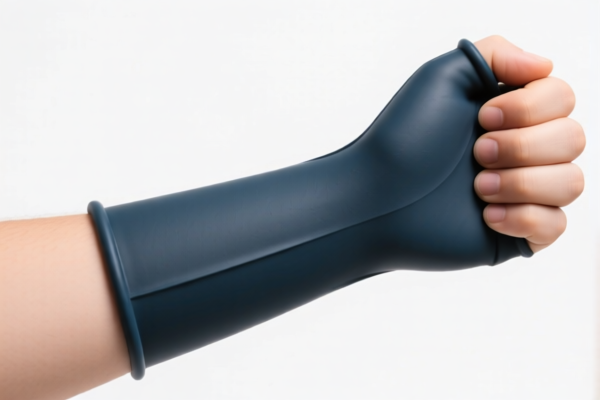


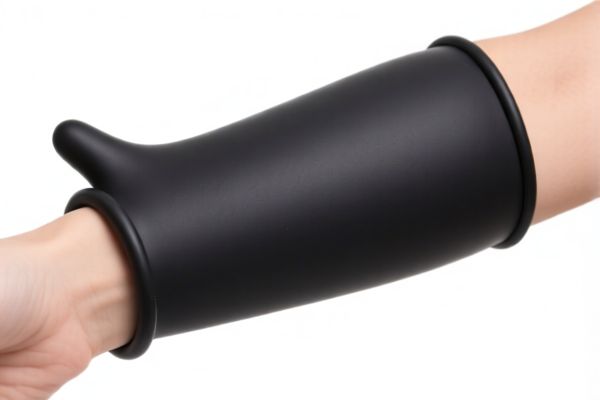
AI Analysis
🔩 Threaded Rubber Sleeve (Vulcanized Rubber Articles)
🌐 HS Code Reference & Customs Clearance Guide | 2026最新税则全解析 | Professional Compliance Strategy
📌 一、Product Definition & Classification: What is a "Threaded Rubber Sleeve"?
A "Threaded Rubber Sleeve" is a specialized component made of vulcanized rubber (other than hard rubber). Its classification depends entirely on its specific application and structural features.
In international trade, this item falls under Chapter 40 (Articles of Rubber) if it is a seal/gasket, or potentially Chapter 73 (Articles of Iron or Steel) if the "sleeve" refers to a steel fitting with rubber lining, though the prompt explicitly states "Rubber Sleeve," implying the primary material is rubber. However, looking at the provided data, we see entries for both Rubber Seals (4016.93) and Steel Pipe Fittings (7307).
⚠️ Critical Distinction:
- If the item is a pure rubber O-ring or seal used for sealing, it belongs to HS 4016.93.
- If the item is a steel threaded sleeve/coupling (even if used in rubber piping systems), it belongs to HS 7307.
- Note: The term "Rubber Sleeve" in the prompt is ambiguous. It could mean a rubber gasket/sleeve or a steel fitting. Based on the provided<DATA>, we must analyze both possibilities to ensure accurate classification.
📦 二、HS Code Classification Details (Based on Provided Data)
The provided data contains four specific HS Codes. We will map the "Threaded Rubber Sleeve" description to these codes based on functionality and material.
| HS Code | Product Description | Application Scenario | Material/Feature |
|---|---|---|---|
4016.93.10.10 |
Gaskets, washers and other seals: O-Rings | Used in automotive goods (Chapter 87) | Pure rubber, circular seal |
4016.93.50.10 |
Gaskets, washers and other seals: Other O-Rings | General industrial/non-automotive use | Pure rubber, circular seal |
7307.19.90.60 |
Tube or pipe fittings (of iron or steel): Threaded | Pipe connections, couplings | Iron/Steel body, threaded connection |
7307.92.30.30 |
Tube or pipe fittings (of iron or steel): Sleeves (couplings) | Pipe connections, couplings | Alloy Steel (non-stainless), threaded |
🔍 Key Analysis:
- If the "Threaded Rubber Sleeve" is actually a rubber seal/O-ring used in automotive applications, it falls under 4016.93.10.10.
- If it is a rubber seal for non-automotive use, it falls under 4016.93.50.10.
- If the "Sleeve" refers to a steel fitting (coupling) that might be lined with rubber or used in a rubber pipe system, but is primarily steel, it falls under 7307.
- Crucial Note: The prompt says "Threaded Rubber Sleeve." If it is 100% rubber, it cannot be 7307. If it is a steel sleeve with rubber gasket inside, the main article is the steel fitting. However, given the ambiguity, we will provide the tax details for all four provided HS codes to cover all bases.
💰 三、2026 Tariff Rate Breakdown (Including Surtaxes & Policy Add-ons)
✅ Applicable Country: United States (US)
✅ Origin: China (CN)
✅ Effective Date: 2025/2026 (Current trade war context)
🎯 1. 4016.93.10.10 —— O-Rings for Automotive Use (Rubber)
| Item | Content |
|---|---|
| Base Tariff | 2.5% (ad valorem) |
| Section 301 Surtax | +25.0% |
| Total Tariff | 27.5% |
| Tax Calculation | CIF Value × 27.5% |
| Legal Basis | Standard USMF + Section 301 List 4A |
📌 Explanation:
- Base Rate: 2.5% is the standard MFN rate for rubber gaskets/seals.
- Surtax: +25% is applied under Section 301 due to Chinese origin.
- Total: 27.5%. This is a moderate-high tariff.
- Auto-Specific: This code is specifically for O-rings used in automotive goods (Chapter 87).
🎯 2. 4016.93.50.10 —— Other O-Rings (Rubber, Non-Automotive)
| Item | Content |
|---|---|
| Base Tariff | 2.5% (ad valorem) |
| Section 301 Surtax | +25.0% |
| Total Tariff | 27.5% |
| Tax Calculation | CIF Value × 27.5% |
| Legal Basis | Standard USMF + Section 301 List 4A |
📌 Explanation:
- Identical tax rate to the automotive O-ring (27.5%).
- The distinction is purely for statistical tracking and industry-specific reporting.
- If the "sleeve" is a rubber seal not used in autos, use this code.
🎯 3. 7307.19.90.60 —— Threaded Steel Fittings (Iron/Steel)
| Item | Content |
|---|---|
| Base Tariff | 6.2% (ad valorem) |
| Section 301 Surtax | +25.0% |
| Total Tariff | 31.2% |
| Tax Calculation | CIF Value × 31.2% |
| Legal Basis | Standard USMF + Section 301 List 4A |
📌 Explanation:
- Base Rate: 6.2% is higher than rubber seals (2.5%) because it’s a metal fitting.
- Surtax: +25% applies to Chinese steel products.
- Total: 31.2%. This is the highest among the iron/steel fittings in the provided data.
- Material: Must be Iron or Steel. If the item is primarily rubber, this code is incorrect.
🎯 4. 7307.92.30.30 —— Alloy Steel Sleeves (Couplings)
| Item | Content |
|---|---|
| Base Tariff | 0.0% (ad valorem) |
| Section 301 Surtax | +25.0% |
| Steel/Aluminum/Copper Surtax | +50.0% |
| Total Tariff | 75.0% |
| Tax Calculation | CIF Value × 75.0% |
| Legal Basis | Section 301 + Steel/Aluminum/Copper Specific Surcharge |
📌 Explanation:
- Base Rate: 0.0% (duty-free base).
- Surtaxes: This is the most expensive option.
- +25% for general Section 301.
- +50% for Steel/Aluminum/Copper products from China.
- Total: 75.0%.
- Material: Must be Alloy Steel (non-stainless).
- Warning: If the item is misclassified as this steel coupling, the tariff is dramatically higher than rubber seals. Only use if the item is primarily steel.
🛠️ 四、Customs Clearance Practical Advice (Real-World Pitfalls)
✅ 1. Preparation Checklist (Non-negotiable)
| Document | Required? | Description |
|---|---|---|
| ✅ Product Specifications | ✔️ | Must specify: Material (Rubber vs. Steel), Dimensions, Thread Type, Pressure Rating. |
| ✅ Material Certificate | ✔️ | Crucial: Proves if it is 100% Rubber or Steel/Alloy Steel. |
| ✅ Photos (Clear) | ✔️ | Show cross-section to distinguish between pure rubber seal and metal fitting with rubber liner. |
| ✅ Commercial Invoice | ✔️ | Clearly state "Rubber O-Ring" or "Steel Pipe Fitting" – do not use ambiguous "Sleeve" alone. |
| ✅ HS Code Pre-Ruling | ✔️ | Recommended for this complex item to avoid 75% vs 27.5% discrepancy. |
✅ 2. Declaration Strategy (Key Mantra)
🔥 "Material Determines Code, Code Determines Tax! 75% vs 27.5% is a huge difference!"
| Scenario | Correct HS Code | Tariff | Risk |
|---|---|---|---|
| Pure Rubber O-Ring/Sleeve (Automotive) | 4016.93.10.10 |
27.5% | Low (if declared correctly) |
| Pure Rubber O-Ring/Sleeve (Non-Auto) | 4016.93.50.10 |
27.5% | Low |
| Iron/Steel Threaded Fitting | 7307.19.90.60 |
31.2% | Medium |
| Alloy Steel Sleeve/Coupling | 7307.92.30.30 |
75.0% | High (Due to Steel Surtax) |
📌 Critical Warning:
- If you misclassify a Steel Sleeve as a Rubber Seal, you will face penalties, back taxes, and potential fraud charges.
- If you misclassify a Rubber Seal as a Steel Fitting, you will overpay 47.5% (75% - 27.5%).
✅ 3. Special Cases
| Case | Handling Advice |
|---|---|
| Rubber-Lined Steel Fitting | Classify as Steel Fitting (Chapter 73). The steel determines the character. |
| Rubber Gasket with Metal Insert | Classify as Rubber Article (Chapter 40) if rubber is essential character. |
| Custom Threaded Rubber Bushing | If it’s a vibration dampener, not a seal, check 4016.99. Not in provided data, but common. |
| OEM Auto Parts | Ensure "Chapter 87 Use" is declared for 4016.93.10.10 to avoid misclassification. |
🌍 五、Global Market Comparison (2026)
| Country/Region | Recommended HS Code | Tariff (China Origin) | Certification | Note |
|---|---|---|---|---|
| 🇺🇸 USA | 4016.93.10.10 / 7307.92.30.30 |
27.5% ~ 75.0% | None specific | Section 301 Surtax Applies |
| 🇨🇳 China | 4016.93 / 7307 |
2.5% ~ 6.2% | None | No Surtax |
| 🇪🇺 EU | 4016.93 / 7307 |
0% ~ 5% | REACH, RoHS | No US-style Surtax |
| 🇦🇺 Australia | 4016.93 / 7307 |
5% | RCM | Low Tariff |
| 🇯🇵 Japan | 4016.93 / 7307 |
0% ~ 3% | PSE (if electrical) | Low Tariff |
📌 Conclusion:
- The US market is the most punitive due to Section 301 and Steel Surtax.
- Rubber items are cheaper to import (27.5%) than Steel items (31.2% or 75.0%).
- Misclassification is extremely risky in the US due to the 47.5% tariff gap between rubber and steel.
📌 六、Common Mistakes & Pitfalls (Lessons Learned)
❌ Mistake 1: Calling a Steel Coupling a "Rubber Sleeve" to avoid steel surtax.
👉 Consequence: 75% tariff vs 27.5%. Customs will inspect, find steel, and charge 47.5% more + penalties.
❌ Mistake 2: Using 7307.92.30.30 for a Rubber O-Ring.
👉 Consequence: Overpaying 47.5% unnecessarily.
❌ Mistake 3: Not specifying "Automotive Use" for 4016.93.10.10.
👉 Consequence: May be reclassified as 4016.93.50.10 (still 27.5%, but audit risk).
❌ Mistake 4: Ignoring the Steel Surtax.
👉 Consequence: Unexpected 75% bill for alloy steel sleeves.
✅ Correct Approach:
- For Rubber: Declare as "Vulcanized Rubber O-Ring, Size XX, For Automotive Use" →
4016.93.10.10.- For Steel: Declare as "Alloy Steel Threaded Sleeve/Coupling, Non-Stainless" →
7307.92.30.30.- Provide Material Certs to prove composition.
🎯 七、Conclusion: Precision Saves Money!
🎯 Remember the Mantra:
🔹 "Rubber is 27.5%, Steel is 75%. Know Your Material!"
🔹 "HS Code 4016.93 for Rubber, 7307 for Steel. Don't Mix Them!"
🔹 "Pre-Ruling is Cheap, Back Tax is Expensive."
📌 Pro Tip:
If your "Threaded Rubber Sleeve" is actually a composite item (e.g., steel sleeve with rubber gasket), classify it as Steel (Chapter 73). The essential character is determined by the metal.
📣 Immediate Action:
📞 Contact a Customs Broker: Provide material composition.
📄 Apply for HS Code Pre-Ruling: Avoid 75% tariff surprises.
🚀 Optimize Supply Chain: Consider sourcing rubber parts from non-China origins for US entry if possible (tariff reduction).
✨ Professional Customs Clearance Starts with Accurate Classification!
💼 Every Percentage Point Counts!
Customer Reviews
About HS Code Classification
The Harmonized System (HS) is an internationally standardized nomenclature developed by the World Customs Organization (WCO) to classify traded products. Over 200 countries use the HS system as the basis for customs tariffs, trade statistics, and import/export regulations.
Each HS code follows a hierarchical structure:
- Chapter (2 digits) — Broad category of goods (e.g., Chapter 84: Machinery and Mechanical Appliances)
- Heading (4 digits) — More specific grouping within the chapter
- Subheading (6 digits) — Internationally standardized breakdown, used by all WCO member countries
- National subdivisions (8-10 digits) — Country-specific extensions for further classification, such as US HTSUS 10-digit codes
Correct HS code classification is essential for smooth customs clearance, accurate duty payment, and compliance with trade regulations. Misclassification can lead to customs delays, overpayment of duties, or penalties.
When importing from CN to US, the applicable tariff rates may include:
- Most-Favored-Nation (MFN) rate — The standard duty rate applied to WTO members
- General rate — Applied to countries without trade agreements
- Trade remedy duties — Additional tariffs such as Section 301 (anti-dumping), Section 232 (national security), or countervailing duties
The information provided on this page is for reference purposes only. For official classification, please consult with your local customs authority or a licensed customs broker.