throwing toy
CN → US| HS Code | Tariff Rate | Origin | Destination | Doc |
|---|---|---|---|---|
| 3926400090 | 15.3% | CN | US | Official Doc |
| 9503000073 | 10.0% | CN | US | Official Doc |
| 9503000071 | 10.0% | CN | US | Official Doc |
| 4016996050 | 37.5% | CN | US | Official Doc |
| 4016992000 | 14.3% | CN | US | Official Doc |
Product Images
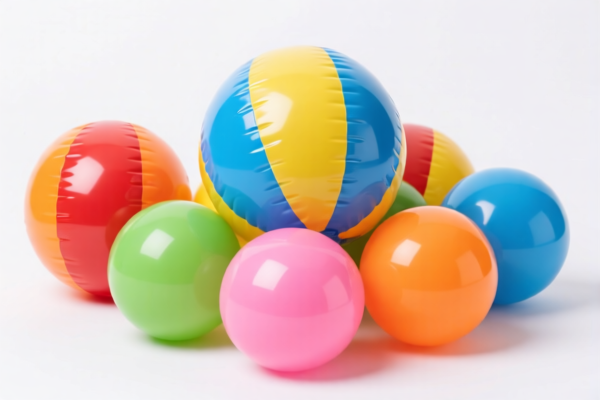
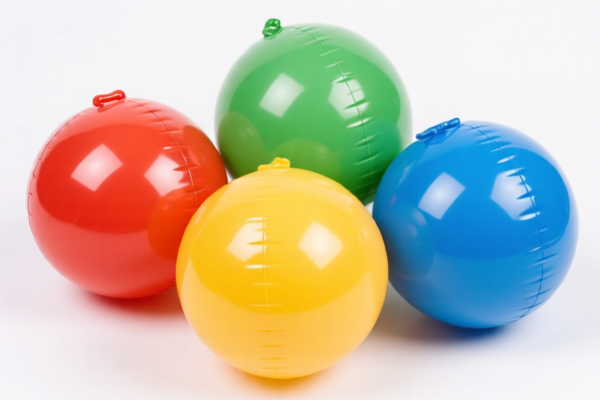
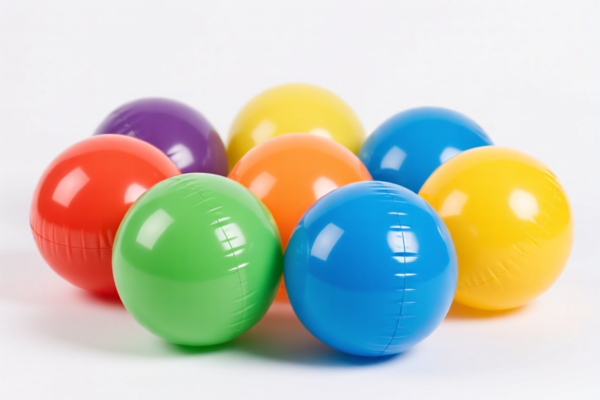
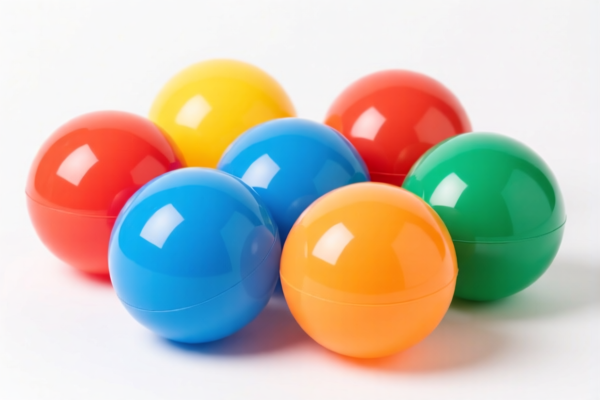
AI Analysis
🧸 Throwing Toy (Foam Blaster / Soft Foam Toy)
🌐 HS Code Reference & Customs Clearance Guide | 2026 Latest Tariff Analysis | Professional Clearance Strategy
📌 I. Product Definition & Classification: Do You Really Understand “Throwing Toys”?
A "Throwing Toy" typically refers to foam-based projectile toys, such as foam dart blasters, soft foam balls, or other recreational projectile devices. In international trade, these items are primarily classified based on their material composition and primary function.
The core debate lies in whether they are classified as Plastic Products (if the material is predominantly plastic/polymer) or Toys (if they fall under general toy categories, including non-rubber or inflatable types).
⚠️ Key Distinction Point:
- If the toy is primarily defined by its material as plastic/polymer and used for decorative or recreational purposes → Chapter 39 (Plastics)
- If the toy is explicitly categorized under General Toys (non-rubber, non-inflatable, or standard toy materials) → Chapter 95 (Toys)
- If the toy is made of vulcanized rubber → Chapter 40 (Rubber)
📦 II. HS Code Classification Details (2026 Latest Tariff Authority Comparison)
| HS Code | Product Description | Application Scenario | Material/Function |
|---|---|---|---|
3926.40.00.90 |
Other articles of plastic | Decorative or recreational items | Plastic/Polymer |
9503.00.00.73 |
Other toys, not elsewhere specified | Non-rubber inflatable or other toy category | Non-rubber/Other Toy Material |
9503.00.00.71 |
Other toys, not elsewhere specified | Standard toy category definition | Regular Toy Material |
4016.99.60.50 |
Other vulcanized rubber articles | Consumer goods | Non-hard rubber/Non-metallic |
4016.99.20.00 |
Other vulcanized rubber articles | Toy category | Synthetic Material |
🔍 Key Reminder:
- Foam Blasters are most commonly classified under Chapter 39 or Chapter 95 depending on the dominant material and design.
- If the toy is made of vulcanized rubber, it falls under Chapter 40, which carries significantly higher tariffs due to material specifics.
- Chapter 95 codes (9503.00.00.71and9503.00.00.73) are generally preferred for standard toys, as they often have lower base tariffs.
💰 III. 2026 Latest Tariff Rate Details (Including Surcharges & Policy Add-ons)
✅ Applicable Country: United States (US)
✅ Origin: China (CN)
✅ Effective Date: 2025/2026 (Current Import Regulations)
🎯 1. 3926.40.00.90 – Plastic Articles (Foam Toy as Plastic Product)
| Item | Content |
|---|---|
| Base Tariff | 5.3% (ad valorem) |
| Section 301 Surcharge | 0.0% |
| Section 122 Tariff | +10.0% |
| Total Tariff | 15.3% |
| Tax Calculation | CIF Value × 15.3% |
| De Minimis Exemption | ❌ Not Eligible (deny_de_minimis) |
| Legal Basis Path | Section 122: 10% → USITC: 3926.40.00.90 → Base Tariff: 5.3% |
📌 Explanation:
- This classification treats the foam toy as a plastic article.
- The Section 122 Tariff of 10% is applied specifically to certain Chinese-origin plastic products.
- Total Tax: 15.3%. This is a moderate tariff but higher than standard toy categories.
🎯 2. 9503.00.00.73 – Other Toys (Non-Rubber Inflatable/Other)
| Item | Content |
|---|---|
| Base Tariff | 0.0% |
| Section 301 Surcharge | 0.0% |
| Section 122 Tariff | +10.0% |
| Total Tariff | 10.0% |
| Tax Calculation | CIF Value × 10.0% |
| De Minimis Exemption | ❌ Not Eligible (deny_de_minimis) |
| Legal Basis Path | Section 122: 10% → USITC: 9503.00.00.73 → Base Tariff: 0.0% |
📌 Note:
- This classification is ideal for toys that do not fit specific rubber or plastic definitions but are clearly toys.
- Total Tax: 10.0%. Lower than the plastic classification, making this a preferred option if the product qualifies.
🎯 3. 9503.00.00.71 – Other Toys (Standard Toy Material)
| Item | Content |
|---|---|
| Base Tariff | 0.0% |
| Section 301 Surcharge | 0.0% |
| Section 122 Tariff | +10.0% |
| Total Tariff | 10.0% |
| Tax Calculation | CIF Value × 10.0% |
| De Minimis Exemption | ❌ Not Eligible (deny_de_minimis) |
| Legal Basis Path | Section 122: 10% → USITC: 9503.00.00.71 → Base Tariff: 0.0% |
📌 Note:
- Similar to9503.00.00.73, this code applies to standard toy materials.
- Total Tax: 10.0%. Same as above, offering a cost-effective clearance path for standard foam toys.
🎯 4. 4016.99.60.50 – Other Vulcanized Rubber Articles
| Item | Content |
|---|---|
| Base Tariff | 2.5% |
| Section 301 Surcharge | +25.0% |
| Section 122 Tariff | +10.0% |
| Total Tariff | 37.5% |
| Tax Calculation | CIF Value × 37.5% |
| De Minimis Exemption | ❌ Not Eligible (deny_de_minimis) |
| Legal Basis Path | Section 301: 25% → Section 122: 10% → USITC: 4016.99.60.50 → Base Tariff: 2.5% |
📌 Warning:
- If the foam toy is mistakenly classified as vulcanized rubber (e.g., certain soft rubber tips), it incurs a Section 301 Surcharge of 25%.
- Total Tax: 37.5%. This is significantly higher and should be avoided unless the material is explicitly rubber.
🎯 5. 4016.99.20.00 – Other Vulcanized Rubber Articles (Toy Category)
| Item | Content |
|---|---|
| Base Tariff | 4.3% |
| Section 301 Surcharge | 0.0% |
| Section 122 Tariff | +10.0% |
| Total Tariff | 14.3% |
| Tax Calculation | CIF Value × 14.3% |
| De Minimis Exemption | ❌ Not Eligible (deny_de_minimis) |
| Legal Basis Path | Section 122: 10% → USITC: 4016.99.20.00 → Base Tariff: 4.3% |
📌 Note:
- This code applies to rubber toys without the Section 301 surcharge.
- Total Tax: 14.3%. Lower than the other rubber classification but still higher than plastic or standard toy classifications.
🛠️ IV. Customs Clearance Practical Advice (Real-World Pitfall Guide)
✅ 1. Preparation Checklist (Essential Documents)
| Document | Required | Description |
|---|---|---|
| ✅ Product Specification Sheet | ✔️ | Include material composition (plastic/rubber/foam), dimensions, and intended use. |
| ✅ Material Safety Data Sheet (MSDS) | ✔️ | Proves the foam is non-toxic and meets safety standards. |
| ✅ Product Photos (Including Labels) | ✔️ | Clear images of the toy, packaging, and any safety warnings. |
| ✅ Third-Party Test Report | ✔️ | CPC (Children’s Product Certificate), ASTM F963, or CPSIA compliance. |
| ✅ Commercial Invoice | ✔️ | Clearly state “Foam Blasting Toy” or “Plastic Toy” – avoid vague terms like “Recreational Item.” |
| ✅ Packing List | ✔️ | Detail contents to avoid misclassification during inspection. |
✅ 2. Declaration Tips (Key Mantras)
🔥 “Material Defines Code, Toy Category Saves Money!”
| Scenario | Correct Declaration | Incorrect Practice |
|---|---|---|
| Foam Toy (Plastic Material) | 3926.40.00.90 (15.3%) |
Misdeclare as 9503.00.00.71 → Audit risk + penalty |
| Standard Foam Toy (Toy Category) | 9503.00.00.71 or 9503.00.00.73 (10.0%) |
Misdeclare as plastic → Unnecessary higher tax |
| Rubber-Tipped Toy | 4016.99.20.00 (14.3%) |
Misdeclare as plastic → High Section 301 risk |
| Mixed Material Toy | Determine dominant material | Vague description → Customs seizure |
✅ 3. Special Cases Handling
| Situation | Recommendation |
|---|---|
| OEM Custom Toys | Provide design drawings + material certifications to avoid misclassification. |
| Toys with Electronic Components | If the toy has a battery or motor, it may fall under Chapter 85 or 90, changing the HS code entirely. |
| Age-Restricted Toys | Ensure CPC compliance is clearly documented to avoid detention by CPSC. |
| Foam Blasters Mimicking Firearms | May trigger additional scrutiny under ATF (Bureau of Alcohol, Tobacco, Firearms and Explosives) regulations. Include safety warnings and orange tips if required. |
🌍 V. Global Market Comparison (2026 Latest)
| Country/Region | Recommended HS Code | Tariff | Certification | Notes |
|---|---|---|---|---|
| 🇺🇸 USA | 9503.00.00.71 / 9503.00.00.73 |
10% (China) | CPC + ASTM F963 | Best option for toys |
| 🇺🇸 USA | 3926.40.00.90 |
15.3% (China) | CPC + ASTM F963 | Higher tax, but valid if plastic-heavy |
| 🇨🇳 China | 9503.00.00.71 |
5% | CCC (if applicable) | Lower domestic tariff |
| 🇪🇺 EU | 9503.00.00.00 |
0% | CE + EN71 | No surcharges |
| 🇦🇺 Australia | 9503.00.00.00 |
5% | GMS | No surcharges |
📌 Conclusion:
- USA is the most complex market due to Section 122 and 301 tariffs.
- Chapter 95 (Toys) offers the lowest tariff (10%) for Chinese-origin foam toys.
- Chapter 39 (Plastics) is a fallback but costs 5.3% more.
- Chapter 40 (Rubber) should be avoided unless necessary, as it carries high risks of Section 301 surcharges.
📌 VI. Common Mistakes & Pitfall Guide (Lessons Learned)
❌ Mistake 1: Classifying a plastic foam toy as a toy (9503.00.00.71) when it should be plastic (3926.40.00.90)
👉 Consequence: Customs audit → Potential penalty + back taxes.
❌ Mistake 2: Classifying a rubber-tipped toy as plastic (3926.40.00.90)
👉 Consequence: Misclassification → 25% Section 301 surcharge applied retroactively.
❌ Mistake 3: Using vague descriptions like “Recreational Item”
👉 Consequence: Customs delays → 30+ days clearance time.
❌ Mistake 4: Ignoring CPC/ASTM F963 compliance for children’s toys
👉 Consequence: CPSC seizure → Product recall + fines.
✅ Correct Approach:
“Foam Blasting Toy, Plastic Material, No Electronic Components, CPC Certified, ASTM F963 Compliant, Model XYZ”
🎯 VII. Conclusion: Precision in Classification Saves Money!
🎯 Remember the Mantra:
🔹 “Toy Category First, Plastic Second, Rubber Last.”
🔹 “10% for Toys, 15.3% for Plastic, 37.5% for Rubber.”
🔹 “HS Code Determines Cost, Declaration Determines Speed.”
📌 Pro Tip:
If your foam toys are original from Vietnam, Mexico, Thailand, or Malaysia, you may qualify for IEEPA exemptions, reducing tariffs to 0%~5%.
Recommendation: Apply for an Advance Ruling from US Customs to secure your HS code and tariff rate before shipment.
📣 Immediate Action:
📞 Contact a professional customs broker + Provide product photos + Apply for HS Code Advance Ruling
🚀 Ensure your foam toys clear customs smoothly, minimize costs, and maximize profits!
✨ Professional Clearance Starts with Accurate Classification!
💼 Every Cent of Your Cost Deserves Precise Calculation!
Customer Reviews
About HS Code Classification
The Harmonized System (HS) is an internationally standardized nomenclature developed by the World Customs Organization (WCO) to classify traded products. Over 200 countries use the HS system as the basis for customs tariffs, trade statistics, and import/export regulations.
Each HS code follows a hierarchical structure:
- Chapter (2 digits) — Broad category of goods (e.g., Chapter 84: Machinery and Mechanical Appliances)
- Heading (4 digits) — More specific grouping within the chapter
- Subheading (6 digits) — Internationally standardized breakdown, used by all WCO member countries
- National subdivisions (8-10 digits) — Country-specific extensions for further classification, such as US HTSUS 10-digit codes
Correct HS code classification is essential for smooth customs clearance, accurate duty payment, and compliance with trade regulations. Misclassification can lead to customs delays, overpayment of duties, or penalties.
When importing from CN to US, the applicable tariff rates may include:
- Most-Favored-Nation (MFN) rate — The standard duty rate applied to WTO members
- General rate — Applied to countries without trade agreements
- Trade remedy duties — Additional tariffs such as Section 301 (anti-dumping), Section 232 (national security), or countervailing duties
The information provided on this page is for reference purposes only. For official classification, please consult with your local customs authority or a licensed customs broker.