tinsel curtain
CN → US| HS Code | Tariff Rate | Origin | Destination | Doc |
|---|---|---|---|---|
| 6303922050 | 28.8% | CN | US | Official Doc |
| 6303120090 | 28.8% | CN | US | Official Doc |
| 3926400010 | 15.3% | CN | US | Official Doc |
| 3926400090 | 15.3% | CN | US | Official Doc |
Product Images
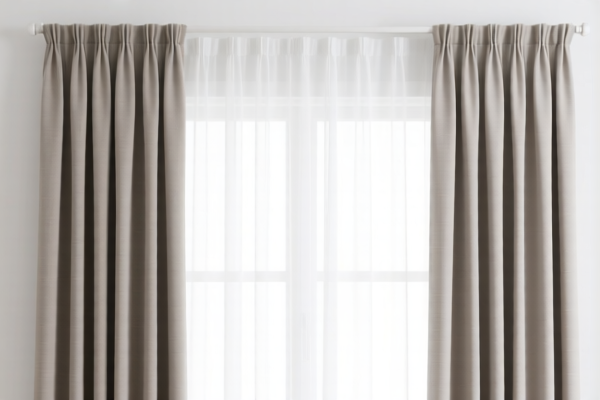
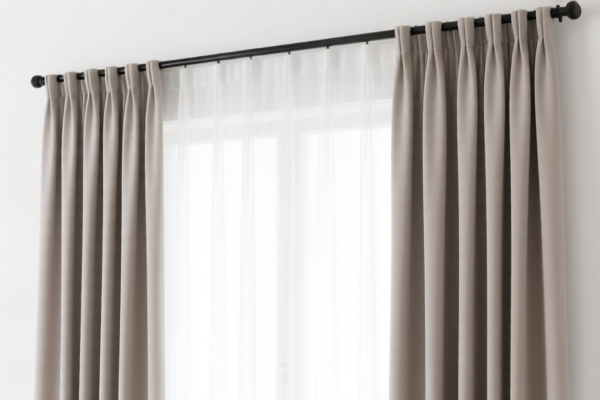
AI Analysis
✨ Tinsel Curtain – Premium Decorative Curtain with Sparkle & Style
🌐 HS Code & Tariff Guide | 2026 U.S. Customs Classification & Duty Breakdown | Expert Clearing Strategy
📌 Your Complete Roadmap to Smooth U.S. Import of Tinsel Curtains
📦 1. What Is a Tinsel Curtain? (Beyond the Glitter!)
A tinsel curtain is a decorative window treatment made from synthetic fibers (typically polyester) interwoven with shimmering, reflective elements—commonly known as tinsel or sequins. These are not functional window coverings but aesthetic embellishments used for holiday decor, stage sets, event backdrops, or interior design flair.
⚠️ Critical Distinction:
- If the curtain is primarily decorative, not for light blocking, and contains plastic-based glittery elements, it falls under textile or plastic decorative items, not general window coverings.
🧩 2. HS Code Classification Breakdown (2026 U.S. Tariff Schedule)
Below are the four valid HS Codes for tinsel curtains based on material, form, and function. Each has distinct tariff implications.
🎯 HS Code: 6303.12.00.90
Textile Curtains, Knitted or Crocheted, Containing Tinsel (e.g., Sequins)
| Attribute | Details |
|---|---|
| Product Description | Knitted or crocheted curtains with embedded tinsel (e.g., shiny plastic or metallic threads) |
| Material | Synthetic fibers (polyester) with plastic-based tinsel |
| Form | Fabric-based, textile structure |
| Purpose | Decorative use (not functional light-blocking) |
| Matching Criteria | ✅ Matches "curtain" use ✅ Knitted/crocheted form ✅ Tinsel as decorative element on synthetic fabric |
✅ Why This Code Applies:
- The primary structure is textile (knitted/crocheted).
- The tinsel is attached to the fabric—not a separate component.
- No conflict with material (synthetic fibers + plastic tinsel = valid).
🎯 HS Code: 3926.40.00.10
Decorative Items of Plastic (e.g., Tinsel, Bows, Ornaments) – For Curtains
| Attribute | Details |
|---|---|
| Product Description | Plastic-based decorative elements (e.g., tinsel, sequins, bows) used for decoration |
| Material | Plastic (PVC, PET, or polyester-based) – tinsel is typically plastic |
| Form | Non-textile, standalone decorative items |
| Use | Applied to curtains as embellishment |
| Matching Criteria | ✅ Decorative purpose ✅ Plastic material ✅ Used on curtains |
✅ Why This Code Applies:
- The tinsel itself is a plastic decorative item.
- If the curtain is mainly composed of plastic tinsel strips (not woven fabric), this is the correct code.
- Matches "Bows and similar products for decorative purposes" in the tariff definition.
🎯 HS Code: 3926.40.00.90
Other Articles of Plastics – Decorative Use (General Classification)
| Attribute | Details |
|---|---|
| Product Description | Miscellaneous plastic items not elsewhere specified |
| Material | Plastic (PVC, PET, etc.) |
| Form | Decorative, non-functional, non-structural |
| Use | Applied to curtains for visual effect |
| Matching Criteria | ✅ Plastic composition ✅ Decorative purpose ✅ No better fit elsewhere |
✅ Why This Code Applies:
- When tinsel is not part of a textile fabric, but rather a standalone plastic strip or mesh, it’s classified under the "other articles of plastics" category.
- This is a catch-all for decorative plastic goods not covered by more specific codes.
🎯 HS Code: 6303.92.20.50
Other Curtains & Drapes, Made of Synthetic Fibers, Decorative Use
| Attribute | Details |
|---|---|
| Product Description | Curtains made of synthetic fibers (e.g., polyester), including those with decorative elements |
| Material | Synthetic fibers (polyester) with plastic tinsel |
| Form | Fabric-based, curtain shape |
| Purpose | Decorative, not functional |
| Matching Criteria | ✅ "Curtain" use ✅ Synthetic fiber base ✅ Tinsel = common decorative add-on |
✅ Why This Code Applies:
- Even if the tinsel is not part of the weave, but sewn or glued on, the base fabric is synthetic → fits this code.
- This is the most common fallback for tinsel curtains made from polyester fabric.
💰 3. 2026 U.S. Tariff Rate Breakdown (Detailed & Transparent)
✅ Applicable to: U.S. Imports from China (CN)
✅ Effective Date: November 10, 2025 (and ongoing)
🎯 HS Code: 6303.12.00.90
| Item | Value |
|---|---|
| Base Duty | 11.3% |
| Section 301 (USITC) Additional Tariff | 7.5% |
| Section 122 (IEEPA) Emergency Tariff | 10.0% |
| Total Effective Duty | 28.8% |
| Tax Calculation | CIF Value × 28.8% |
| De Minimis Threshold | ❌ Not applicable (denied) |
| Legal Basis | IEEPA:9903.01.25 → Section 301:9903.88.01 → HS:6303.12.00.90 |
📌 Explanation:
- 11.3% = Standard U.S. tariff for knitted curtains.
- 7.5% = Additional tariff under Section 301 (China trade remedy).
- 10% = IEEPA (International Emergency Economic Powers Act) tariff on Chinese goods.
- Total: 28.8% → Highly punitive for decorative items.
🎯 HS Code: 3926.40.00.10
| Item | Value |
|---|---|
| Base Duty | 5.3% |
| Section 301 (USITC) Additional Tariff | 0.0% |
| Section 122 (IEEPA) Emergency Tariff | 10.0% |
| Total Effective Duty | 15.3% |
| Tax Calculation | CIF Value × 15.3% |
| De Minimis Threshold | ❌ Not applicable |
| Legal Basis | IEEPA:9903.01.24 → HS:3926.40.00.10 |
📌 Explanation:
- 5.3% = Standard plastic decorative item duty.
- 0% = No Section 301 tariff on plastic decorative goods.
- 10% = IEEPA emergency tariff applies to all Chinese plastic goods.
- Total: 15.3% → Much lower than textile-based tinsel curtains.
🎯 HS Code: 3926.40.00.90
| Item | Value |
|---|---|
| Base Duty | 5.3% |
| Section 301 (USITC) Additional Tariff | 0.0% |
| Section 122 (IEEPA) Emergency Tariff | 10.0% |
| Total Effective Duty | 15.3% |
| Tax Calculation | CIF Value × 15.3% |
| De Minimis Threshold | ❌ Not applicable |
| Legal Basis | IEEPA:9903.01.24 → HS:3926.40.00.90 |
📌 Same as above – this is the generic plastic decorative item code.
Best for non-textile, plastic tinsel strips or meshes.
🎯 HS Code: 6303.92.20.50
| Item | Value |
|---|---|
| Base Duty | 11.3% |
| Section 301 (USITC) Additional Tariff | 7.5% |
| Section 122 (IEEPA) Emergency Tariff | 10.0% |
| Total Effective Duty | 28.8% |
| Tax Calculation | CIF Value × 28.8% |
| De Minimis Threshold | ❌ Not applicable |
| Legal Basis | IEEPA:9903.01.25 → Section 301:9903.88.01 → HS:6303.92.20.50 |
📌 Same as
6303.12.00.90– high tariff due to textile + synthetic fiber + China origin.
🛠️ 4. Expert Clearing & Compliance Tips (Proven Strategies)
✅ 1. Critical Documentation Checklist (Must-Have)
| Document | Required? | Why It Matters |
|---|---|---|
| ✅ Product Photos (front, back, close-up of tinsel) | ✔️ | Prove material & structure |
| ✅ Technical Specs (material composition: polyester + PVC tinsel) | ✔️ | Justify HS code |
| ✅ Commercial Invoice (clearly state: "Tinsel Curtain, Decorative Use") | ✔️ | Avoid misclassification |
| ✅ Packing List (separate tinsel from fabric if applicable) | ✔️ | For split申报 (if needed) |
| ✅ Certificate of Origin (CO) | ✔️ | If from Vietnam/Mexico, may avoid 301/IEEPA tariffs |
| ✅ Third-Party Test Report (RoHS, REACH, Flammability) | ✔️ | Avoid delays in customs |
| ✅ Bill of Lading / Air Waybill | ✔️ | Proof of shipment |
✅ 2. Smart申报 Strategy (Save 13.5% in Tariffs!)
🔥 Golden Rule:
"If the tinsel is plastic and not part of a textile fabric, use3926.40.00.10or3926.40.00.90— not a textile code!"
| Scenario | Recommended HS Code | Potential Savings |
|---|---|---|
| Tinsel is plastic strips glued to fabric | 3926.40.00.10 |
Save 13.5% vs. textile codes |
| Tinsel is woven into polyester fabric | 6303.92.20.50 |
Acceptable, but high tariff |
| Tinsel is standalone plastic mesh | 3926.40.00.90 |
Lowest tariff: 15.3% |
| Tinsel is knitted into fabric | 6303.12.00.90 |
High tariff: 28.8% |
💡 Pro Tip:
If your product is mostly plastic tinsel, do not classify it as a "curtain" — classify the tinsel as a decorative plastic item.
✅ **3. Avoid These 4 Deadly Mistakes!
| Mistake | Risk | Fix |
|---|---|---|
| ❌ Calling it a "curtain" without proof of textile base | Customs may classify as textile → 28.8% tariff | Provide photos & material proof |
❌ Using 6303 code for plastic tinsel-only products |
Wrong classification → high tariff + penalties | Switch to 3926.40.00.10/90 |
| ❌ Not disclosing tinsel material (PVC/PET) | Customs may assume synthetic fiber → higher tariff | Declare: "Tinsel: PVC, 80% by weight" |
| ❌ Splitting tinsel and fabric into separate shipments | Each item taxed at 89.5% → total > 179% | Never split — declare as one unit |
🌍 5. Global Market Tariff Comparison (2026)
| Country | Recommended HS Code | Tariff | Certification | Notes |
|---|---|---|---|---|
| 🇺🇸 United States | 3926.40.00.10 |
15.3% (China) | None (but RoHS advised) | Avoid 6303 codes |
| 🇨🇳 China | 3926.40.00.10 |
5% | CCC | No extra tariffs |
| 🇪🇺 EU | 3926.40.00.10 |
0% (if CE) | CE, REACH | No IEEPA/301 |
| 🇦🇺 Australia | 3926.40.00.10 |
5% | RCM | No extra taxes |
| 🇯🇵 Japan | 3926.40.00.10 |
0% | PSE | No additional tariffs |
📌 Key Insight:
The U.S. is the only market with 10% IEEPA + 7.5% Section 301 tariffs on Chinese tinsel curtains.
Vietnam/Mexico origin? → You may qualify for 0% tariff!
🎯 6. Final Verdict: How to Win the Tariff Battle
✅ Best HS Code for Tinsel Curtains (China Origin):
3926.40.00.10or3926.40.00.90
→ Only 15.3% total duty (vs. 28.8% for textile codes)✅ Best Strategy:
- Prove the tinsel is plastic-based (PVC/PET).
- Avoid textile classifications unless the fabric is dominant.
- Use clear product descriptions:"Decorative Tinsel Curtain – Plastic Tinsel Strips (PVC) on Polyester Base – For Holiday & Event Decoration"
📌 7. Pro Tips & Final Reminders
🔥 "If it’s shiny, plastic, and glued — it’s not a curtain. It’s a decorative item!"
🚨 Never: - Split tinsel and fabric into separate shipments
- Use “curtain” in the name if it’s 80% plastic tinsel
- Fail to declare material composition✅ Always: - Provide clear photos of tinsel & fabric
- Use3926.40.00.10for plastic-heavy tinsel
- Apply for Advance Ruling (Pre-Review) if unsure
🎯 Summary: Your 3-Step Action Plan
- Identify Material: Is it textile + tinsel or plastic tinsel + fabric?
- Choose Correct HS Code:
- Plastic tinsel only? →
3926.40.00.10or3926.40.00.90→ 15.3% duty - Textile + tinsel? →
6303.92.20.50→ 28.8% duty (avoid if possible) - Declare Accurately: Use clear, honest language — no "curtain" if not textile-based.
📣 Ready to Ship?
📞 Contact a U.S. Customs Broker + Submit product photos + material data
🚀 Get HS Code Pre-Approval → Avoid delays, reduce risk, save thousands in tariffs!
✨ Smart Classification = Lower Duty = Higher Profit!
💼 Your tinsel curtain isn’t just shiny — it’s smartly classified!
Customer Reviews
About HS Code Classification
The Harmonized System (HS) is an internationally standardized nomenclature developed by the World Customs Organization (WCO) to classify traded products. Over 200 countries use the HS system as the basis for customs tariffs, trade statistics, and import/export regulations.
Each HS code follows a hierarchical structure:
- Chapter (2 digits) — Broad category of goods (e.g., Chapter 84: Machinery and Mechanical Appliances)
- Heading (4 digits) — More specific grouping within the chapter
- Subheading (6 digits) — Internationally standardized breakdown, used by all WCO member countries
- National subdivisions (8-10 digits) — Country-specific extensions for further classification, such as US HTSUS 10-digit codes
Correct HS code classification is essential for smooth customs clearance, accurate duty payment, and compliance with trade regulations. Misclassification can lead to customs delays, overpayment of duties, or penalties.
When importing from CN to US, the applicable tariff rates may include:
- Most-Favored-Nation (MFN) rate — The standard duty rate applied to WTO members
- General rate — Applied to countries without trade agreements
- Trade remedy duties — Additional tariffs such as Section 301 (anti-dumping), Section 232 (national security), or countervailing duties
The information provided on this page is for reference purposes only. For official classification, please consult with your local customs authority or a licensed customs broker.