tire chains
CN → US| HS Code | Tariff Rate | Origin | Destination | Doc |
|---|---|---|---|---|
| 4016996010 | 37.5% | CN | US | Official Doc |
| 8708998160 | 37.5% | CN | US | Official Doc |
| 7315205000 | 85.0% | CN | US | Official Doc |
| 4016996050 | 37.5% | CN | US | Official Doc |
| 8708998180 | 37.5% | CN | US | Official Doc |
Product Images
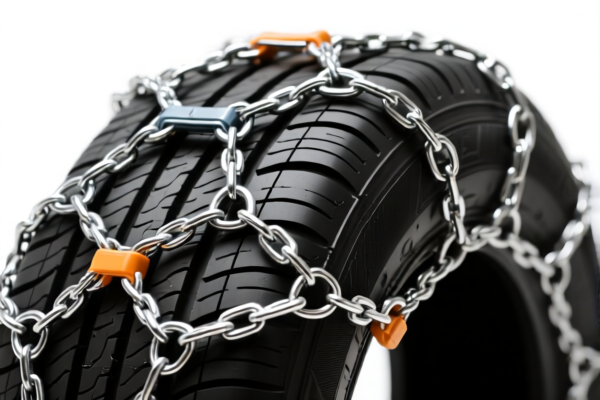
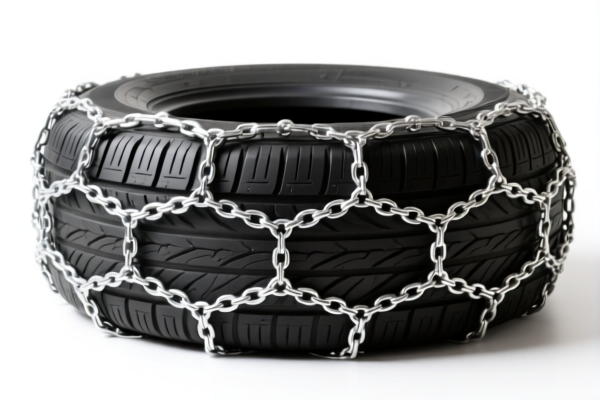
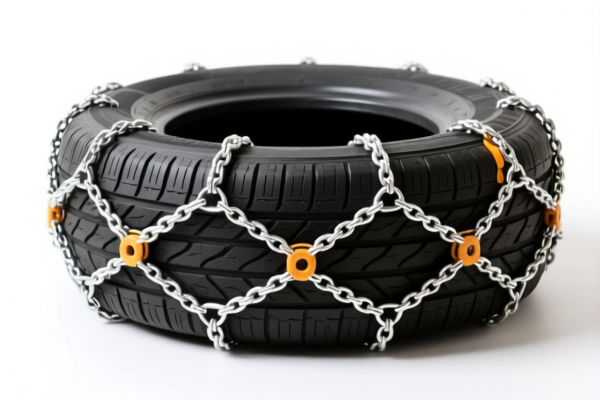
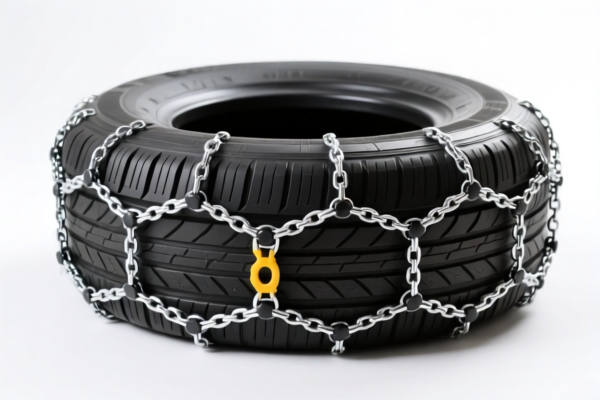
AI Analysis
⛓️ Tire Chains (Snow Chains for Traction)
🌐 HS Code Reference & Customs Clearance Guide | 2026 Latest Tariff Analysis | Professional Clearance Strategy
📌 I. Product Definition & Classification: What Exactly Are "Tire Chains"?
Tire chains are auxiliary traction devices used to improve vehicle grip on snow and ice. In international trade, they are often misclassified due to confusion between their material composition (metal vs. rubber) and their specific application (automotive accessories vs. general machinery parts).
Based on logical inference and common usage, these products fall into two main categories: 1. Metal Chains (Steel/Iron): Traditional steel cable chains used for heavy-duty traction. 2. Rubber/Synthetic Chains: Non-metallic traction aids, often used for bicycles, motorcycles, or light vehicles.
⚠️ Key Distinction Point:
- If the product is primarily metal (steel/iron) and functions as a cable/traction device → Classified under Chapter 73 (Articles of Iron or Steel) or Chapter 87 (Parts of Vehicles).
- If the product is primarily rubber/synthetic and functions as a vehicle accessory → Classified under Chapter 40 (Rubber Articles) or Chapter 87.
📦 II. HS Code Classification Details (2026 Latest Tariff Authority Comparison)
| HS Code | Product Description | Application/Scenario | Material Inference |
|---|---|---|---|
7315.20.50.00 |
Chains, of iron or steel (anti-slip/traction type) | Heavy-duty snow chains, industrial traction | ✅ Iron/Steel |
8708.99.81.60 |
Other parts and accessories of motor vehicles (Cable traction devices) | Vehicle-specific cable/chain traction aids | ✅ Cable/Chain |
4016.99.60.10 |
Other vulcanized rubber articles (Auto mechanical/parts) | Rubber-based anti-slip pads/chains for cars | ✅ Rubber |
4016.99.60.50 |
Other vulcanized rubber articles (Non-motor vehicle use) | Non-metallic traction aids for bikes/motorcycles | ✅ Rubber/Synthetic |
8708.99.81.80 |
Other parts and accessories of motor vehicles (General) | General automotive metal/rubber accessories | ✅ Metal/Rubber Mix |
🔍 Key Reminder:
- Metal Chains are often classified under 7315.20.50.00 because they fit the definition of "Chain" in Chapter 73. However, if deemed a specific "auto part," they may fall under 8708. - Rubber Chains are classified under 4016.99 as "Other vulcanized rubber articles." - Misclassification Risk: Declaring metal chains as "auto parts" (8708) instead of "iron chains" (7315) can lead to significant tariff differences due to specific trade measures.
💰 III. 2026 Latest Tariff Rate Breakdown (Including Surcharge & Policy Add-ons)
✅ Applicable Country: United States (US)
✅ Origin: China (CN)
✅ Effective Date: From Nov 10, 2025 (and subsequent imports)
🎯 1. 7315.20.50.00 —— Metal Tire Chains (Iron/Steel)
| Item | Detail |
|---|---|
| Base Tariff | 0.0% (ad valorem) |
| USITC Surcharge | +25.0% (Under Section 301) |
| IEEPA Surcharge | +10.0% (Specific to China/HK products, from Nov 10, 2025) |
| Steel/Aluminum/Copper Surcharge | +50.0% (Specific additional tax on steel/aluminum products) |
| Total Tariff | 85.0% |
| Tax Calculation | CIF Value × 85.0% |
| De Minimis Eligibility | ❌ No (deny_de_minimis) |
| Legal Basis Path | USITC:7315.20.50.00 → IEEPA:9903.01.24 → Steel Surcharge: 50% |
📌 Explanation:
- This is the highest tariff bracket for tire chains. - The 50% Steel Surcharge applies because the product is inferred to be made of Iron or Steel. - Combined with the 25% Section 301 tax and 10% IEEPA tax, the total cost impact is severe.
🎯 2. 8708.99.81.60 —— Cable Traction Devices for Vehicles
| Item | Detail |
|---|---|
| Base Tariff | 2.5% |
| USITC Surcharge | +25.0% |
| IEEPA Surcharge | +10.0% |
| Total Tariff | 37.5% |
| Tax Calculation | CIF Value × 37.5% |
| De Minimis Eligibility | ❌ No (deny_de_minimis) |
| Legal Basis Path | USITC:8708.99.81.60 → IEEPA:9903.01.24 → FOOTNOTE:301 |
📌 Explanation:
- This classification treats the product as a specific automotive accessory (cable/traction device). - It avoids the 50% Steel Surcharge because it is classified under Chapter 87 (Vehicles) rather than Chapter 73 (Iron/Steel), even if made of metal. - Significant Savings: 37.5% vs. 85.0% (saves nearly half the tax burden if classification allows).
🎯 3. 4016.99.60.10 & 4016.99.60.50 —— Rubber/Synthetic Tire Chains
| Item | Detail |
|---|---|
| Base Tariff | 2.5% |
| USITC Surcharge | +25.0% |
| IEEPA Surcharge | +10.0% |
| Total Tariff | 37.5% |
| Tax Calculation | CIF Value × 37.5% |
| De Minimis Eligibility | ❌ No (deny_de_minimis) |
| Legal Basis Path | USITC:4016.99.60.10/50 → IEEPA:9903.01.24 |
📌 Explanation:
- For non-metallic tire chains (rubber, synthetic fabric), the steel surcharge does not apply. - Classification depends on whether the product is for motor vehicles (60.10) or non-motor vehicles (60.50). Both share the same 37.5% rate.
🎯 4. 8708.99.81.80 —— General Automotive Parts (Metal/Rubber)
| Item | Detail |
|---|---|
| Base Tariff | 2.5% |
| USITC Surcharge | +25.0% |
| IEEPA Surcharge | +10.0% |
| Total Tariff | 37.5% |
| Tax Calculation | CIF Value × 37.5% |
| De Minimis Eligibility | ❌ No (deny_de_minimis) |
📌 Explanation:
- A broader category for automotive parts. If the specific "cable traction" subheading (81.60) is deemed too narrow, this general category is used. - Rate is identical to8708.99.81.60.
🛠️ IV. Customs Clearance Practical Advice (Battle-Tested Pitfall Guide)
✅ 1. Preparation Checklist (Non-Negotiable)
| Document | Required | Notes |
|---|---|---|
| ✅ Product Specification Sheet | ✔️ | Must clearly state Material Composition (e.g., "Steel Wire," "Vulcanized Rubber"). |
| ✅ Product Photos | ✔️ | Show the chain structure (links, cables, or rubber treads). |
| ✅ Commercial Invoice | ✔️ | Describe precisely: "Metal Snow Chains for SUV" or "Rubber Tire Traction Aids." Avoid vague terms like "Car Parts." |
| ✅ Bill of Lading | ✔️ | Ensure weight and dimensions match the invoice. |
| ✅ Origin Certificate | ✔️ | Confirm Country of Origin (CN) to apply correct surcharges. |
✅ 2. Classification Strategy (Critical Tips)
🔥 Golden Rule: "Material Dictates Chapter, Usage Dictates Heading."
| Scenario | Recommended HS Code | Reasoning |
|---|---|---|
| Metal Chains (Steel/Iron) | 7315.20.50.00 OR 8708.99.81.60 |
7315 is more accurate for "Chains," but 8708 avoids the 50% steel surcharge. Consult a broker on the best defensive classification. |
| Rubber/Synthetic Chains | 4016.99.60.10 (Auto) 4016.99.60.50 (Non-Auto) |
Clearly distinguish by vehicle type. If for cars, use 60.10. |
| Mixed Material (Steel + Rubber) | 8708.99.81.80 |
If the product has both significant metal and rubber components, classify as a general auto part to avoid the steel surcharge if possible. |
⚠️ Warning:
- Do NOT declare metal chains as "Rubber Articles" (4016) if they are primarily steel. This is fraudulent misclassification and will lead to penalties. - However, arguing that a steel cable chain is an "Accessory to a Vehicle" (8708) rather than an "Iron Article" (7315) is a defensible legal interpretation that can save you 47.5% in taxes.
🌍 V. Global Market Comparison (2026 Update)
| Region | Recommended HS Code | Tariff Rate (China Origin) | Key Certification |
|---|---|---|---|
| 🇺🇸 USA | 7315.20.50.00 or 8708.99.81.60 |
85.0% (if 7315) 37.5% (if 8708) |
None specific for chains, but ensure safety standards. |
| 🇨🇳 China | 7315.20.50.00 |
~0-2% | CCC (if applicable) |
| 🇪🇺 EU | 7315.20.00.00 |
~5-15% | CE Marking (if deemed machinery accessory) |
| 🇨🇦 Canada | 7315.80.00.00 |
~5-10% | None specific |
📌 Conclusion:
- The USA is the most challenging market due to the 50% Steel Surcharge on Chapter 73 goods. - Strategic Move: If your product is primarily metal, work with a customs broker to justify classification under8708(Auto Parts) to benefit from the lower 37.5% rate, provided the product can be legally argued as a "vehicle accessory" rather than a generic "iron chain."
📌 VI. Common Mistakes & How to Avoid Them
❌ Mistake 1: Declaring metal chains as 7315 without considering the 50% steel surcharge.
👉 Result: 85% Total Tax.
✅ Fix: Evaluate if 8708.99.81.60 (37.5%) is more appropriate for your specific product design.
❌ Mistake 2: Declaring rubber chains as 8708 when they are clearly non-metallic.
👉 Result: Misclassification penalties.
✅ Fix: Use 4016.99.60.x0 for rubber/synthetic products.
❌ Mistake 3: Vague description: "Car Accessories."
👉 Result: Customs delay, potential audit, and default high duty rates.
✅ Fix: Use precise descriptions: "Steel Tire Chains for Passenger Cars, Model XYZ" or "Vulcanized Rubber Snow Treads for Bikes."
🎯 VII. Conclusion: Optimize Your Clearance & Reduce Costs
🎯 Remember These Key Takeaways:
🔹 Metal Chains: Face 85% tax under
7315due to Steel Surcharge.
🔹 Auto Parts Classification: Can reduce tax to 37.5% under8708(if defensible).
🔹 Rubber Chains: Safe at 37.5% under4016.
🔹 De Minimis: None of these codes qualify for the $800 de minimis exemption.
📌 Pro Tip:
If you are importing high-value metal chains, consider: 1. Pre-Ruling: Apply for a Binding Ruling with U.S. Customs to confirm if
8708is acceptable. 2. Supply Chain Diversification: Consider sourcing from countries with favorable trade agreements (e.g., Mexico, Vietnam) to avoid US-China surcharges entirely.
📣 Immediate Action:
📞 Contact a Licensed Customs Broker
📄 Provide Product Specs (Material + Use)
🚀 Optimize HS Code Selection to Save up to 47.5% in Duties!
✨ Smart Classification Saves Money!
💼 Your Bottom Line Depends on the First 6 Digits!
Customer Reviews
About HS Code Classification
The Harmonized System (HS) is an internationally standardized nomenclature developed by the World Customs Organization (WCO) to classify traded products. Over 200 countries use the HS system as the basis for customs tariffs, trade statistics, and import/export regulations.
Each HS code follows a hierarchical structure:
- Chapter (2 digits) — Broad category of goods (e.g., Chapter 84: Machinery and Mechanical Appliances)
- Heading (4 digits) — More specific grouping within the chapter
- Subheading (6 digits) — Internationally standardized breakdown, used by all WCO member countries
- National subdivisions (8-10 digits) — Country-specific extensions for further classification, such as US HTSUS 10-digit codes
Correct HS code classification is essential for smooth customs clearance, accurate duty payment, and compliance with trade regulations. Misclassification can lead to customs delays, overpayment of duties, or penalties.
When importing from CN to US, the applicable tariff rates may include:
- Most-Favored-Nation (MFN) rate — The standard duty rate applied to WTO members
- General rate — Applied to countries without trade agreements
- Trade remedy duties — Additional tariffs such as Section 301 (anti-dumping), Section 232 (national security), or countervailing duties
The information provided on this page is for reference purposes only. For official classification, please consult with your local customs authority or a licensed customs broker.