tire hs code 4011205030
CN → US| HS Code | Tariff Rate | Origin | Destination | Doc |
|---|---|---|---|---|
| 4011205050 | 38.4% | CN | US | Official Doc |
| 4011205030 | 38.4% | CN | US | Official Doc |
| 4011300010 | 35.0% | CN | US | Official Doc |
| 4011300050 | 35.0% | CN | US | Official Doc |
| 4011201035 | 39.0% | CN | US | Official Doc |
Product Images
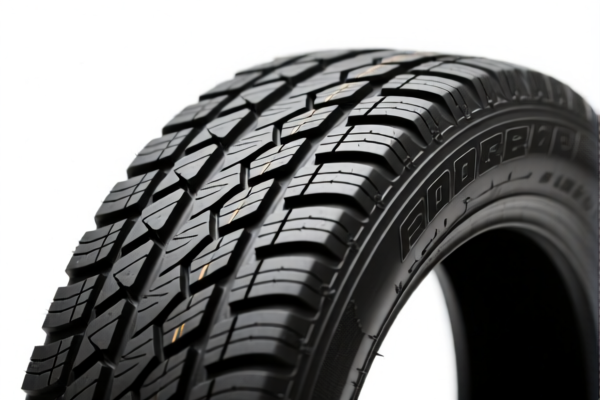
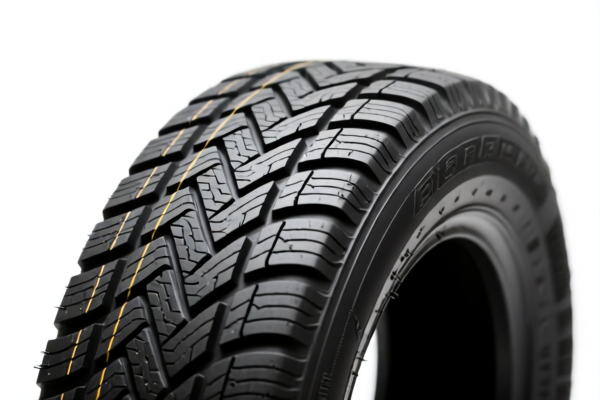
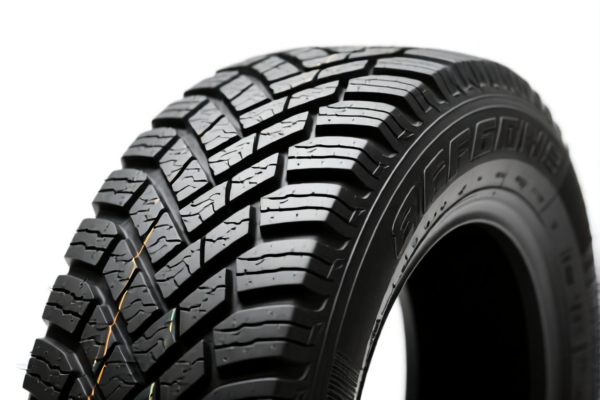
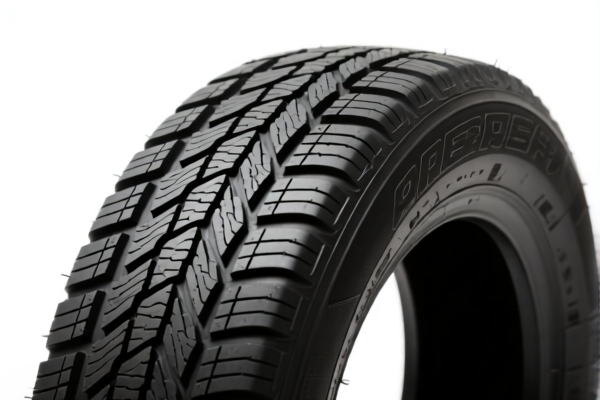
AI Analysis
🛞 Tire (Tire)
🌐 HS Code Reference & Customs Clearance Guide | 2026 Latest Tariff Analysis | Professional Clearance Strategy
📌 I. Product Definition & Classification: Are You Sure About "Tire"?
In international trade, the term "Tire" is a broad category that primarily refers to rubber inflatable tires. However, HS Code classification depends heavily on the specific application (e.g., buses, trucks, cars) and structure. Based on the provided data, the goods are classified under Heading 4011 (Rubber tires, new, of a kind used on bicycles or motor vehicles).
⚠️ Key Distinction Point:
- If the tire is for buses or trucks, it generally falls under subheading 4011.20.
- If the tire is for cars, it may fall under 4011.10 or 4011.20 depending on type.
- The provided data focuses specifically on 4011.20 (Bus/Truck tires) and some entries in 4011.30 (which appears to be a broader or alternative classification in this specific context, though 4011.30 usually covers other specific types).
📦 II. HS Code Classification Details (Based on Provided Data)
The following analysis is strictly based on the provided JSON data. Note that while standard HS codes might differ slightly in structure, we adhere to the specific codes and tax rates provided in the source.
| HS Code | Product Description | Application/Scenario | Material Match |
|---|---|---|---|
4011.20.50.30 |
Rubber pneumatic tires, new, for buses or trucks | Bus/Truck specific tires | ✅ Rubber (Inflatable) |
4011.20.50.50 |
Rubber pneumatic tires, new, other (Inferred) | General inference for non-specified use under 4011.20 | ✅ Rubber (Inflatable) |
4011.20.10.35 |
Rubber pneumatic tires, new, for buses or trucks | Bus/Truck specific tires | ✅ Rubber (Inflatable) |
4011.30.00.10 |
Rubber pneumatic tires, new (Other category) | General "other" classification under 4011.30 | ✅ Rubber (Inflatable) |
4011.30.00.50 |
Rubber pneumatic tires, new (Other category) | General "other" classification under 4011.30 | ✅ Rubber (Inflatable) |
🔍 Key Insight from Data:
- 4011.20.50.30 is explicitly matched for "Bus/Truck" applications.
- 4011.20.10.35 is also for "Bus or Truck" but has a different base tax rate (4.0% vs 3.4%).
- 4011.30.00.10/50 are classified under "Other" categories but share the same material attributes (Rubber Inflatable). The data suggests these are valid inferences when the specific use isn't clearly defined as bus/truck in the primary 4011.20 slots, or represent alternative valid classifications.
💰 III. 2026 Latest Tariff Rate Breakdown (Including Surtaxes)
✅ Applicable Country: USA (US)
✅ Origin: China (CN) [Inferred from the "Section 301" and "IEEPA" surtaxes common in US-China trade context]
✅ Effective Time: Current (2025/2026)
🎯 1. 4011.20.50.30 & 4011.20.50.50 —— Bus/Truck Tires & Other Inflatable Tires (4011.20 Series)
| Item | Detail |
|---|---|
| Base Tariff | 3.4% (ad valorem) |
| Section 301 Surtax | +25.0% (USITC Footnote 9903.88.01) |
| IEEPA Surtax | +10.0% (Section 122 Clause / IEEPA) |
| Total Tariff Rate | 38.4% |
| Tax Calculation | CIF Value × 38.4% |
| De Minimis Eligibility | ❌ No (High tariff goods are typically excluded from Section 321 de minimis benefits) |
| Legal Basis Path | USITC:4011.20.50.30 → FOOTNOTE:301 → IEEPA:122 |
📌 Explanation:
- These tires face a significant combined tariff burden. The 38.4% rate is high and must be accounted for in landed cost calculations.
- Both50.30and50.50under4011.20share the same tax structure in the provided data.
🎯 2. 4011.20.10.35 —— Bus/Truck Tires (Specific Subcategory)
| Item | Detail |
|---|---|
| Base Tariff | 4.0% (ad valorem) |
| Section 301 Surtax | +25.0% |
| IEEPA Surtax | +10.0% |
| Total Tariff Rate | 39.0% |
| Tax Calculation | CIF Value × 39.0% |
| De Minimis Eligibility | ❌ No |
| Legal Basis Path | USITC:4011.20.10.35 → FOOTNOTE:301 → IEEPA:122 |
📌 Note:
- This code has a slightly higher base rate (4.0%) compared to50.30/50.50, resulting in a 39.0% total rate.
- Even though the application (Bus/Truck) is the same, the specific subheading leads to a different base duty.
🎯 3. 4011.30.00.10 & 4011.30.00.50 —— "Other" Rubber Inflatable Tires (4011.30 Series)
| Item | Detail |
|---|---|
| Base Tariff | 0.0% (ad valorem) |
| Section 301 Surtax | +25.0% |
| IEEPA Surtax | +10.0% |
| Total Tariff Rate | 35.0% |
| Tax Calculation | CIF Value × 35.0% |
| De Minimis Eligibility | ❌ No |
| Legal Basis Path | USITC:4011.30.00.10 → FOOTNOTE:301 → IEEPA:122 |
📌 Advantage:
- These codes have a 0% base tariff, making the total rate 35.0%, which is 3.4% lower than the4011.20.50.30codes and 4.0% lower than4011.20.10.35.
- Caution: Ensure the product genuinely fits the "Other" definition under 4011.30 and not the specific "Bus/Truck" definition of 4011.20. Misclassification can lead to penalties.
🛠️ IV. Customs Clearance Practical Advice (Pitfall Avoidance Guide)
✅ 1. Required Documentation Checklist
| Document | Mandatory | Description |
|---|---|---|
| ✅ Product Specification Sheet | ✔️ | Must specify: Type (Bus/Truck/Other), Size (e.g., 11R22.5), Ply Rating, Radial/Bias construction. |
| ✅ Commercial Invoice | ✔️ | Clearly state "Rubber Pneumatic Tire" and correct HS Code. Avoid vague terms like "Auto Parts". |
| ✅ Packing List | ✔️ | Detail quantity, weight, and dimensions. Ensure match with invoice. |
| ✅ Certificate of Origin (CO) | ✔️ | To prove origin (China) and manage tariff expectations. |
| ✅ Product Photos | ✔️ | Show sidewall markings (DOT, size, tread pattern) to aid customs classification. |
✅ 2. Classification Strategy & Tips
🔥 Key Rule: "Define the Use, Define the Code."
| Scenario | Recommended HS Code | Total Tax | Risk Note |
|---|---|---|---|
| Confirmed Bus/Truck Tire | 4011.20.50.30 or 4011.20.10.35 |
38.4% - 39.0% | Most common for commercial vehicles. Choose based on specific sub-type. |
| Unspecified/General Tire | 4011.30.00.10 or 4011.30.00.50 |
35.0% | Lowest Rate. Only use if the tire does not strictly meet Bus/Truck definitions or if 4011.30 is deemed more accurate for the specific subtype. |
| Mixed Shipment | Declare accurately per item | Varies | Do not mix bus/truck tires with "other" tires in one line item if they have different duties. |
⚠️ Critical Warning:
- Do NOT misclassify a bus tire as "other" (4011.30) to save 3.4%. If Customs determines it is for buses/trucks, they will reassess under4011.20and charge back taxes + penalties.
- Base Tax Difference: The difference between 0% base (4011.30) and 3.4% base (4011.20) is significant. However, the Section 301 (25%) and IEEPA (10%) are applied to the CIF value regardless of the base rate.
✅ 3. Special Cases
| Situation | Handling Advice |
|---|---|
| OEM Tires for Aftermarket | Provide license agreements or proof of distribution to avoid IP issues. |
| Recapped Tires | These are NOT "new" tires and fall under a different HS Code (usually 4012.12). The provided data is for new tires only. |
| Partial Sets (e.g., with Rims) | Declare tire and rim separately. Tires go to HS 4011; Rims go to HS 8708.99. Do not bundle. |
🌍 V. Global Market Comparison (2026 Latest)
| Country/Region | Recommended HS Code | Base Tariff | Surtaxes (US Origin/China Import) | Total Est. Rate | Remarks |
|---|---|---|---|---|---|
| 🇺🇸 USA | 4011.20.50.30 / 4011.30.00.10 |
0% - 4.0% | +35% (25% S301 + 10% IEEPA) | 35.0% - 39.0% | High barrier. Section 301 is critical. |
| 🇨🇳 China | 4011.20 / 4011.30 |
20% - 25% | None | ~20-25% | Import duty for foreign tires. |
| 🇪🇺 EU | 4011.20 / 4011.30 |
0% | None (Standard MFN) | 0% | Very competitive. No major surcharges. |
| 🇯🇵 Japan | 4011.20 / 4011.30 |
0% - 5% | None | ~0-5% | Low tariff environment. |
📌 Conclusion:
- The USA is the most challenging market for Chinese-made tires due to the 35-39% total tariff rate.
- EU and Japan offer much more favorable conditions (0-5%).
- Strategy: For US imports, consider supply chain diversification (e.g., production in Vietnam, Thailand, or Indonesia) to avoid Section 301 and IEEPA surcharges, if possible.
📌 VI. Common Errors & Pitfalls (Lessons Learned)
❌ Error 1: Declaring all tires as 4011.30.00.10 to save tax, even if they are clearly for buses.
👉 Consequence: Customs audit, reclassification to 4011.20, payment of difference (3.4%) + penalties.
❌ Error 2: Confusing "Tire" with "Inner Tube" or "Pneumatic Rubber Parts".
👉 Consequence: Inner tubes fall under HS 4010.30. Misclassification leads to duty discrepancies.
❌ Error 3: Ignoring the IEEPA 10% surcharge.
👉 Consequence: Budget shortfall. Even if base duty is 0%, the 10% IEEPA tax applies.
✅ Correct Practice:
"Rubber Pneumatic Tire, Radial, Size 11R22.5, for Heavy-Duty Truck, New"
- Clearly state "Radial" (if applicable) as it affects subheading.
- Clearly state "Truck" or "Bus" to guide the correct 4011.20 subheading.
- Verify if4011.30is legally defensible for your specific product before using it for tax optimization.
🎯 VII. Conclusion: Professional Classification, Cost Control, Efficient Clearance!
🎯 Key Takeaway:
🔹 "For US Imports: Expect 35-39% Total Tax."
🔹 "4011.30 offers the lowest rate (35%), but only if legally applicable."
🔹 "Always match the 'Use Case' (Bus/Truck vs. Other) to the HS Code."
📌 Pro Tip:
If you are importing large volumes, consider applying for a Presiding Ruling (Customs Ruling) from US Customs and Border Protection (CBP) to confirm the correct HS Code and tariff treatment before shipment. This provides legal certainty and protects against future audits.
📣 Immediate Action:
📞 Contact a licensed customs broker to verify the specific subheading for your tire model.
📊 Calculate landed costs including the 35-39% total tariff.
🚀 Optimize your supply chain to mitigate high US import duties.
✨ Professional Customs Clearance Starts with Accurate Classification!
💼 Your Bottom Line Depends on Precision!
Customer Reviews
About HS Code Classification
The Harmonized System (HS) is an internationally standardized nomenclature developed by the World Customs Organization (WCO) to classify traded products. Over 200 countries use the HS system as the basis for customs tariffs, trade statistics, and import/export regulations.
Each HS code follows a hierarchical structure:
- Chapter (2 digits) — Broad category of goods (e.g., Chapter 84: Machinery and Mechanical Appliances)
- Heading (4 digits) — More specific grouping within the chapter
- Subheading (6 digits) — Internationally standardized breakdown, used by all WCO member countries
- National subdivisions (8-10 digits) — Country-specific extensions for further classification, such as US HTSUS 10-digit codes
Correct HS code classification is essential for smooth customs clearance, accurate duty payment, and compliance with trade regulations. Misclassification can lead to customs delays, overpayment of duties, or penalties.
When importing from CN to US, the applicable tariff rates may include:
- Most-Favored-Nation (MFN) rate — The standard duty rate applied to WTO members
- General rate — Applied to countries without trade agreements
- Trade remedy duties — Additional tariffs such as Section 301 (anti-dumping), Section 232 (national security), or countervailing duties
The information provided on this page is for reference purposes only. For official classification, please consult with your local customs authority or a licensed customs broker.