tire hs code 4011300050
CN → US| HS Code | Tariff Rate | Origin | Destination | Doc |
|---|---|---|---|---|
| 4011300010 | 35.0% | CN | US | Official Doc |
| 4011300050 | 35.0% | CN | US | Official Doc |
| 4011201035 | 39.0% | CN | US | Official Doc |
| 4011205030 | 38.4% | CN | US | Official Doc |
| 4011205050 | 38.4% | CN | US | Official Doc |
Product Images
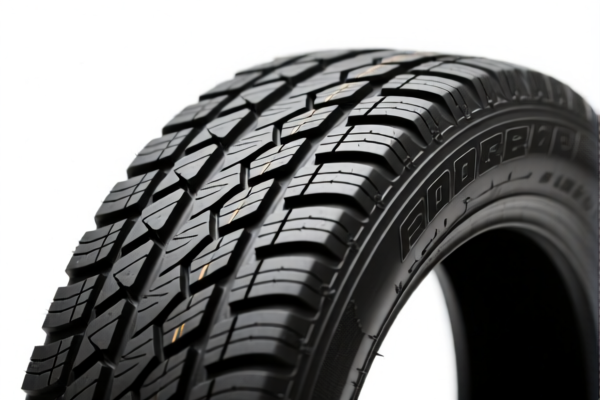
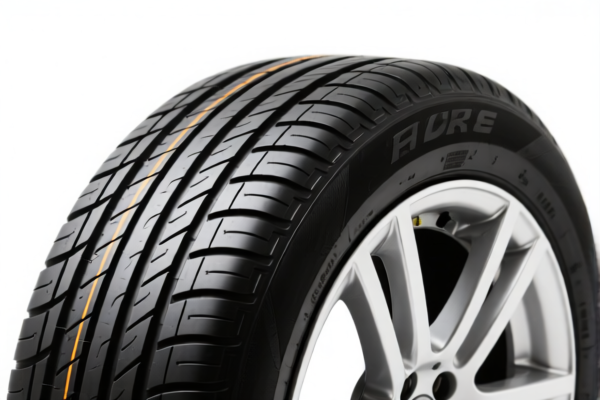
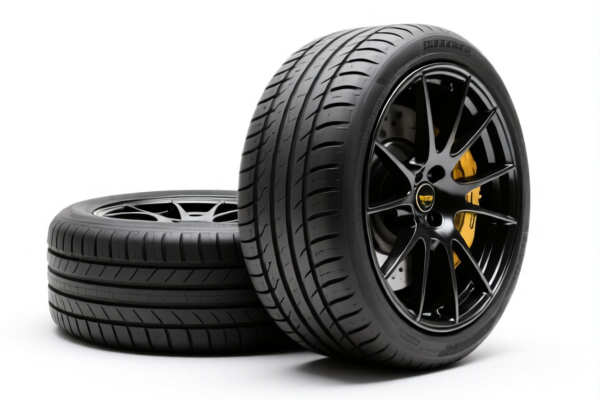
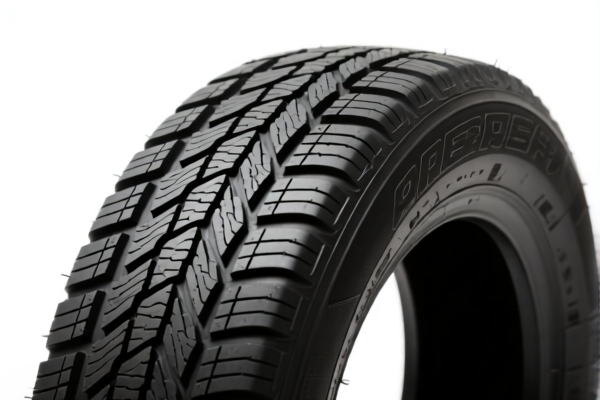
AI Analysis
🛞 Tire (Tires for Motor Vehicles)
🌐 HS Code 4011.30.00.50 Guide | 2026 Tariff & Customs Clearance Strategy
📌 I. Product Definition: What Exactly Is "Tire"?
In international trade, the term "Tire" generally refers to Rubber Pneumatic Tires. However, HS Code classification depends heavily on the specific application (Passenger Car vs. Bus/Truck) and physical structure.
⚠️ Critical Distinction:
- If the tire is for Passenger Cars (PC tires) → It often falls under4011.20or specific sub-headings.
- If the tire is for Buses or Trucks → It falls under4011.30or4011.20depending on specific design.
- HS Code4011.30.00.50specifically targets: "Other pneumatic tyres, new, of rubber" typically categorized under "Tires for buses or trucks" or "Other" within the bus/truck category, where no specific "snow" or "run-flat" designation applies.📝 Note from Data:
The provided data confirms that4011.30.00.50matches "Rubber pneumatic tires" and is often used when the specific use is not explicitly "Passenger Car" (which might be4011.20) or when it falls into the "Other" category within the Bus/Truck segment (4011.30).
📦 II. HS Code Classification Details (2026 Latest)
| HS Code | Product Description | Material | Structure | Typical Application |
|---|---|---|---|---|
4011.30.00.50 |
Other pneumatic tyres, new, of rubber | Rubber | Pneumatic | Buses or Trucks (General/Other) |
4011.30.00.10 |
Same as above, but potentially specific sub-category | Rubber | Pneumatic | Buses/Trucks (Specific) |
4011.20.10.35 |
Pneumatic tyres for buses or trucks | Rubber | Pneumatic | Buses/Trucks |
4011.20.50.30 |
Pneumatic tyres for buses or trucks | Rubber | Pneumatic | Buses/Trucks |
4011.20.50.50 |
Pneumatic tyres for buses or trucks | Rubber | Pneumatic | Buses/Trucks |
🔍 Key Insight:
-4011.30generally covers Tires for Buses or Trucks.
-4011.20also covers Tires for Buses or Trucks in many national tariff schedules (like the US), but sub-headings differ.
- The data provided explicitly links4011.30.00.50to "Rubber pneumatic tires" with no conflict in material or form. It is often a "catch-all" for bus/truck tires that don't fit more specific descriptors.
💰 III. 2026 Tariff Rate Breakdown (USA Import)
✅ Applicable Country: United States (US)
✅ Origin: China (CN)
✅ Product: Tire (HS Code:4011.30.00.50)
🎯 Tariff Structure for 4011.30.00.50
| Item | Rate | Source |
|---|---|---|
| Base Duty (MFN) | 0.0% | Most Favored Nation Rate |
| Section 301 Additional Duty | +25.0% | USITC Footnote 9903.88.01 (China) |
| IEEPA Additional Duty (Section 122) | +10.0% | International Emergency Economic Powers Act |
| Total Tariff Rate | 35.0% | Cumulative |
| Tax Calculation | CIF Value × 35% | Customs Duty Base |
| De Minimis Eligibility | ❌ Not Eligible | High duty rate prohibits $800 exemption |
| Legal Reference Path | IEEPA:9903.01.25 → USITC:4011.30.00.50 → FOOTNOTE:9903.88.01 |
📌 Explanation:
- Base Duty is 0%: The US does not charge a base tariff on many rubber tires.
- 301 Tariff (+25%): Applied due to China origin.
- IEEPA Tariff (+10%): Applied due to national emergency provisions (effective from Nov 2025).
- Total = 35%: This is a high-cost item for importers.
🛠️ IV. Customs Clearance Practical Advice
✅ 1. Required Documentation Checklist
| Document | Required? | Purpose |
|---|---|---|
| Commercial Invoice | ✅ Yes | Must clearly state "Tire", "Rubber", "Pneumatic", "For Bus/Truck" |
| Packing List | ✅ Yes | Detail quantity, weight, dimensions per tire |
| Country of Origin Certificate | ✅ Yes | Prove China origin (triggers 301/IEEPA tariffs) |
| Product Specifications | ✅ Yes | Size, Load Index, Speed Rating, Tread Pattern |
| Firm Name & Address | ✅ Yes | Importer of Record details |
| EIN/Tax ID | ✅ Yes | For CBP entry filing |
⚠️ Warning:
- Do NOT list as "Auto Part" or "Accessory". Must specify "Pneumatic Tire".
- Misclassification as "Other Rubber Products" could lead to penalties and back-taxes.
✅ 2. Classification Strategy & Tips
🔥 Key Phrase: "Be Precise, Avoid Ambiguity"
| Scenario | Recommended HS Code | Risk |
|---|---|---|
| Generic Tire (Bus/Truck) | 4011.30.00.50 or 4011.20.50.50 |
Low, if description matches |
| Passenger Car Tire | 4011.20.10.35 (Example) |
High risk of misclassification if declared as Bus Tire |
| Run-Flat Tire | Specific sub-heading required | May have different duty |
| Recycled/Retreaded Tire | Different HS Code (e.g., 4012.12) |
Higher Duties! Check carefully |
📌 Pro Tip:
- If your tire is for a Passenger Car, do NOT use4011.30.00.50. Use the correct PC tire code.
- If for Bus/Truck,4011.30.00.50is a safe "Other" category if no specific type (e.g., Snow, Run-Flat) applies.
- Always provide Tire Size (e.g., 295/75R22.5) and Load Index in the commercial invoice.
🌍 V. Global Market Comparison (2026)
| Country/Region | HS Code | Tariff Rate | Notes |
|---|---|---|---|
| 🇺🇸 USA | 4011.30.00.50 |
35% | High due to 301 + IEEPA |
| 🇨🇳 China | 4011.30.00.50 |
~10-15% | Import duty varies; may have VAT |
| 🇪🇺 EU | 4011.30 |
0-5% | Generally low base duty; no China surcharge |
| 🇨🇦 Canada | 4011.30 |
0% | MFN rate; possible CUSMA benefits |
| 🇲🇽 Mexico | 4011.30 |
0% | USMCA may apply |
📌 Conclusion:
- USA is the most expensive market for Chinese tires due to 35% total duty.
- EU/Canada/Mexico offer significantly lower tariffs. Consider supply chain diversification if targeting the US.
📌 VI. Common Errors & Pitfalls
❌ Error 1: Declaring as "Auto Part" or "Rubber Product"
👉 Result: CBP may reclassify, leading to back-taxes + penalties.
❌ Error 2: Ignoring IEEPA Tariff (10%)
👉 Result: Underpayment of duty. Total 35% must be applied, not just 25%.
❌ Error 3: Misidentifying Tire Type (PC vs. Bus/Truck)
👉 Result: Wrong HS Code → Customs Hold → Delay + Storage Fees.
❌ Error 4: Omitting Tire Specifications
👉 Result: CBP cannot verify classification → RFE (Request for Information) → Delays.
✅ Correct Declaration Example:
"PNEUMATIC TIRE, RUBBER, FOR BUS/TRUCK, SIZE 295/75R22.5, LOAD INDEX 146L, MADE IN CHINA, HS 4011.30.00.50"
🎯 VII. Conclusion: Cost-Saving Strategies
🎯 Key Takeaway:
🔹 35% Duty is Significant: Factor this into your Landed Cost.
🔹 Pre-Classification: Get a CBP Ruling if unsure.
🔹 Supply Chain: Consider Vietnam/Mexico production to avoid China tariffs.📌 Pro Tip:
If you import large volumes, consider Bonded Warehouses or Foreign Trade Zones (FTZ) to defer duty payments.
📣 Immediate Action:
📞 Contact a Licensed Customs Broker
📄 Prepare Detailed Product Specs
🚀 Plan for 35% Duty in Your Budget
✨ Professional Clearance, Precision Classification, Profit Optimization!
💼 Every Tire Imported is a Calculation of Cost and Compliance!
Customer Reviews
About HS Code Classification
The Harmonized System (HS) is an internationally standardized nomenclature developed by the World Customs Organization (WCO) to classify traded products. Over 200 countries use the HS system as the basis for customs tariffs, trade statistics, and import/export regulations.
Each HS code follows a hierarchical structure:
- Chapter (2 digits) — Broad category of goods (e.g., Chapter 84: Machinery and Mechanical Appliances)
- Heading (4 digits) — More specific grouping within the chapter
- Subheading (6 digits) — Internationally standardized breakdown, used by all WCO member countries
- National subdivisions (8-10 digits) — Country-specific extensions for further classification, such as US HTSUS 10-digit codes
Correct HS code classification is essential for smooth customs clearance, accurate duty payment, and compliance with trade regulations. Misclassification can lead to customs delays, overpayment of duties, or penalties.
When importing from CN to US, the applicable tariff rates may include:
- Most-Favored-Nation (MFN) rate — The standard duty rate applied to WTO members
- General rate — Applied to countries without trade agreements
- Trade remedy duties — Additional tariffs such as Section 301 (anti-dumping), Section 232 (national security), or countervailing duties
The information provided on this page is for reference purposes only. For official classification, please consult with your local customs authority or a licensed customs broker.