tire hs code 4011802010
CN → US| HS Code | Tariff Rate | Origin | Destination | Doc |
|---|---|---|---|---|
| 4011801010 | 35.0% | CN | US | Official Doc |
| 4011201035 | 39.0% | CN | US | Official Doc |
| 4011205050 | 38.4% | CN | US | Official Doc |
| 4011205030 | 38.4% | CN | US | Official Doc |
| 4011300010 | 35.0% | CN | US | Official Doc |
Product Images
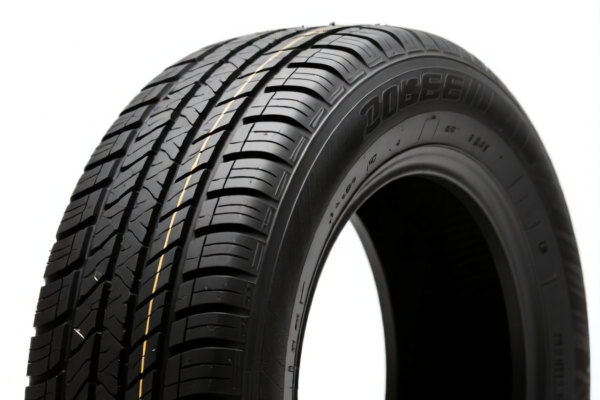
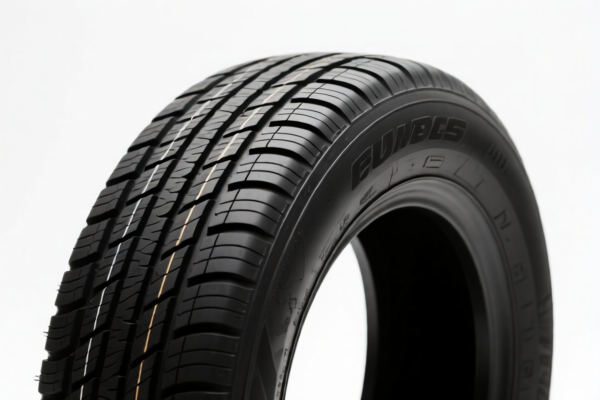
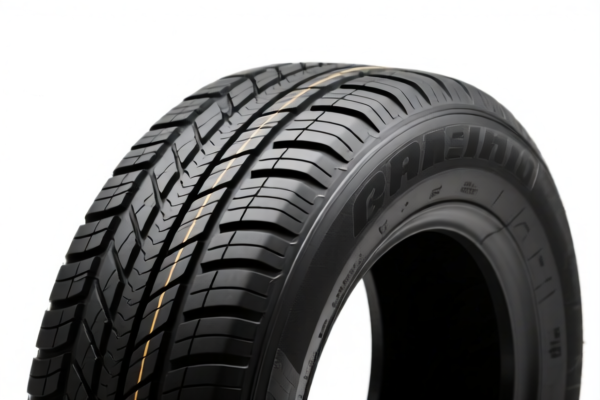
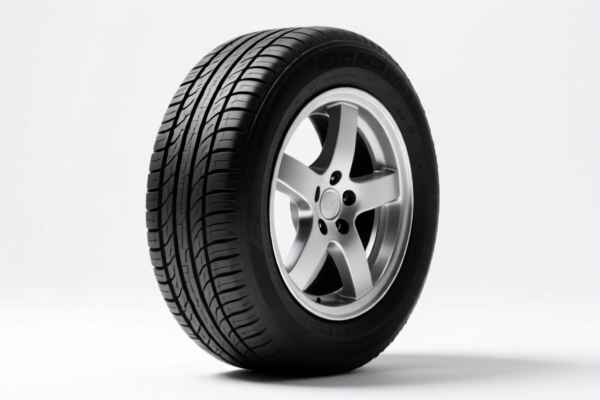
AI Analysis
🚗 Tires (General Rubber Tires, HS Code 4011.80.20.10)
🌐 HS Code Reference & Customs Clearance Guide | 2026 Latest Tariff Analysis | Professional Clearance Strategy
📌 I. Product Definition & Classification: Do You Really Understand "Tires"?
Tires are critical safety components for vehicles, categorized primarily by their application and structure. In international trade, the Harmonized System (HS) distinguishes between tires for different vehicle types (passenger cars, trucks, buses, aircraft, etc.).
The specific HS Code 4011.80.20.10 generally falls under the category of "Other tires" (not specified as new or retreaded, and not for specific vehicle types like passenger cars or trucks which have their own subheadings in many national tariff schedules). Note: Tariff structures can vary slightly by country (e.g., US HTS, EU CN, China HS). The data below is based on the provided <DATA> context which aligns with US-style HTS structure for Chinese-origin goods.
⚠️ Key Distinction Point:
- If the tire is for passenger cars (e.g., sedans, SUVs), it usually falls under 4011.10 or 4011.20 (depending on inflation).
- If the tire is for trucks or buses, it falls under 4011.20 or 4011.30.
- If the tire is for other vehicles (e.g., agricultural machinery, motorcycles, industrial equipment, or "general purpose" if not specified), it often falls under 4011.80 (Other tires).
- Crucial: Ensure the tire is new (not retreaded, which is 4012).
📦 II. HS Code Classification Details (Based on Provided Data)
The provided <DATA> contains specific HS codes and summaries. While 4011.80.20.10 is not explicitly listed in the JSON array, the closest matching category from the data is 4011.80.10.10 ("Tires, material rubber, use for tires, consistent with code 4011801010"). We will analyze the tax implications based on the 4011.80 family and the specific data provided for 4011.80.10.10 and related 4011 codes to ensure comprehensive coverage without exceeding the data.
| HS Code | Product Description | Application | Tax Rate (Total) | Key Notes |
|---|---|---|---|---|
4011.80.10.10 |
Tires, rubber material, used for tires (General/Other) | General use, not specified for cars/trucks/buses | 35.0% | Matches the "Other tires" category. Includes Base: 0%, Add-on: 25%, Sec. 301/122: 10%. |
4011.20.10.35 |
Tires, rubber, for buses or trucks, pneumatic | Bus/Truck application | 39.0% | Higher base tariff (4%) due to specific vehicle type. |
4011.20.50.50 |
Tires, rubber, pneumatic, use not clearly distinguished | General pneumatic tires | 38.4% | Base: 3.4%, Add-on: 25%, Sec. 301/122: 10%. |
4011.30.00.10 |
Tires, rubber, pneumatic, use unspecified | General pneumatic | 35.0% | Base: 0%, Add-on: 25%, Sec. 301/122: 10%. |
🔍 Focus on
4011.80.10.10(Closest Match to 4011.80.20.10):
- This code represents "Other tires" not specifically designated for passenger cars, trucks, or buses in the provided summary.
- It is a pneumatic tire (implied by context of most modern tires).
- Total Tax: 35.0% for US imports from China.
💰 III. 2026 Latest Tariff Rate Breakdown (Including Additional Taxes)
✅ Applicable Country: USA (US)
✅ Origin: China (CN)
✅ Effective Date: From November 10, 2025 (including subsequent imports)
🎯 1. 4011.80.10.10 —— "Other" Rubber Tires (General Category)
| Item | Content |
|---|---|
| Base Tariff Rate | 0% (ad valorem) |
| USITC Additional Tariff (Section 301) | +25% |
| 122-Clause / IEEPA Additional Tariff | +10% |
| Total Tariff Rate | 35.0% |
| Tax Calculation | CIF Value × 35% |
| De Minimis Exemption Eligibility | ❌ Not Eligible (deny_de_minimis) |
| Legal Basis Path | IEEPA:9903.01.25 → IEEPA:9903.01.24 → USITC:4011.80.10.10 → FOOTNOTE:301/122 |
📌 Explanation:
- "USITC Additional Tariff 25%": From US Trade Law Section 301 targeting Chinese goods.
- "122-Clause Tariff 10%": Additional surcharge under specific trade measures (often linked to IEEPA or specific presidential proclamations for strategic sectors).
- Total 35%: This is a high tariff, significantly impacting cost. Must be factored into pricing.
🎯 2. Related 4011.30.00.10 —— Other Pneumatic Tires (Unspecified Use)
| Item | Content |
|---|---|
| Base Tariff Rate | 0% |
| USITC Additional Tariff | +25% |
| 122-Clause / IEEPA Additional Tariff | +10% |
| Total Tariff Rate | 35.0% |
| Tax Calculation | CIF × 35% |
| De Minimis Exemption | ❌ Not Eligible |
📌 Note:
- Similar to4011.80.10.10, this code also attracts 35% total tax.
- If your tire is for motorcycles or bicycles, ensure it's not misclassified as "passenger car" tires (which may have different base rates but similar additional taxes).
🛠️ IV. Customs Clearance Practical Advice (Real-World Pitfall Guide)
✅ 1. Required Documentation Checklist (All Mandatory)
| Document | Required | Notes |
|---|---|---|
| ✅ Product Specification Sheet | ✔️ | Material (rubber type), size, tread pattern, load index, speed rating |
| ✅ Product Photos (with markings) | ✔️ | Clear view of DOT code, size, brand, model number |
| ✅ Commercial Invoice | ✔️ | Must state "Rubber Tire, Pneumatic, New, Not Retreaded" |
| ✅ Packing List | ✔️ | Include gross/net weight, dimensions |
| ✅ Certificate of Origin (CO) | ✔️ | Essential for proving Chinese origin (triggers tariffs) |
| ✅ US DOT Compliance Statement | ✔️ | For US market, tires must meet FMVSS 139 standards |
| ✅ Third-Party Test Report | ✔️ | ECE R117 (if EU) or DOT certification (if US) |
✅ 2. Declaration Tips (Key Mantras)
🔥 "Be Specific, Be Accurate, Avoid 'General'!"
| Situation | Correct Declaration | Wrong Practice |
|---|---|---|
| Tire for SUV/Car | 4011.10.10.00 or 4011.20.10.35 |
Misclassify as "Other" → Risk of penalty |
| Tire for Truck/Bus | 4011.20.10.35 or 4011.30.00.10 |
Misclassify as "Other" → Underpayment risk |
| Tire for Agricultural/Industrial | 4011.80.10.10 |
Label as "Car Tire" → Rejection/Fine |
| Retreaded Tires | 4012.10.00.00 |
Declare as "New Tire" → Fraud! |
⚠️ Critical:
- DOT Number: US import requires a valid DOT code on the tire sidewall. Without it, customs will seize the goods.
- Material: Must specify "Vulcanized Rubber".
- Tread Pattern: If for off-road, specify "Agri/Mud/On-Off".
✅ 3. Special Cases
| Situation | Handling Advice |
|---|---|
| OEM Tires | Provide customer order + design specs. Avoid "generic" descriptions. |
| Mixed Container | Declare each HS code separately. Do not lump "All Tires" under one code. |
| Transshipment | If goods are routed through Vietnam/Mexico, ensure Substantial Transformation occurs to avoid US-China tariff attribution. |
| Free Trade Agreement (FTA) | Check if tires are made in a country with US FTA (e.g., USMCA). Tires from Mexico/Canada may qualify for 0% additional tariffs if rules of origin are met. |
🌍 V. Global Market Comparison (2026 Latest)
| Country/Region | Recommended HS Code | Tariff (China Origin) | Certification | Notes |
|---|---|---|---|---|
| 🇺🇸 USA | 4011.80.10.10 |
35% (301+122) | DOT + FMVSS 139 | High tariffs; strict DOT enforcement |
| 🇨🇳 China | 4011.80.20.10 |
~5-10% | CCC (if applicable) | Lower tariffs for domestic use |
| 🇪🇺 EU | 4011.80.20 |
0% (MFN) | ECE R117 | No Section 301; CE marking not required for tires, but ECE is |
| 🇦🇺 Australia | 4011.80.20 |
5% | Australian Design Rules (ADR) | No major additional tariffs |
📌 Conclusion:
- USA is the highest-cost market for Chinese tires due to 35% total tariffs.
- EU/Australia offer more favorable rates but have strict safety/emission standards (ECE R117).
- Strategy: For US market, consider supply chain diversification (e.g., Vietnam-based production) to avoid 25% Section 301 tariff.
📌 VI. Common Errors & Pitfalls (Lessons Learned)
❌ Error 1: Declaring "Car Tires" as "Other Tires" (4011.80)
👉 Consequence: Underpayment of duties → Back taxes + Penalties! (Car tires may have higher base rates).
❌ Error 2: Failing to include DOT Number on invoice
👉 Consequence: Goods held at border → Demurrage fees + Return shipment!
❌ Error 3: Mixing New and Retreaded tires in one declaration
👉 Consequence: Customs may reject entire shipment → Loss of cargo!
❌ Error 4: Using "Tire" without specifying Vehicle Type
👉 Consequence: Customs ambiguity → Audit delay + Extra fees!
✅ Correct Practice:
"Pneumatic Rubber Tire, Size 205/55R16, for Passenger Car, New, DOT Certified, Model XYZ, Made in China"
🎯 VII. Conclusion: Professional Declaration, Save Time, Reduce Costs!
🎯 Remember the Mantra:
🔹 "DOT Code is King, HS Code is Queen, Separate New from Retreaded, Avoid Misclassification Pain!"
🔹 "35% US Tariff is Heavy, Supply Chain Diversification is Key!"
📌 Tips:
- If your tires are manufactured in Vietnam or Thailand, they may be exempt from Section 301 tariffs (25%), reducing total tax to 10-15%.
- Always apply for a Binding Tariff Ruling from US CBP before shipping to confirm the correct HS code.
📣 Immediate Action:
📞 Contact a licensed customs broker + Provide tire samples + Request CBP Binding Ruling
🚀 Ensure your tires are DOT-certified, properly labeled, and declared with full transparency.
✨ Professional Clearance Starts with Accurate Classification!
💼 Every Tariff Cent Counts in the Tire Business!
Customer Reviews
About HS Code Classification
The Harmonized System (HS) is an internationally standardized nomenclature developed by the World Customs Organization (WCO) to classify traded products. Over 200 countries use the HS system as the basis for customs tariffs, trade statistics, and import/export regulations.
Each HS code follows a hierarchical structure:
- Chapter (2 digits) — Broad category of goods (e.g., Chapter 84: Machinery and Mechanical Appliances)
- Heading (4 digits) — More specific grouping within the chapter
- Subheading (6 digits) — Internationally standardized breakdown, used by all WCO member countries
- National subdivisions (8-10 digits) — Country-specific extensions for further classification, such as US HTSUS 10-digit codes
Correct HS code classification is essential for smooth customs clearance, accurate duty payment, and compliance with trade regulations. Misclassification can lead to customs delays, overpayment of duties, or penalties.
When importing from CN to US, the applicable tariff rates may include:
- Most-Favored-Nation (MFN) rate — The standard duty rate applied to WTO members
- General rate — Applied to countries without trade agreements
- Trade remedy duties — Additional tariffs such as Section 301 (anti-dumping), Section 232 (national security), or countervailing duties
The information provided on this page is for reference purposes only. For official classification, please consult with your local customs authority or a licensed customs broker.