tire valve stem
CN → US| HS Code | Tariff Rate | Origin | Destination | Doc |
|---|---|---|---|---|
| 8481909060 | 85.0% | CN | US | Official Doc |
| 7326200090 | 88.9% | CN | US | Official Doc |
| 7326908688 | 87.9% | CN | US | Official Doc |
| 4016990300 | 38.0% | CN | US | Official Doc |
| 4016996010 | 37.5% | CN | US | Official Doc |
Product Images
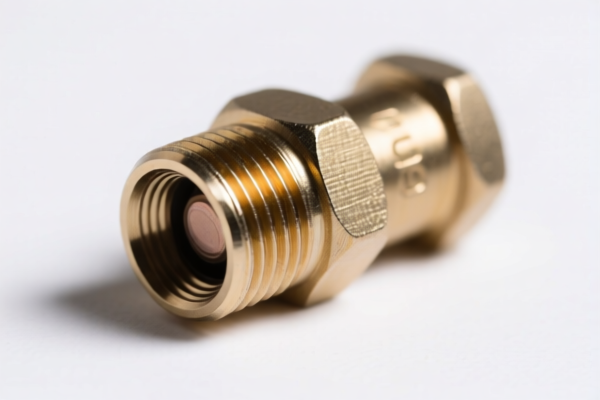
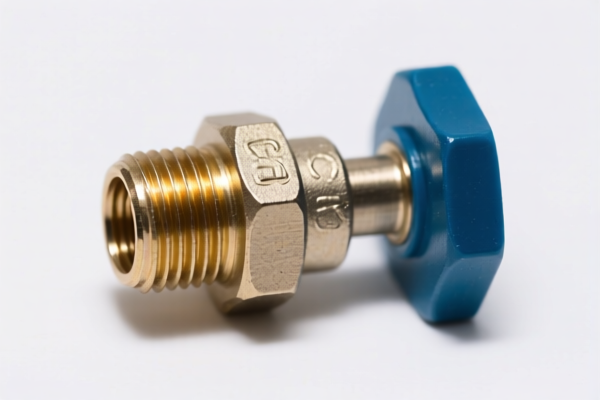
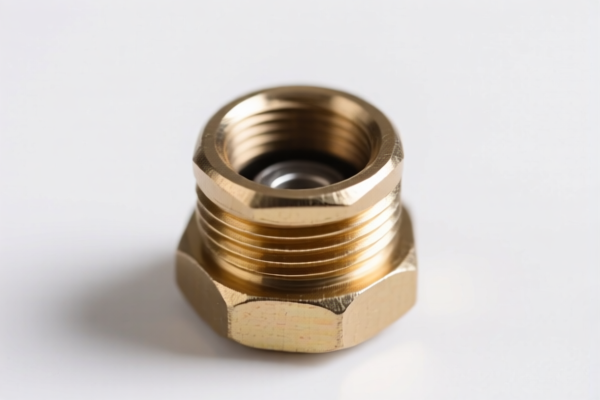
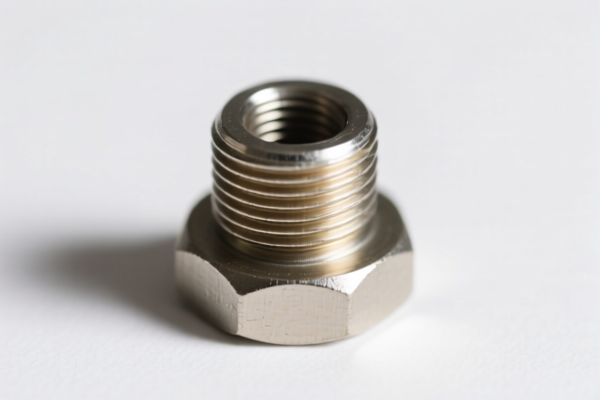
AI Analysis
🚗 Tire Valve Stems (Valve Stems)
🌐 HS Code Reference & Customs Clearance Guide | 2026 Latest Tariff Analysis | Professional Clearance Strategy
📌 Part I: Product Definition & Classification: What Exactly Is a "Tire Valve Stem"?
Tire valve stems are critical safety components that maintain tire pressure and allow for inflation/deflation. In international trade, classification depends heavily on two factors: 1. Material Composition (Rubber vs. Metal) 2. Functional Definition (As a "Valve Part" vs. As a "General Article of Metal/Rubber")
⚠️ Critical Distinction:
- If classified as a part of a valve → HS Code 8481.90.90.60
- If classified as a metal article (Steel/Iron) → HS Codes 7326.20.00.90 or 7326.90.86.88
- If classified as a rubber article (Sulfurated Rubber) → HS Codes 4016.99.03.00 or 4016.99.60.10
📦 Part II: HS Code Classification Details (2026 Latest Tariff Authority)
| HS Code | Product Description | Material/Type | Key Classification Logic |
|---|---|---|---|
8481.90.90.60 |
Parts of valves and similar devices (Valve Stem) | General/Unknown | Fits the functional definition of "parts of valves." |
7326.20.00.90 |
Other articles of iron or steel (Wire/Wire) | Metal (Steel/Iron) | Treated as a generic steel wire/product if material is dominant. |
7326.90.86.88 |
Other articles of iron or steel (Miscellaneous) | Metal (Steel/Iron) | Treated as a miscellaneous steel part/component. |
4016.99.03.00 |
Other vulcanized rubber articles (Miscellaneous) | Rubber | Defaulted to rubber if material is inferred as rubber. |
4016.99.60.10 |
Other vulcanized rubber articles (Auto Mechanical Parts) | Rubber | Matches auto parts category if used as a rubber auto component. |
🔍 Key Insight:
- Valve Classification (8481) is often preferred for functional accuracy but may carry higher tariffs due to specific US trade policies.
- Material Classification (7326/4016) relies on inferred material. If the stem is steel, the 122 Clause tariffs apply heavily. If rubber, the 122 Clause does not apply.
💰 Part III: 2026 Latest Tariff Rate Breakdown (Including Surcharges & Policy Add-ons)
✅ Applicable Country: United States (US)
✅ Country of Origin: China (CN)
✅ Effective Date: Current Trade War Tariffs Applied (Section 301 + 122 Clause where applicable)
🎯 1. 8481.90.90.60 —— Valve Parts (Valve Stem)
| Item | Detail |
|---|---|
| Base Tariff | 0.0% |
| Section 301 Surcharge | +25.0% |
| Section 122 Clause (Steel/Aluminum/Copper) | N/A (Valves are mechanical, not raw steel/aluminum products) |
| Total Tariff Rate | 25.0% |
| Tax Calculation | CIF Value × 25.0% |
| De Minimis Exemption | ❌ Not Applicable |
| Legal Path | Section 301: 8481.90.90.60 → Footnote: 9903.88.01 |
📌 Explanation:
- The 25% is purely the Section 301 tariff.
- Crucial Note: Unlike steel/rubber parts, valve parts do not trigger the additional 50% Section 122 Clause tariff, making this potentially lower than the metal/rubber alternatives if the 122 clause is avoided.
🎯 2. 7326.20.00.90 & 7326.90.86.88 —— Steel/Iron Articles
| Item | Detail (For Both Codes) |
|---|---|
| Base Tariff | 2.9% - 3.9% |
| Section 301 Surcharge | +25.0% |
| Section 122 Clause (Steel/Aluminum/Copper) | +50.0% (Specifically for Steel/Aluminum/Copper articles) |
| Total Tariff Rate | 77.9% - 78.9% |
| Tax Calculation | CIF Value × ~78% |
| De Minimis Exemption | ❌ Not Applicable |
| Legal Path | Section 301 + Section 122: Steel/Aluminum → USITC:7326.xxxxxx |
📌 Explanation:
- HUGE Penalty Alert: If classified under 7326, the Section 122 Clause applies, adding an additional 50% on top of the 25% Section 301 and base tariff.
- Total burden: ~78%. This is significantly higher than the valve classification.
🎯 3. 4016.99.03.00 & 4016.99.60.10 —— Rubber Articles
| Item | Detail (For Both Codes) |
|---|---|
| Base Tariff | 2.5% - 3.0% |
| Section 301 Surcharge | +25.0% |
| Section 122 Clause | +10.0% (Specific for certain rubber/copper/steel mixtures or specific rubber provisions under 122) |
| Total Tariff Rate | 37.5% - 38.0% |
| Tax Calculation | CIF Value × ~38% |
| De Minimis Exemption | ❌ Not Applicable |
| Legal Path | Section 301 + Section 122: Rubber → USITC:4016.xxxxxx |
📌 Explanation:
- If the valve stem is rubber, it falls under Chapter 40.
- The Section 122 Clause for rubber items adds 10%, not 50%.
- Total burden: ~38%. This is lower than steel but higher than the valve part classification (25%).
🛠️ Part IV: Customs Clearance Practical Advice (Real-World Pitfall Guide)
✅ 1. Preparation Checklist (Non-negotiable)
| Document | Required? | Explanation |
|---|---|---|
| ✅ Product Specifications | ✔️ | Must specify Material (Rubber, Steel, Brass, Aluminum) and Structure (Screw-in, Push-in, Tubeless). |
| ✅ Photos (Clear & Detailed) | ✔️ | Show material texture, valve core, and mounting mechanism. |
| ✅ Bill of Lading / Invoice | ✔️ | Must clearly state "Tire Valve Stem" and material. Avoid vague terms like "Auto Parts." |
| ✅ Material Certificate | ✔️ | Proof of material (Rubber vs. Steel) is critical to determine Section 122 applicability. |
| ✅ HS Code Pre-Ruling | ✔️ | Highly recommended due to conflicting classifications (Valve vs. Material). |
✅ 2. Classification Strategy (Key Mantra)
🔥 "Material Dictates Tax, Function Dictates Code, 122 Clause is the Killer!"
| Scenario | Recommended HS Code | Total Tax | Risk Level |
|---|---|---|---|
| Valve Classification (Functional) | 8481.90.90.60 |
25.0% | 🟢 Lowest Tax (Avoids 122 Clause) |
| Rubber Stem | 4016.99.60.10 |
37.5% | 🟡 Medium (Triggers 122 Clause 10%) |
| Steel/Metal Stem | 7326.90.86.88 |
77.9% | 🔴 Highest Tax (Triggers 122 Clause 50%) |
⚠️ Critical Warning:
- If your valve stems are steel, declaring them as7326will trigger the 50% Section 122 tariff, making the total tax nearly 80%.
- Strategy: If possible, argue for8481.90.90.60(Valve Parts) to avoid the 122 Clause, even if the material is steel. The functional definition of "part of a valve" often overrides material classification in legal interpretations, potentially saving 50%+ in duties.
✅ 3. Special Handling
| Situation | Recommendation |
|---|---|
| Mixed Materials (e.g., Steel stem with rubber base) | Declare as Valve Part (8481) if the valve function is primary. Avoid 7326 to escape 50% penalty. |
| OEM Custom Stems | Provide design drawings showing valve mechanism. |
| Bulk Shipments | Ensure HS code is consistent across all documents. Discrepancies lead to audits. |
🌍 Part V: Global Market Comparison (2026 Update)
| Country/Region | Recommended HS Code | Tariff (China Origin) | Key Notes |
|---|---|---|---|
| 🇺🇸 USA | 8481.90.90.60 |
25.0% | Best option to avoid 122 Clause. |
| 🇺🇸 USA | 7326.90.86.88 |
~78.9% | Avoid if possible due to 122 Clause. |
| 🇪🇺 EU | 8481.90 |
~0-2% | No Section 301/122. Standard MFN rates apply. |
| 🇨🇳 China | 8481.90 |
~5-7% | Import duty for Chinese goods entering China (if re-imported) or domestic sales. |
📌 Conclusion:
- USA is the most complex due to Section 301 and Section 122.
- China Origin goods face 25%+ in the US.
- Recommendation: Fight for8481.90.90.60classification to minimize tariff burden to 25% instead of 78%.
📌 Part VI: Common Errors & Pitfalls (Lessons Learned)
❌ Error 1: Classifying steel valve stems as 7326 without considering Section 122.
👉 Result: 78% Tax instead of 25%. Loss of Profit.
❌ Error 2: Vague description "Auto Parts" or "Valve."
👉 Result: Customs ambiguity, potential audit, delayed clearance, or forced misclassification.
❌ Error 3: Ignoring Section 122 Clause for Rubber/Metal.
👉 Result: Unexpected 10% (Rubber) or 50% (Steel) add-on tax.
✅ Correct Practice:
"Tire Valve Stem, Tubeless, Steel Construction, for Passenger Cars, Model XYZ, HS 8481.90.90.60"
🎯 Part VII: Conclusion: Precision Saves Millions!
🎯 Remember the Mantra:
🔹 "Valve Code (8481) = 25% Tax"
🔹 "Steel Code (7326) = 78% Tax (Thanks to Section 122)"
🔹 "Rubber Code (4016) = 38% Tax"
📌 Final Advice:
- Always aim for 8481.90.90.60 if the item functions primarily as a valve component.
- Avoid 7326 for steel stems unless you have no other legal argument, as the 122 Clause is devastating.
- Pre-clearance rulings are essential for high-volume imports to avoid unexpected 50% penalties.
📣 Immediate Action:
📞 Contact a Customs Broker to verify Section 122 applicability for your specific valve stem material.
📄 Submit HS Code Pre-Ruling Request to US CBP to lock in the 25% rate (HS 8481) and avoid the 78% rate (HS 7326).
✨ Professional Clearance Starts with Accurate Classification!
💼 Save 50% in Duties by Choosing the Right HS Code!
Customer Reviews
About HS Code Classification
The Harmonized System (HS) is an internationally standardized nomenclature developed by the World Customs Organization (WCO) to classify traded products. Over 200 countries use the HS system as the basis for customs tariffs, trade statistics, and import/export regulations.
Each HS code follows a hierarchical structure:
- Chapter (2 digits) — Broad category of goods (e.g., Chapter 84: Machinery and Mechanical Appliances)
- Heading (4 digits) — More specific grouping within the chapter
- Subheading (6 digits) — Internationally standardized breakdown, used by all WCO member countries
- National subdivisions (8-10 digits) — Country-specific extensions for further classification, such as US HTSUS 10-digit codes
Correct HS code classification is essential for smooth customs clearance, accurate duty payment, and compliance with trade regulations. Misclassification can lead to customs delays, overpayment of duties, or penalties.
When importing from CN to US, the applicable tariff rates may include:
- Most-Favored-Nation (MFN) rate — The standard duty rate applied to WTO members
- General rate — Applied to countries without trade agreements
- Trade remedy duties — Additional tariffs such as Section 301 (anti-dumping), Section 232 (national security), or countervailing duties
The information provided on this page is for reference purposes only. For official classification, please consult with your local customs authority or a licensed customs broker.