tire valve stem extender
CN → US| HS Code | Tariff Rate | Origin | Destination | Doc |
|---|---|---|---|---|
| 8708706060 | 37.5% | CN | US | Official Doc |
| 8708998180 | 12.5% | CN | US | Official Doc |
| 7326908688 | 87.9% | CN | US | Official Doc |
| 7326190080 | 87.9% | CN | US | Official Doc |
Product Images
AI Analysis
🛞 Tire Valve Stem Extender (Automotive Parts)
🌐 HS Code Reference & Customs Clearance Guide | 2026 Latest Tariff Analysis | Professional Strategy for China-US Trade
📌 1. Product Definition & Classification: Do You Really Understand "Valve Stem Extenders"?
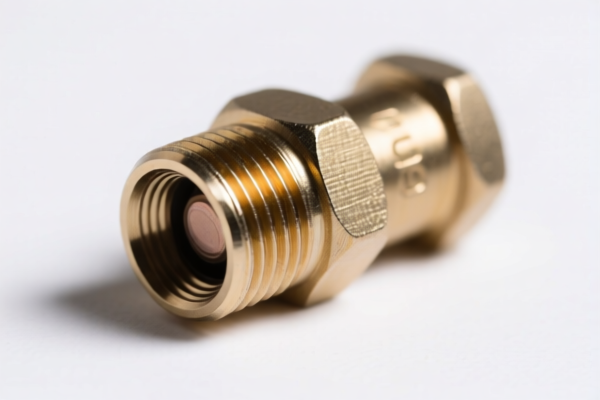
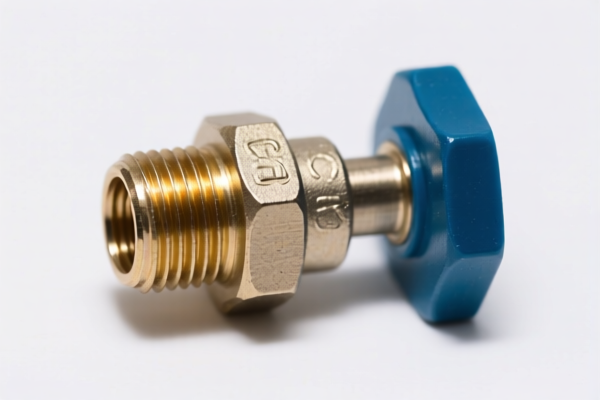
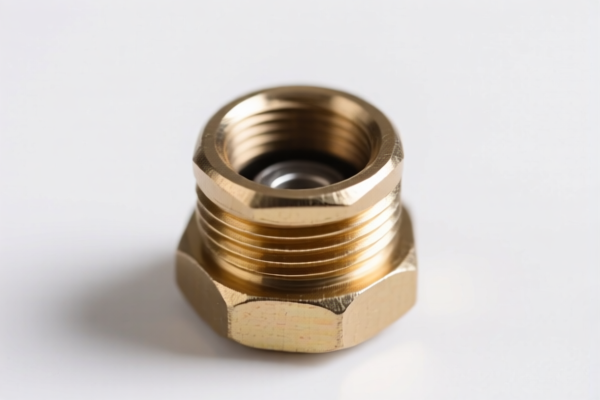
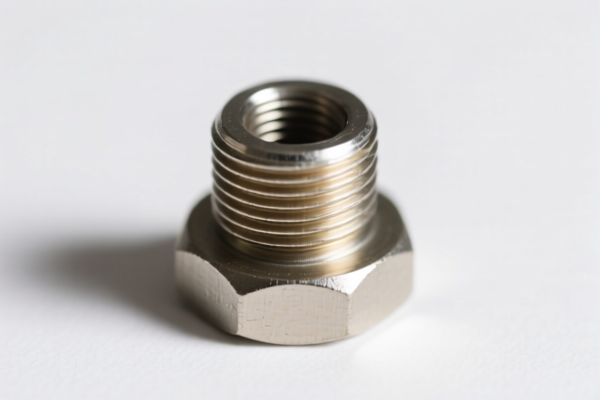
Tire Valve Stem Extenders are small accessories used to lengthen the valve stem of a tire, making it easier to inflate and deflate, especially for vehicles with wheel well clearance issues (like lifted trucks or low-profile sports cars). In international trade, they are strictly classified as parts and accessories of motor vehicles.
Key Distinction: * Valve Core vs. Stem: If it includes the valve core mechanism (rubber seal + metal pin), it is an integral part of the tire inflation system. * Material: Usually made of brass, aluminum, or stainless steel. * Function: Purely mechanical extension; no electrical components.
⚠️ Critical Classification Point:
- If it is a standalone valve stem (including the rubber seal/core assembly) → It falls under Chapter 87 (Parts of Motor Vehicles).
- If it were a simple metal tube without a valve core/seal (rare for "stems"), it might be misclassified under Chapter 73 (Articles of Iron or Steel), but for customs purposes, these are almost always declared as auto parts.
- Do NOT classify as "General Steel Articles" (Chapter 73) unless you can prove it is NOT intended for use in vehicles, which is nearly impossible for this specific product.
📦 2. HS Code Classification Details (2026 Latest Tariff Data from )
Based on the provided <DATA>, the relevant HS Codes for Tire Valve Stem Extenders (as parts of motor vehicles) are:
| HS Code | Product Description | Scenario | Key Characteristics |
|---|---|---|---|
8708.70.60.60 |
Road wheels and parts and accessories thereof: For other vehicles: Parts and accessories Other | Valve stems, hub caps, lug nuts, wheel locks | ✅ Parts of Wheels/Chassis |
8708.99.81.80 |
Other parts and accessories: Other: Other: Other: Other: Other Other | General auto parts not specified elsewhere (e.g., brackets, sensors, trim) | ✅ General Auto Parts |
🔍 Analysis:
-8708.70.60.60is the most precise fit if the extender is considered a "part of road wheels" or directly associated with wheel assembly access.
-8708.99.81.80is the "catch-all" for auto parts not listed elsewhere. If customs views the stem extender as a general accessory rather than a wheel component, this code applies.
- ⛔ DO NOT use7326.90.86.88or7326.19.00.80(Articles of Iron or Steel) unless the item is a raw steel fitting with NO connection to vehicles. Using Chapter 73 for auto parts is a common mistake that leads to penalties.
💰 3. 2026 Tariff Rate Breakdown (Including Surtaxes)
✅ Applicable Country: United States (US)
✅ Origin: China (CN)
✅ Effective Date: 2025–2026 (Current Status)
🎯 1. 8708.70.60.60 — Parts of Road Wheels (e.g., Valve Stems/Extenders)
| Item | Content |
|---|---|
| Base Tariff | 2.5% (ad valorem) |
| Section 301 Surcharge | +25.0% (Steel/Aluminum/Copper products surcharge) |
| Total Tariff | 27.5% |
| Tax Calculation | CIF Value × 27.5% |
| De Minimis Exemption? | ❌ No (Section 301 items are not eligible for de minimis exemption under current enforcement) |
| Legal Basis | USITC:8708.70.60.60 → Section 301: 25% |
📌 Explanation:
- The 2.5% is the standard Most Favored Nation (MFN) duty for auto parts.
- The 25% is the additional tariff under Section 301 of the Trade Act, specifically targeting "Steel, Aluminum, and Copper Products" (Footnote 50/51). Since valve stem extenders are often made of brass (copper alloy) or steel, they fall under this surcharge.
- Total: 27.5%. This is a moderate-high tariff for small parts.
🎯 2. 8708.99.81.80 — Other Auto Parts (General Catch-All)
| Item | Content |
|---|---|
| Base Tariff | 2.5% |
| Section 301 Surcharge | +25.0% |
| Total Tariff | 27.5% |
| Tax Calculation | CIF Value × 27.5% |
| De Minimis Exemption? | ❌ No |
| Legal Basis | USITC:8708.99.81.80 → Section 301: 25% |
📌 Note:
- Even if classified as a general auto part, the 25% Section 301 surcharge still applies because the base material (steel/aluminum/copper) triggers the surcharge.
- Both codes result in the same 27.5% effective rate in this data set.
🛠️ 4. Customs Clearance Practical Advice (Pitfall Avoidance Guide)
✅ 1. Required Documentation Checklist
| Document | Mandatory? | Notes |
|---|---|---|
| ✅ Commercial Invoice | ✔️ | Must list "Tire Valve Stem Extender" or "Automotive Valve Stem" |
| ✅ Product Photos | ✔️ | Show the item with and without the valve core |
| ✅ Material Declaration | ✔️ | Specify if made of Brass (Copper Alloy), Steel, or Aluminum. This determines Section 301 applicability. |
| ✅ HS Code Justification | ✔️ | Explain why it is classified under Chapter 87 (Auto Parts) and not Chapter 73 (Steel Articles). |
| ✅ Bill of Lading | ✔️ | Standard shipping document |
✅ 2. Declaration Tips (Key Mantra)
🔥 "Auto Parts, Not Steel! Declare Under 8708, Not 7326!"
| Scenario | Correct Declaration | Incorrect Declaration | Consequence |
|---|---|---|---|
| Valve Stem Extender (Metal) | 8708.70.60.60 or 8708.99.81.80 |
7326.90.86.88 (Articles of Steel) |
Risk of Rejection: If customs believes it’s an auto part, they will reclassify, but you may face delays or penalties for misdeclaration. |
| Valve Stem Extender (Plastic) | 8708.99.81.80 (if plastic) |
7326... |
Correct: Plastic parts do NOT trigger the Steel/Aluminum/Copper 25% surcharge. |
| Loose Valve Cores | 8708.99.81.80 |
8481.80 (Valves) |
Correct: Valve cores are auto parts. |
⚠️ Critical Warning:
- If your valve stem extenders are made of Brass (Copper) or Steel, they are subject to the 25% Section 301 Surcharge.
- If you make them from Plastic or Rubber, they may NOT be subject to the 25% surcharge (depending on specific HS subheading rules), but the base rate (2.5%) still applies.
- Check Material! This is the biggest cost driver.
✅ 3. Special Cases
| Case | Handling Suggestion |
|---|---|
| Plastic Valve Stems | Declare as 8708.99.81.80 and exclude from Section 301 surcharge if eligible. Provide material certificate. |
| Brass/Steel Valve Stems | Accept the 27.5% rate. Plan for higher landed cost. |
| OEM Custom Stems | Provide OEM drawings and brand authorization to avoid "counterfeit" flags. |
| Small Quantity (De Minimis) | ❌ Do NOT rely on de minimis ($800). Section 301 items are often scrutinized or excluded. |
🌍 5. Global Market Comparison (2026)
| Country/Region | Recommended HS Code | Tariff Rate | Notes |
|---|---|---|---|
| 🇺🇸 USA | 8708.70.60.60 / 8708.99.81.80 |
27.5% (Steel/Brass) | High tariff due to Section 301. |
| 🇨🇳 China | 8708.99.81.80 |
5–10% | Import duties for auto parts. |
| 🇪🇺 EU | 8708.99 |
4.5% | No Section 301 equivalent. |
| 🇬🇧 UK | 8708.99 |
4.5% | Post-Brexit tariff. |
| 🇨🇦 Canada | 8708.99 |
0–6.5% | CUSMA agreement may apply. |
📌 Conclusion:
- USA is the most expensive market for metal valve stem extenders due to the 25% Section 301 surcharge.
- Consider plastic alternatives or sourcing from non-China origins (e.g., Vietnam, Mexico) to avoid the surcharge if targeting the US market.
📌 6. Common Mistakes & Pitfalls
❌ Mistake 1: Classifying under 7326.90.86.88 (Articles of Steel)
👉 Consequence: Customs may still apply the 25% surcharge if they deem it an auto part, but you risk penalties for incorrect HS code declaration.
❌ Mistake 2: Ignoring Material Composition
👉 Consequence: If you declare plastic but ship brass, you face fraud allegations and back-tariffs.
❌ Mistake 3: Assuming De Minimis Exemption
👉 Consequence: Section 301 items are often not exempt from duties in de minimis shipments.
🎯 7. Conclusion: Strategic Recommendation
🎯 Key Takeaway:
🔹 Metal Valve Stem Extenders = 27.5% Total Duty (2.5% Base + 25% Surcharge)
🔹 Plastic Valve Stem Extenders = Lower Duty (Possibly 0–5%, No Surcharge)
✅ Action Items:
1. Switch to Plastic: If possible, manufacture valve stem extenders from high-quality plastic to avoid the 25% Section 301 surcharge.
2. Pre-Ruling: Apply for an Advance Ruling from US Customs to confirm the HS code and surcharge applicability.
3. Material Disclosure: Always clearly state the material (e.g., "Brass Alloy") on invoices to avoid ambiguity.
📣 Immediate Action:
📞 Consult your customs broker to verify if your specific valve stem extender (material-based) qualifies for any exemptions.
🚀 Optimize for plastic alternatives to save 25% in tariffs for the US market!
✨ Smart Classification, Smarter Profits!
💼 Every percentage point matters in global trade.
Customer Reviews
About HS Code Classification
The Harmonized System (HS) is an internationally standardized nomenclature developed by the World Customs Organization (WCO) to classify traded products. Over 200 countries use the HS system as the basis for customs tariffs, trade statistics, and import/export regulations.
Each HS code follows a hierarchical structure:
- Chapter (2 digits) — Broad category of goods (e.g., Chapter 84: Machinery and Mechanical Appliances)
- Heading (4 digits) — More specific grouping within the chapter
- Subheading (6 digits) — Internationally standardized breakdown, used by all WCO member countries
- National subdivisions (8-10 digits) — Country-specific extensions for further classification, such as US HTSUS 10-digit codes
Correct HS code classification is essential for smooth customs clearance, accurate duty payment, and compliance with trade regulations. Misclassification can lead to customs delays, overpayment of duties, or penalties.
When importing from CN to US, the applicable tariff rates may include:
- Most-Favored-Nation (MFN) rate — The standard duty rate applied to WTO members
- General rate — Applied to countries without trade agreements
- Trade remedy duties — Additional tariffs such as Section 301 (anti-dumping), Section 232 (national security), or countervailing duties
The information provided on this page is for reference purposes only. For official classification, please consult with your local customs authority or a licensed customs broker.