toddler ball
CN → US| HS Code | Tariff Rate | Origin | Destination | Doc |
|---|---|---|---|---|
| 9503000071 | 10.0% | CN | US | Official Doc |
| 3926400090 | 15.3% | CN | US | Official Doc |
| 4016992000 | 14.3% | CN | US | Official Doc |
| 3926909989 | 22.8% | CN | US | Official Doc |
| 9503000011 | 10.0% | CN | US | Official Doc |
Product Images
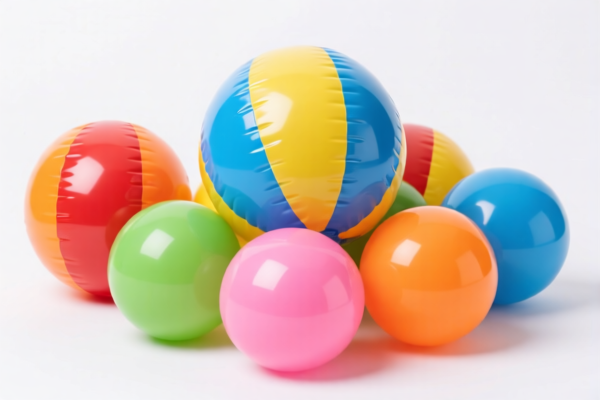
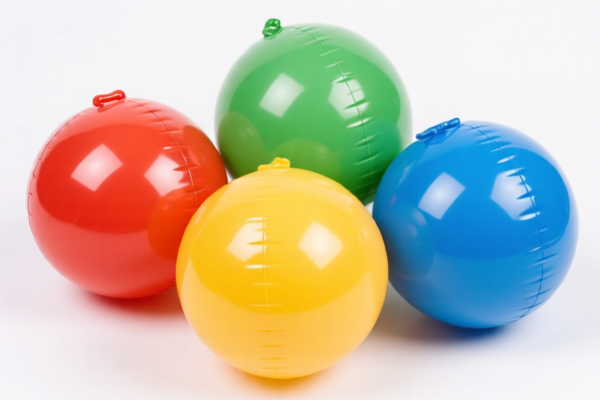
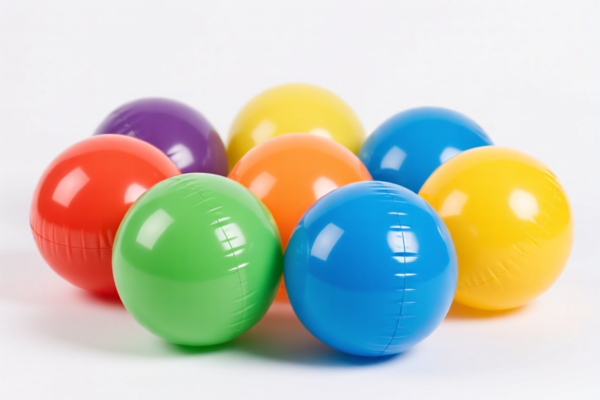
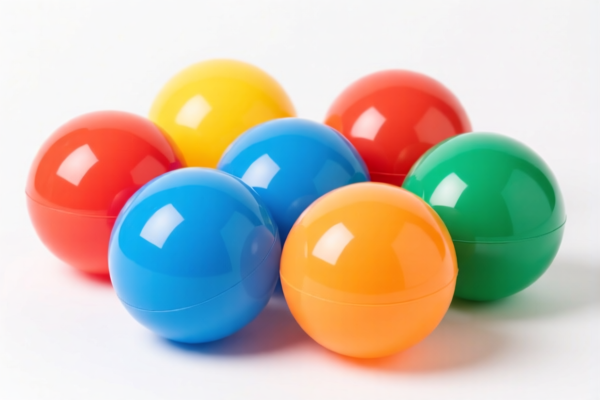
AI Analysis
🧸 Toddler Ball (Children's Toy Ball)
🌐 HS Code Reference & Customs Clearance Guide | 2026 Latest Tariff Analysis | Strategic通关 Strategy for Toys
📌 I. Product Definition & Classification: Understanding the "Toddler Ball"
A "Toddler Ball" refers to spherical toys designed specifically for young children (typically under 3 years old). In international trade, these items are primarily classified based on their primary use (toy) and material composition. The key debate in classification often lies between Chapter 95 (Toys) and Chapter 39/40 (Plastic/Rubber Articles).
⚠️ Key Distinction Point:
- If the item is clearly identified as a toy intended for children's play, it generally falls under HS 9503.
- If the material is strictly plastic or rubber and the toy classification is disputed or ambiguous, customs may default to Chapter 39 (Plastics) or Chapter 40 (Rubber).
- Note on Tariffs: The classification significantly impacts the final duty rate due to Section 301 and Section 122 tariffs on Chinese-origin goods.
📦 II. HS Code Classification Details (2026 Latest Tariff Authority Cross-Reference)
The data provides five potential classifications based on varying interpretations of material and use.
| HS Code | Product Description | Basis for Classification | Tax Rate (Total) |
|---|---|---|---|
9503.00.00.71 |
**Toys: Other toys; reduced-size ("scale") models and similar recreational models, working or not; puzzles of all kinds; models | Primary use is toy for children ("Toddler"). No material conflict. Fits "Children's products" definition. | 10.0% |
3926.40.00.90 |
Plastics and articles thereof: Other articles of plastics and articles of other materials of heading 39.26: Decorative articles and other articles | Infers plastic material (common for balls). Classified as a decorative or other plastic article (catch-all for plastic toys if not 9503). | 15.3% |
4016.99.20.00 |
Rubber and articles thereof: Other articles of rubber: Other: Other | Infers rubber material (common for toys). Classified as other vulcanized rubber articles. Fits "Pet/Toddler Toy" use without material conflict. | 14.3% |
3926.90.99.89 |
**Plastics and articles thereof: Other articles of plastics and articles of other materials: Other | Infers plastic/synthetic material. "Other plastic articles" catch-all. Note: This code attracts higher Section 301 tariffs. | 22.8% |
9503.00.00.11 |
Toys: Other toys; reduced-size ("scale") models and similar recreational models, working or not; puzzles of all kinds; models | Successful Match. Name "Toddler Ball" aligns with "Toy Ball". Material inferred as rubber/plastic, compatible with toy definition for "<3 years". | 10.0% |
🔍 Critical Reminder:
- HS 9503 (Toys) is generally the most favorable classification for toys, BUT it is subject to specific additional tariffs (Section 122).
- HS 3926/4016 (Materials) are often used when the "toy" nature is ambiguous or when importers seek different duty treatments, but they may carry higher base or additional duties depending on the specific subheading.
- Do not assume "Toy" automatically means lowest duty: Always check the Total Tax calculation including Section 301 and Section 122.
💰 III. 2026 Latest Tariff Rate Breakdown (Including Surcharges & Policy Add-ons)
✅ Applicable Country: United States (US)
✅ Origin: China (CN)
✅ Effective Time: 2025/2026 Current Regulations
🎯 1. 9503.00.00.71 & 9503.00.00.11 —— Toys (Children's Products)
| Item | Content |
|---|---|
| Base Duty | 0.0% (Ad Valorem) |
| Section 301 Surcharge | 0.0% |
| Section 122 Tariff | +10.0% |
| Total Rate | 10.0% |
| Tax Calculation | CIF Value × 10% |
| De Minimis Exemption | ❌ Not Available (Deny De Minimis for toys from China under specific rules) |
| Legal Basis Path | Section 122: 10% → HS 9503.00.00.71/11 |
📌 Explanation:
- The base duty is 0%, which is very low.
- However, Section 122 imposes a 10% surcharge on certain Chinese goods, including toys.
- Total Effective Rate: 10%. This is one of the most competitive rates for toddler balls from China.
🎯 2. 3926.40.00.90 —— Decorative Plastic Articles
| Item | Content |
|---|---|
| Base Duty | 5.3% |
| Section 301 Surcharge | 0.0% |
| Section 122 Tariff | +10.0% |
| Total Rate | 15.3% |
| Tax Calculation | CIF Value × 15.3% |
| De Minimis Exemption | ❌ Not Available |
| Legal Basis Path | Base: 5.3% → Section 122: 10% → HS 3926.40.00.90 |
📌 Explanation:
- If classified as a plastic decorative article, the base duty is 5.3%.
- Plus 10% Section 122.
- Total: 15.3%. Higher than the toy classification.
🎯 3. 4016.99.20.00 —— Other Rubber Articles
| Item | Content |
|---|---|
| Base Duty | 4.3% |
| Section 301 Surcharge | 0.0% |
| Section 122 Tariff | +10.0% |
| Total Rate | 14.3% |
| Tax Calculation | CIF Value × 14.3% |
| De Minimis Exemption | ❌ Not Available |
| Legal Basis Path | Base: 4.3% → Section 122: 10% → HS 4016.99.20.00 |
📌 Explanation:
- Base duty for rubber articles is 4.3%.
- Plus 10% Section 122.
- Total: 14.3%. Slightly lower than plastic decorative articles but higher than toys.
🎯 4. 3926.90.99.89 —— Other Plastic Articles
| Item | Content |
|---|---|
| Base Duty | 5.3% |
| Section 301 Surcharge | +7.5% |
| Section 122 Tariff | +10.0% |
| Total Rate | 22.8% |
| Tax Calculation | CIF Value × 22.8% |
| De Minimis Exemption | ❌ Not Available |
| Legal Basis Path | Base: 5.3% → Section 301: 7.5% → Section 122: 10% → HS 3926.90.99.89 |
📌 Explanation:
- This is the highest tax rate among the options.
- It incurs Section 301 (7.5%) AND Section 122 (10%) on top of the base duty.
- Total: 22.8%. Avoid this classification for toddlers' toys if possible.
🛠️ IV. Customs Clearance Practical Advice (Combat Pitfall Guide)
✅ 1. Document Preparation Checklist (Essential)
| Document | Must Provide | Description |
|---|---|---|
| ✅ Product Description | ✔️ | Clearly state "Toddler Ball", "Plastic/Rubber Toy", "For Children <3 Years". |
| ✅ Product Photos | ✔️ | Show the ball, any packaging, and size indicators. |
| ✅ Material Composition | ✔️ | Specify if it is PVC, Rubber, TPE, etc. Crucial for choosing between 9503, 3926, or 4016. |
| ✅ Intended Use Statement | ✔️ | Explicitly state "For Child Play/Toys". This supports HS 9503 classification. |
| ✅ Invoice & Packing List | ✔️ | Ensure value and weight are accurate. |
| ✅ Safety Certifications | ✔️ | ASTM F963 (US) or CPSIA compliance documents may be required for toys. |
✅ 2. Declaration Tips (Key Mnemonics)
🔥 "Toy First, Material Second; Name it Right, Save the Cost!"
| Scenario | Correct Declaration | Incorrect Practice |
|---|---|---|
| Standard Toddler Ball | HS 9503.00.00.71 or 11 + "Toy for Children" |
Describing as "Plastic Sphere" → HS 3926 → 15-22% tax |
| Rubber Ball | HS 4016.99.20.00 if not clearly a toy |
Describing as "Toy" but lacking usage proof → Risk of reclassification |
| Mixed Package (Ball + Accessory) | Declare as Toy if toy is primary value | Splitting declaration → Potential audit risk |
✅ 3. Special Situations Handling
| Situation | Handling Advice |
|---|---|
| OEM Custom Balls | Provide design drawings to prove "Toy" intent. |
| Ambiguous Material | If material is unknown, lean towards HS 9503 if it is clearly for play, as it has the lowest total tax (10%). |
| High-Value Ball | Consider if Section 301 applies. Note: 3926.90.99.89 has Section 301, while 9503 does not (only Sec 122). |
| De Minimis (Section 321) | ❌ Do not use. Toys from China are generally excluded from de minimis exemption. Full duty applies. |
🌍 V. Global Market Comparison (2026 Latest)
| Country/Region | Recommended HS Code | Total Tax Rate | Certification Requirements | Notes |
|---|---|---|---|---|
| 🇺🇸 USA | 9503.00.00.71 |
10.0% | CPSIA, ASTM F963 | Lowest tax due to 0% base + 10% Sec 122. |
| 🇨🇳 China (Import) | 9503.00.00.71 |
~0-5% | CCC (if applicable) | Low duty, but focus on quality standards. |
| 🇪🇺 EU | 9503.00.00 |
~0% | CE, EN71 | Generally low duty, strict safety rules. |
| 🇬🇧 UK | 9503.00.00 |
~0% | UKCA | Post-Brexit rules apply. |
📌 Conclusion:
- For US Imports, HS 9503 is the optimal classification for Toddler Balls, offering the lowest total tax rate of 10% (vs. 14-22% for material-based classifications).
- US is the only major market with specific Section 122/301 implications on these goods.
📌 VI. Common Errors & Pitfalls Guide (Lessons Learned)
❌ Error 1: Classifying as "Plastic Article" (3926) instead of "Toy" (9503)
👉 Consequence: Tax jumps from 10% to 15-22%. Significant cost increase.
❌ Error 2: Claiming "De Minimis" Exemption for Toys from China
👉 Consequence: Goods seized or back-duty charged. Toys are excluded from Section 321 de minimis.
❌ Error 3: Misidentifying Material (e.g., calling Rubber "Plastic")
👉 Consequence: Incorrect HS Code (3926 vs 4016) leads to audit risk or incorrect tax calculation.
❌ Error 4: Vague Description ("Ball") without "Toy" Intent
👉 Consequence: Customs may default to material-based codes with higher duties.
✅ Correct Practice:
"Toddler Toy Ball, 6-inch Diameter, Made of TPE Plastic, For Children Under 3 Years, CPSIA Compliant"
🎯 VII. Conclusion: Professional Declaration Saves Money!
🎯 Remember the Mantra:
🔹 "Toy First, Lowest Tax; Material Second, Higher Cost!"
🔹 "HS 9503 is King for Toys: 10% Total, Not 22%!"
🔹 "No De Minimis for Chinese Toys: Declare Properly!"
📌 Pro Tip:
- If your toddler balls are high-value or complex, consider applying for an Advance Ruling from US Customs and Border Protection (CBP) to confirm HS 9503 classification.
- Always ensure safety certifications (CPSIA) are ready, as toys are heavily regulated in the US.
📣 Immediate Action:
📞 Contact a licensed customs broker.
📝 Provide Product Photos + Material Spec + Usage Statement.
🚀 Ensure your declaration reads "TOY" to secure the 10% tax rate.
✨ Professional Customs Clearance Starts with Precise Classification!
💼 Your Every Dollar Saved is Precisely Calculated!
Customer Reviews
About HS Code Classification
The Harmonized System (HS) is an internationally standardized nomenclature developed by the World Customs Organization (WCO) to classify traded products. Over 200 countries use the HS system as the basis for customs tariffs, trade statistics, and import/export regulations.
Each HS code follows a hierarchical structure:
- Chapter (2 digits) — Broad category of goods (e.g., Chapter 84: Machinery and Mechanical Appliances)
- Heading (4 digits) — More specific grouping within the chapter
- Subheading (6 digits) — Internationally standardized breakdown, used by all WCO member countries
- National subdivisions (8-10 digits) — Country-specific extensions for further classification, such as US HTSUS 10-digit codes
Correct HS code classification is essential for smooth customs clearance, accurate duty payment, and compliance with trade regulations. Misclassification can lead to customs delays, overpayment of duties, or penalties.
When importing from CN to US, the applicable tariff rates may include:
- Most-Favored-Nation (MFN) rate — The standard duty rate applied to WTO members
- General rate — Applied to countries without trade agreements
- Trade remedy duties — Additional tariffs such as Section 301 (anti-dumping), Section 232 (national security), or countervailing duties
The information provided on this page is for reference purposes only. For official classification, please consult with your local customs authority or a licensed customs broker.