toe protector
CN → US| HS Code | Tariff Rate | Origin | Destination | Doc |
|---|---|---|---|---|
| 9021100090 | 10.0% | CN | US | Official Doc |
| 9021908100 | 10.0% | CN | US | Official Doc |
| 6115999000 | 27.4% | CN | US | Official Doc |
| 3926909989 | 22.8% | CN | US | Official Doc |
| 6115298040 | 26.0% | CN | US | Official Doc |
Product Images



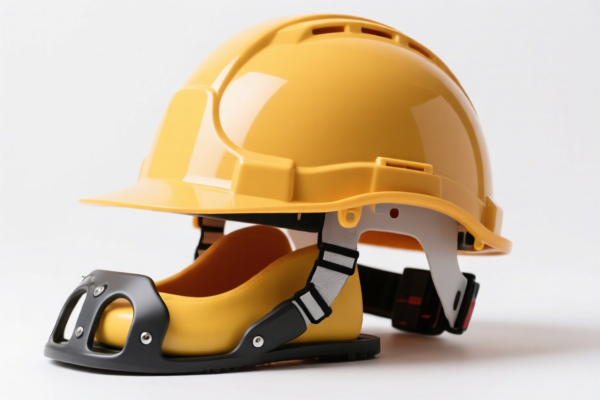
AI Analysis
🦶 Toe Protector (Medical & Orthopedic Aid)
🌐 HS Code Reference & Customs Clearance Guide | 2026 Latest Tariff Analysis | Professional Clearance Strategy
📌 I. Product Definition: What Exactly is a "Toe Protector"?
A Toe Protector is a specialized accessory designed to cushion, protect, or align toes. In international trade, its classification is highly debated because it straddles the line between medical devices, knitted garments, and plastic accessories.
Depending on the material (Silicone, Fabric, Plastic) and intended use (Medical Orthopedic vs. Fashion/Hygiene), it can fall into four distinct HS Code categories. Misclassification here can lead to massive tariff differences (from 0% to 27.4%).
⚠️ Key Classification Logic:
- If used for medical correction/protection of deformities → Likely Chapter 90 (Medical Instruments).
- If made of Silicone/Plastic for general protection → Likely Chapter 39 (Plastics).
- If made of Knitted Fabric → Likely Chapter 61 (Apparel/Hosiery).
📦 II. HS Code Classification Details (2026 Tariff Book)
| HS Code | Product Description | Material Inference | Primary Use Case |
|---|---|---|---|
9021.10.00.90 |
Accessories for Orthopedic Appliances (Other) | Silicone, Fabric, or Composite | Medical correction, post-surgery protection, bunion alignment. |
9021.90.81.00 |
Other Orthopedic Appliances (Plastic/Silicone based) | Silicone or Soft Plastics | Protecting/compensating for foot defects; general orthopedic aid. |
6115.99.90.00 |
Other Knitted/Crocheted Hosiery (Other) | Textile/Fabric/Knitted | Toe sleeves, non-medical toe socks, fashion protective liners. |
3926.90.99.89 |
Other Articles of Plastic | Silicone or Plastic | General-purpose silicone toe caps, durable plastic protectors. |
6115.29.80.40 |
Other Hosiery (Non-wool/non-cotton) | Silk, Synthetic Fiber, or Silicone-blend | Medical-grade compression socks with toe protection. |
🔍 Crucial Distinction:
- Medical vs. Non-Medical: If the product claims to "correct," "support," or "treat" a medical condition (e.g., hammertoes), customs leans toward Chapter 90.
- Material Dominance: If it’s purely a silicone sleeve for friction reduction (no medical claim), Chapter 39 or 61 may apply, but tariffs are significantly higher.
💰 III. 2026 Tariff Rate Breakdown (US Import from China)
✅ Applicable Country: United States (US)
✅ Origin: China (CN)
✅ Effective Date: Post-2025 Trade Policies (including Section 301 & IEEPA tariffs)
🎯 1. 9021.10.00.90 & 9021.90.81.00 — Medical/Orthopedic Category 🏥
Best for: Clinically approved toe splints, post-op bunion protectors.
| Item | Content |
|---|---|
| Base Duty | 0% (ad valorem) |
| Section 301/Additional Duty | 0% |
| IEEPA Section 122 Tariff | +10% (Specific to certain Chinese orthopedic/accessory goods under new provisions) |
| Total Tariff Rate | 10.0% |
| De Minimis Exemption | ❌ Not Eligible (Value exceeds $800 threshold usually, or classified as controlled goods) |
| Legal Path | HTSUS:9021.10 → FOOTNOTE:122 |
📌 Explanation:
- This is the lowest tariff option if the product can be substantiated as a medical/orthopedic accessory.
- Section 122 Tariff (10%) applies to specific categories of medical supplies and accessories.
- Requirement: Must provide medical device documentation or clear orthopedic purpose.
🎯 2. 3926.90.99.89 — Plastic Articles 🧴
Best for: Generic silicone toe separators, non-medical protective caps.
| Item | Content |
|---|---|
| Base Duty | 5.3% |
| Section 301 Additional Duty | +7.5% |
| IEEPA Section 122 Tariff | +10% |
| Total Tariff Rate | 22.8% |
| De Minimis Exemption | ❌ Not Eligible |
| Legal Path | HTSUS:3926.90 → USITC:7.5% → FOOTNOTE:122 |
📌 Explanation:
- Silicone is often classified under Chapter 39 (Plastics) if not specifically covered elsewhere.
- High tariff burden due to Section 301 (7.5%) + Base Duty (5.3%) + IEEPA (10%).
🎯 3. 6115.99.90.00 — Knitted Textiles 🧦
Best for: Fabric toe sleeves, cotton/nylon toe socks.
| Item | Content |
|---|---|
| Base Duty | 9.9% |
| Section 301 Additional Duty | +7.5% |
| IEEPA Section 122 Tariff | +10% |
| Total Tariff Rate | 27.4% |
| De Minimis Exemption | ❌ Not Eligible |
| Legal Path | HTSUS:6115.99 → USITC:7.5% → FOOTNOTE:122 |
📌 Explanation:
- Textiles face the highest combined tariff rate among the options.
- Base duty is high (9.9%), and unlike plastics, there is no specific exemption for "textile toe protectors."
🎯 4. 6115.29.80.40 — Other Hosiery 🧦
Best for: Specialized medical hosiery with toe coverage.
| Item | Content |
|---|---|
| Base Duty | 16.0% |
| Section 301 Additional Duty | 0% |
| IEEPA Section 122 Tariff | +10% |
| Total Tariff Rate | 26.0% |
| De Minimis Exemption | ❌ Not Eligible |
| Legal Path | HTSUS:6115.29 → FOOTNOTE:122 |
📌 Explanation:
- No Section 301 duty (0%), but the Base Duty is very high (16%).
- Suitable if the product is clearly "hosiery" but not standard socks.
🛠️ IV. Customs Clearance Practical Advice (Risk Avoidance)
✅ 1. Documentation Checklist (Non-Negotiable)
| Document | Required? | Purpose |
|---|---|---|
| ✅ Product Specification Sheet | ✔️ | Detail material (Silicone vs. Fabric), dimensions, and weight. |
| ✅ Medical Claim Statement | ✔️ | If claiming 9021, provide a statement: "Intended for medical correction of toe deformities." |
| ✅ Material Composition Certificate | ✔️ | Proves if >50% is textile (for Ch 61) or plastic/silicone (for Ch 39/90). |
| ✅ Photos (Labeled) | ✔️ | Show the product with and without packaging; highlight medical features if applicable. |
| ✅ Commercial Invoice | ✔️ | Clear description: "Silicone Toe Orthopedic Protector" vs. "Fabric Toe Sleeve." |
✅ 2. Strategic Classification Tips
🔥 "Medical First, Material Second, Tariff Minimized!"
| Scenario | Recommended HS Code | Why? |
|---|---|---|
| Silicone Bunion Corrector | 9021.90.81.00 |
10% Tariff. Argue "Orthopedic Appliance." |
| Fabric Toe Separator for Sports | 6115.99.90.00 |
27.4% Tariff. No medical claim → Textile. |
| Cheap Silicone Toe Rings | 3926.90.99.89 |
22.8% Tariff. No medical use → Plastic. |
| Medical Compression Toe Sock | 6115.29.80.40 |
26.0% Tariff. Hosiery classification. |
📌 Critical Warning:
- Do NOT misdeclare a medical device as "Plastic Toy" or "Textile Accessory" to save taxes. US Customs (CBP) regularly audits orthopedic goods.
- If using9021, ensure your marketing materials and invoices reflect medical/orthopedic utility. Vague terms like "comfort" may trigger a re-classification to Chapter 39 or 61.
✅ 3. Special Cases
| Case | Handling Advice |
|---|---|
| OEM Custom Silicone Protectors | Provide design drawings showing structural support features to justify Chapter 90. |
| Pre-packaged Medical Kits | Ensure the kit’s primary function is medical. If it’s a "beauty kit" with a toe separator, it may fall under beauty accessories (higher tariffs). |
| Samples vs. Commercial | Small samples under $800 may qualify for De Minimis (Section 321), but verify if the HS Code is restricted. Medical devices are often scrutinized even under de minimis. |
🌍 V. Global Market Comparison (2026)
| Country/Region | Recommended HS Code | Est. Tariff | Certification Required | Notes |
|---|---|---|---|---|
| 🇺🇸 USA | 9021.90.81.00 |
10.0% | FDA Registration (if medical) | Best option for medical-grade. |
| 🇨🇳 China | 9021.90.81.00 |
~5-7% | NMPA (if medical) | Lower tariffs, domestic support. |
| 🇪🇺 EU | 9021.10 |
0% | CE Mark (MDD/MDR) | Free trade for many orthopedic items. |
| 🇬🇧 UK | 9021.10 |
0% | UKCA Mark | Post-Brexit alignment with EU standards. |
📌 Conclusion:
- USA is the most tariff-sensitive market for non-medical classifications.
- EU/UK offers significant advantages if you can certify the product as a medical device (CE/UKCA).
- Strategy: Aim for9021in the US to keep tariffs at 10%. Avoid6115(27.4%) unless you have no other choice.
📌 VI. Common Mistakes & Pitfalls (Lessons Learned)
❌ Mistake 1: Declaring "Silicone Toe Protector" as 9021 without medical justification.
👉 Result: CBP reclassifies to 3926.90.99.89 → Back taxes + Penalties.
❌ Mistake 2: Using "Toe Sock" description for a solid silicone product.
👉 Result: Reclassified to 6115.99.90.00 → Higher tariff (27.4%).
❌ Mistake 3: Ignoring the "Section 122" tariff.
👉 Result: Underestimating costs by 10% on all categories listed above.
✅ Correct Practice:
"Silicone Orthopedic Toe Splint, for correction of Hallux Valgus, Medical Grade, FDA Cleared (if applicable)."
🎯 VII. Conclusion: Professional Declaration, Cost Efficiency!
🎯 Remember the Golden Rule:
🔹 "Medical Claim = 10% Tariff"
🔹 "Plastic/Fabric = 22-27% Tariff"
🔹 "Documentation is Key to Claiming Chapter 90!"
📌 Pro Tip:
If your product is silicone-based, invest in medical device registration (even if not required for sale, it helps customs classification). This simple step can save you 12.8% in tariffs compared to classifying it as plastic.
📣 Immediate Action:
📞 Consult a customs broker to review your product specs.
🚀 Apply for CBP Ruling if importing large volumes.
💼 Don't let tariff surprises eat your margins!
✨ Smart Customs, Smart Profits!
💼 Your Border Cost, Optimized!
Customer Reviews
About HS Code Classification
The Harmonized System (HS) is an internationally standardized nomenclature developed by the World Customs Organization (WCO) to classify traded products. Over 200 countries use the HS system as the basis for customs tariffs, trade statistics, and import/export regulations.
Each HS code follows a hierarchical structure:
- Chapter (2 digits) — Broad category of goods (e.g., Chapter 84: Machinery and Mechanical Appliances)
- Heading (4 digits) — More specific grouping within the chapter
- Subheading (6 digits) — Internationally standardized breakdown, used by all WCO member countries
- National subdivisions (8-10 digits) — Country-specific extensions for further classification, such as US HTSUS 10-digit codes
Correct HS code classification is essential for smooth customs clearance, accurate duty payment, and compliance with trade regulations. Misclassification can lead to customs delays, overpayment of duties, or penalties.
When importing from CN to US, the applicable tariff rates may include:
- Most-Favored-Nation (MFN) rate — The standard duty rate applied to WTO members
- General rate — Applied to countries without trade agreements
- Trade remedy duties — Additional tariffs such as Section 301 (anti-dumping), Section 232 (national security), or countervailing duties
The information provided on this page is for reference purposes only. For official classification, please consult with your local customs authority or a licensed customs broker.