tool pliers
CN → US| HS Code | Tariff Rate | Origin | Destination | Doc |
|---|---|---|---|---|
| 8203204000 | 47.0% | CN | US | Official Doc |
| 8206000000 | 0.0% | CN | US | Official Doc |
| 8203206030 | 0.0% | CN | US | Official Doc |
| 8203202000 | 39.0% | CN | US | Official Doc |
| 8205513060 | 38.7% | CN | US | Official Doc |
Product Images
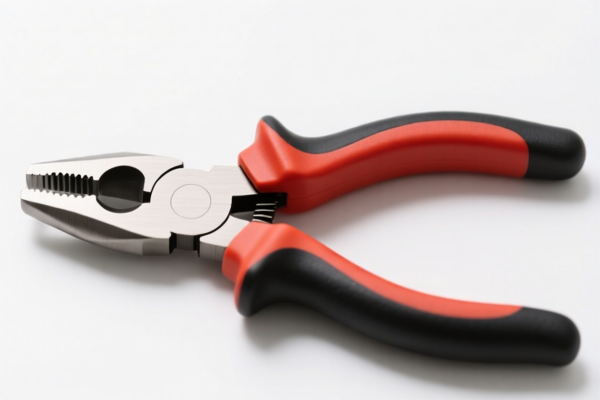
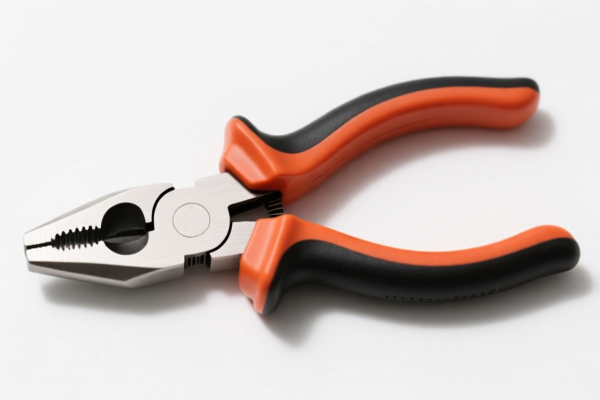
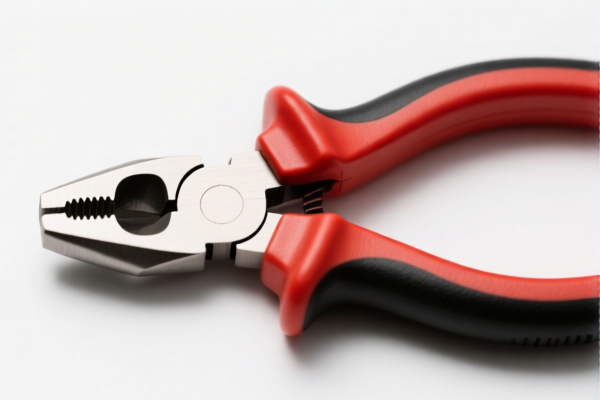
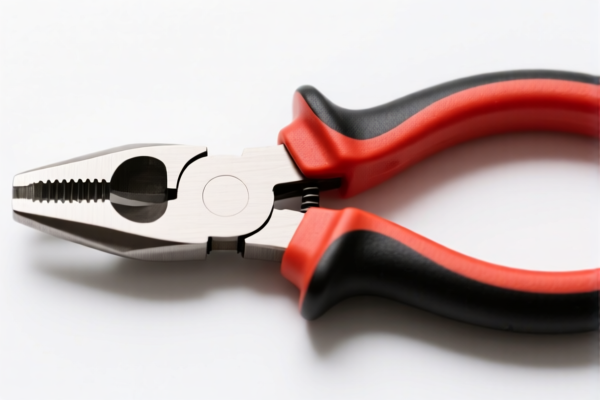
AI Analysis
🔧 Pliers Tools (Hand Tools)
🌐 HS Code Reference & Customs Clearance Guide | 2026 Latest Tariff Analysis | Professional Entry Strategy
📌 I. Product Definition & Classification: Do You Really Understand "Pliers"?
Pliers, in international trade, are primarily classified under Chapter 82: Tools, Implements, Cutlery, Spoons and Forks, of Base Metal; Parts Thereof. The classification depends heavily on whether the tool is a standard single item, a retail kit (set), or its specific material/usage.
Key Distinction: * Individual Pliers: Classified under heading 8203 (Pliers, pincers, etc.). * Pliers Kits (Sets): If sold as a retail set containing pliers and other tools (e.g., screwdrivers, wrenches) from headings 8202–8205, they fall under heading 8206. * Material/Usage: If the pliers are generic household tools not specifically defined elsewhere, they may fall under residual headings like 8205.
⚠️ Critical Classification Point:
- If it is a single pair of metal pliers → 8203.xxxx
- If it is a retail kit containing pliers + other tools (8202–8205 range) → 8206.00
- If it is a household metal tool without specific definition → 8205.xxxx
📦 II. HS Code Classification Details (2026 Latest Tariff Authority Match)
| HS Code | Product Description | Application Scenario | Duty Rate Summary |
|---|---|---|---|
8203.20.40.00 |
Pliers set, metal material, classified as parts of base metal or hand tools | Standard metal pliers, specific subsets within 8203 | 47.0% |
8206.00.00.00 |
Pliers set, retail sales set, within the scope of headings 8202–8205 | Retail kits containing pliers + other tools (screwdrivers, etc.) | Base Rate + 35.0% |
8203.20.60.30 |
Pliers tools, purpose/shape consistent with Pliers, inferred metal material | Standard pliers, specific subheading for metal pliers | 12¢/doz. + 5.5% + 35.0% |
8203.20.20.00 |
Pliers tools, conform to definition of pliers and similar tools | Standard pliers, general metal hand tools | 39.0% |
8205.51.30.60 |
Pliers tools, household tool category, inferred iron/steel, residual category | General household pliers, not specifically defined in 8203/8206 | 38.7% |
🔍 Key Reminder:
- Sets vs. Items: If you sell a kit (e.g., 10-piece tool set including pliers), use 8206.00.00.00. Do not use 8203 codes for sets. - Material Inference: If material is not explicitly stated, customs may infer metal/steel for pliers, triggering specific base duties. - Retail vs. Bulk: "Retail sales set" implies individual packaging for end-users; bulk industrial pliers may have different subheadings.
💰 III. 2026 Latest Tariff Rate Details (Including Surcharge & Policy Add-ons)
✅ Applicable Country: United States (US)
✅ Origin: China (CN)
✅ Effective Time: 2025–2026 (Current Trade War Rates)
🎯 1. 8203.20.40.00 —— Pliers, Metal Material (Specific Subset)
| Item | Content |
|---|---|
| Base Duty Rate | 12.0% |
| Section 301 Surcharge | 25.0% |
| Section 122 Surcharge | 10.0% |
| Total Duty Rate | 47.0% |
| Calculation Basis | CIF Value × 47% |
| De Minimis Exemption | ❌ Not Applicable |
| Legal Basis Path | Section 301: 8203.20.40.00 → Section 122: 10% |
📌 Explanation:
- Base 12%: Standard US MFN duty for specific pliers. - Section 301 25%: Tariffs on Chinese goods under Trade Act of 1974 Section 301. - Section 122 10%: Additional surcharge on certain Chinese imports. - Total 47%: High tariff burden. Must be factored into pricing.
🎯 2. 8206.00.00.00 —— Pliers Sets (Retail Kits)
| Item | Content |
|---|---|
| Base Duty Rate | Rate applicable to the article in the set (varies by component) |
| Section 301 Surcharge | 25.0% |
| Section 122 Surcharge | 10.0% |
| Total Duty Rate | Base Rate + 35.0% |
| Calculation Basis | CIF Value × (Base + 35%) |
| De Minimis Exemption | ❌ Not Applicable |
| Legal Basis Path | Chapter 82 Note 3 → Section 301 → Section 122 |
📌 Note:
- Rule of General Interpretation 3(b): Sets are classified by the component that gives them their essential character. - If the set contains plenty of pliers, it may still lean towards 8203, but if mixed with screwdrivers/wrenches, 8206 is standard. - Base rate varies: Check each component's duty. Total effective rate is often 35%–47% depending on components.
🎯 3. 8203.20.60.30 —— Standard Metal Pliers
| Item | Content |
|---|---|
| Base Duty Rate | 12¢/doz. + 5.5% |
| Section 301 Surcharge | 25.0% |
| Section 122 Surcharge | 10.0% |
| Total Duty Rate | 12¢/doz. + 5.5% + 35.0% |
| Calculation Basis | (12¢/dozen) + (CIF × 40.5%) |
| De Minimis Exemption | ❌ Not Applicable |
| Legal Basis Path | 8203.20.60.30 → Section 301 → Section 122 |
📌 Explanation:
- Specific Rate: 12 cents per dozen plus 5.5% ad valorem. - Surcharge: +35% total (25% Sec 301 + 10% Sec 122). - Effective Rate: For high-value pliers, the percentage dominates. For low-value bulk pliers, the per-unit fee applies.
🎯 4. 8203.20.20.00 —— General Pliers Tools
| Item | Content |
|---|---|
| Base Duty Rate | 4.0% |
| Section 301 Surcharge | 25.0% |
| Section 122 Surcharge | 10.0% |
| Total Duty Rate | 39.0% |
| Calculation Basis | CIF Value × 39% |
| De Minimis Exemption | ❌ Not Applicable |
| Legal Basis Path | 8203.20.20.00 → Section 301 → Section 122 |
📌 Note:
- Low Base Rate: Only 4% base, but still hits 35% surcharge. - Common Classification: Many standard pliers fall here if not specified further.
🎯 5. 8205.51.30.60 —— Household Pliers (Residual)
| Item | Content |
|---|---|
| Base Duty Rate | 3.7% |
| Section 301 Surcharge | 25.0% |
| Section 122 Surcharge | 10.0% |
| Total Duty Rate | 38.7% |
| Calculation Basis | CIF Value × 38.7% |
| De Minimis Exemption | ❌ Not Applicable |
| Legal Basis Path | 8205.51.30.60 → Section 301 → Section 122 |
📌 Explanation:
- Residual Category: If pliers don't fit specific 8203 subheadings, they go here. - Household Use: Often used for DIY/home repair pliers. - Total ~39%: Similar to general pliers.
🛠️ IV. Customs Clearance Practical Advice (Battle-Tested Pitfall Guide)
✅ 1. Required Documentation Checklist (All Mandatory)
| Document | Must Provide | Description |
|---|---|---|
| ✅ Product Specification Sheet | ✔️ | Material (e.g., Cr-V steel, carbon steel), dimensions, weight, usage |
| ✅ Product Photos (with Label) | ✔️ | Clear view of logo, model, "Made in China" mark |
| ✅ Commercial Invoice | ✔️ | State: "Pliers Tools, Model XYZ, HS Code: [Correct Code]" |
| ✅ Packing List | ✔️ | Detail if sold as single items or retail sets |
| ✅ Certificate of Origin | ✔️ | If not China-origin, apply for lower duty |
| ✅ Third-Party Test Report | ✔️ | Not required for tools, but helpful if disputed |
✅ 2. Declaration Tips (Key Mantra)
🔥 "Sets go to 8206, singles go to 8203, be precise or pay more!"
| Scenario | Correct Declaration | Incorrect Practice |
|---|---|---|
| Single Pair of Pliers | 8203.xxxx.xxxx |
Declare as "Set" → Wrong Code |
| Retail Kit (Pliers + Screwdriver) | 8206.00.00.00 |
Declare as "Pliers" → Underpayment Risk |
| Bulk Industrial Pliers | 8203.20.xxxx |
Declare as "Household" → Audit Risk |
| Plastic-Coated Pliers | Still 8203 (Base Metal) |
Declare as "Plastic Tools" → 83% Duty Risk |
✅ 3. Special Cases Handling
| Scenario | Handling Advice |
|---|---|
| OEM Pliers | Provide customer PO + design drawing to prove classification |
| Pliers with Non-Metal Handles | Still classified under 8203 (base metal tool). Do not split. |
| Pliers in Gift Sets | If mixed with non-8202–8205 items (e.g., candles), may be excluded. Keep sets within 8202–8205 scope for 8206. |
| Counterfeit/No Brand | Provide generic description. Avoid brand names that trigger IP seizures. |
🌍 V. Global Market Comparison (2026 Latest)
| Country/Region | Recommended HS Code | Tariff (China Origin) | Certification | Notes |
|---|---|---|---|---|
| 🇺🇸 USA | 8203.xxxx or 8206 |
39%–47% | None required | High Tariff due to Section 301 & 122 |
| 🇨🇳 China | 8203.xxxx |
~5–10% | CCC (if electrical, not for pliers) | Low tariff |
| 🇪🇺 EU | 8203.xxxx |
0–4% | CE (if applicable) | No surcharge |
| 🇬🇧 UK | 8203.xxxx |
0–4% | UKCA | Post-Brexit, similar to EU |
| 🇦🇺 Australia | 8203.xxxx |
5% | RCM (if electrical) | No surcharge |
📌 Conclusion:
- USA is the only major market with high surcharges (35%–38%) on Chinese pliers. - China origin pliers entering the US face ~40%–47% total duty. - Consider supply chain diversification (e.g., Vietnam, Mexico) to avoid Section 301 tariffs.
📌 VI. Common Mistakes & Pitfalls (Blood & Tears Lessons)
❌ Mistake 1: Declaring a Retail Kit as a Single Plier (8203 instead of 8206)
👉 Consequence: Incorrect classification, possible penalty, or delayed clearance.
❌ Mistake 2: Not declaring Section 301/122 surcharges
👉 Consequence: Underpayment → Back taxes + Interest + Penalties.
❌ Mistake 3: Using vague descriptions like "Metal Tools"
👉 Consequence: Customs assigns default higher duty code → Higher cost.
❌ Mistake 4: Ignoring Material Composition
👉 Consequence: If "Stainless Steel" vs "Carbon Steel" affects base rate, misdeclaration leads to audit.
✅ Correct Practice:
"Hand Pliers, Cr-V Steel, 8-inch, Model XYZ, HS Code: 8203.20.20.00, Made in China"
🎯 VII. Conclusion: Professional Classification, Save Money, Smooth Clearance!
🎯 Remember the Mantra:
🔹 "Sets to 8206, Singles to 8203, Always add 35% for China!"
🔹 "HS Code defines duty, 47% is the max, declare correctly or pay dearly!"
📌 Pro Tip:
If your pliers are originating from Vietnam, Mexico, Thailand, or Malaysia, you may qualify for IEEPA/Section 301 Exemptions, reducing duty to 0%–5%.
Apply for Advance Ruling (Pre-classification) to avoid clearance risks.
📣 Immediate Action:
📞 Contact a Professional Customs Broker + Provide Product Photos + Apply for HS Code Pre-classification
🚀 Ensure your pliers clear customs smoothly, maximize profits, and enter the US market efficiently!
✨ Professional Clearance Starts with Accurate Classification!
💼 Every Cent of Your Cost Deserves Precise Calculation!
Customer Reviews
About HS Code Classification
The Harmonized System (HS) is an internationally standardized nomenclature developed by the World Customs Organization (WCO) to classify traded products. Over 200 countries use the HS system as the basis for customs tariffs, trade statistics, and import/export regulations.
Each HS code follows a hierarchical structure:
- Chapter (2 digits) — Broad category of goods (e.g., Chapter 84: Machinery and Mechanical Appliances)
- Heading (4 digits) — More specific grouping within the chapter
- Subheading (6 digits) — Internationally standardized breakdown, used by all WCO member countries
- National subdivisions (8-10 digits) — Country-specific extensions for further classification, such as US HTSUS 10-digit codes
Correct HS code classification is essential for smooth customs clearance, accurate duty payment, and compliance with trade regulations. Misclassification can lead to customs delays, overpayment of duties, or penalties.
When importing from CN to US, the applicable tariff rates may include:
- Most-Favored-Nation (MFN) rate — The standard duty rate applied to WTO members
- General rate — Applied to countries without trade agreements
- Trade remedy duties — Additional tariffs such as Section 301 (anti-dumping), Section 232 (national security), or countervailing duties
The information provided on this page is for reference purposes only. For official classification, please consult with your local customs authority or a licensed customs broker.