towing hitch fasteners
CN → US| HS Code | Tariff Rate | Origin | Destination | Doc |
|---|---|---|---|---|
| 8708996890 | 87.5% | CN | US | Official Doc |
| 8716905060 | 38.1% | CN | US | Official Doc |
| 7326908688 | 87.9% | CN | US | Official Doc |
| 8716905010 | 38.1% | CN | US | Official Doc |
| 7326190080 | 87.9% | CN | US | Official Doc |
Product Images
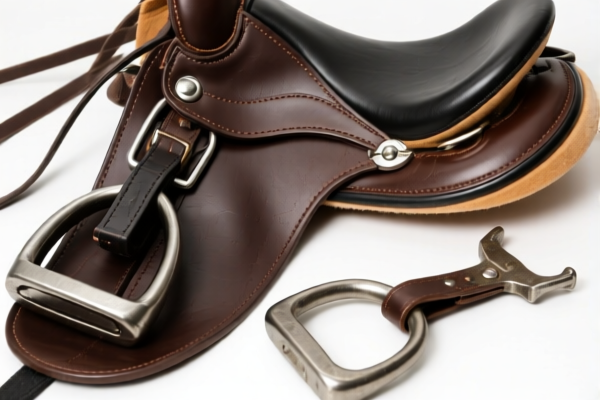
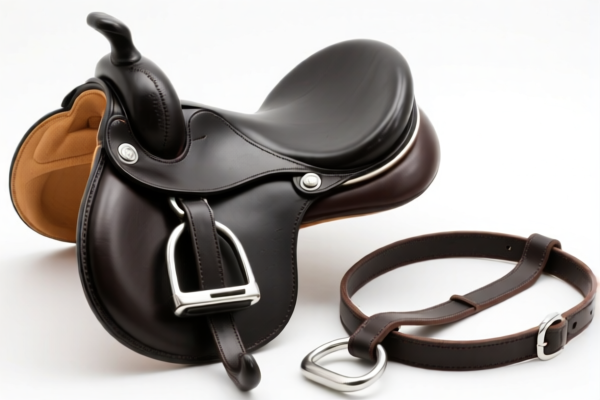
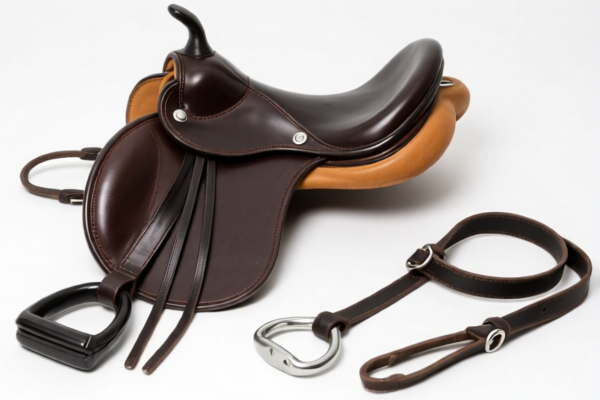
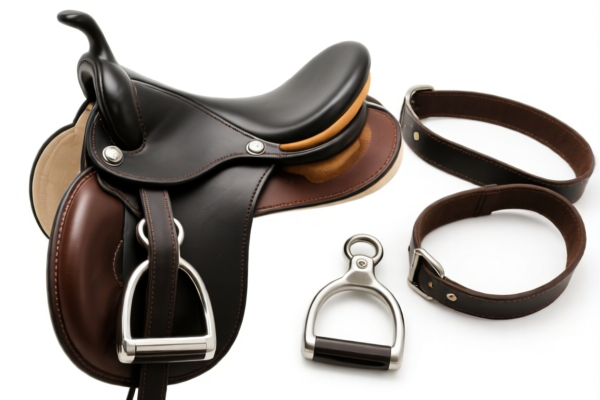
AI Analysis
🔗 Towing Hitch Fasteners (拖车钩/牵引钩紧固件)
🌐 HS Code Reference & Customs Clearance Guide | 2024-2026 Tax Classification Analysis | Strategic Import Strategy
📌 I. Product Definition & Classification: What Exactly Are "Towing Hitch Fasteners"?
In international trade, Towing Hitch Fasteners (often referred to as Hitches, Tow Bars, or Trailer Couplings) are critical mechanical components used to connect towing vehicles to trailers, caravans, or other loads. Their classification depends heavily on material composition, application context (Vehicle vs. Non-Vehicle), and structural function.
Two Main Categories: 1. Motor Vehicle Parts: Hitches designed for cars, trucks, or SUVs. 2. Non-Vehicle/Trailer Parts: Hitches specifically for trailers, carts, or industrial transport.
⚠️ Key Distinction Point:
- If it attaches directly to a motor vehicle chassis and is considered a "part of the vehicle" → Classify under Chapter 87 (Vehicles).
- If it is a standalone metal assembly not specifically identifiable as a vehicle part, or for trailers/non-motorized units → Classify under Chapter 73 (Iron/Steel Articles) or Chapter 87 (Trailer Parts).
📦 II. HS Code Classification Details (Based on Provided Data)
| HS Code | Product Description | Applicable Scenario | Material/Context |
|---|---|---|---|
8708.99.68.90 |
Other Parts and Accessories of Motor Vehicles | Attachments for Cars/Trucks (General "Other Parts" category) | Vehicle Part |
8716.90.50.60 |
Parts of Trailers and Semi-Trailers | Parts for Non-Vehicle Trailers/Caravans | Trailer Part |
7326.90.86.88 |
Other Articles of Iron or Steel | General Steel/Iron Hitch (Not specifically a vehicle part) | Steel Article |
8716.90.50.10 |
Other Parts of Trailers (Axle Parts etc.) | Specific Trailer Component Classification | Trailer Part |
7326.19.00.80 |
Other Articles of Iron or Steel (General Steel) | General Steel Hitch Article | Steel Article |
🔍 Critical Note:
- Vehicle Parts (87xx) and Trailer Parts (8716) generally have lower base tariffs (2.5%-3.1%) but are subject to significant additional tariffs (25% - 50%) depending on trade policies (e.g., Section 301, Section 232). - Steel Articles (73xx) often incur higher base tariffs or material-specific surcharges (e.g., 50% for steel/aluminum/copper under specific clauses), leading to very high total tax rates.
💰 III. 2024-2026 Tariff Rate Breakdown (Including Additional Taxes)
✅ Applicable Country: United States (US)
✅ Origin: China (CN)
✅ Effective Date: 2025-2026 (Including subsequent imports)
🎯 1. 8708.99.68.90 — Motor Vehicle Parts (General)
| Item | Content |
|---|---|
| Base Tariff | 2.5% (ad valorem) |
| Section 301 Additional Tariff | +25.0% |
| Section 232 Tariff (Steel/Aluminum/Copper) | +50.0% (If classified under this clause) |
| Total Tariff | 87.5% |
| Tax Calculation | CIF Value × 87.5% |
| De Minimis Eligible? | ❌ No (High tariffs prevent small package exemption in many cases) |
| Legal Basis Path | USITC:8708.99.68.90 → Section 301: 25% → Section 232: 50% |
📌 Explanation:
- Base 2.5%: Standard duty for vehicle parts. - 25% Section 301: Retaliatory tariff on Chinese goods. - 50% Section 232: Tariff on steel/aluminum products (if the hitch is deemed a steel article subject to this clause). - Total 87.5%: Extremely high cost. Importers must verify if the "Section 232" 50% applies strictly to this specific subheading. If not, the total may be 27.5% (2.5 + 25), but data provided indicates 87.5%, implying all tariffs stack.
🎯 2. 8716.90.50.60 — Parts of Trailers (Other Parts)
| Item | Content |
|---|---|
| Base Tariff | 3.1% (ad valorem) |
| Section 301 Additional Tariff | +25.0% |
| Section 232 Tariff | N/A (Not applied to this specific trailer part code in this dataset) |
| Total Tariff | 38.1% |
| Tax Calculation | CIF Value × 38.1% |
| De Minimis Eligible? | ❌ No |
| Legal Basis Path | USITC:8716.90.50.60 → Section 301: 25% |
📌 Explanation:
- Base 3.1%: Lower base duty for trailer parts. - 25% Section 301: Standard Chinese import tariff. - Total 38.1%: More manageable than vehicle parts, but still significant.
🎯 3. 7326.90.86.88 — Other Iron/Steel Articles
| Item | Content |
|---|---|
| Base Tariff | 2.9% (ad valorem) |
| Section 301 Additional Tariff | +25.0% |
| Section 232 Tariff (Steel/Aluminum/Copper) | +50.0% |
| Total Tariff | 87.9% |
| Tax Calculation | CIF Value × 87.9% |
| De Minimis Eligible? | ❌ No |
| Legal Basis Path | USITC:7326.90.86.88 → Section 301: 25% → Section 232: 50% |
📌 Explanation:
- Classifying as a general steel article triggers the 50% Section 232 tariff for steel products. - Total 87.9%: Highest bracket. Avoid this classification if the item can be justified as a vehicle/trailer part.
🎯 4. 8716.90.50.10 — Other Parts of Trailers (Axle/Component Specific)
| Item | Content |
|---|---|
| Base Tariff | 3.1% (ad valorem) |
| Section 301 Additional Tariff | +25.0% |
| Section 232 Tariff | N/A |
| Total Tariff | 38.1% |
| Tax Calculation | CIF Value × 38.1% |
| De Minimis Eligible? | ❌ No |
| Legal Basis Path | USITC:8716.90.50.10 → Section 301: 25% |
📌 Explanation:
- Similar to8716.90.50.60, this falls under trailer parts. - Total 38.1%: Consistent with other trailer part classifications.
🎯 5. 7326.19.00.80 — Other Iron/Steel Articles (General)
| Item | Content |
|---|---|
| Base Tariff | 2.9% (ad valorem) |
| Section 301 Additional Tariff | +25.0% |
| Section 232 Tariff (Steel/Aluminum/Copper) | +50.0% |
| Total Tariff | 87.9% |
| Tax Calculation | CIF Value × 87.9% |
| De Minimis Eligible? | ❌ No |
| Legal Basis Path | USITC:7326.19.00.80 → Section 301: 25% → Section 232: 50% |
📌 Explanation:
- General steel article classification. - Total 87.9%: Same as other steel codes. High risk due to Section 232.
🛠️ IV. Customs Clearance Practical Advice (Operational Pitfall Guide)
✅ 1. Documentation Checklist (Mandatory)
| Document | Required | Description |
|---|---|---|
| ✅ Product Specifications | ✔️ | Material (Steel/Aluminum), dimensions, load capacity, mounting type |
| ✅ Material Test Reports | ✔️ | Proof of steel grade (if Section 232 applies, origin of steel matters) |
| ✅ Product Photos | ✔️ | Clear images of mounting points, branding, and full assembly |
| ✅ Commercial Invoice | ✔️ | Clearly state "Towing Hitch Assembly" or "Trailer Coupling," NOT just "Steel Hardware" |
| ✅ Origin Certificate | ✔️ | Crucial for determining Section 301 applicability |
| ✅ Packing List | ✔️ | Detail components if shipped separately |
✅ 2. Classification Strategy (Key Mantra)
🔥 "Vehicle/Trailer Part First, Steel Second! Avoid Section 232 if Possible!"
| Scenario | Correct Classification | Wrong Approach |
|---|---|---|
| Hitch for a Car/Truck | 8708.99.68.90 (2.5% Base + 25% Sec 301 + 50% Sec 232 = 87.5%*) |
Classify as 7326 (Steel) → 87.9% |
| Hitch for a Trailer | 8716.90.50.60 or .10 (3.1% Base + 25% Sec 301 = 38.1%) |
Classify as 7326 (Steel) → 87.9% |
| General Steel Bracket | 7326.90.86.88 (2.9% Base + 25% Sec 301 + 50% Sec 232 = 87.9%) |
Use 8716 incorrectly |
📌 Note on Section 232:
- The data provided suggests that Section 232 (50%) applies to8708and7326codes.
- However, some vehicle parts are exempt from Section 232. Consult a customs broker to verify if8708.99.68.90qualifies for exemption. If exempt, the rate drops to 27.5% (2.5 + 25), which is a massive saving.
- Trailer parts (8716) typically do not attract Section 232, resulting in the 38.1% rate.
✅ 3. Special Circumstances
| Scenario | Handling Advice |
|---|---|
| OEM Parts for Automakers | Provide OEM agreements to justify 8708 classification. |
| Aftermarket Accessories | May be scrutinized more heavily. Ensure accurate description. |
| Kit Assembly (Hitch + Bolts) | Declare as a complete set under the primary item's HS Code. Do not split unless necessary. |
| Used Hitches | Subject to stricter inspection. Provide proof of prior use and condition. |
🌍 V. Global Market Comparison (2024-2026)
| Country/Region | Recommended HS Code | Estimated Tariff | Certification Requirements | Notes |
|---|---|---|---|---|
| 🇺🇸 USA | 8716.90.50.60 (Trailer) |
38.1% | NHTSA (if vehicle part), DOT | High tariffs due to Section 301/232 |
| 🇺🇸 USA | 8708.99.68.90 (Vehicle) |
27.5% - 87.5%* | NHTSA, FMVSS | Check Section 232 exemption |
| 🇨🇳 China | 8708 / 8716 |
5% - 10% | CCC (if vehicle part) | No Section 301/232 |
| 🇪🇺 EU | 8708 / 8716 |
4.5% | E-mark (if vehicle part) | No Section 301/232 |
| 🇨🇦 Canada | 8708 / 8716 |
0% - 6.5% | CMVSS (if vehicle part) | USMCA may apply |
📌 Conclusion:
- USA is the most challenging market due to Section 301 and 232 tariffs.
- Classifying as a Trailer Part (8716) is often more cost-effective (38.1%) than Vehicle Parts (8708) if Section 232 applies.
- Avoid7326(Steel Articles) unless absolutely necessary, as it triggers the highest combined rates (87.9%).
📌 VI. Common Errors & Pitfall Guide (Lessons Learned)
❌ Error 1: Classifying a Vehicle Hitch as 7326 (Steel Article)
👉 Consequence: Triggers 50% Section 232 tariff + 25% Section 301 → Total 87.9%.
💡 Fix: Justify as a vehicle part (8708) or trailer part (8716).
❌ Error 2: Splitting a Hitch Kit into "Steel Bar" and "Bolt Set"
👉 Consequence: Each component taxed separately, potentially leading to higher aggregate duties and customs scrutiny.
💡 Fix: Declare as a single "Towing Hitch Assembly" under the primary item's HS Code.
❌ Error 3: Ignoring Section 232 Applicability
👉 Consequence: Unexpected 50% tariff on steel products.
💡 Fix: Verify with CBP if your specific HS Code is exempt from Section 232.
❌ Error 4: Incorrect Description on Invoice
👉 Consequence: Customs may reclassify to the highest tariff bracket (7326).
💡 Fix: Use precise terms like "Trailer Hitch Assembly, Model XYZ."
✅ Correct Practice:
"Trailer Hitch Assembly, 2-inch Receiver, Steel Construction, Model TH-2024, Compliant with DOT Standards"
🎯 VII. Conclusion: Precise Classification Saves Millions!
🎯 Remember the Mantra:
🔹 "Trailer Parts (8716) are Cheaper than Steel Articles (7326)!"
🔹 "Vehicle Parts (8708) May Avoid Section 232 – Check Your Exemption!"
🔹 "Always Declare as a 'Assembly,' Not Just 'Steel Parts'!"
📌 Pro Tip:
If your towing hitches are originating from Vietnam, Mexico, or Thailand, you may qualify for IEEPA Exemptions or USMCA Zero Tariff (for Mexico/Canada).
Recommendation: Apply for Advance Ruling from CBP to confirm the exact HS Code and tariff liability before shipping.
📣 Immediate Action:
📞 Contact a Licensed Customs Broker + Provide Product Photos + Request Pre-Ruling
🚀 Ensure your Towing Hitch Fasteners clear customs smoothly, minimizing costs, and maximizing profit!
✨ Professional Clearance Starts with Accurate Classification!
💼 Every Percent of Tariff Saved is Pure Profit!
Customer Reviews
About HS Code Classification
The Harmonized System (HS) is an internationally standardized nomenclature developed by the World Customs Organization (WCO) to classify traded products. Over 200 countries use the HS system as the basis for customs tariffs, trade statistics, and import/export regulations.
Each HS code follows a hierarchical structure:
- Chapter (2 digits) — Broad category of goods (e.g., Chapter 84: Machinery and Mechanical Appliances)
- Heading (4 digits) — More specific grouping within the chapter
- Subheading (6 digits) — Internationally standardized breakdown, used by all WCO member countries
- National subdivisions (8-10 digits) — Country-specific extensions for further classification, such as US HTSUS 10-digit codes
Correct HS code classification is essential for smooth customs clearance, accurate duty payment, and compliance with trade regulations. Misclassification can lead to customs delays, overpayment of duties, or penalties.
When importing from CN to US, the applicable tariff rates may include:
- Most-Favored-Nation (MFN) rate — The standard duty rate applied to WTO members
- General rate — Applied to countries without trade agreements
- Trade remedy duties — Additional tariffs such as Section 301 (anti-dumping), Section 232 (national security), or countervailing duties
The information provided on this page is for reference purposes only. For official classification, please consult with your local customs authority or a licensed customs broker.