training ball
CN → US| HS Code | Tariff Rate | Origin | Destination | Doc |
|---|---|---|---|---|
| 9503000011 | 10.0% | CN | US | Official Doc |
| 9506692080 | 17.5% | CN | US | Official Doc |
| 9506696020 | 22.4% | CN | US | Official Doc |
| 9503000013 | 10.0% | CN | US | Official Doc |
| 3926903500 | 16.5% | CN | US | Official Doc |
Product Images
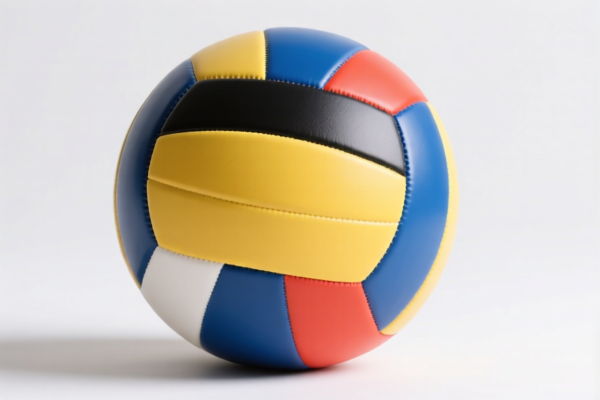
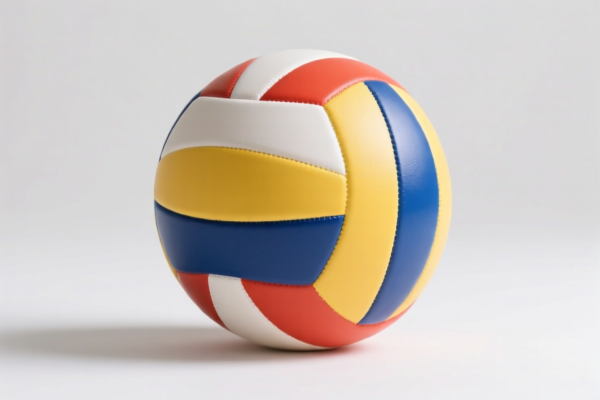
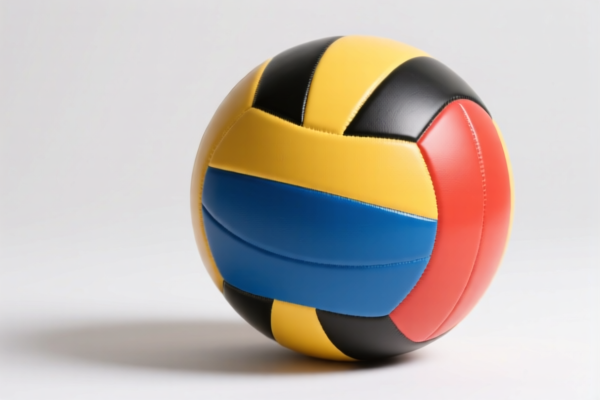
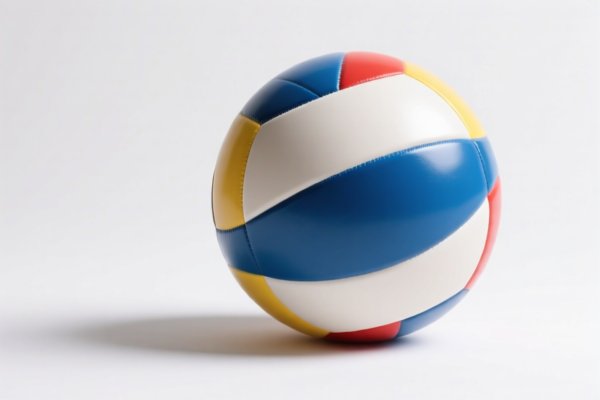
AI Analysis
🏀 Training Ball: HS Code Classification & Customs Clearance Guide | 2026 Tariff Deep Dive
🌐 HS Code Reference & Customs Guide | 2026 Latest Tariff Analysis | Professional Clearance Strategy
📌 I. Product Definition & Classification: Do You Really Understand "Training Balls"?
A Training Ball is a versatile sports equipment item used for physical therapy, rehabilitation, athletic skill development, and general fitness. In international trade, its classification depends heavily on material, specific usage, and form. It is not a single fixed category but spans across toys, sports equipment, and plastic articles.
⚠️ Key Distinction Points:
- If it resembles a standard ball (spherical, inflatable or non-inflatable) for play → Chapter 95 (Toys) or Chapter 95 (Sports Equipment)
- If it is specifically designed as a "rubber/plastic exercise tool" (e.g., therapy balls) → Chapter 39 (Plastics) or Chapter 95 (Sports Goods)
- Material matters: Rubber, PVC, Inflatable, Solid Rubber, Leather
📦 II. HS Code Classification Details (2026 Latest Tariff Authority Comparison)
Below are the 5 potential HS Codes from your data, explaining why each applies and the associated tax burden.
| HS Code | Product Description | Why This Classification? | Total Tax Rate (China → US) |
|---|---|---|---|
9503.00.00.11 |
Inflatable Toy Ball | Classified as a toy if used for play. Likely made of rubber or inflatable material. Fits the "ball" shape definition in toy category. | 10.0% |
9506.69.20.80 |
Other Sports Balls (Training Use) | Classified as sports equipment for training purposes. Material unspecified, but purpose is athletic training. | 17.5% |
9506.69.60.20 |
Other Sports Balls (General) | Classified as a general sports ball. Material likely rubber, plastic, or leather. Broadest sports ball category. | 22.4% |
9503.00.00.13 |
Game Ball (Toy Category) | Classified as a game/toy ball. Material: rubber or inflatable. Similar to 9503.00.00.11 but different sub-heading for specific game use. |
10.0% |
3926.90.35.00 |
Other Plastic Articles | If the ball is primarily a plastic training tool (not strictly a "ball" under Chapter 95), it falls here. Common for solid plastic therapy/exercise balls. | 16.5% |
🔍 Critical Insight:
- Toys (9503) vs. Sports Equipment (9506): The key is intent. Is it for a child’s play? → Toy. Is it for adult athlete training? → Sports Equipment.
- Plastics (3926): If the item is not considered a "ball" in the traditional sense (e.g., a textured rubber/plastic training tool), customs may force it into Chapter 39.
💰 III. 2026 Latest Tariff Rate Breakdown (Including Surtaxes & Policy Add-ons)
✅ Applicable Country: United States (US)
✅ Origin: China (CN)
✅ Effective Date: November 10, 2025 (and subsequent imports)
✅ Key Policy: Section 301 Tariffs (7.5%) + IEEPA Tariffs (10%) + Base Duty
🎯 1. 9503.00.00.11 & 9503.00.00.13 —— Toy Balls (Inflatable/Plastic)
| Item | Content |
|---|---|
| Base Duty | 0.0% |
| Section 301 Surtax | 0.0% |
| IEEPA Surtax | +10.0% (Targeting Chinese goods) |
| Total Tax Rate | 10.0% |
| Tax Calculation | CIF Value × 10% |
| De Minimis Eligibility | ❌ No (Due to IEEPA surtax) |
| Legal Path | IEEPA:9903.01.25 → 9503.00.00.11/13 |
📌 Explanation:
- Base Duty: 0% for many toys.
- IEEPA 10%: The primary cost driver. This is a fixed 10% surcharge on Chinese-origin goods under the International Emergency Economic Powers Act.
- No Section 301: Surprisingly, some toy subheadings may be exempt from the 25% Section 301 tariff, but still subject to the 10% IEEPA.
- Result: 10% total. This is the lowest tax option.
🎯 2. 3926.90.35.00 —— Other Plastic Articles
| Item | Content |
|---|---|
| Base Duty | 6.5% |
| Section 301 Surtax | 0.0% |
| IEEPA Surtax | +10.0% |
| Total Tax Rate | 16.5% |
| Tax Calculation | CIF Value × 16.5% |
| De Minimis Eligibility | ❌ No |
| Legal Path | IEEPA:9903.01.25 → 3926.90.35.00 |
📌 Explanation:
- Base Duty: 6.5% for plastic articles.
- IEEPA 10%: Applies.
- No Section 301: Some plastic articles are exempt from the 25% tariff.
- Result: 16.5% total. Higher than toys, but lower than sports equipment.
🎯 3. 9506.69.20.80 —— Sports Balls (Training Use)
| Item | Content |
|---|---|
| Base Duty | 0.0% |
| Section 301 Surtax | +7.5% |
| IEEPA Surtax | +10.0% |
| Total Tax Rate | 17.5% |
| Tax Calculation | CIF Value × 17.5% |
| De Minimis Eligibility | ❌ No |
| Legal Path | IEEPA:9903.01.25 → 9506.69.20.80 → FOOTNOTE:301 |
📌 Explanation:
- Base Duty: 0% for sports equipment.
- Section 301 7.5%: A partial 301 tariff applies to some sports goods.
- IEEPA 10%: Applies.
- Result: 17.5% total. Moderate cost.
🎯 4. 9506.69.60.20 —— Other Sports Balls (General)
| Item | Content |
|---|---|
| Base Duty | 4.9% |
| Section 301 Surtax | +7.5% |
| IEEPA Surtax | +10.0% |
| Total Tax Rate | 22.4% |
| Tax Calculation | CIF Value × 22.4% |
| De Minimis Eligibility | ❌ No |
| Legal Path | IEEPA:9903.01.25 → 9506.69.60.20 → FOOTNOTE:301 |
📌 Explanation:
- Base Duty: 4.9% for general sports balls.
- Section 301 7.5%: Applies.
- IEEPA 10%: Applies.
- Result: 22.4% total. Highest tax rate. Avoid if possible.
🛠️ IV. Customs Clearance Practical Advice (Real-World Pitfall Avoidance)
✅ 1. Document Checklist (Non-Negotiable)
| Document | Required | Purpose |
|---|---|---|
| ✅ Product Specification Sheet | ✔️ | Define material (Rubber, PVC, Plastic), type (Inflatable, Solid), and use (Toy vs. Sports). |
| ✅ Product Photos | ✔️ | Show shape, texture, valves (if inflatable), and any branding. |
| ✅ Commercial Invoice | ✔️ | Clearly state "Training Ball" or "Exercise Ball" and HS Code. |
| ✅ Packing List | ✔️ | List quantities, weights, and dimensions. |
| ✅ Certificate of Origin (CO) | ✔️ | Prove Chinese origin for IEEPA/301 applicability. |
| ✅ Third-Party Test Report | ✔️ | If claiming "Toy" status, ASTM F963 or CPSIA compliance may be required. |
✅ 2. Declaration Strategy (Key Tips)
🔥 "Define Use, Define Material, Choose Lowest Legitimate Tax!"
| Scenario | Recommended HS Code | Reason |
|---|---|---|
| For Kids/Play | 9503.00.00.11 or 9503.00.00.13 |
Lowest tax (10%). Classify as Toy. |
| Plastic Exercise Tool | 3926.90.35.00 |
Mid-range tax (16.5%). Classify as Plastic Article. |
| Adult Sports Training | 9506.69.20.80 |
Mid-range tax (17.5%). Classify as Sports Equipment. |
| Generic Sports Ball | 9506.69.60.20 |
Highest tax (22.4%). Avoid unless necessary. |
📌 Warning:
- Do NOT declare a "Toy" as "Sports Equipment" to avoid toy regulations if it’s genuinely a toy. Customs may reclassify and apply higher taxes.
- Do NOT declare "Sports Equipment" as "Toy" if it’s clearly for professional training. This risks misdeclaration penalties.
✅ 3. Special Cases
| Scenario | Handling Advice |
|---|---|
| Inflatable Balls | Must declare as Inflatable. Valve type and material matter. |
| Solid Rubber Balls | Likely fall under Toys or Sports Balls. Test for lead/content if toy. |
| OEM Private Label | Provide customer agreement and design specs to prove intended use. |
| Mixed Shipments | If toys and sports balls are mixed, separate line items for accurate taxation. |
🌍 V. Global Market Comparison (2026)
| Country | Recommended HS Code | Est. Tax (China Origin) | Notes |
|---|---|---|---|
| 🇺🇸 USA | 9503.00.00.11 |
10.0% | Lowest tax. Leverage IEEPA 10% only. |
| 🇺🇸 USA | 9506.69.60.20 |
22.4% | Highest tax. Avoid if possible. |
| 🇨🇳 China | 9503.00.00.11 |
5-15% | Varies by specific subheading. No IEEPA. |
| 🇪🇺 EU | 9503.00 |
6.8% | Standard duty. No 301/IEEPA. |
| 🇬🇧 UK | 9503.00 |
6.8% | Standard duty. Post-Brexit rules apply. |
📌 Conclusion:
- USA is the most complex market due to IEEPA (10%) and Section 301 (0-25%).
- Toy Classification (9503) is the most tax-efficient for training balls in the US market, provided they qualify as toys.
📌 VI. Common Errors & Pitfalls (Blood Lessons)
❌ Error 1: Declaring a "Toy" as "Sports Equipment" to avoid toy regulations.
👉 Consequence: Customs may reclassify, apply higher tax (22.4%), and issue penalties.
❌ Error 2: Declaring a "Sports Ball" as a "Toy" when it’s clearly for professional training.
👉 Consequence: Misdeclaration, fines, and shipment delays.
❌ Error 3: Ignoring Material Composition.
👉 Consequence: If material is plastic, not rubber, it may shift to Chapter 39, changing the tax base.
❌ Error 4: Using vague descriptions like "Ball" in the invoice.
👉 Consequence: Customs will assign the highest default tax rate. Be specific: "Inflatable Rubber Training Ball for Kids" or "Solid PVC Exercise Ball for Therapy".
✅ Correct Declaration Example:
"Inflatable Rubber Toy Ball, Diameter 12cm, for Children's Play, HS Code: 9503.00.00.11"
🎯 VII. Conclusion: Precise Classification Saves Money!
🎯 Remember the Mantra:
🔹 "Toy = 10%, Sports = 17.5-22.4%, Plastic = 16.5%. Choose wisely!"
🔹 "IEEPA 10% is universal for China, but Section 301 varies. Toy exemption is key."
📌 Pro Tip:
If your training ball is inflatable and for play, always aim for 9503.00.00.11. It offers the lowest tax burden (10%) and avoids the higher Section 301 surcharges that apply to sports equipment.
📣 Immediate Action:
📞 Verify Material & Use with your supplier.
📦 Declare Accurately: "Toy" vs. "Sports Equipment" changes your cost by 12-12.4%.
🚀 Pre-clearance Check: Use the HS Code pre-ruling service if unsure.
✨ Professional Clearance Starts with Precise Classification!
💼 Every percentage point saved is pure profit!
Customer Reviews
About HS Code Classification
The Harmonized System (HS) is an internationally standardized nomenclature developed by the World Customs Organization (WCO) to classify traded products. Over 200 countries use the HS system as the basis for customs tariffs, trade statistics, and import/export regulations.
Each HS code follows a hierarchical structure:
- Chapter (2 digits) — Broad category of goods (e.g., Chapter 84: Machinery and Mechanical Appliances)
- Heading (4 digits) — More specific grouping within the chapter
- Subheading (6 digits) — Internationally standardized breakdown, used by all WCO member countries
- National subdivisions (8-10 digits) — Country-specific extensions for further classification, such as US HTSUS 10-digit codes
Correct HS code classification is essential for smooth customs clearance, accurate duty payment, and compliance with trade regulations. Misclassification can lead to customs delays, overpayment of duties, or penalties.
When importing from CN to US, the applicable tariff rates may include:
- Most-Favored-Nation (MFN) rate — The standard duty rate applied to WTO members
- General rate — Applied to countries without trade agreements
- Trade remedy duties — Additional tariffs such as Section 301 (anti-dumping), Section 232 (national security), or countervailing duties
The information provided on this page is for reference purposes only. For official classification, please consult with your local customs authority or a licensed customs broker.