Transistor Tester
CN → US| HS Code | Tariff Rate | Origin | Destination | Doc |
|---|---|---|---|---|
| 8543709810 | 37.6% | CN | US | Official Doc |
| 9030890100 | 35.0% | CN | US | Official Doc |
| 9030820000 | 35.0% | CN | US | Official Doc |
| 9031200000 | 36.7% | CN | US | Official Doc |
| 8543709860 | 37.6% | CN | US | Official Doc |
| 9031808085 | 10.0% | CN | US | Official Doc |
Product Images
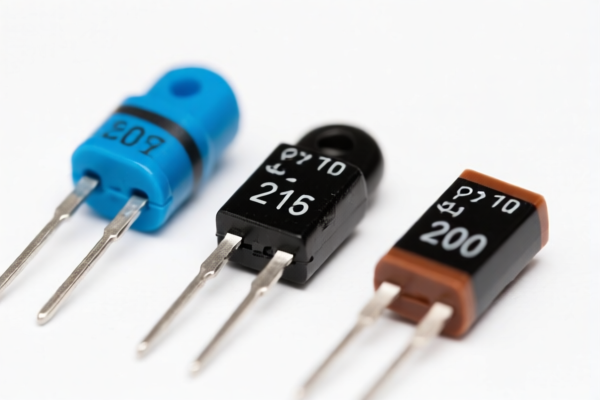
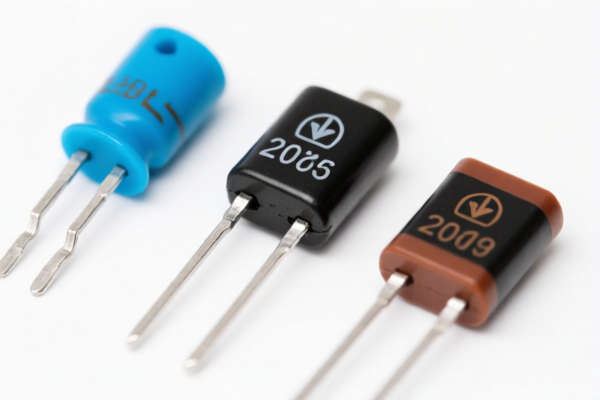
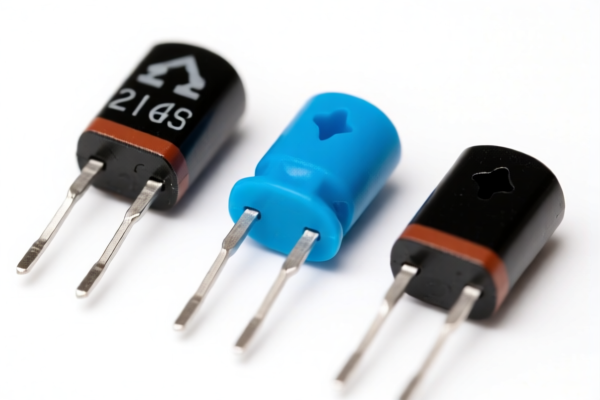
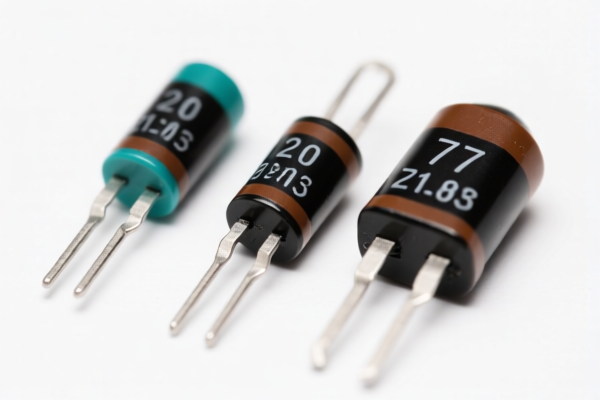
AI Analysis
📊 Transistor Tester (Component Testing Instruments)
🌐 HS Code Reference & Customs Clearance Guide | 2026 Latest Tariff Analysis | Professional Clearance Strategy
📌 I. Product Definition & Classification: What is a "Transistor Tester"?
A Transistor Tester is an electronic instrument designed to measure, test, or inspect the electrical characteristics of semiconductor devices (such as transistors, diodes, ICs, and capacitors). In international trade, classification is critical because these devices can fall under different chapters depending on whether they are viewed as general measurement instruments, specific semiconductor testing equipment, or independent electronic devices.
⚠️ Key Distinction Point:
- If the device is specifically for semiconductor devices and fits the definition of "instruments for testing semiconductors" → 9030.82.00.00
- If viewed as general-purpose electrical measurement instruments → 9030.89.01.00
- If viewed as a general test bench or inspection instrument → 9031.20.00.00 or 9031.80.80.85
- If viewed as an independent electronic device with no specific optical/mechanical function → 8543.70.98.60 or 8543.70.98.10
📦 II. HS Code Classification Details (2026 Latest Tariff Authority Comparison)
Based on the provided data, here are the valid HS Codes and their corresponding customs classifications:
| HS Code | Product Description & Rationale | Application Scenario |
|---|---|---|
9030.82.00.00 |
Instruments for testing semiconductors. Specifically designed to test semiconductor devices. | Dedicated transistor testers, semiconductor parameter analyzers. |
9030.89.01.00 |
Other instruments for measuring/detecting electronic component performance. Fits the category of "other instruments" for electrical characteristic testing. | General-purpose component testers that may test more than just semiconductors. |
9031.20.00.00 |
Test Benches. Falls under "measurement and inspection instruments," specifically categorized as "test benches" for specific applications. | Modular testing systems, lab-grade test stations. |
9031.80.80.85 |
Other measurement/inspection instruments. Broad category for instruments not elsewhere specified. | General quality control testing devices. |
8543.70.98.60 |
Other machines/devices with independent function. Electronic measurement devices not covered by other headings. | Standalone electronic testing devices with proprietary functions. |
8543.70.98.10 |
Other electrical equipment/devices with independent function. Fits the description of electrical testing equipment. | Independent electrical testing apparatus. |
🔍 Key Reminder:
- 9030.82.00.00 is often the most accurate classification for devices specifically designed for transistors/semiconductors.
- 9031.20.00.00 and 9031.80.80.85 may apply if the device is part of a larger test system or has broader inspection capabilities.
- 8543.70.98.xx codes are used when the device is considered an "independent electronic device" rather than a pure "measurement instrument."
💰 III. 2026 Latest Tariff Rate Details (Including Additional Taxes & Policy Surcharges)
✅ Applicable Country: United States (US)
✅ Origin: China (CN)
✅ Effective Date: From November 10, 2025 (for subsequent imports)
🎯 1. 9030.89.01.00 & 9030.82.00.00 —— Transistor/Semiconductor Testers
| Item | Details |
|---|---|
| Basic Tariff | 0% (ad valorem) |
| Section 301 Additional Duty | +25% |
| Section 122 Duty | +10% |
| Total Tariff Rate | 35.0% |
| Tax Calculation | CIF Value × 35% |
| De Minimis Exemption | ❌ Not Applicable (denied) |
| Legal Basis Path | Section 301: 8543.70 → Section 122: 9903.01.25 → USITC: 9030.89.01.00 / 9030.82.00.00 |
📌 Explanation:
- 0% Base Tariff: These codes have zero base MFN tariff.
- 25% Additional Duty: Imposed under US Trade Law Section 301 against Chinese imports.
- 10% Section 122 Duty: Additional tariff imposed under the International Emergency Economic Powers Act (IEEPA) for specific categories.
- Total 35%: This is a significant cost factor that must be calculated into the landed cost.
🎯 2. 9031.20.00.00 —— Test Benches
| Item | Details |
|---|---|
| Basic Tariff | 1.7% |
| Section 301 Additional Duty | +25% |
| Section 122 Duty | +10% |
| Total Tariff Rate | 36.7% |
| Tax Calculation | CIF Value × 36.7% |
| De Minimis Exemption | ❌ Not Applicable (denied) |
| Legal Basis Path | Section 301: 8543.70 → Section 122: 9903.01.25 → USITC: 9031.20.00.00 |
📌 Note:
- The base tariff is slightly higher (1.7%) compared to 9030 codes, leading to a total of 36.7%.
- Applies to devices classified as "test benches" or "inspection instruments" under Chapter 90.
🎯 3. 8543.70.98.60 & 8543.70.98.10 —— Independent Electronic Devices
| Item | Details |
|---|---|
| Basic Tariff | 2.6% |
| Section 301 Additional Duty | +25% |
| Section 122 Duty | +10% |
| Total Tariff Rate | 37.6% |
| Tax Calculation | CIF Value × 37.6% |
| De Minimis Exemption | ❌ Not Applicable (denied) |
| Legal Basis Path | Section 301: 8543.70 → Section 122: 9903.01.25 → USITC: 8543.70.98.60 / 8543.70.98.10 |
📌 Note:
- These codes have the highest base tariff (2.6%) among the options, resulting in the highest total rate of 37.6%.
- Use this classification only if the device is explicitly an "independent electronic device" and not a standard measurement instrument.
🎯 4. 9031.80.80.85 —— Other Measurement/Inspection Instruments
| Item | Details |
|---|---|
| Basic Tariff | 0% |
| Section 301 Additional Duty | 0% |
| Section 122 Duty | +10% |
| Total Tariff Rate | 10.0% |
| Tax Calculation | CIF Value × 10% |
| De Minimis Exemption | ❓ Check Specific Policy (Often denied for China origin under recent rules) |
| Legal Basis Path | Section 122: 9903.01.25 → USITC: 9031.80.80.85 |
📌 Note:
- This code offers the lowest total tariff of 10% because it is exempt from the 25% Section 301 duty (likely due to specific HTSUS exemptions or reclassification).
- However, classification must be strict. If Customs determines it fits9030or8543, you may be reassessed and fined.
- Use this only if you have strong justification for it being a "general inspection instrument" not covered by other specific headings.
🛠️ IV. Customs Clearance Practical Advice (Pitfall Avoidance Guide)
✅ 1. Required Documentation Checklist
| Document | Required | Notes |
|---|---|---|
| ✅ Product Specification Sheet | ✔️ | Must detail testing range, accuracy, device type (transistor/semiconductor). |
| ✅ Circuit Diagram / Schematic | ✔️ | To prove if it is a "test bench" or "independent device." |
| ✅ Product Photos (including Nameplate) | ✔️ | Show model number, input/output parameters, branding. |
| ✅ Third-Party Test Report | ✔️ | FCC, CE, RoHS, UL (if applicable). |
| ✅ Commercial Invoice | ✔️ | Clearly state "Transistor Tester" and correct HS Code. |
| ✅ Certificate of Origin (CO) | ✔️ | If not China-origin, to claim preferential rates. |
| ✅ Packing List | ✔️ | Detail components to avoid misclassification of accessories. |
✅ 2. Declaration Tips (Key Mnemonics)
🔥 "Test Bench vs. Instrument, Independent Device vs. Component, Name Precise, Tariff Lower!"
| Situation | Correct Declaration | Wrong Practice |
|---|---|---|
| Dedicated Transistor Tester | 9030.82.00.00 |
Misdeclare as 8543 → 37.6% |
| General Component Tester | 9030.89.01.00 |
Misdeclare as 9031.80 → 10% (Risk of audit) |
| Lab Test Station | 9031.20.00.00 |
Misdeclare as 9030.82 → 35% (Slightly higher base) |
| Proprietary Electronic Device | 8543.70.98.60 |
Misdeclare as 9031.80 → 10% (Risk of reclassification) |
| "Other" Inspection Device | 9031.80.80.85 |
Misdeclare as 9030.82 → 35% (Only if justified) |
✅ 3. Special Cases Handling
| Situation | Handling Advice |
|---|---|
| OEM Custom Testers | Provide client order + design drawings to prove specific function. |
| Integrated Test System | If the tester is part of a larger machine, declare the whole system. |
| Used/Refurbished Testers | May require additional sanitary/phytosanitary or safety checks. |
| Military/Aerospace Use | May qualify for special exemption if properly documented. |
🌍 V. Global Market Customs Comparison (2026 Latest)
| Country/Region | Recommended HS Code | Tariff | Certification Requirements | Notes |
|---|---|---|---|---|
| 🇺🇸 USA | 9030.82.00.00 |
35% (China Origin) | FCC + RoHS | 9031.80.80.85 at 10% is risky if misclassified. |
| 🇨🇳 China | 9030.82.00.00 |
0% | CCC + RoHS | No additional tariffs. |
| 🇪🇺 EU | 9030.82.00.00 |
0% | CE + ErP | No additional tariffs. |
| 🇦🇺 Australia | 9030.82.00.00 |
5% | RCM | No additional tariffs. |
| 🇯🇵 Japan | 9030.82.00.00 |
0% | PSE | No additional tariffs. |
📌 Conclusion:
- USA is the only major market with high additional tariffs for Chinese-origin transistor testers.
- China-origin testers face up to 37.6% tariff if misclassified or if the most accurate code is used.
- Recommendation: Carefully select9031.80.80.85only if legally justified, as it offers the lowest rate (10%). Otherwise,9030.82.00.00(35%) is the standard safe classification.
📌 VI. Common Errors & Pitfall Guide (Lessons Learned)
❌ Error 1: Misdeclaring a specialized Transistor Tester as 9031.80.80.85 to save tax.
👉 Consequence: Customs audit → Reassessment to 9030.82.00.00 → Back taxes + Penalties!
❌ Error 2: Declaring as 8543.70.98.60 without proving "independent function."
👉 Consequence: Customs argues it's a measurement instrument → Reassignment to 9030 → 35% instead of 37.6% (minor savings lost, but risk remains).
❌ Error 3: Omitting circuit diagrams or technical specs.
👉 Consequence: Customs cannot verify function → Delayed clearance or return shipment.
❌ Error 4: Using vague names like "Electronic Tester."
👉 Consequence: Customs assigns highest default rate → 37.6% or higher.
✅ Correct Approach:
"Transistor Tester, Model XYZ, Tests BJT/FET/MOSFET, DC/AC Parameters, FCC Certified, US Origin/China Origin"
🎯 VII. Conclusion: Precision Classification, Cost Efficiency!
🎯 Remember the Mnemonic:
🔹 "Semiconductor Test → 9030.82 (35%)
🔹 "General Test Bench → 9031.20 (36.7%)
🔹 "Independent Device → 8543.70 (37.6%)
🔹 "General Inspection → 9031.80 (10%) - Use with Caution!**"
📌 Tip:
If your transistor testers are originally from Vietnam, Mexico, Thailand, or Malaysia, you may qualify for IEEPA exemptions or lower tariffs.
Recommend applying for Advance Ruling from US Customs and Border Protection (CBP) to confirm the correct HS Code and avoid penalties.
📣 Immediate Action:
📞 Contact professional customs brokers + Provide product specs + Apply for HS Code Advance Ruling
🚀 Ensure smooth clearance, efficient logistics, and optimized costs!
✨ Professional clearance starts with accurate classification!
💼 Every penny of cost deserves precise calculation!
Customer Reviews
About HS Code Classification
The Harmonized System (HS) is an internationally standardized nomenclature developed by the World Customs Organization (WCO) to classify traded products. Over 200 countries use the HS system as the basis for customs tariffs, trade statistics, and import/export regulations.
Each HS code follows a hierarchical structure:
- Chapter (2 digits) — Broad category of goods (e.g., Chapter 84: Machinery and Mechanical Appliances)
- Heading (4 digits) — More specific grouping within the chapter
- Subheading (6 digits) — Internationally standardized breakdown, used by all WCO member countries
- National subdivisions (8-10 digits) — Country-specific extensions for further classification, such as US HTSUS 10-digit codes
Correct HS code classification is essential for smooth customs clearance, accurate duty payment, and compliance with trade regulations. Misclassification can lead to customs delays, overpayment of duties, or penalties.
When importing from CN to US, the applicable tariff rates may include:
- Most-Favored-Nation (MFN) rate — The standard duty rate applied to WTO members
- General rate — Applied to countries without trade agreements
- Trade remedy duties — Additional tariffs such as Section 301 (anti-dumping), Section 232 (national security), or countervailing duties
The information provided on this page is for reference purposes only. For official classification, please consult with your local customs authority or a licensed customs broker.