transparent static tape
CN → US| HS Code | Tariff Rate | Origin | Destination | Doc |
|---|---|---|---|---|
| 3919905040 | 40.8% | CN | US | Official Doc |
| 3919102040 | 40.8% | CN | US | Official Doc |
| 3919102040 | 40.8% | CN | US | Official Doc |
| 3919905040 | 40.8% | CN | US | Official Doc |
| 3919102040 | 40.8% | CN | US | Official Doc |
Product Images
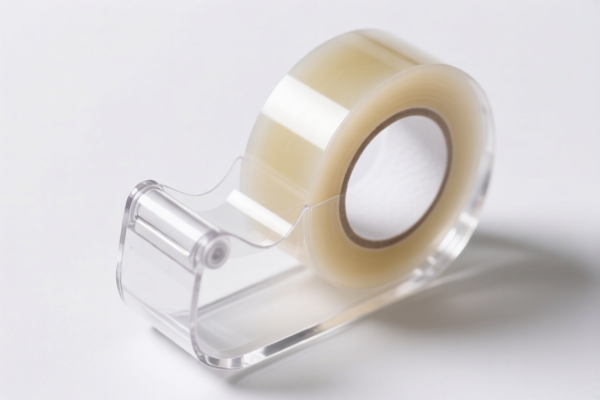
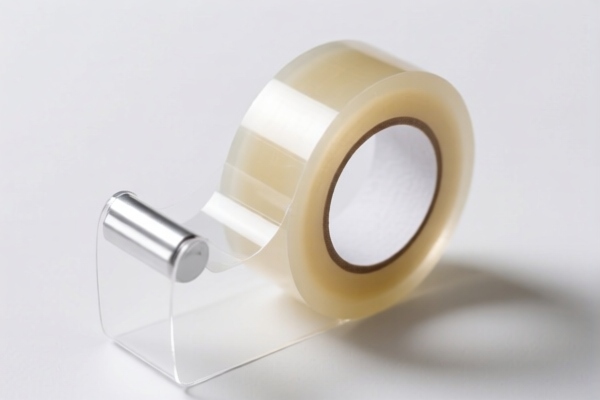
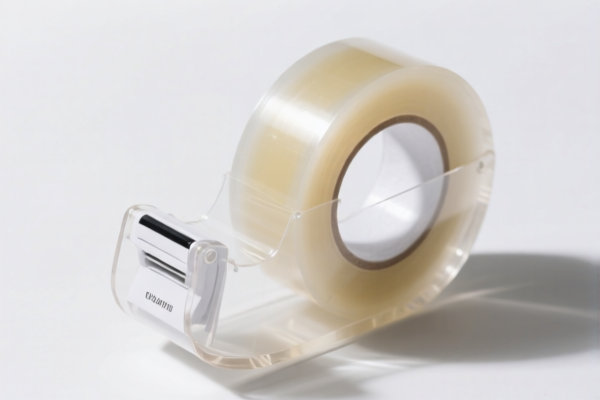
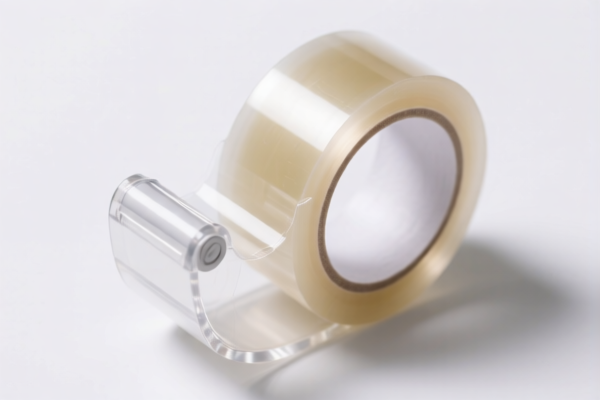
AI Analysis
🛡️ Transparent Static-Resistant Tape (Adhesive Plastic Tape)
🌐 HS Code Classification & Customs Clearance Guide | 2026 Latest Tariff Analysis | Anti-Static Solutions
📌 I. Product Definition & Classification: What is "Transparent Static-Resistant Tape"?
Transparent Static-Resistant Tape is a specialized adhesive product made primarily from plastic materials (such as PET, PVC, or PP). Its key characteristic is its ability to dissipate static electricity while maintaining high transparency. In international trade, it is classified based on its form (self-adhesive strip/ribbon) and material.
⚠️ Key Classification Distinction: - If the product is described simply as a "self-adhesive strip" or "flat shape" without emphasizing transparency in the primary feature → It often falls under 3919.90.50.40. - If the product is explicitly defined as "Transparent Tape" (emphasizing the clear visual nature) → It falls under 3919.10.20.40. - Critical Note: The presence of "static-resistant" properties does not change the HS Code category (which is based on material/form), but it may affect customs scrutiny regarding industrial vs. consumer use.
📦 II. HS Code Classification Details (2026 Latest Tariff Authority Match)
Based on the provided data, there are two primary HS Codes applicable, depending on how the product is described in customs declarations.
| HS Code | Product Description Summary | Classification Basis | Key Feature |
|---|---|---|---|
3919.10.20.40 |
Transparent Tape (Static-Resistant), Material: Plastic, Form: Transparent Self-Adhesive Strip | Category 3919.10: Self-adhesive tapes of plastics, in rolls of a width ≤ 20 cm. Sub-category: Transparent. | Emphasizes "Transparent" and "Self-Adhesive" nature. |
3919.90.50.40 |
Transparent Static-Resistant Tape, Material: Plastic, Form: Self-Adhesive Strip | Category 3919.90: Other self-adhesive tapes of plastics (not specified in 3919.10). | Emphasizes "Self-Adhesive Strip" form, general category. |
3919.10.20.40 |
Economy-Type Transparent Tape, Material: Plastic, Form: Self-Adhesive Strip | Same as above, but often used for budget/general purpose variants. | Fits "Transparent Tape" classification requirements. |
🔍 Important Note: - Both codes result in the same total tax rate (see below). - The choice between
3919.10...and3919.90...depends on the declaration wording. If you claim "Transparent Tape," use3919.10. If you claim "Other Self-Adhesive Tape," use3919.90. - Do not mix these codes for the same shipment unless the products are distinctly different in physical appearance (e.g., clear vs. colored/opaque).
💰 III. 2026 Latest Tariff Rate Breakdown (US Customs & Border Protection)
✅ Applicable Country: United States (US)
✅ Country of Origin: China (CN)
✅ Total Tax Rate: 40.8%
✅ Effective Date: Applies to imports from China
🎯 Tariff Structure for Both 3919.10.20.40 & 3919.90.50.40
| Component | Rate | Description |
|---|---|---|
| Base Duty | 5.8% | Standard Most Favored Nation (MFN) duty for plastic tapes. |
| Section 301 Duty | 25.0% | Additional tariff imposed on Chinese goods under Trade Act Section 301. |
| Section 122 Duty | 10.0% | Additional tariff under Section 122 (often applied to specific strategic or sensitive goods). |
| Total Duty | 40.8% | Sum of all applicable duties. |
| Calculation | CIF × 40.8% | Tax is calculated on the Cost, Insurance, and Freight value. |
| De Minimis Exemption | ❌ Not Eligible | Goods over $800 may be subject to full duty; however, 301 and Section 122 duties often apply regardless of de minimis thresholds for certain Chinese goods. Consult a broker for specific $800 rule applicability. |
| Legal Authority | USITC:3919.10.20.40 / USITC:3919.90.50.40 + IEEPA/301/122 |
📌 Explanation: - Base 5.8%: Standard duty for plastic adhesive tapes. - 25% Section 301: Targeted at Chinese manufacturing goods, including plastics and packaging materials. - 10% Section 122: Often applied to goods deemed sensitive or strategically important. - Total 40.8%: This is a high tariff rate. Importers must carefully calculate landed costs.
🛠️ IV. Customs Clearance Practical Advice
✅ 1. Required Documentation Checklist
| Document | Mandatory? | Description |
|---|---|---|
| Commercial Invoice | ✔️ | Must clearly state: "Transparent Static-Resistant Tape," Material: Plastic, HS Code: 3919.10.20.40 or 3919.90.50.40. |
| Packing List | ✔️ | Detail weight, quantity, and packaging type. |
| Product Description | ✔️ | Specify if it is "Transparent" (for 3919.10) or "Other" (for 3919.90). |
| Certificate of Origin | ✔️ | Proves origin as China. No preferential treatment available. |
| Static-Resistant Test Report | Recommended | May be requested to verify the "static-resistant" claim, though HS Code is based on form/material. |
| Material Safety Data Sheet (MSDS) | Recommended | If the tape has any chemical coatings or adhesives that could be regulated. |
✅ 2. Declaration Strategy (Key Tips)
🔥 "Be Precise: 'Transparent' vs. 'Other' Dictates Your HS Code!"
| Scenario | Recommended HS Code | Why? |
|---|---|---|
| Product is clearly transparent (like common office tape) | 3919.10.20.40 |
Matches "Transparent Self-Adhesive Tape" description. |
| Product is semi-transparent or described generally as "Static-Resistant Tape" | 3919.90.50.40 |
Falls under "Other" self-adhesive tapes. |
| Mixed shipment with both clear and opaque static tapes | Separate Declarations | Do not combine under one code. |
⚠️ Warning: - If you declare as
3919.10.20.40(Transparent) but the tape is not truly transparent (e.g., heavily tinted or opaque), customs may reclassify to3919.90.50.40or impose penalties. - Conversely, if you declare as3919.90.50.40for a fully transparent tape, it is still accepted but may trigger additional scrutiny to ensure correct classification.
✅ 3. Special Considerations for Static-Resistant Products
- No Special Tariff Exemption: "Static-resistant" is a functional property, not a material or form change. It does not qualify for any duty reduction or exemption.
- Industrial vs. Consumer: While static-resistant tape is often used in electronics manufacturing, customs classifies it based on physical attributes. No "industrial equipment" exemption applies here.
- Section 122 Scrutiny: Given the 10% Section 122 duty, ensure all paperwork is flawless to avoid delays during heightened scrutiny of Chinese goods.
🌍 V. Global Market Comparison (2026)
| Destination | HS Code | Total Duty Rate | Notes |
|---|---|---|---|
| 🇺🇸 USA | 3919.10.20.40 / 3919.90.50.40 |
40.8% | High due to 301 + Section 122 duties. |
| 🇨🇳 China (Import) | 3919.10.20.40 |
~5-10% | Lower duties for imported plastic tapes. |
| 🇪🇺 EU | 3919.90 (approx.) |
~6.5% | No Section 301 equivalent; standard EU duty. |
| 🇬🇧 UK | 3919.90 (approx.) |
~6.5% | Post-Brexit tariffs align closely with EU. |
📌 Conclusion: - USA is the most expensive market for this product due to叠加 tariffs (301 + 122). - Consider supply chain diversification if targeting the US market heavily.
📌 VI. Common Mistakes & Pitfalls
❌ Mistake 1: Ignoring the "Transparent" distinction
👉 Risk: Misclassification between 3919.10 and 3919.90 can lead to audit flags, even if the duty rate is the same.
❌ Mistake 2: Assuming "Static-Resistant" reduces duty
👉 Risk: Customs will apply the full 40.8% regardless of functionality. No exemptions apply.
❌ Mistake 3: Incorrect Origin Declaration
👉 Risk: If the tape is manufactured in China but repackaged in Vietnam without substantial transformation, US Customs will still apply Chinese tariffs (40.8%).
✅ Correct Approach:
"Transparent Static-Resistant Adhesive Tape, Plastic, Roll Form, Clear Finish, Model XYZ, Origin: China"
🎯 VII. Final Recommendation
🎯 Remember:
🔹 "Transparent = 3919.10; Other = 3919.90; Both = 40.8% Duty."
🔹 "Static-Resistant is a Feature, Not a Tariff Discount."
🔹 "Section 301 + 122 = 35% Extra Tax on Top of Base Duty."
📌 Pro Tip:
- For shipments under $800 per person per day, de minimis may still apply, but Section 301 and 122 duties are often not exempted for Chinese goods. Always consult your customs broker to verify current de minimis eligibility for HS Codes under Section 301.
- Pre-clearance Strategy: Submit a Binding Tariff Information (BTI) or Advance Ruling request to US Customs if you have large, recurring shipments to confirm the exact HS Code (3919.10 vs. 3919.90) and duty application.
📣 Immediate Action:
📞 Contact a Licensed Customs Broker
📄 Prepare Detailed Product Specs (Highlight "Transparent" if using 3919.10)
📊 Calculate Landed Cost: Add 40.8% to your CIF value to determine true profit margins.
✨ Precise Classification, Predictable Costs!
💼 Don't Let 40.8% Erase Your Margins – Declare Correctly!
Customer Reviews
About HS Code Classification
The Harmonized System (HS) is an internationally standardized nomenclature developed by the World Customs Organization (WCO) to classify traded products. Over 200 countries use the HS system as the basis for customs tariffs, trade statistics, and import/export regulations.
Each HS code follows a hierarchical structure:
- Chapter (2 digits) — Broad category of goods (e.g., Chapter 84: Machinery and Mechanical Appliances)
- Heading (4 digits) — More specific grouping within the chapter
- Subheading (6 digits) — Internationally standardized breakdown, used by all WCO member countries
- National subdivisions (8-10 digits) — Country-specific extensions for further classification, such as US HTSUS 10-digit codes
Correct HS code classification is essential for smooth customs clearance, accurate duty payment, and compliance with trade regulations. Misclassification can lead to customs delays, overpayment of duties, or penalties.
When importing from CN to US, the applicable tariff rates may include:
- Most-Favored-Nation (MFN) rate — The standard duty rate applied to WTO members
- General rate — Applied to countries without trade agreements
- Trade remedy duties — Additional tariffs such as Section 301 (anti-dumping), Section 232 (national security), or countervailing duties
The information provided on this page is for reference purposes only. For official classification, please consult with your local customs authority or a licensed customs broker.