transparent static tape within 5cm
CN → US| HS Code | Tariff Rate | Origin | Destination | Doc |
|---|---|---|---|---|
| 3919102030 | 40.8% | CN | US | Official Doc |
| 3919102040 | 40.8% | CN | US | Official Doc |
| 3926904800 | 13.4% | CN | US | Official Doc |
| 3926909989 | 22.8% | CN | US | Official Doc |
| 3919102030 | 40.8% | CN | US | Official Doc |
Product Images
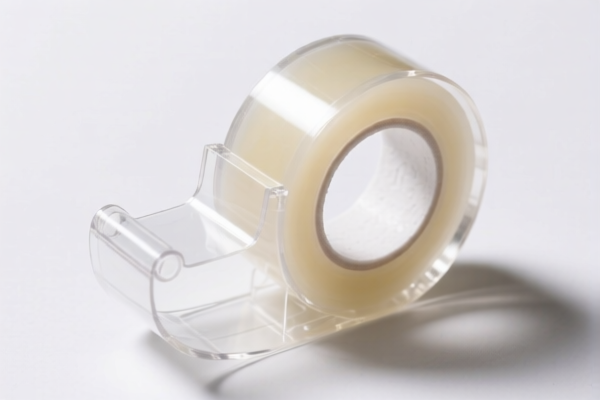
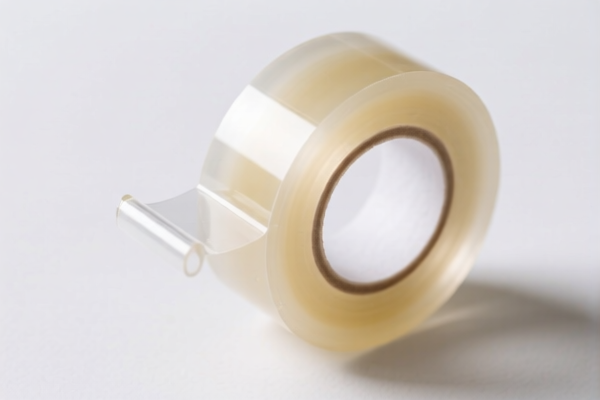
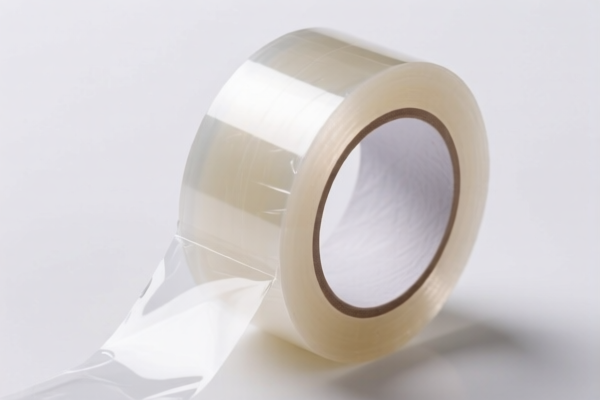
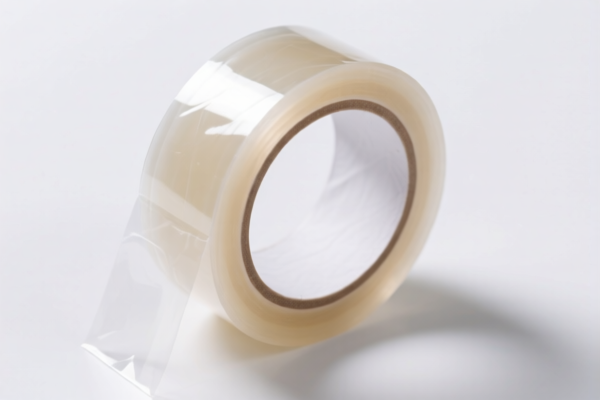
AI Analysis
🧻 Transparent Static Tape (Width ≤ 5cm)
🌐 HS Code Reference & Customs Clearance Guide | 2026 Latest Tariff Analysis | Professional Clearance Strategy
📌 I. Product Definition & Classification: Do You Really Understand "Transparent Static Tape"?
Transparent static tape, primarily made of plastic (often BOPP or PVC), is a ubiquitous packaging and sealing material. In international trade, specifically under the Harmonized System (HS), it is categorized based on its form (roll), material (plastic), and specific attributes (width, transparency).
⚠️ Key Distinction Points: - Width Constraint: The input specifies "within 5cm". This is a critical threshold. Many HS codes distinguish between narrow tapes (<5cm) and wider tapes. - Material: Typically Plastic (Chapter 39). - Form: Rolls/Reels.
📦 II. HS Code Classification Details (2026 Latest Tariff Authority Comparison)
Based on the provided data, here are the applicable HS Codes for Transparent Static Tape (Width ≤ 5cm):
| HS Code | Product Description | Classification Logic | Total Tax Rate |
|---|---|---|---|
3919.10.20.30 |
Transparent tape, width ≤ 5cm, material: transparent plastic, form: roll | Primary Classification: Fits the specific subheading for transparent adhesive tapes ≤ 5cm width. | 40.8% |
3919.10.20.40 |
Transparent tape, width ≤ 5cm, material: transparent plastic, form: flat roll | Alternative Classification: Also covers transparent adhesive tapes ≤ 5cm, specifically noting "flat roll" form. | 40.8% |
3926.90.48.00 |
Transparent tape制品 (Artifacts), material inferred as plastic | Fallback/Alternative: Classified as other plastic articles if not strictly fitting 3919 definitions. | 13.4% |
3926.90.99.89 |
Transparent tape, plastic material, form: other plastic artifacts | Residual Classification: For plastic articles not specifically mentioned elsewhere (catch-all). | 22.8% |
🔍 重点提醒 (Critical Notes): - Preferred Codes:
3919.10.20.30and3919.10.20.40are the most accurate for transparent adhesive tapes ≤ 5cm. They share the same high tax rate. - Risk Warning: Codes3926.90.48.00and3926.90.99.89are incorrect for standard transparent static tape. They refer to other plastic articles. Using these to avoid higher taxes is a high-risk misclassification strategy. Customs may reject this and impose penalties.
💰 III. 2026 Latest Tariff Rate Breakdown (Including Surcharges)
✅ Applicable Country: United States (US)
✅ Origin: China (CN) (Note: Tax details provided are for China-origin goods)
✅ Effective Date: 2025/2026 Current Tariff Structure
🎯 1. 3919.10.20.30 & 3919.10.20.40 —— Transparent Adhesive Tape (≤ 5cm)
| Item | Content |
|---|---|
| Basic Tariff | 5.8% |
| Section 301 Surcharge | +25.0% (USITC Section 301) |
| Section 122 Surcharge | +10.0% (Specific provision for this category) |
| Total Tax Rate | 40.8% |
| Tax Calculation | CIF Value × 40.8% |
| De Minimis Exemption | ❌ Not Eligible (High tariff rate excludes it from de minimis relief) |
| Legal Basis Path | HS:3919.10.20.30/40 → Section 301: Footnote 9903.01.24 → Section 122 |
📌 Explanation: - The 5.8% is the standard Most Favored Nation (MFN) rate for plastic adhesive tapes. - The 25% is the heavy penalty under Section 301 for Chinese plastic goods. - The 10% is an additional surcharge (Section 122) applied to specific plastic items. - Total 40.8% is a very high duty. Cost planning must account for this.
🎯 2. 3926.90.48.00 —— Other Plastic Articles (Incorrect Classification Risk)
| Item | Content |
|---|---|
| Basic Tariff | 3.4% |
| Section 301 Surcharge | 0.0% (Not applicable to this residual code) |
| Section 122 Surcharge | +10.0% |
| Total Tax Rate | 13.4% |
| Tax Calculation | CIF Value × 13.4% |
| De Minimis Exemption | ⚠️ High Risk: While the rate is lower, misclassification can lead to audits, back-taxes, and fines. |
🎯 3. 3926.90.99.89 —— Other Plastic Articles (Residual)
| Item | Content |
|---|---|
| Basic Tariff | 5.3% |
| Section 301 Surcharge | +7.5% |
| Section 122 Surcharge | +10.0% |
| Total Tax Rate | 22.8% |
| Tax Calculation | CIF Value × 22.8% |
🛠️ IV. Customs Clearance Practical Advice (Battle-Tested Pitfall Avoidance)
✅ 1. Documentation Checklist (Non-negotiable)
| Document | Required? | Notes |
|---|---|---|
| ✅ Product Specification Sheet | ✔️ | Must state: "Transparent Adhesive Tape", "Width ≤ 5cm", "Material: BOPP/PVC", "Roll Form". |
| ✅ Commercial Invoice | ✔️ | Clearly describe as "Transparent Plastic Tape, Width ≤ 5cm". Avoid vague terms like "Glue Tape". |
| ✅ Packing List | ✔️ | Indicate net weight/gross weight per roll. |
| ✅ Certificate of Origin (CO) | ✔️ | Confirm Chinese origin to apply correct Section 301 rates. |
| ✅ HS Code Pre-Ruling (Optional but Recommended) | ✔️ | Apply for a binding ruling with US Customs to confirm 3919.10.20.30 is correct. |
✅ 2. Declaration Tips (Key Mantra)
🔥 "Width ≤ 5cm, Plastic Roll, Transparent Tape, 3919.10.20.30/40 is King!"
| Scenario | Correct Declaration | Incorrect Declaration | Consequence |
|---|---|---|---|
| Standard Transparent Tape (≤5cm) | 3919.10.20.30 or 3919.10.20.40 |
3926.90.48.00 |
Customs Audit: Risk of penalty for misclassification. |
| Wide Tape (>5cm) | Different HS Code (not in provided data) | 3919.10.20.30 |
Rejection: Width mismatch. |
| Paper Tape | Different HS Code (Chapter 48) | 3919.10.20.30 |
Penalty: Wrong material classification. |
✅ 3. Special Case Handling
| Situation | Handling Advice |
|---|---|
| Mixed Widths in One Shipment | Split declaration. Tape ≤5cm goes to 3919.10.20.30; Tape >5cm goes to its respective HS code. |
| Packaging with Dispenser | If the dispenser is integral and not sold separately, the entire kit may still be classified as tape. However, if sold separately, the dispenser might be a different HS code. |
| OEM Custom Tape | Provide the client’s order and technical drawing. Ensure the "transparent" and "plastic" attributes are explicitly stated. |
🌍 V. Global Market Comparison (2026 Latest)
| Country/Region | Recommended HS Code | Estimated Duty (China Origin) | Notes |
|---|---|---|---|
| 🇺🇸 USA | 3919.10.20.30 / .40 |
40.8% | High due to Section 301 + Section 122. |
| 🇨🇳 China | 3919.10.20.30 |
~5-10% | No Section 301/122 surcharges. |
| 🇪🇺 EU | 3919.10.00 |
6.5% | No Section 301. Standard MFN rate applies. |
| 🇦🇺 Australia | 3919.10.00 |
5% | Low duty. No major surcharges. |
📌 Conclusion: - The USA has the highest barrier for this product due to multiple surcharges. - Cost Efficiency Tip: If possible, explore duty drawback programs or verify if any specific exclusions from Section 301 apply to your specific brand/product type (though unlikely for general static tape).
📌 VI. Common Errors & Pitfall Guide (Lessons Learned)
❌ Error 1: Classifying under 3926.90.48.00 to save taxes.
👉 Consequence: Customs AI flags the discrepancy. Back-taxes + 25% penalty for misdeclaration. The risk is NOT worth the 27.4% savings.
❌ Error 2: Ignoring the "≤ 5cm" width specification.
👉 Consequence: If the tape is >5cm, 3919.10.20.30 is invalid. Must find the correct subheading for wider tapes.
❌ Error 3: Vague Description: "Adhesive Tape". 👉 Consequence: Customs may classify it under the highest duty rate or require additional documentation, causing clearance delays.
✅ Correct Practice:
"Transparent Adhesive Tape, Plastic Material, Width 3cm, Roll Form, Model ABC, HS 3919.10.20.30"
🎯 VII. Conclusion: Professional Clearance, Save Time and Cost!
🎯 Remember the Mantra:
🔹 "Width ≤ 5cm, Plastic, Transparent, 3919.10.20.30/40 – No Exceptions!"
🔹 "40.8% is the US Reality. Plan your pricing accordingly."
📌 Pro Tip: If your tape is originally from Vietnam, Malaysia, or Thailand, you may qualify for lower tariffs under USMCA or FTAs. Always verify the Country of Origin.
📣 Immediate Action:
📞 Consult a licensed customs broker for a Pre-Ruling. 🚀 Ensure your invoice clearly states "Width ≤ 5cm". 💼 Accurate classification saves money and prevents seizures.
✨ Professional Clearance Starts with Accurate Classification! 💼 Every cent of duty cost deserves precise calculation!
Customer Reviews
About HS Code Classification
The Harmonized System (HS) is an internationally standardized nomenclature developed by the World Customs Organization (WCO) to classify traded products. Over 200 countries use the HS system as the basis for customs tariffs, trade statistics, and import/export regulations.
Each HS code follows a hierarchical structure:
- Chapter (2 digits) — Broad category of goods (e.g., Chapter 84: Machinery and Mechanical Appliances)
- Heading (4 digits) — More specific grouping within the chapter
- Subheading (6 digits) — Internationally standardized breakdown, used by all WCO member countries
- National subdivisions (8-10 digits) — Country-specific extensions for further classification, such as US HTSUS 10-digit codes
Correct HS code classification is essential for smooth customs clearance, accurate duty payment, and compliance with trade regulations. Misclassification can lead to customs delays, overpayment of duties, or penalties.
When importing from CN to US, the applicable tariff rates may include:
- Most-Favored-Nation (MFN) rate — The standard duty rate applied to WTO members
- General rate — Applied to countries without trade agreements
- Trade remedy duties — Additional tariffs such as Section 301 (anti-dumping), Section 232 (national security), or countervailing duties
The information provided on this page is for reference purposes only. For official classification, please consult with your local customs authority or a licensed customs broker.