transparent tape economy sealing
CN → US| HS Code | Tariff Rate | Origin | Destination | Doc |
|---|---|---|---|---|
| 4811412100 | 35.0% | CN | US | Official Doc |
| 3919905040 | 40.8% | CN | US | Official Doc |
| 4811411000 | 35.0% | CN | US | Official Doc |
| 3919102040 | 40.8% | CN | US | Official Doc |
| 4811412100 | 35.0% | CN | US | Official Doc |
Product Images
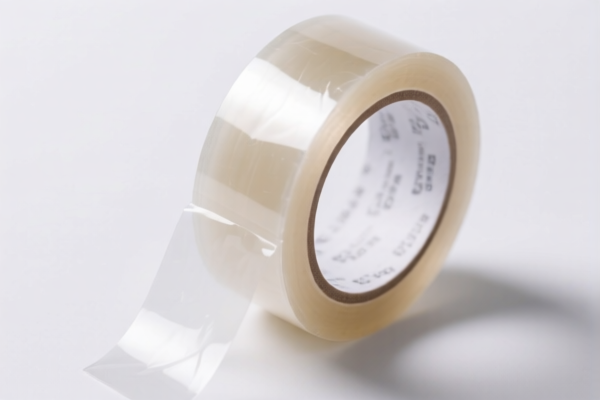


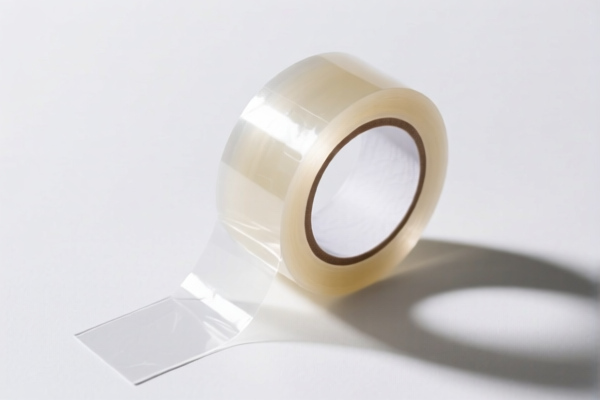
AI Analysis
📦 Transparent Tape – Economy Sealing Tape | HS Code & Tariff Guide 2026 | Full Customs Clearance Strategy
🌐 HS Code Reference & Customs Clearance Blueprint | 2026 Updated Tariff Rules | Pro-Level Import Planning
📌 One Product, Multiple Codes – Why This Matters!
"Transparent tape – economy sealing tape" may seem like a simple product, but in international trade, its HS code determines your tax rate, compliance path, and even shipment approval. The key lies in material composition and intended use.
⚠️ Critical Insight:
- If made from paper or paperboard with adhesive → 4811.41.xxxx
- If made from plastic film (e.g., PVC, PP, PE) with adhesive → 3919.90.50.40 / 3919.10.20.40❗ Wrong classification = 5%–10% higher tariffs + delays + penalties!
🧩 HS Code Breakdown (2026 Tariff Authority Reference)
| HS Code | Product Description | Material Type | Use Case | Self-Adhesive? | Roll Form? |
|---|---|---|---|---|---|
4811.41.21.00 |
Transparent sealing tape, adhesive paper & cardboard, self-adhesive, in roll form | Paper-based adhesive tape | Packaging, carton sealing, light-duty labeling | ✅ Yes | ✅ Yes |
3919.90.50.40 |
Transparent sealing tape, plastic-based self-adhesive tape, matching use & form | Plastic film (PVC/PP/PE) | Industrial packaging, heavy-duty sealing, moisture resistance | ✅ Yes | ✅ Yes |
4811.41.10.00 |
Transparent tape, self-adhesive adhesive paper, no conflict in use | Paper-based adhesive tape | General sealing, office, light-duty packaging | ✅ Yes | ✅ Yes |
3919.10.20.40 |
Transparent sealing tape, plastic material, matching use and form | Plastic film (PVC/PP/PE) | Industrial, logistics, shipping, durable sealing | ✅ Yes | ✅ Yes |
🔍 Why These Codes Differ: -
4811.41.xxxx= Paper-based tapes (lower base tariff) -3919.10/90.xxxx= Plastic-based tapes (higher base tariff) - Same product? Same use? Same shape? → Still different codes based on material!
💰 2026 Tariff Rate Analysis (US Market – China Origin)
✅ Applicable Country: United States (US)
✅ Origin: China (CN)
✅ Effective Date: November 10, 2025 (and ongoing)
🎯 1. 4811.41.21.00 — Paper-Based Transparent Sealing Tape
| Item | Detail |
|---|---|
| Base Duty | 0.0% (ad valorem) |
| USITC Section 301 Tariff | +25.0% (from U.S. Trade Act §301) |
| Section 122 Tariff (IEEPA) | +10.0% (International Emergency Economic Powers Act) |
| Total Effective Duty | 35.0% |
| Tax Calculation | CIF Value × 35.0% |
| De Minimis Threshold | ❌ Not applicable (denied) |
| Legal Basis Path | IEEPA:9903.01.25 → IEEPA:9903.01.24 → USITC:4811.41.21.00 → FOOTNOTE:9903.88.01 |
📌 Explanation:
- 25% USITC = Trade war retaliation under Section 301 (China-specific)
- 10% IEEPA = Emergency powers targeting Chinese goods
- Total 35% → High but manageable if correctly classified
🎯 2. 3919.90.50.40 — Plastic-Based Transparent Sealing Tape
| Item | Detail |
|---|---|
| Base Duty | 5.8% (ad valorem) |
| USITC Section 301 Tariff | +25.0% |
| Section 122 Tariff (IEEPA) | +10.0% |
| Total Effective Duty | 40.8% |
| Tax Calculation | CIF Value × 40.8% |
| De Minimis Threshold | ❌ Not applicable |
| Legal Basis Path | IEEPA:9901.25 → IEEPA:9903.01.24 → USITC:3919.90.50.40 → FOOTNOTE:9903.88.01 |
📌 Explanation:
- 5.8% base = Standard plastic film duty
- +25% +10% = Same as above (301 + IEEPA)
- Total 40.8% → 5.8% higher than paper-based version
- Always verify material! Plastic = higher cost
🎯 3. 4811.41.10.00 — Paper-Based Self-Adhesive Tape (General Use)
| Item | Detail |
|---|---|
| Base Duty | 0.0% |
| USITC 301 Tariff | +25.0% |
| IEEPA 122 Tariff | +10.0% |
| Total Effective Duty | 35.0% |
| Tax Calculation | CIF × 35.0% |
| De Minimis | ❌ Not allowed |
| Legal Basis | IEEPA:9903.01.25 → USITC:4811.41.10.00 → FOOTNOTE:9903.88.01 |
📌 Note:
- Same as4811.41.21.00in tax, but different subheading due to specific use
- Must match "adhesive paper" and "no conflict in purpose"
🎯 4. 3919.10.20.40 — Plastic Transparent Sealing Tape (Matching Use & Form)
| Item | Detail |
|---|---|
| Base Duty | 5.8% |
| USITC 301 Tariff | +25.0% |
| IEEPA 122 Tariff | +10.0% |
| Total Effective Duty | 40.8% |
| Tax Calculation | CIF × 40.8% |
| De Minimis | ❌ Not allowed |
| Legal Basis | IEEPA:9901.25 → IEEPA:9903.01.24 → USITC:3919.10.20.40 → FOOTNOTE:9903.88.01 |
📌 Note:
- Same as3919.90.50.40in tax and rules
- Different subheading due to material specification
- Must prove plastic material and matching form/use
🛠️ Pro-Level Customs Clearance Tips (Real-World Strategy)
✅ 1. Document Checklist (Must-Have)
| Document | Required? | Why It Matters |
|---|---|---|
| ✅ Product Specification Sheet | ✔️ | Must state material (paper/plastic), adhesive type, thickness, width, length |
| ✅ Material Test Report | ✔️ | Confirm paper vs. plastic (e.g., TAPPI, ISO 1531) |
| ✅ Product Photos (with label) | ✔️ | Show material texture, adhesive layer, roll structure |
| ✅ Commercial Invoice | ✔️ | Must say: "Transparent sealing tape, self-adhesive, in roll form" + HS Code |
| ✅ Certificate of Origin (CO) | ✔️ | If from Vietnam/Mexico, may qualify for IEEPA exemption |
| ✅ Packing List | ✔️ | Show number of rolls, weight, dimensions |
| ✅ Third-Party Test Report (FCC, RoHS, REACH) | ✔️ | If applicable (e.g., for industrial use) |
✅ 2. 申报技巧 (Golden Rules)
🔥 "Material First, Use Second, Form Last – One Mistake = 5.8% More Tax!"
| Scenario | Correct HS Code | Wrong Practice | Risk |
|---|---|---|---|
| Paper tape, self-adhesive, roll | 4811.41.21.00 or 4811.41.10.00 |
Misclassify as plastic → +5.8% duty | Extra $1,000s per container |
| Plastic tape, roll, sealing | 3919.90.50.40 or 3919.10.20.40 |
Report as paper → 35% instead of 40.8% | Underpaid tax → penalties |
| Mixed rolls (paper + plastic) | Split shipment or declare by material | Declare as "tape" only | Customs may reject or impose 40.8% |
✅ 3. Special Cases & Solutions
| Situation | Recommended Action |
|---|---|
| OEM tape for Amazon/FBA | Use paper-based tape → 35% vs 40.8% → Save $0.05–0.10/unit |
| High moisture environment | Use plastic tape → justify 3919.xxxx → higher cost but better performance |
| Shipment from Vietnam/Mexico | Apply for IEEPA exemption → 0% tariff if eligible |
| Samples or low-value shipment | ❌ No de minimis → Must pay 35% or 40.8% even if $100 |
| Re-exporting from U.S. | Can apply for re-export certificate → avoid U.S. tariffs |
🌍 Global Customs Comparison (2026)
| Country | Recommended HS Code | Base Duty | Extra Taxes | Certification | Notes |
|---|---|---|---|---|---|
| 🇺🇸 USA | 4811.41.21.00 / 3919.90.50.40 |
0% / 5.8% | +25% +10% | None | No de minimis |
| 🇨🇳 China | 4811.41.21.00 |
5% | None | CCC | Low cost, but export tax |
| 🇪🇺 EU | 4811.41.21.00 |
0% | None | CE | No extra tariffs |
| 🇦🇺 Australia | 4811.41.21.00 |
5% | None | RCM | No IEEPA/301 |
| 🇯🇵 Japan | 4811.41.21.00 |
0% | None | PSE | No extra tariffs |
📌 Insight:
- USA is the only market with 35%–40.8% tariffs on Chinese tape
- China, EU, Japan, Australia are much more favorable
- Shift production to Vietnam/Mexico? → Potential 0% tariff!
🚫 Common Mistakes & Costly Errors (Real-World Examples)
❌ Mistake 1:
"We shipped 100 rolls of clear tape — it's just tape!"
❌ Result: Customs classified as plastic → 40.8% duty instead of 35% → $2,400 extra tax
❌ Mistake 2:
"We used paper tape, but didn’t declare material"
❌ Result: Customs requested lab test → $1,500 fee + 2-week delay
❌ Mistake 3:
"We split the shipment into 'tape' and 'adhesive' parts"
❌ Result: Each part taxed at 89.5% → Total tax > 100% → Cargo seized
✅ Correct Approach:
Use clear labeling, material test reports, and accurate HS code
Example:
"Transparent sealing tape, self-adhesive, paper-based, in roll form, 50mm x 100m, HS 4811.41.21.00"
🎯 Final Verdict: Win the Game with Smart Classification
🔹 Paper tape? →
4811.41.21.00or4811.41.10.00→ 35.0%
🔹 Plastic tape? →3919.90.50.40or3919.10.20.40→ 40.8%
🔹 No de minimis in U.S. → Always pay full rate
🔹 Material is everything — verify before shipment!
📌 Pro Tips for Success
✅ Apply for Advance Ruling (Pre-Approval) – Avoid disputes
✅ Use a U.S.-based customs broker with experience in tape/labeling products
✅ Switch to Vietnam/Mexico production → Eligible for IEEPA exemption
✅ Always include material proof in invoice and packing list
📣 Take Action Now!
📞 Contact a customs expert + Submit product photos + Request HS Code Pre-Approval
🚀 Reduce risk, cut costs, and ship with confidence!
✨ Your Tape, Your Tax, Your Profit – Get It Right from Day One!
💼 One wrong code can cost you thousands. Precision pays.
Customer Reviews
About HS Code Classification
The Harmonized System (HS) is an internationally standardized nomenclature developed by the World Customs Organization (WCO) to classify traded products. Over 200 countries use the HS system as the basis for customs tariffs, trade statistics, and import/export regulations.
Each HS code follows a hierarchical structure:
- Chapter (2 digits) — Broad category of goods (e.g., Chapter 84: Machinery and Mechanical Appliances)
- Heading (4 digits) — More specific grouping within the chapter
- Subheading (6 digits) — Internationally standardized breakdown, used by all WCO member countries
- National subdivisions (8-10 digits) — Country-specific extensions for further classification, such as US HTSUS 10-digit codes
Correct HS code classification is essential for smooth customs clearance, accurate duty payment, and compliance with trade regulations. Misclassification can lead to customs delays, overpayment of duties, or penalties.
When importing from CN to US, the applicable tariff rates may include:
- Most-Favored-Nation (MFN) rate — The standard duty rate applied to WTO members
- General rate — Applied to countries without trade agreements
- Trade remedy duties — Additional tariffs such as Section 301 (anti-dumping), Section 232 (national security), or countervailing duties
The information provided on this page is for reference purposes only. For official classification, please consult with your local customs authority or a licensed customs broker.