transparent tape for automotive use
CN → US| HS Code | Tariff Rate | Origin | Destination | Doc |
|---|---|---|---|---|
| 3919102040 | 40.8% | CN | US | Official Doc |
| 3919905040 | 40.8% | CN | US | Official Doc |
| 3919102040 | 40.8% | CN | US | Official Doc |
| 3919905040 | 40.8% | CN | US | Official Doc |
| 3919102020 | 40.8% | CN | US | Official Doc |
Product Images
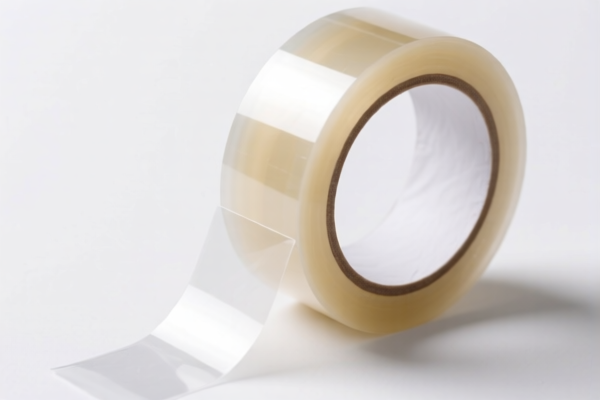
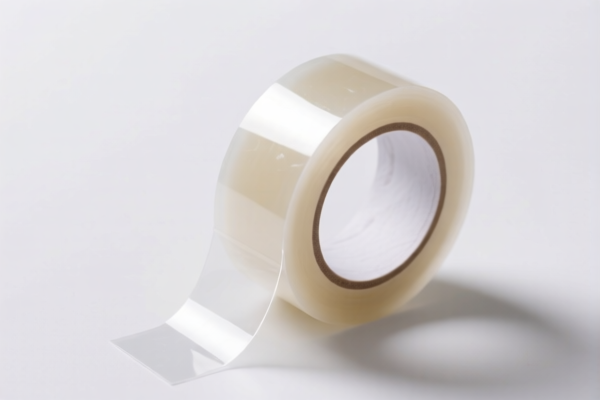
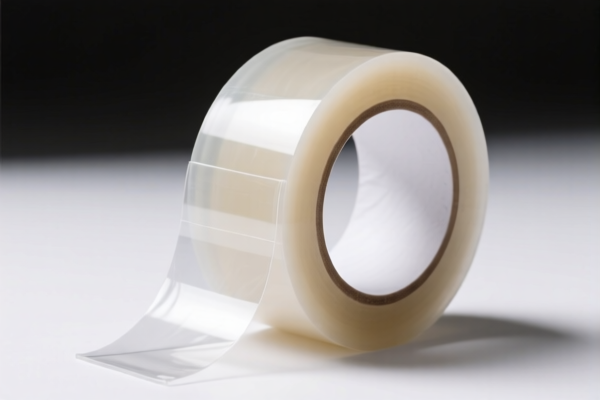
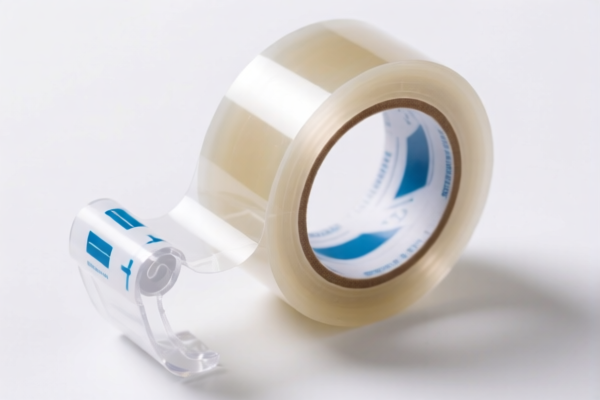
AI Analysis
🚗 Transparent Tape for Automotive Use
🌐 HS Code Reference & Customs Clearance Guide | 2026 Latest Tariff Analysis | Professional Clearance Strategy
📌 I. Product Definition & Classification: Do You Really Understand "Transparent Tape"?
Transparent tape for automotive use is primarily composed of plastic materials and takes the form of self-adhesive strips. In international trade, its classification hinges on its specific physical form (width, backing) and whether it is specifically designed as an electrical insulator.
Key Distinctions: * Standard Transparent Tape (Self-Adhesive Plastic Strip): General-purpose adhesion, sealing, or masking. Classified under 3919.10.20.40 or 3919.90.50.40. * Electrical Insulation Tape (e.g., PVC Insulation Tape): Specifically designed for electrical insulation in automotive wiring. Classified under 3919.10.20.20.
⚠️ Critical Classification Point:
- If the tape is a general transparent plastic self-adhesive strip (even for automotive) → 3919.10.20.40 or 3919.90.50.40
- If the tape is explicitly for electrical insulation (often colored like black/red, or explicitly labeled as such) → 3919.10.20.20
📦 II. HS Code Classification Details (2026 Latest Tariff Authoritative Comparison)
| HS Code | Product Description | Applicable Scenario | Material/Form |
|---|---|---|---|
3919.10.20.40 |
Self-adhesive plates, sheets, film, foil, tape, strip, and other forms of plastic, in rolls of a width ≤ 20 cm, of plastics | General transparent adhesive tape, automotive sealing, masking | Plastic, Self-adhesive, Roll ≤20cm |
3919.90.50.40 |
Other self-adhesive plates, sheets, film, foil, tape, strip, and other forms of plastic, in rolls of a width > 20 cm | Wide transparent tapes, specialized automotive films | Plastic, Self-adhesive, Roll >20cm |
3919.10.20.20 |
Other self-adhesive plates, sheets, film, foil, tape, strip, and other forms of plastics, in rolls of a width ≤ 20 cm | Automotive electrical insulation tape (e.g., PVC insulation) | Plastic (PVC), Self-adhesive, Roll ≤20cm |
🔍 Key Reminder:
- The application (automotive use) does not change the classification from the material/form-based HS code.
- If it is insulation tape, use 3919.10.20.20.
- If it is general transparent tape, use 3919.10.20.40 (for narrow rolls) or 3919.90.50.40 (for wide rolls).
💰 III. 2026 Latest Tariff Rate Details (Including Surtaxes, Policy Add-ons)
✅ Applicable Country: United States (US)
✅ Country of Origin: China (CN)
✅ Effective Date: From November 10, 2025 (including subsequent imports)
All three HS codes listed below share the same tariff structure due to their classification under Section XI (Plastics) subject to Section XVIII (Vehicles) related surcharges and IEEPA penalties.
🎯 1. 3919.10.20.40 —— Self-Adhesive Plastic Tape (≤20 cm width)
| Item | Content |
|---|---|
| Base Tariff Rate | 5.8% (ad valorem) |
| Section 301 Surtax | +25.0% (Additional tariff under USITC) |
| Section 122 Tariff | +10.0% (Tariff under Section 122 of the Trade Expansion Act) |
| Total Tariff Rate | 40.8% |
| Tax Calculation | CIF Value × 40.8% |
| De Minimis Exemption Available? | ❌ No (deny_de_minimis applies) |
| Legal Basis Path | Base: 5.8% → 301: +25.0% → 122: +10.0% → Total: 40.8% |
📌 Explanation:
- The 5.8% is the standard Most Favored Nation (MFN) rate for self-adhesive plastic tapes.
- The 25.0% is the Section 301 tariff specifically targeting Chinese goods.
- The 10.0% is the Section 122 tariff, which can be applied to specific categories of imports.
- Total: 40.8%, a very high tariff burden, must be factored into pricing strategies.
🎯 2. 3919.90.50.40 —— Other Self-Adhesive Plastic Tape (>20 cm width)
| Item | Content |
|---|---|
| Base Tariff Rate | 5.8% (ad valorem) |
| Section 301 Surtax | +25.0% |
| Section 122 Tariff | +10.0% |
| Total Tariff Rate | 40.8% |
| Tax Calculation | CIF Value × 40.8% |
| De Minimis Exemption Available? | ❌ No |
| Legal Basis Path | Same as above |
📌 Note:
- Same tariff structure as the narrow tape.
- Width distinction does not affect the tariff rate in this context, only the HS code subheading.
🎯 3. 3919.10.20.20 —— Electrical Insulation Tape (Automotive Use)
| Item | Content |
|---|---|
| Base Tariff Rate | 5.8% (ad valorem) |
| Section 301 Surtax | +25.0% |
| Section 122 Tariff | +10.0% |
| Total Tariff Rate | 40.8% |
| Tax Calculation | CIF Value × 40.8% |
| De Minimis Exemption Available? | ❌ No |
| Legal Basis Path | Same as above |
📌 Note:
- Even though this is "insulation tape," it falls under the same high-tariff bracket for Chinese plastic products.
- Do not assume "electrical goods" (Chapter 85) will lower tariffs; if it's plastic tape, it stays in Chapter 39.
🛠️ IV. Customs Clearance Practical Advice (Real-World Pitfall Avoidance)
✅ 1. Required Documentation Checklist (None Omitted)
| Document | Mandatory | Description |
|---|---|---|
| ✅ Product Spec Sheet | ✔️ | Material (PVC/PE/etc.), Width, Length, Adhesive Type |
| ✅ Product Photos | ✔️ | Clear images of the tape, roll, label, and packaging |
| ✅ Commercial Invoice | ✔️ | Clearly state "Transparent Adhesive Tape for Automotive Use" or "Automotive Electrical Insulation Tape" |
| ✅ Packing List | ✔️ | Net/Gross weight, number of rolls per carton |
| ✅ Certificate of Origin (CO) | ✔️ | If applicable, to prove origin (China) |
✅ 2. Declaration Tips (Key Mantra)
🔥 "Material determines code, Application is secondary, Width separates subheadings, Tariff is 40.8%!"
| Scenario | Correct Declaration | Incorrect Practice |
|---|---|---|
| General Transparent Tape (Narrow) | 3919.10.20.40 |
Mislabel as "Automotive Part" → 40.8% still applies, but code wrong |
| General Transparent Tape (Wide) | 3919.90.50.40 |
Mislabel as "Fabric Tape" → 40.8% still applies |
| Electrical Insulation Tape | 3919.10.20.20 |
Mislabel as "Electronic Component" → 40.8% still applies |
| Any Plastic Tape from China | 40.8% Total Tariff | Expecting low duty → High Risk! |
✅ 3. Special Case Handling
| Scenario | Handling Advice |
|---|---|
| Mixed Packages | If selling tape with other automotive parts, declare separately. Tape does not get "bundled" duty benefits. |
| Insulation Tape vs. Regular Tape | If the tape is for electrical insulation, explicitly state "Insulation Tape" to ensure proper HS code (3919.10.20.20), even if rate is same. |
| Non-Chinese Origin | If tape is sourced from Vietnam/Malaysia, provide CO to avoid Section 301 and 122 tariffs → Potential 5.8% Only. |
🌍 V. Global Market Clearance Comparison (2026 Latest)
| Country/Region | Recommended HS Code | Tariff (China Origin) | Certification | Remarks |
|---|---|---|---|---|
| 🇺🇸 USA | 3919.10.20.40 / 3919.10.20.20 / 3919.90.50.40 |
40.8% | None | High tariffs, no de minimis |
| 🇨🇳 China | 3919.10.20.40 etc. |
5.8% | None | No surcharges |
| 🇪🇺 EU | 3919.10.90 etc. |
~6.5% | CE (if applicable) | No Section 301 equivalent |
| 🇨🇦 Canada | 3919.10.20.00 |
~5% | None | Lower than US |
📌 Conclusion:
- USA imposes the highest effective tariff on Chinese plastic tapes due to Section 301 (25%) and Section 122 (10%).
- Total 40.8% significantly impacts profitability.
- Consider non-Chinese sourcing or supply chain restructuring if importing large volumes to the US.
📌 VI. Common Mistakes & Pitfall Guide (Lessons Learned)
❌ Mistake 1: Declaring as "Automotive Part" to avoid plastic tariff
👉 Consequence: Customs will reclassify as plastic tape → 40.8% tariff applies anyway.
❌ Mistake 2: Using "De Minimis" (Section 321) for small shipments
👉 Consequence: Denied. Plastic tapes are explicitly excluded from de minimis exemptions for Chinese goods.
❌ Mistake 3: Ignoring Width Distinction
👉 Consequence: Incorrect HS code (3919.10 vs 3919.90) → Delays in clearance, potential fines.
❌ Mistake 4: Not specifying "Insulation" for electrical tape
👉 Consequence: Misclassification risk, even if rate is same, it affects regulatory compliance for electrical safety standards.
✅ Correct Practice:
"Plastic Self-Adhesive Tape, PVC, Transparent, Width 19mm, for Automotive Sealing, Made in China"
🎯 VII. Conclusion: Precise Classification Saves Money!
🎯 Remember the Mantra:
🔹 "Plastic Tape + China = 40.8% Duty"
🔹 "Width Matters: ≤20cm (3919.10) vs >20cm (3919.90)"
🔹 "Insulation Tape is Still 40.8%"
🔹 "No De Minimis Exemption!"
📌 Pro Tip:
If your tape is originating from Vietnam, Mexico, Thailand, or Malaysia, you can apply for IEEPA/Section 301 Exemption, reducing the tariff to ~5.8%.
Recommend Advance Ruling or pre-clearance consultation to avoid sudden tariff shocks.
📣 Immediate Action:
📞 Contact a professional customs broker + Provide product specs + Apply for HS Code Advance Ruling
🚀 Ensure your transparent tape clears smoothly, avoids penalties, and maximizes profit!
✨ Professional Clearance Starts with Accurate Classification!
💼 Every Percent in Tariff Counts!
Customer Reviews
About HS Code Classification
The Harmonized System (HS) is an internationally standardized nomenclature developed by the World Customs Organization (WCO) to classify traded products. Over 200 countries use the HS system as the basis for customs tariffs, trade statistics, and import/export regulations.
Each HS code follows a hierarchical structure:
- Chapter (2 digits) — Broad category of goods (e.g., Chapter 84: Machinery and Mechanical Appliances)
- Heading (4 digits) — More specific grouping within the chapter
- Subheading (6 digits) — Internationally standardized breakdown, used by all WCO member countries
- National subdivisions (8-10 digits) — Country-specific extensions for further classification, such as US HTSUS 10-digit codes
Correct HS code classification is essential for smooth customs clearance, accurate duty payment, and compliance with trade regulations. Misclassification can lead to customs delays, overpayment of duties, or penalties.
When importing from CN to US, the applicable tariff rates may include:
- Most-Favored-Nation (MFN) rate — The standard duty rate applied to WTO members
- General rate — Applied to countries without trade agreements
- Trade remedy duties — Additional tariffs such as Section 301 (anti-dumping), Section 232 (national security), or countervailing duties
The information provided on this page is for reference purposes only. For official classification, please consult with your local customs authority or a licensed customs broker.