transparent tape high adhesion
CN → US| HS Code | Tariff Rate | Origin | Destination | Doc |
|---|---|---|---|---|
| 3919102040 | 40.8% | CN | US | Official Doc |
| 3919905040 | 40.8% | CN | US | Official Doc |
| 3921904090 | 39.2% | CN | US | Official Doc |
| 5903102090 | 35.0% | CN | US | Official Doc |
| 3919102040 | 40.8% | CN | US | Official Doc |
Product Images
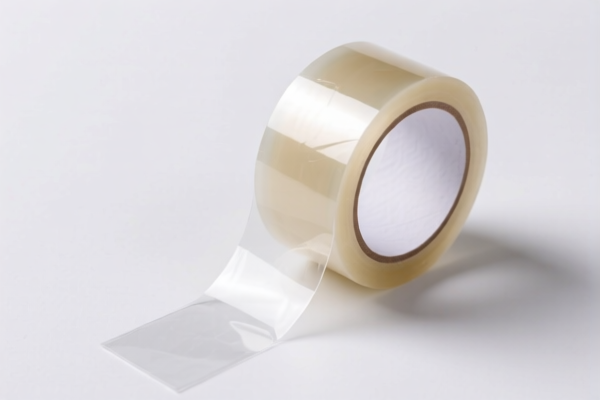


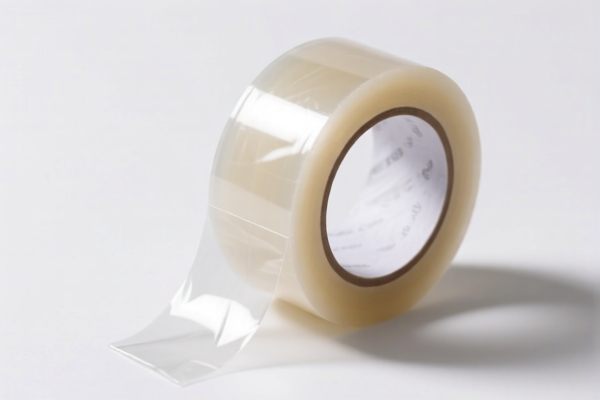
AI Analysis
🧊 Transparent Tape: High Adhesion | US Customs Classification & Duty Breakdown
🌐 HS Code Reference & Customs Clearance Guide | 2026 Latest Tariff Analysis | Professional Compliance Strategy
📌 I. Product Definition & Classification: What is "High Adhesion Transparent Tape"?
High Adhesion Transparent Tape is a staple office and industrial supply. In international trade, it is primarily classified as an adhesive plastic tape. The key determinants for classification are: 1. Material: Typically a thin film of polypropylene (PP) or polyethylene terephthalate (PET) coated with a pressure-sensitive adhesive (acrylic or rubber-based). 2. Form: Rolls, flat, wound (banded or unbanded). 3. Function: Self-adhesive. The "high adhesion" property describes the performance but does not change the fundamental material nature (plastic film + adhesive).
⚠️ Key Distinction:
- If it is purely a plastic film with adhesive → It falls under Chapter 39 (Plastics).
- If it has a textile backing (e.g., cloth tape) → It falls under Chapter 59 (Textiles).
- Note: Standard "transparent tape" is almost always plastic-based, so Chapter 39 is the primary category.
📦 II. HS Code Classification Details (2026 Latest Tariff Authority)
Based on the provided data, here are the four most relevant HS Codes for "Transparent Tape":
| HS Code | Product Description | Key Classification Logic |
|---|---|---|
3919.10.20.40 |
Self-adhesive plates, sheets, film, foil, tape, strip and other shapes, of plastics, transparent | Best Match. Explicitly covers "transparent" plastic tapes. Matches material (plastic), form (tape), and function (self-adhesive). |
3919.90.50.40 |
Other self-adhesive plates, sheets, film, foil, tape, strip and other shapes, of plastics | Alternative Match. Covers "low viscosity" or general plastic tapes if "transparent" is not the primary distinguishing feature in some interpretations, but the summary notes "transparent tape" matches here fully as well. |
3921.90.40.90 |
Other plates, sheets, film, foil and strip, of plastics | Broader Category. Classifies it as a "plastic strip/film" rather than specifically "adhesive tape." Used if the adhesive nature is considered secondary to the plastic backing material. |
5903.10.20.90 |
Textile fabrics impregnated, covered, coated or laminated with plastics, transparent | Unlikely Match. Applies only if the tape has a textile/polymer fiber backing (like some masking tapes or specialty industrial tapes) coated with plastic. For standard clear cellophane/Packaging tape, this is usually incorrect unless the backing is explicitly textile. |
🔍 Critical Reminder:
-3919.10.20.40is the most precise code for standard transparent packing tape.
-5903is only for textile-based plastic-coated tapes. Do not use this for standard PP/PET clear tape.
- "High Adhesion" is a performance spec, not a structural change. It does not move the item out of Chapter 39.
💰 III. 2026 Latest Tariff Rate Breakdown (Including Surtaxes)
✅ Applicable Country: United States (US)
✅ Country of Origin: China (CN)
✅ Effective Date: November 10, 2025 (for subsequent imports)
🎯 1. 3919.10.20.40 — Self-Adhesive Plastic Tape, Transparent
| Item | Detail |
|---|---|
| Base Tariff Rate | 5.8% (Ad Valorem) |
| Section 301 Surcharge (USITC) | +25.0% |
| IEEPA Surcharge (122 Clause) | +10.0% (For China/HK origin) |
| Total Effective Tax Rate | 40.8% |
| Tax Calculation | CIF Value × 40.8% |
| De Minimis Exemption | ❌ Not Eligible (Deny De Minimis) |
| Legal Basis Path | IEEPA:9903.01.25 → IEEPA:9903.01.24 → USITC:3919.10.20.40 → FOOTNOTE:9903.88.01 |
📌 Explanation:
- This is the most common code for clear packing tape.
- The total duty burden is high (40.8%).
- The 25% Section 301 duty is standard for most Chinese plastic products.
- The 10% IEEPA duty is a recent addition for specific China-origin goods.
🎯 2. 3919.90.50.40 — Other Self-Adhesive Plastic Tape
| Item | Detail |
|---|---|
| Base Tariff Rate | 5.8% |
| Section 301 Surcharge (USITC) | +25.0% |
| IEEPA Surcharge (122 Clause) | +10.0% |
| Total Effective Tax Rate | 40.8% |
| Tax Calculation | CIF Value × 40.8% |
| De Minimis Exemption | ❌ Not Eligible |
| Legal Basis Path | Same as above, different subheading |
📌 Note:
- Tax rate is identical to3919.10.20.40.
- Use this only if customs argues that "transparent" is not the primary descriptor or if the tape is not strictly "transparent" in the legal sense (e.g., slightly hazy).
🎯 3. 3921.90.40.90 — Other Plastic Strips/Films (Non-Adhesive Focus)
| Item | Detail |
|---|---|
| Base Tariff Rate | 4.2% |
| Section 301 Surcharge (USITC) | +25.0% |
| IEEPA Surcharge (122 Clause) | +10.0% |
| Total Effective Tax Rate | 39.2% |
| Tax Calculation | CIF Value × 39.2% |
| De Minimis Exemption | ❌ Not Eligible |
📌 Note:
- This code has a slightly lower total rate (39.2% vs 40.8%).
- However, it is riskier because it classifies the item as a "plastic strip" rather than "adhesive tape."
- Warning: Misclassification from3919to3921can lead to penalties if customs determines the adhesive nature is primary. Only use if you have a strong legal argument that the adhesive is incidental.
🎯 4. 5903.10.20.90 — Textile Fabrics Coated with Plastics
| Item | Detail |
|---|---|
| Base Tariff Rate | 0.0% |
| Section 301 Surcharge (USITC) | +25.0% |
| IEEPA Surcharge (122 Clause) | +10.0% |
| Total Effective Tax Rate | 35.0% |
| Tax Calculation | CIF Value × 35.0% |
| De Minimis Exemption | ❌ Not Eligible |
📌 Note:
- This has the lowest total tax (35.0%).
- CRITICAL CONDITION: This code ONLY applies if the tape has a textile backing (e.g., cloth, polyester mesh) coated with plastic.
- Standard clear tape (PP/PET) is NOT textile. Using this code for standard clear tape is high-risk misclassification.
- Only consider this for specialty industrial tapes with fabric backs.
🛠️ IV. Customs Clearance Practical Advice (Battle-Tested Guide)
✅ 1. Documentation Checklist (Non-Negotiable)
| Document | Required | Notes |
|---|---|---|
| Product Specification Sheet | ✔️ | Must state: Material (e.g., "BOPP"), Width, Length, Adhesive Type (Acrylic), and "High Adhesion" claim. |
| Product Photos | ✔️ | Clear shot of the roll, label, and a close-up of the adhesive side. |
| Commercial Invoice | ✔️ | Must describe item as "Self-Adhesive Transparent Plastic Tape" or similar. Avoid vague terms like "Office Supply." |
| Packing List | ✔️ | Detail number of rolls, total weight. |
| Country of Origin Certificate | ✔️ | If applicable for any potential future exemptions (though currently low for China). |
✅ 2. Declaration Tips (Key Mnemonics)
🔥 "Material Defines Code, Adhesion Defines Subheading, Transparency Matters!"
| Scenario | Correct HS Code | Why? |
|---|---|---|
| Standard Clear Packing Tape (PP/PET) | 3919.10.20.40 |
Best fit: Plastic + Adhesive + Transparent. |
| Clear Tape with Fabric Back | 5903.10.20.90 |
Textile backing changes chapter to Chapter 59. |
| Non-Transparent Masking Tape | 3919.90.50.40 |
Not transparent, but still self-adhesive plastic tape. |
| Plastic Film with Weak Glue (not primary) | 3921.90.40.90 |
Risky. Only if adhesive is not the main feature. |
⚠️ Pitfall Alert:
- Do NOT declare as "Stationery" or "Office Supplies." This is too vague and leads to delays.
- Do NOT use5903for clear tape. Customs will inspect the backing. If it’s plastic, they will reclassify to3919and assess penalties.
✅ 3. Special Case Handling
| Situation | Recommendation |
|---|---|
| High Adhesion Claim | Include "High Tack" or "High Adhesion" in the description to justify performance, but do not change the HS code. It’s a spec, not a classification trigger. |
| Sample/Prototype | Same duties apply. No exemption for samples unless value is below $800 (De Minimis), but De Minimis is denied for China-origin goods under current IEEPA rules. |
| Combined Shipment (Tape + Box) | Declare tape separately. Do not bundle into "Mixed Goods" unless you have a specific packing list justification. |
🌍 V. Global Market Comparison (2026 Latest)
| Market | Recommended HS Code | Total Duty (China Origin) | Key Requirements |
|---|---|---|---|
| 🇺🇸 USA | 3919.10.20.40 |
40.8% | Strict classification. No De Minimis. |
| 🇨🇳 China | 3919.10.20.40 |
~5% (Import) | No surcharges. |
| 🇪🇺 EU | 3919.10 |
~6.5% | CE/RoHS if adhesive contains certain chemicals. |
| 🇯🇵 Japan | 3919.10 |
~6% | No major surcharges. |
📌 Conclusion:
- The USA is the most expensive market for this product due to the 40.8% combined tariff.
- Cost Impact: For every $10,000 of tape, you pay $4,080 in duties. This significantly impacts profit margins.
- Strategy: Consider sourcing from non-China countries (e.g., Vietnam, Malaysia) if feasible to reduce tariffs (though check for circumvention rules).
📌 VI. Common Errors & Pitfalls (Lessons Learned)
❌ Error 1: Misclassifying clear tape as 5903 (Textile Coated)
👉 Consequence: Customs inspection finds plastic backing → Penalty + Back Duties + Interest.
👉 Fix: Always check the backing material. If it’s PP/PET, use 3919.
❌ Error 2: Under-declaring Value
👉 Consequence: Seizure, fines, and loss of import privileges.
👉 Fix: Declare CIF Value (Cost + Insurance + Freight) accurately.
❌ Error 3: Using "Low Adhesion" as a reason to change HS Code
👉 Consequence: No tax benefit. 3919.90.50.40 still has 40.8% duty.
👉 Fix: Focus on accurate description, not tax avoidance via vague specs.
🎯 VII. Conclusion: Professional Declaration, Cost Efficiency
🎯 Key Takeaway:
🔹 Standard Clear Tape =
3919.10.20.40
🔹 Total Duty = 40.8%
🔹 No De Minimis Exemption
🔹 Document Material Clearly (PP/PET + Adhesive)
📌 Pro Tip:
If your company imports high volumes, consider:
1. Advance Ruling: Apply for a Customs Advance Ruling to confirm the HS Code and duty rate before shipment.
2. Supply Chain Diversification: Evaluate sourcing from Southeast Asia to potentially avoid Section 301/IEEPA tariffs (if rules of origin are met).
📣 Action Item:
📞 Consult a Licensed Customs Broker before your first shipment.
📄 Provide Full Specs: Material, Width, Length, Adhesive Type.
🚀 Plan for 40.8% Duty in your cost structure.
✨ Precision Classification = Predictable Costs = Competitive Advantage
💼 Don’t let hidden duties eat your profits!
Customer Reviews
About HS Code Classification
The Harmonized System (HS) is an internationally standardized nomenclature developed by the World Customs Organization (WCO) to classify traded products. Over 200 countries use the HS system as the basis for customs tariffs, trade statistics, and import/export regulations.
Each HS code follows a hierarchical structure:
- Chapter (2 digits) — Broad category of goods (e.g., Chapter 84: Machinery and Mechanical Appliances)
- Heading (4 digits) — More specific grouping within the chapter
- Subheading (6 digits) — Internationally standardized breakdown, used by all WCO member countries
- National subdivisions (8-10 digits) — Country-specific extensions for further classification, such as US HTSUS 10-digit codes
Correct HS code classification is essential for smooth customs clearance, accurate duty payment, and compliance with trade regulations. Misclassification can lead to customs delays, overpayment of duties, or penalties.
When importing from CN to US, the applicable tariff rates may include:
- Most-Favored-Nation (MFN) rate — The standard duty rate applied to WTO members
- General rate — Applied to countries without trade agreements
- Trade remedy duties — Additional tariffs such as Section 301 (anti-dumping), Section 232 (national security), or countervailing duties
The information provided on this page is for reference purposes only. For official classification, please consult with your local customs authority or a licensed customs broker.