transparent tape industrial grade
CN → US| HS Code | Tariff Rate | Origin | Destination | Doc |
|---|---|---|---|---|
| 3919102040 | 40.8% | CN | US | Official Doc |
| 3919905040 | 40.8% | CN | US | Official Doc |
| 3702440160 | 38.7% | CN | US | Official Doc |
| 3701996060 | 35.0% | CN | US | Official Doc |
| 3701993000 | 35.0% | CN | US | Official Doc |
Product Images
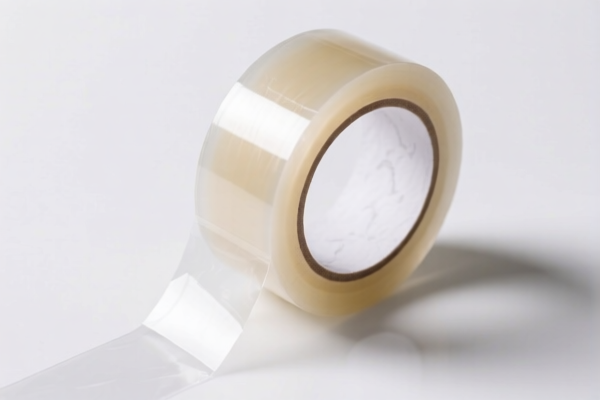
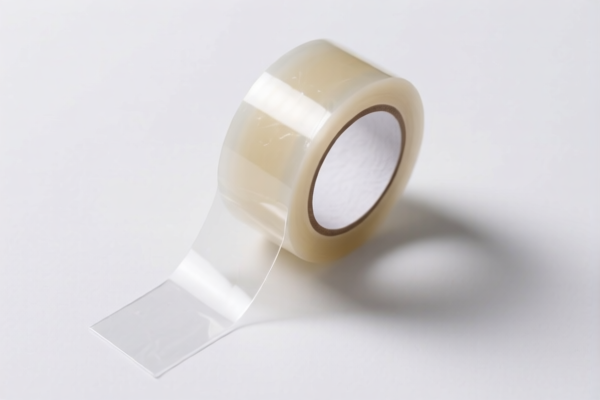

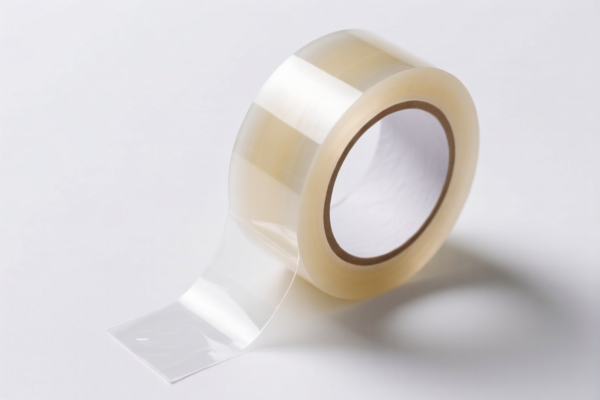
AI Analysis
📦 Industrial-Grade Transparent Tape & Film Solutions
🌐 HS Code Reference & Customs Clearance Guide | 2026 Latest Tariff Analysis | Professional Clearance Strategy
📌 I. Product Definition & Classification: Do You Truly Understand "Industrial-Grade"?
"Transparent Tape" and "Industrial Grade Film" are broad terms in international trade. In the context of US imports from China, the classification depends entirely on the material structure, functionality (adhesive vs. photosensitive), and form factor (roll vs. sheet).
Misclassification here leads to severe penalties because US-China tariffs (Section 301 + 1222 Clause) are exceptionally high.
⚠️ Key Distinction Points:
- Standard Packaging/Office Tape: Usually classified under Chapter 39 (Plastics). If it is thin, self-adhesive, and used for sealing, it falls under 3919.
- Industrial Sensing/Photo Film: If the "tape" is actually a specialized photosensitive film used for industrial processes (e.g., lithography, sensing, imaging), it falls under Chapter 37 (Photographic Goods).
- Material Matters: The summary explicitly notes "Non-paper, Non-textile materials," confirming these are plastic/synthetic polymer products.
📂 II. HS Code Classification Details (2026 Latest Tariff Alignment)
Based on the provided data, we have five specific HS Codes. They split into two main categories: Adhesive Plastic Tapes (3919) and Photographic/Industrial Film (3701/3702).
| HS Code | Product Description | Summary Logic | Key Characteristics |
|---|---|---|---|
3919.10.20.40 |
Economy Transparent Tape | Adhesive plastic product, self-adhesive form | Standard clear tape, plastic base, self-adhesive. |
3919.90.50.40 |
Economy Transparent Tape | Flat plastic self-adhesive articles | General plastic adhesive products, flat shape. |
3702.44.01.60 |
Industrial Grade Film | Photosensitive film form, non-paper material | High-tech industrial film, likely for coating/sensing. |
3701.99.60.60 |
Industrial Grade Film | Flat photosensitive characteristic, non-paper/textile | Precision industrial film, flat format, specialized use. |
3701.99.30.00 |
Industrial Grade Film | Film form, material other than paper/textile | General industrial film, non-textile base. |
🔍 Critical Note:
- Codes starting with 3919 are Adhesive Plastics. These are typically "packing tape" or "sealing tape."
- Codes starting with 3701/3702 are Photographic/Imaging Goods. Even if called "tape" loosely in industry, if they are photosensitive or used for industrial imaging/sensing, they are classified here.
- Do not mix these up. Treating industrial film as simple packing tape can lead to customs detention for misdeclaration.
💰 III. 2026 Latest Tariff Rate Breakdown (Including Surcharges & Policy Add-ons)
✅ Applicable Country: United States (US)
✅ Origin: China (CN)
✅ Effective Time: Current ongoing trade restrictions (Section 301 & Additional Clauses)
The tax structure is consistent across all listed HS Codes in the data, indicating a uniform high-tariff environment for these Chinese-origin goods.
🎯 1. Adhesive Tapes (3919.10.20.40 & 3919.90.50.40)
| Item | Content |
|---|---|
| Base Duty Rate | 5.8% (Standard MFN rate for plastic tapes) |
| Section 301 Surcharge | +25.0% (Retaliatory tariff on Chinese goods) |
| 1222 Clause Surcharge | +10.0% (Specific additional tariff clause) |
| Total Effective Rate | 40.8% |
| Tax Calculation | CIF Value × 40.8% |
| De Minimis Exemption? | ❌ NO (High tariffs apply regardless of value) |
| Legal Basis Path | USITC:3919.xx.xx.xx → Section 301 Footnote → 1222 Clause |
📌 Explanation:
- 5.8% is the standard US base import duty for plastic adhesive tapes.
- 25.0% is the major Section 301 tariff imposed on a wide range of Chinese industrial products.
- 10.0% is an additional "1222 Clause" tariff, often applied to specific categories to further restrict imports.
- Total 40.8% is extremely high. This effectively doubles the cost of the product.
🎯 2. Industrial Grade Film (3702.44.01.60, 3701.99.60.60, 3701.99.30.00)
| Item | Content |
|---|---|
| Base Duty Rate | 0.0% - 3.7% (Varies by specific film type; see below) |
| Section 301 Surcharge | +25.0% (Uniform across all listed codes) |
| 1222 Clause Surcharge | +10.0% (Uniform across all listed codes) |
| Total Effective Rate | 35.0% - 38.7% |
| Tax Calculation | CIF Value × Total Rate |
| De Minimis Exemption? | ❌ NO |
| Legal Basis Path | USITC:3701/3702.xx.xx.xx → Section 301 Footnote → 1222 Clause |
📌 Detailed Breakdown by Code:
-3702.44.01.60: Base 3.7% + 25% + 10% = 38.7%
-3701.99.60.60: Base 0.0% + 25% + 10% = 35.0%
-3701.99.30.00: Base 0.0% + 25% + 10% = 35.0%📌 Why 0% Base for Some Films?
Some specialized industrial/photographic films have a 0% base duty under normal MFN trade. However, the 35% surcharges make them just as expensive as the 40.8% tapes. The "savings" in base duty are negligible compared to the punitive surcharges.
🛠️ IV. Customs Clearance Practical Advice (Battle-Tested Pitfall Avoidance)
✅ 1. Documentation Checklist (Non-Negotiable)
| Document | Required? | Purpose |
|---|---|---|
| ✅ Product Specification Sheet | ✔️ | Must detail material composition (e.g., "BOPP Plastic," "Polyester Film"), thickness, width, and adhesive vs. photosensitive nature. |
| ✅ Commercial Invoice | ✔️ | Must explicitly state: "Transparent Adhesive Tape, Plastic, HS 3919" OR "Industrial Photosensitive Film, HS 3701". Do not use vague terms like "Tape". |
| ✅ Packing List | ✔️ | Net/Gross weight, number of rolls/sheets. |
| ✅ Origin Certificate (CO) | ✔️ | Proof of China origin (triggering the 35-40% tariffs). |
| ✅ Photo of Product/Label | ✔️ | Clear view of the product to prove it is not a textile tape or paper tape. |
| ✅ Usage Declaration | ✔️ | "For industrial sealing" vs. "For industrial imaging/sensing." This determines Chapter 39 vs. 37. |
✅ 2. Declaration Strategy (Key Mnemonics)
🔥 "Adhesive = Ch39, Photo = Ch37, Base is Low, Surcharge is King!"
| Scenario | Correct HS Code | Incorrect Action | Consequence |
|---|---|---|---|
| Clear Packing Tape | 3919.10.20.40 or 3919.90.50.40 |
Classify as "Film" (Ch37) | Risk of audit, but tax rate is similar (40.8% vs 35-38%). Better to be accurate to avoid fines. |
| Industrial Sensing Film | 3701.99.60.60 or 3702.44.01.60 |
Classify as "Adhesive Tape" (Ch39) | High Risk. Customs may reclassify and apply penalties for misdeclaration of "Sensitive/Controlled Goods." |
| Paper-Based Tape | (Not in data) | Classify as Ch39 Plastic | Major Error. Paper tape has different rates and no plastic surcharges. |
| Textile Tape | (Not in data) | Classify as Ch39 Plastic | Major Error. Textile tapes fall under Chapter 59. |
✅ 3. Special Handling for "Industrial Grade"
| Situation | Handling Advice |
|---|---|
| Ambiguous Product | If the product is a "clear tape" used in a lab for imaging, insist on Ch37. If used for sealing boxes, insist on Ch39. The physical form is identical; the intended use and material tech drive the HS. |
| OEM Custom Tape | Provide the customer’s technical spec. If the spec mentions "adhesive coating," use Ch39. If it mentions "photosensitive emulsion," use Ch37. |
| High-Value Shipment | With 40%+ taxes, consider Section 321 De Minimis ONLY if you are shipping via low-value courier (under $800). However, for industrial freight, this is usually not applicable. |
🌍 V. Global Market Comparison (2026)
| Country/Region | Recommended HS Code | Est. Duty (China Origin) | Notes |
|---|---|---|---|
| 🇺🇸 USA | 3919.xx.xx.xx or 3701/02.xx.xx.xx |
35.0% - 40.8% | High Section 301 + 1222 tariffs. Cost Driver. |
| 🇨🇳 China | Same HS Codes | 5.0% - 6.5% | Import duty to China is low; no surcharges. |
| 🇪🇺 EU | 3919.10 or 3701/02 |
6.5% - 10% | No US-style 301 tariffs. Better Market. |
| 🇻🇳 Vietnam | Similar Codes | Varies | If re-exported from Vietnam, may qualify for lower US tariffs if substantial transformation occurred. |
📌 Conclusion:
The US market is currently the most expensive for these products due to political trade measures.
EU is a significantly more competitive market for Chinese-made tapes/films.
📌 VI. Common Errors & Pitfalls (Blood Lessons)
❌ Error 1: Calling "Industrial Film" just "Tape"
👉 Consequence: Customs may detain the shipment for lack of proper "Photosensitive/Chemical" documentation.
👉 Fix: Use precise terminology: "Industrial Polyester Film" or "Self-Adhesive BOPP Tape."
❌ Error 2: Ignoring the "1222 Clause"
👉 Consequence: Underpaying tax by 10%. Result: Back taxes + Interest + Penalties at clearance.
👉 Fix: Always include the +10% in your landed cost calculation.
❌ Error 3: Assuming 0% Base Duty means 0% Total
👉 Consequence: Thinking 3701.99.30.00 is tax-free.
👉 Fix: Remember: 0% Base + 35% Surcharges = 35% Total.
❌ Error 4: Mixing "Economy" and "Industrial" codes
👉 Consequence: "Economy" implies low value/standard use. "Industrial" implies specialized tech.
👉 Fix: If you are sending high-tech film, do not declare it as "Economy Tape" to try to lower scrutiny. It will be caught.
✅ Correct Declaration Example:
"Transparent Self-Adhesive Plastic Tape, BOPP Material, Width 48mm, for Industrial Packaging, HS Code: 3919.10.20.40, Country of Origin: China."
🎯 VII. Conclusion: Precise Classification Saves Money & Time
🎯 Key Takeaways:
🔹 "Adhesive = 3919, Film = 3701/02. Both suffer 35-40% Total Tax."
🔹 "Base rate is small; Surcharges are the killer. Plan your pricing accordingly."
🔹 "Accuracy in description prevents delays. 'Industrial' does not mean 'Exempt'."
📌 Pro Tip:
If your product volume is high, consider Supply Chain Diversification.
📦 Option A: Manufacture in Vietnam/Malaysia to potentially mitigate US Section 301 tariffs (if substantial transformation occurs).
📦 Option B: Target EU/ASEAN markets where tariffs are significantly lower (6-10% vs 35-40%).
📣 Immediate Action:
📞 Consult a Licensed Customs Broker: Provide them with the Technical Data Sheet.
🚀 Calculate Landed Cost: Use 40.8% as the baseline for US imports. Do not underestimate.
✨ Professional Clearance Starts with Accurate HS Codes!
Customer Reviews
About HS Code Classification
The Harmonized System (HS) is an internationally standardized nomenclature developed by the World Customs Organization (WCO) to classify traded products. Over 200 countries use the HS system as the basis for customs tariffs, trade statistics, and import/export regulations.
Each HS code follows a hierarchical structure:
- Chapter (2 digits) — Broad category of goods (e.g., Chapter 84: Machinery and Mechanical Appliances)
- Heading (4 digits) — More specific grouping within the chapter
- Subheading (6 digits) — Internationally standardized breakdown, used by all WCO member countries
- National subdivisions (8-10 digits) — Country-specific extensions for further classification, such as US HTSUS 10-digit codes
Correct HS code classification is essential for smooth customs clearance, accurate duty payment, and compliance with trade regulations. Misclassification can lead to customs delays, overpayment of duties, or penalties.
When importing from CN to US, the applicable tariff rates may include:
- Most-Favored-Nation (MFN) rate — The standard duty rate applied to WTO members
- General rate — Applied to countries without trade agreements
- Trade remedy duties — Additional tariffs such as Section 301 (anti-dumping), Section 232 (national security), or countervailing duties
The information provided on this page is for reference purposes only. For official classification, please consult with your local customs authority or a licensed customs broker.