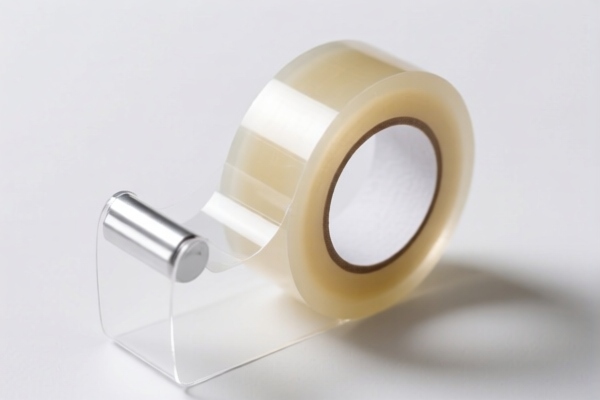
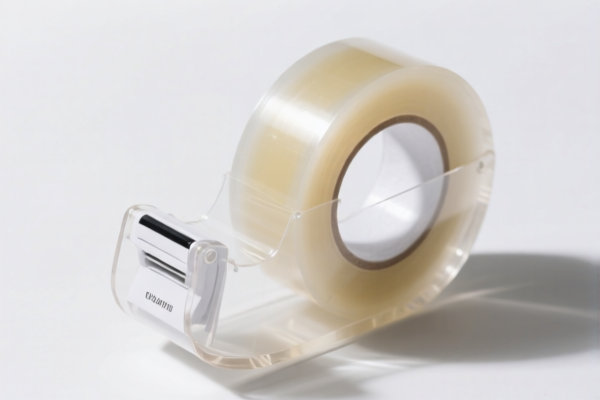
transparent tape no trace
CN → US| HS Code | Tariff Rate | Origin | Destination | Doc |
|---|---|---|---|---|
| 3919905040 | 40.8% | CN | US | Official Doc |
| 3919102040 | 40.8% | CN | US | Official Doc |
| 3919102040 | 40.8% | CN | US | Official Doc |
| 3919905040 | 40.8% | CN | US | Official Doc |
| 3919102030 | 40.8% | CN | US | Official Doc |
Product Images


AI Analysis
📦 Transparent Tape (No Trace / Low Viscosity)
🌐 HS Code Reference & Customs Clearance Guide | 2026 Latest Tariff Analysis | Professional Strategy
📌 1. Product Definition & Classification: What is "No Trace" Tape?
"Transparent Tape (No Trace)" refers to pressure-sensitive adhesive tapes made primarily of plastic materials (such as acrylic or polypropylene), designed to leave no residue upon removal. These are typically used for packaging, mounting, or temporary fixing in light-duty applications.
In international trade, these products are classified based on their material composition, state of supply (rolls/sheets), and adhesive nature.
⚠️ Key Distinction:
- If the tape is self-adhesive and made of plastics, it falls under Chapter 39.
- Specific sub-headings depend on whether it is in rolls, width, and specific adhesive characteristics, but generally, they are categorized under 3919 (Self-adhesive plates, sheets, film, foil, tape, strip, and other flat shapes, of plastics).
📊 2. HS Code Classification Details (2026 Authoritative Reference)
Based on the provided data, there are three potential HS Codes for "Transparent Tape (No Trace)" and related variants. Here is the detailed breakdown:
| HS Code | Product Description | Application Scenario | Key Classification Basis |
|---|---|---|---|
3919.90.50.40 |
Transparent Tape (No Trace) & Low Viscosity Transparent Tape | General purpose packaging, light mounting, office use | Based on plastic material and self-adhesive characteristics. Categorized under "Other" plastic self-adhesive products. |
3919.10.20.40 |
Transparent Tape (No Trace) & Low Viscosity Transparent Tape | Standard self-adhesive tapes, rolls | Based on plastic material, tape form, and self-adhesive usage. Categorized under "Self-adhesive products, in rolls of a width not exceeding 20 cm." |
3919.10.20.30 |
Transparent Printing Tape | Labeling, marking, transparent branding tapes | Based on transparent material, tape form, and lack of conflict with other subheadings. Often used for clear labeling applications. |
🔍 Important Note:
- All three codes apply to plastic-based self-adhesive tapes.
- The choice between3919.90...and3919.10...depends on the roll width and specific product specifications defined by customs authorities.
-3919.10.20.30is specifically highlighted for printing tapes, which may have additional marking or design elements.
💰 3. 2026 Latest Tariff Rate Details (Including Surcharges)
✅ Applicable Country: United States (US)
✅ Origin: China (CN)
✅ Effective Date: 2025/2026 (Subject to ongoing trade policies)
🎯 1. General Tariff Structure for All Listed HS Codes
All the above HS Codes (3919.90.50.40, 3919.10.20.40, 3919.10.20.30) share the same total tax rate due to applicable trade restrictions.
| Item | Rate / Amount | Details |
|---|---|---|
| Base Duty Rate | 5.8% | Standard Most Favored Nation (MFN) duty for plastic tapes |
| Section 301 Additional Duty | +25.0% | Imposed under US Trade Law Section 301 on Chinese goods |
| Section 122 Duty (Tariff) | +10.0% | Specific additional duty applied to certain plastic/adhesive products |
| Total Effective Tax Rate | 40.8% | 5.8% + 25.0% + 10.0% |
| Calculation Basis | CIF Value × 40.8% | Calculated on Cost, Insurance, and Freight value |
| De Minimis Exemption | ❌ Not Eligible | High duty rates generally exclude small packages from de minimis (Section 321) exemptions in practice |
📌 Explanation:
- The 25% Section 301 duty is the primary driver of the high tariff, targeting Chinese manufacturing.
- The 10% Section 122 duty further increases the cost for specific plastic products.
- Total 40.8% is a significant cost factor that must be factored into pricing and supply chain decisions.
🛠️ 4. Customs Clearance Practical Advice
✅ 1. Required Documentation Checklist
| Document | Mandatory | Notes |
|---|---|---|
| ✅ Commercial Invoice | ✔️ | Must clearly state "Transparent Adhesive Tape, Plastic, Self-Adhesive" |
| ✅ Packing List | ✔️ | Detail roll widths, core sizes, and net/gross weights |
| ✅ Product Specification Sheet | ✔️ | Include material composition (e.g., Acrylic adhesive, PP backing), viscosity, and thickness |
| ✅ HS Code Pre-Ruling | ✔️ | Recommended to confirm classification between 3919.10 and 3919.90 based on roll width |
| ✅ Certificate of Origin | ✔️ | Proof of Chinese origin (triggers 301 duties) |
| ✅ Fibermark/Compliance Docs | ✔️ | If applicable, for recycled content or environmental claims |
✅ 2. Classification Strategy
🔥 “Width Determines Code, Material Determines Chapter!”
| Scenario | Correct HS Code | Reason |
|---|---|---|
| Roll width ≤ 20 cm | 3919.10.20.40 or 3919.10.20.30 |
Fits the "rolls of width not exceeding 20 cm" category |
| Roll width > 20 cm | 3919.90.50.40 |
Falls under "Other" plastic self-adhesive products |
| Tape with printed graphics | 3919.10.20.30 |
Specifically noted for transparent printing tapes |
| Non-self-adhesive plastic film | ❌ Not 3919 | Would fall under 3920 or 3921 |
✅ 3. Common Pitfalls & Avoidance
| Mistake | Consequence | Solution |
|---|---|---|
| Misclassifying as "Paper Tape" | Wrong HS Code, potential audit | Ensure description specifies Plastic material |
| Ignoring Roll Width | Incorrect 8-digit code | Verify width on invoice and packing list |
| Under-declaring Value | Penalties, seizure | Declare accurate CIF value; 40.8% duty is unavoidable |
| Missing Section 301 Acknowledgement | Delays at US CBP | Clearly indicate origin and accept applicable duties |
🌍 5. Global Market Comparison (2026)
| Market | HS Code | Base Duty | Surcharges | Total Rate | Notes |
|---|---|---|---|---|---|
| 🇺🇸 USA | 3919.90.50.40 etc. |
5.8% | +25% (301) + 10% (122) | 40.8% | High barrier for Chinese origin |
| 🇨🇳 China | 3919.90.50.40 |
5.8% | None | 5.8% | Lower duty for domestic trade |
| 🇪🇺 EU | 3919.10 |
6.5% | None | 6.5% | No Section 301 equivalent |
| 🇬🇧 UK | 3919.10 |
6.5% | None | 6.5% | Post-Brexit trade terms apply |
📌 Conclusion:
- The USA imposes a 40.8% effective duty on Chinese-made transparent tapes.
- To mitigate costs, consider supply chain diversification (e.g., sourcing from Vietnam, Thailand, or India) where applicable Section 301 duties do not apply.
- Pre-clearance rulings are highly recommended to avoid misclassification penalties.
📌 6. Final Tips for Smooth Clearance
✅ Use Precise Descriptions:
"Self-adhesive Plastic Tape, Transparent, No-Residue, Acrylic Adhesive, PP Backing, Roll Width 20cm"
✅ Verify Roll Width:
This is the key differentiator between
3919.10and3919.90.
✅ Plan for High Duties:
Factor 40.8% into your landed cost calculations. There are no current exemptions for standard transparent tapes from China to the US.
✅ Consult a Customs Broker:
For large shipments, engage a US customs broker to validate HS codes and ensure compliance with Section 301 and 122 requirements.
📣 Take Action Now:
📞 Contact a Customs Broker to confirm your specific HS Code based on roll width and product specs.
🚀 Optimize Supply Chain if duties impact profitability.
💼 Stay Compliant – Accurate classification saves time, money, and avoids legal risks.
✨ Professional Customs Clearance Starts with Precise Classification!
💼 Every percent of duty counts – make sure you’re paying the right one!
Customer Reviews
About HS Code Classification
The Harmonized System (HS) is an internationally standardized nomenclature developed by the World Customs Organization (WCO) to classify traded products. Over 200 countries use the HS system as the basis for customs tariffs, trade statistics, and import/export regulations.
Each HS code follows a hierarchical structure:
- Chapter (2 digits) — Broad category of goods (e.g., Chapter 84: Machinery and Mechanical Appliances)
- Heading (4 digits) — More specific grouping within the chapter
- Subheading (6 digits) — Internationally standardized breakdown, used by all WCO member countries
- National subdivisions (8-10 digits) — Country-specific extensions for further classification, such as US HTSUS 10-digit codes
Correct HS code classification is essential for smooth customs clearance, accurate duty payment, and compliance with trade regulations. Misclassification can lead to customs delays, overpayment of duties, or penalties.
When importing from CN to US, the applicable tariff rates may include:
- Most-Favored-Nation (MFN) rate — The standard duty rate applied to WTO members
- General rate — Applied to countries without trade agreements
- Trade remedy duties — Additional tariffs such as Section 301 (anti-dumping), Section 232 (national security), or countervailing duties
The information provided on this page is for reference purposes only. For official classification, please consult with your local customs authority or a licensed customs broker.