trash can
CN → US| HS Code | Tariff Rate | Origin | Destination | Doc |
|---|---|---|---|---|
| 3926909989 | 22.8% | CN | US | Official Doc |
| 3926901000 | 20.9% | CN | US | Official Doc |
| 4202999000 | 55.0% | CN | US | Official Doc |
| 7326908688 | 87.9% | CN | US | Official Doc |
| 3923900012 | 38.0% | CN | US | Official Doc |
Product Images
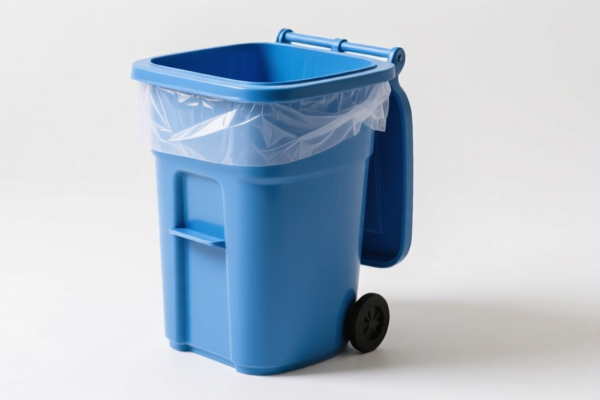
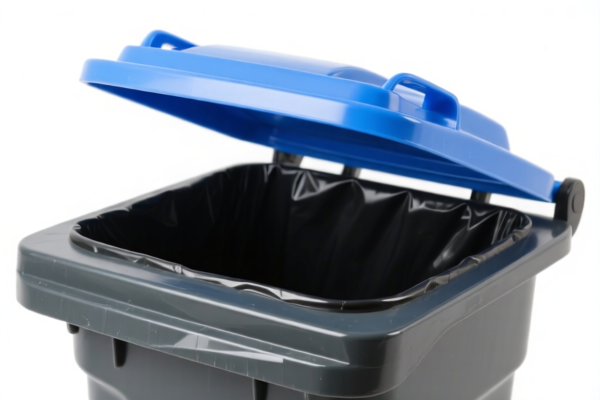
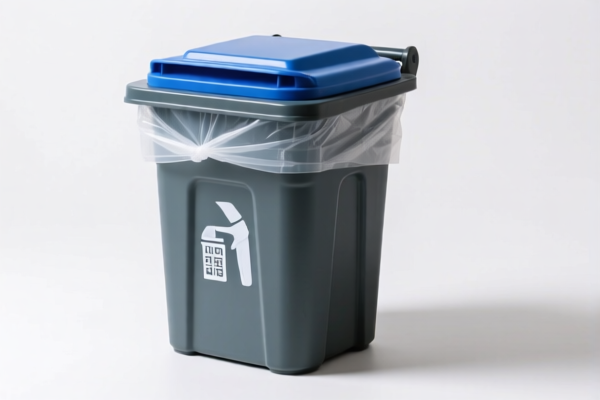
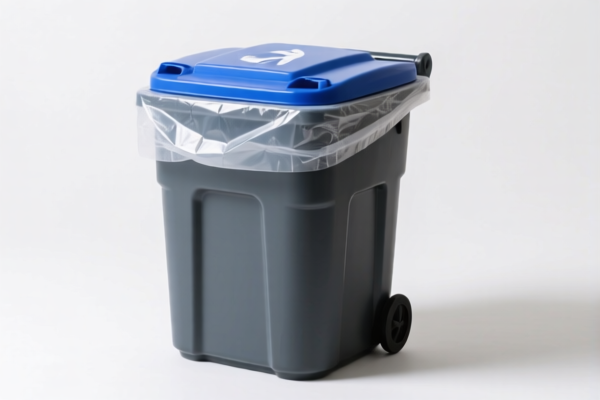
AI Analysis
🗑️ Trash Can (Vehicle Trash Cans & General Waste Bins)
🌐 HS Code Reference & Customs Clearance Guide | 2024-2025 Tariff Breakdown | Professional Entry Strategy
📌 I. Product Definition & Classification: What Kind of "Trash Can" Are You Importing?
A "Trash Can" is a broad term, but in international trade, its classification depends entirely on Material, Form, and Specific Usage. For Vehicle Trash Cans, the customs authority looks at whether it’s a simple plastic bucket, a textile-covered container, or a metal accessory.
⚠️ Key Differentiator:
- Plastic Bucket/Shaped Item → Likely 3926 or 3923
- Textile/Covered Container → Likely 4202
- Metal Frame/Accessory → Likely 7326
📦 II. HS Code Classification Details (Based on Provided Data)
| HS Code | Product Description | Material/Shape | Applicable Scenario |
|---|---|---|---|
3926.90.99.89 |
Other plastic articles, not elsewhere specified | Plastic, general shape | Plastic trash can that doesn't fit specific "bucket" definitions; general plastic accessory |
3926.90.10.00 |
Plastic barrels, casks, drums, etc. | Plastic, Bucket/Cup Shape | Vehicle trash cans explicitly shaped like a bucket or cup |
4202.99.90.00 |
Other containers and bags of plastic or textile materials | Plastic/Textile, Container Form | Trash cans covered in fabric, leather, or complex composite materials; accessory-style bins |
7326.90.86.88 |
Other articles of iron or steel (not specified) | Metal (Steel/Aluminum/Copper) | Metal frames, wire baskets, or heavy-duty metal vehicle bins |
3923.90.00.12 |
Other articles of plastics for transport/packaging | Plastic, Packaging/Transport Form | Plastic bins designed primarily for transport or storage packaging functions |
🔍 Critical Note:
- If it looks like a cup or bucket and is plastic, it likely falls under 3926.90.10.00.
- If it is a simple plastic part without a specific "bucket" designation, it may fall under 3926.90.99.89.
- Metal variants are significantly more expensive to import due to steel/aluminum tariffs.
💰 III. 2024-2025 Tariff Rate Breakdown (Detailed Analysis)
✅ Applicable Country: United States (US)
✅ Origin: China (CN)
✅ Effective Time: Current Trade War Tariffs (Section 301 & 122)
🎯 1. 3926.90.10.00 —— Plastic Bucket-Style Trash Can
(Most Likely for Standard Vehicle Cups/Bins)
| Item | Detail |
|---|---|
| Base Duty | 3.4% |
| Section 301 Surcharge | +7.5% |
| Section 122 Surcharge | +10% |
| Total Tax Rate | 20.9% |
| Calculation | CIF Value × 20.9% |
| De Minimis Exemption | ❌ Not Eligible (Section 301/122 apply) |
| Legal Path | USITC:3926.90.10.00 → FOOTNOTE:301 → FOOTNOTE:122 |
📌 Analysis:
This is the lowest tax bracket for plastic vehicle trash cans. If your product is clearly a plastic bucket/cup, this is the preferred classification.
🎯 2. 3926.90.99.89 —— Other Plastic Articles
(For Non-Bucket Plastic Shapes)
| Item | Detail |
|---|---|
| Base Duty | 5.3% |
| Section 301 Surcharge | +7.5% |
| Section 122 Surcharge | +10% |
| Total Tax Rate | 22.8% |
| Calculation | CIF Value × 22.8% |
| De Minimis Exemption | ❌ Not Eligible |
| Legal Path | USITC:3926.90.99.89 → FOOTNOTE:301 → FOOTNOTE:122 |
📌 Analysis:
Slightly higher than the bucket category. Used if the item is a molded plastic part that isn't strictly a "bucket."
🎯 3. 3923.90.00.12 —— Plastic Packaging/Transport Containers
(For Plastic Storage Bins)
| Item | Detail |
|---|---|
| Base Duty | 3.0% |
| Section 301 Surcharge | +25% |
| Section 122 Surcharge | +10% |
| Total Tax Rate | 38.0% |
| Calculation | CIF Value × 38.0% |
| De Minimis Exemption | ❌ Not Eligible |
📌 Analysis:
High Section 301 tariff (25%) makes this expensive. Avoid this code unless the product is explicitly marketed as "packaging" rather than a "container/accessory."
🎯 4. 4202.99.90.00 —— Textile/Covered Containers
(For Fabric-Wrapped or Luxury Car Bins)
| Item | Detail |
|---|---|
| Base Duty | 20.0% |
| Section 301 Surcharge | +25% |
| Section 122 Surcharge | +10% |
| Total Tax Rate | 55.0% |
| Calculation | CIF Value × 55.0% |
| De Minimis Exemption | ❌ Not Eligible |
📌 Analysis:
Very High Tax. Only use if the product is significantly made of textile/leather. Plain plastic bins should not be classified here.
🎯 5. 7326.90.86.88 —— Metal (Steel/Aluminum) Articles
(For Wire Mesh or Metal Frame Bins)
| Item | Detail |
|---|---|
| Base Duty | 2.9% |
| Section 301 Surcharge | +25% |
| Section 122 Surcharge | +10% |
| Steel/Aluminum/Copper Surcharge | +50% |
| Total Tax Rate | 87.9% |
| Calculation | CIF Value × 87.9% |
| De Minimis Exemption | ❌ Not Eligible |
📌 Analysis:
Extremely High Tax. Metal vehicle accessories face massive double/tariff stacking. Strongly avoid this classification for plastic-looking items.
🛠️ IV. Customs Clearance Practical Advice (Pitfall Avoidance)
✅ 1. Documentation Checklist (Must-Have)
| Document | Required? | Note |
|---|---|---|
| ✅ Product Photos | ✔️ | Show the item from multiple angles. Clearly show material (plastic vs. metal vs. fabric). |
| ✅ Material Declaration | ✔️ | Specify % composition (e.g., "100% Polypropylene Plastic"). |
| ✅ Product Description | ✔️ | Use precise terms: "Plastic Vehicle Cup Holder/Trash Bin," NOT just "Trash Can." |
| ✅ Commercial Invoice | ✔️ | Match HS Code and description exactly. |
| ✅ Packing List | ✔️ | Include net/gross weight. |
✅ 2. Classification Strategy (Key Mnemonic)
🔥 "Plastic Bucket = 20.9% | Plastic Part = 22.8% | Fabric = 55% | Metal = 87.9%"
| Scenario | Recommended HS Code | Why? |
|---|---|---|
| Standard Plastic Car Bin | 3926.90.10.00 |
It's a plastic bucket/cup. Lowest tax. |
| Unique Molded Plastic Part | 3926.90.99.89 |
Not a bucket, but plastic. Slightly higher tax. |
| Fabric-Covered Bin | 4202.99.90.00 |
Textile/cover defines the class. High tax. |
| Wire Mesh/Metal Bin | 7326.90.86.88 |
Metal triggers steel/aluminum surcharges. Highest tax. |
✅ 3. Critical Warnings
- ❌ DO NOT classify a plastic bin as
7326just because it has a metal clip. The essential character is plastic. - ❌ DO NOT classify a simple plastic bin as
3923(Packaging) unless it is explicitly a container for transporting other goods, not for use in a car. - ✅ DO provide clear photos to prove it is not a textile product to avoid the 55% tax.
- ✅ DO emphasize the "Vehicle Accessory" function but rely on the Material + Shape for HS code.
🌍 V. Global Market Comparison (2024-2025)
| Market | Recommended HS Code | Est. Total Tax (China Origin) | Notes |
|---|---|---|---|
| 🇺🇸 USA | 3926.90.10.00 |
20.9% | Includes Section 301 & 122 tariffs. |
| 🇺🇸 USA | 7326.90.86.88 |
87.9% | Avoid metal items due to steel tariffs. |
| 🇨🇳 China | 3926.90.10.00 |
5.3% | Import tax only (no Section 301). |
| 🇪🇺 EU | 3926.90.10.00 |
4.5% | Standard duty (no Section 301 equivalent). |
📌 Conclusion:
The US market is the most challenging for Chinese-made trash cans due to Section 301 and Section 122 tariffs. Minimizing material complexity (stick to pure plastic) and clarifying shape (bucket) is the key to keeping costs at 20.9%.
📌 VI. Common Errors & Pitfalls
❌ Error 1: Calling it a "Bag" or "Container" to use 4202
👉 Result: Wrong code → 55% tax instead of 20.9%.
✅ Fix: Be honest. If it's plastic, use 3926.
❌ Error 2: Using 7326 for a plastic bin with a small metal part
👉 Result: 87.9% tax due to steel surcharges.
✅ Fix: Plastic bins are plastic. Provide material breakdown.
❌ Error 3: Vague description "Trash Can"
👉 Result: Customs may classify it as "Other Plastic Article" (3926.90.99.89) at 22.8% or hold it for inspection.
✅ Fix: Use "Plastic Vehicle Trash Bin, Bucket Style."
🎯 VII. Conclusion: Smart Classification Saves Money!
🎯 Remember:
🔹 "Plastic Bucket: 20.9%"
🔹 "Plastic Part: 22.8%"
🔹 "Fabric: 55%"
🔹 "Metal: 87.9%"📌 Pro Tip:
Always provide high-quality photos showing the item is 100% Plastic and has a Bucket Shape. This supports the3926.90.10.00classification and keeps your landed cost manageable.
✨ Accurate Classification = Lower Tariffs = Higher Profit!
💼 Consult a customs broker if your product has mixed materials!
Customer Reviews
About HS Code Classification
The Harmonized System (HS) is an internationally standardized nomenclature developed by the World Customs Organization (WCO) to classify traded products. Over 200 countries use the HS system as the basis for customs tariffs, trade statistics, and import/export regulations.
Each HS code follows a hierarchical structure:
- Chapter (2 digits) — Broad category of goods (e.g., Chapter 84: Machinery and Mechanical Appliances)
- Heading (4 digits) — More specific grouping within the chapter
- Subheading (6 digits) — Internationally standardized breakdown, used by all WCO member countries
- National subdivisions (8-10 digits) — Country-specific extensions for further classification, such as US HTSUS 10-digit codes
Correct HS code classification is essential for smooth customs clearance, accurate duty payment, and compliance with trade regulations. Misclassification can lead to customs delays, overpayment of duties, or penalties.
When importing from CN to US, the applicable tariff rates may include:
- Most-Favored-Nation (MFN) rate — The standard duty rate applied to WTO members
- General rate — Applied to countries without trade agreements
- Trade remedy duties — Additional tariffs such as Section 301 (anti-dumping), Section 232 (national security), or countervailing duties
The information provided on this page is for reference purposes only. For official classification, please consult with your local customs authority or a licensed customs broker.