trays
CN → US| HS Code | Tariff Rate | Origin | Destination | Doc |
|---|---|---|---|---|
| 7323940080 | 70.2% | CN | US | Official Doc |
| 7615107180 | 63.1% | CN | US | Official Doc |
| 3924103000 | 22.8% | CN | US | Official Doc |
| 3924905650 | 20.9% | CN | US | Official Doc |
| 7323999080 | 88.4% | CN | US | Official Doc |
| 7615109100 | 70.6% | CN | US | Official Doc |
Product Images
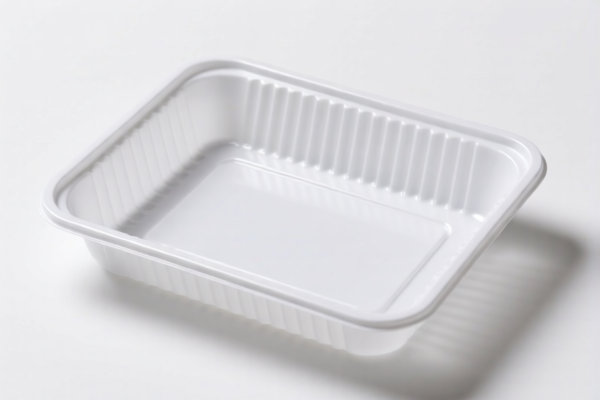
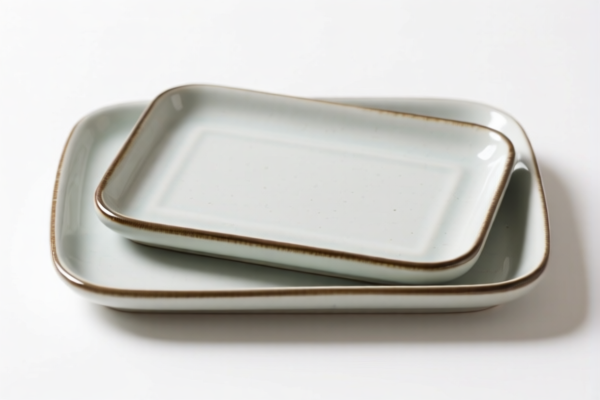
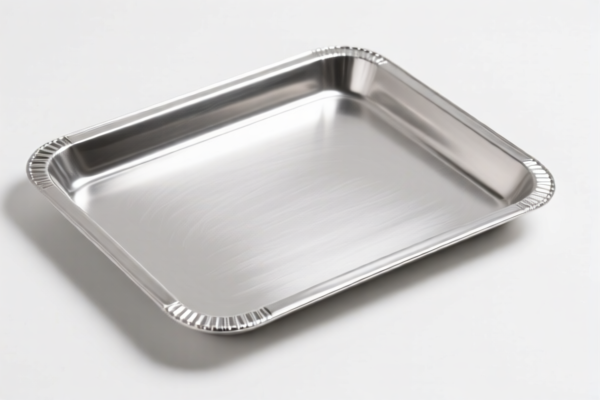
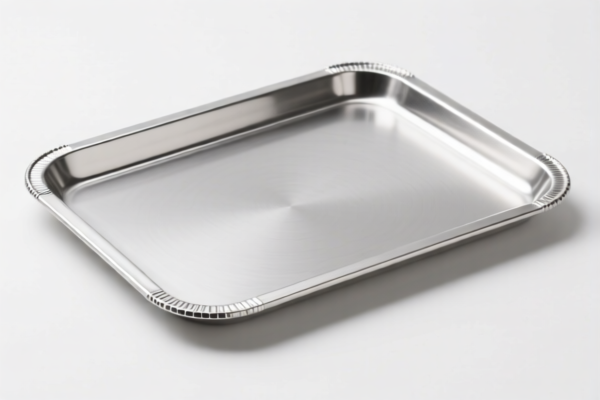
AI Analysis
🍽️ Folding Trays: The Ultimate HS Code Guide & 2026 Tax Strategy
From Steel to Plastic: Decoding the $70.2% Tax Trap & Saving Your Margin!
🌐 HS Code Classification | Tax Deep Dive | Professional Clearance Strategy
📌 I. Product Definition: Are Your Trays "Kitchenware" or "General Containers"?
Folding trays are versatile tools used in dining, catering, storage, and logistics. In international trade (specifically US-China context), Material and Specific Use are the deciding factors for classification.
The Critical Distinction: * Household Kitchen/Utensil Class: Items designed for direct food contact, dining, or kitchen storage (e.g., serving trays, food prep trays). Higher Duty Risk! * General Container Class: Items used for general carrying, moving, or non-kitchen specific purposes. Lower Duty Risk.
⚠️ Key Classification Trap:
- If it's a Steel/Iron tray used in the kitchen → Expect ~70-88% Total Tax (Base + 122 Clause + Section 301).
- If it's Aluminum → Slightly better, but still ~63-70%.
- If it's Plastic → The "Golden Path" with ~20-23% tax, provided the specific sub-heading is chosen correctly!
📦 II. HS Code Classification Matrix (Based on Provided Data)
| HS Code | Material | Product Description (Summary) | Tax Rate | Risk Level |
| :--- | :--- | :--- | :--- :--- |
| 3924.10.30.00 | 🟢 Plastic | Matches tray usage & vessel form | 22.8% | ✅ Lowest |
| 3924.90.56.50 | 🟢 Plastic | Household item, "Other" category | 20.9% | ✅ Lowest |
| 7615.10.71.80 | 🟡 Aluminum | Foldable tray, Aluminum kitchen utensils | 63.1% | ⚠️ High |
| 7615.10.91.00 | 🟡 Aluminum | Foldable tray, "Other" tableware/kitchen | 70.6% | ⚠️ High |
| 7323.94.00.80 | 🔴 Iron/Steel | Foldable tray, Enamel household items | 70.2% | 🔴 Critical |
| 7323.99.90.80 | 🔴 Iron/Steel | Foldable tray, Non-specific kitchen utensils | 88.4% | 🔴 Critical |
🔍 Data Insight:
The difference between7323.94(Enamel match) and7323.99(Non-specific) is 18.2% in duty! Choosing the wrong steel code can destroy your profit margin. Similarly, Plastic (3924) is the only material category with <25% total tax.
💰 III. 2026 Tax Rate Deep Dive (US Import from China)
✅ Target Market: USA 🇺🇸
✅ Origin: China 🇨🇳
✅ Active Components: Base Duty + Section 301 (Section 122 Clause for Steel/Aluminum/Copper).
🎯 1. The "Plastic Advantage" (3924 Series)
Total Tax: ~21% - 23% (The Most Profitable Route)
| Component | Rate | Legal Basis |
|---|---|---|
| Base Duty | 3.4% - 5.3% | Standard Harmonized Tariff Schedule (HTS) |
| Section 301 / "Add-on" | 7.5% | General China-specific surcharge |
| Section 122 Clause | 10% | Not Applicable to Plastic (Only Steel/Al/Cu) |
| Total Effective Rate | 20.9% / 22.8% | Best Practice |
📌 Strategy: Use
3924.90.56.50for "Other Household Items" to get the 20.9% rate. Avoid the higher3924.10subheading unless the product shape strictly matches "vessels" to save 1.9% in tax.
🎯 2. The "Aluminum Risk" (7615 Series)
Total Tax: 63.1% - 70.6%
| Component | Rate | Legal Basis |
|---|---|---|
| Base Duty | 3.1% | Standard HTS |
| Section 301 / "Add-on" | 0.0% - 7.5% | Varies by specific aluminum sub-heading |
| Section 122 Clause | 50% | CRITICAL: "10% Steel, Al, Cu Products" surcharge |
| Total Effective Rate | 63.1% / 70.6% | Very High |
📌 Explanation: The 50% surcharge on aluminum products (Section 122 Clause) is the main driver here. Even if the base duty is low, the 50% "122" clause makes aluminum folding trays financially unviable for the US market unless you have a niche with massive margins.
🎯 3. The "Steel Disaster" (7323 Series)
Total Tax: 70.2% - 88.4%
| Component | Rate | Legal Basis |
|---|---|---|
| Base Duty | 2.7% - 3.4% | Standard HTS |
| Section 301 / "Add-on" | 7.5% - 25.0% | Varies by "Enamel match" vs "Non-specific" |
| Section 122 Clause | 50% | CRITICAL: "10% Steel, Al, Cu Products" surcharge |
| Total Effective Rate | 70.2% / 88.4% | Catastrophic |
📌 Critical Warning:
-7323.99.90.80has a 25% Section 301 surcharge PLUS 50% 122 Clause = 75% total surcharge!
-7323.94.00.80(Enamel match) has 7.5% surcharge + 50% 122 Clause = 57.5% surcharge.
- Result: Total taxes range from 70% to 88%. Avoid steel folding trays for US export if possible.
🛠️ IV. Clearance Action Plan & Tips
✅ 1. Material Selection Strategy (The "Save Your Business" Move)
| Material | Recommendation | Reason |
|---|---|---|
| Plastic | ✅ PROCEED | Lowest tax (20-23%). High margin potential. |
| Aluminum | ⚠️ LIMITED USE | High tax (63-70%). Only if premium price > $100/unit. |
| Steel | ❌ AVOID | Catastrophic tax (70-88%). Unless "Enamel" design is the ONLY selling point. |
💡 Pro Tip: If your product must be metal, consider coating plastic trays with a metallic finish to use HS Code 3924, saving ~50% in taxes compared to real metal.
✅ 2. Declaration Language & Documentation
To avoid "General Kitchen Utensil" (High Tax) vs "Enamel Match" (Lower Tax) disputes, your declaration must be hyper-specific:
- For Plastic (
3924.90.56.50):- Description: "Plastic folding tray, household use, non-enamel, general storage."
- Avoid: Words like "Kitchen Utensil" if possible; focus on "Household Item."
- For Steel (
7323.94.00.80):- Description: "Enamel-coated iron folding tray, household kitchen item."
- Must Pro: Explicitly state "Enamel Coating" to qualify for the lower 70.2% rate (vs 88.4%).
✅ 3. Special Handling for "Section 122 Clause"
The 50% surcharge applies to Steel, Aluminum, and Copper products specifically listed under the 10% steel/aluminum clause. * Do not try to hide the material. Customs uses X-ray and material testing. * Evidence Required: Material composition reports (Mill Certificates) for metal trays. If you claim it's steel but it's not, you face fraud penalties.
🌍 V. Global Market Comparison (Quick Glance)
| Market | Best Material | Est. Duty | Verdict |
|---|---|---|---|
| 🇺🇸 USA | Plastic (3924) |
~22% | Plastic wins. Metal is too expensive. |
| 🇪🇺 EU | Metal | ~4-6% | Metal is competitive here (No 122 Clause). |
| 🇨🇦 Canada | Metal | ~5-8% | Metal is viable. |
| 🇦🇺 Aus | Metal | ~5% | Metal is viable. |
📌 Conclusion: The USA market is the ONLY major market where Steel/Aluminum folding trays are crushed by the 122 Clause + Section 301 combination. Switch to Plastic for US sales!
📌 VI. Common Errors & "Blood & Tears" Lessons
❌ Error 1: Misclassifying "Metal" as "Plastic"
Scenario: Shipping a plastic tray with a metal frame.
Result: Customs re-classes based on the primary material (Metal) → Tax jumps to 70%+ + Penalties.
Fix:* Check the "primary weight" and "primary function" of the frame.
❌ Error 2: Ignoring the "Enamel" Detail
Scenario: Declaring a Steel tray as "General Utensil" (7323.99) to save time.
Result: 88.4% Tax vs 70.2% Tax. You lost 18% profit by not specifying "Enamel".
Fix: If it has enamel, ALWAYS* declare 7323.94.00.80.
❌ Error 3: Overlooking the 50% 122 Clause
Scenario: Believing "Base Duty + 10% Section 301" = Total.
Result: Missing the 50% 122 Clause for Steel/Al/Cu.
Fix:* Always calculate: Base + 301 + 50% (if Metal).
🎯 VII. Final Strategic Recommendation
🔥 "For US Exports: Plastic is King, Steel is Death."
- Switch Product Lines: Prioritize Plastic Folding Trays (
3924). They offer a ~50% tax advantage over metal. - Re-Engineer: If you currently sell Aluminum trays, consider switching to Textured Plastic that looks like aluminum but uses the
3924code. - Precise Documentation: If you must ship Steel, ensure your commercial invoice explicitly states "Enamel Coated" to target the
7323.94sub-heading (70.2%) rather than the generic7323.99(88.4%).
📣 Call to Action:
🚀 Audit your current HS Codes immediately!
If you are shipping Steel/Aluminum to the US, your cost basis is likely inflated by 70% due to incorrect classification or policy changes.
Switch to Plastic or Re-calculate your pricing strategy NOW!
✨ Precision Classification = Profit Preservation
💼 Don't let tax erode your margins. Let the data guide you!
Customer Reviews
About HS Code Classification
The Harmonized System (HS) is an internationally standardized nomenclature developed by the World Customs Organization (WCO) to classify traded products. Over 200 countries use the HS system as the basis for customs tariffs, trade statistics, and import/export regulations.
Each HS code follows a hierarchical structure:
- Chapter (2 digits) — Broad category of goods (e.g., Chapter 84: Machinery and Mechanical Appliances)
- Heading (4 digits) — More specific grouping within the chapter
- Subheading (6 digits) — Internationally standardized breakdown, used by all WCO member countries
- National subdivisions (8-10 digits) — Country-specific extensions for further classification, such as US HTSUS 10-digit codes
Correct HS code classification is essential for smooth customs clearance, accurate duty payment, and compliance with trade regulations. Misclassification can lead to customs delays, overpayment of duties, or penalties.
When importing from CN to US, the applicable tariff rates may include:
- Most-Favored-Nation (MFN) rate — The standard duty rate applied to WTO members
- General rate — Applied to countries without trade agreements
- Trade remedy duties — Additional tariffs such as Section 301 (anti-dumping), Section 232 (national security), or countervailing duties
The information provided on this page is for reference purposes only. For official classification, please consult with your local customs authority or a licensed customs broker.