trunk pet mat
CN → US| HS Code | Tariff Rate | Origin | Destination | Doc |
|---|---|---|---|---|
| 8708295160 | 0.0% | CN | US | Official Doc |
| 8708295110 | 0.0% | CN | US | Official Doc |
| 3926901000 | 20.9% | CN | US | Official Doc |
| 3926909989 | 22.8% | CN | US | Official Doc |
| 5705002090 | 38.3% | CN | US | Official Doc |
| 5705002030 | 38.3% | CN | US | Official Doc |
Product Images
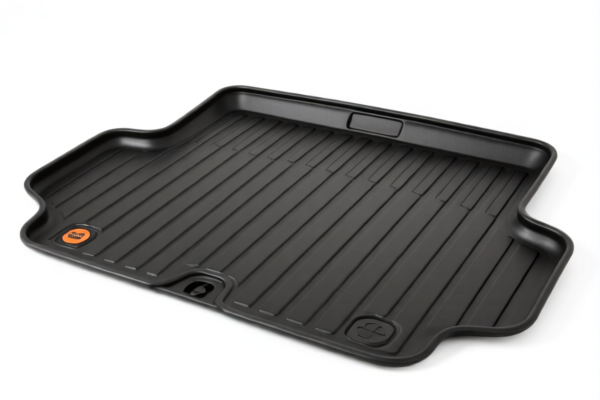
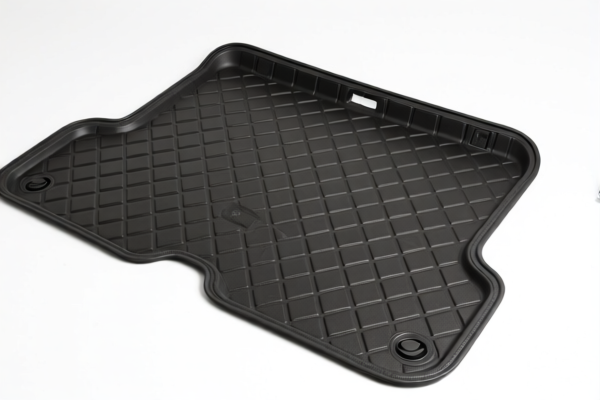
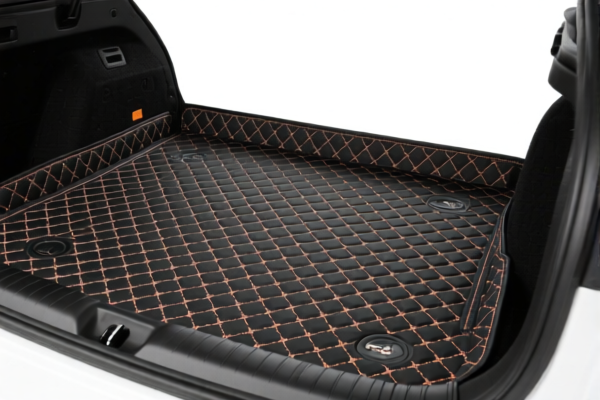
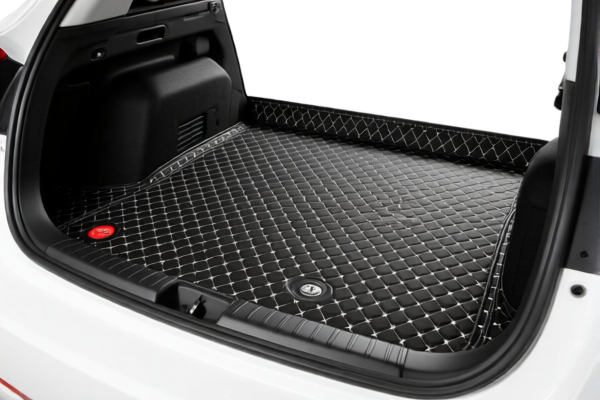
AI Analysis
🐕 The Ultimate "Trunk Pet Mat" Guide: HS Codes, Tariffs & Custom Clearance Strategy
🌐 HS Code Reference & Customs Clearance Guide | 2026 Latest Tariff Analysis | Professional-Level Logistics Strategy
📌 Part 1: Product Definition & Classification: Are You Sure About "Pet Mat"?
A Trunk Pet Mat is a versatile accessory designed to protect vehicle interiors from pet hair, dirt, and scratches. In international trade, its classification is NOT straightforward because it depends entirely on Material Composition and Specific Use.
It generally falls into two major categories: 1. Textile Floor Coverings: Mats made of woven fabrics, non-wovens, or carpets (even if treated for water resistance). 2. Plastic Articles: Mats made of PVC, TPU, rubber, or other polymer materials.
⚠️ Critical Distinction Point:
- If the mat is made of fabric, felt, or woven textile (even if coated) → It belongs to Chapter 57 (Carpets/Textile Floor Coverings).
- If the mat is made of solid plastic, PVC, or rubber sheets → It belongs to Chapter 39 (Plastics Articles).
- ❌ Do NOT classify as "Car Parts" (Chapter 87) unless it is an integral, molded part of the vehicle body (which pet mats rarely are).
📦 Part 2: HS Code Classification Details (2026 Latest Tariff Authority Comparison)
Based on the provided <DATA>, here are the exact HS Codes and their corresponding tax implications for Trunk Pet Mats:
| HS Code | Product Description | Material Type | Applicable Scenario | Tax Rate |
|---|---|---|---|---|
5705.00.20.90 |
Other carpets and other textile floor coverings, whether or not made up: Other Other | Textile (Fabric, Felt, Non-woven) | Generic textile trunk mats, carpet-style liners | 0.0% |
5705.00.20.30 |
Other carpets and other textile floor coverings, whether or not made up: Other Of man-made fibers | Synthetic Textile (Polyester, Nylon, PP) | Most common "waterproof" pet mats with fabric surface & man-made backing | 0.0% |
3926.90.10.00 |
Other articles of plastics...: Buckets and pails | Plastic (Rigid/Hard Plastic) | ❌ NOT APPLICABLE for mats. Only for rigid containers. | 0.0% |
3926.90.99.89 |
Other articles of plastics...: Other Other | Plastic (PVC, TPU, Rubber sheets) | Flexible plastic/TPU/PVC mats, heavy-duty waterproof liners | 12.8% |
8708.29.51.60 |
Parts and accessories of motor vehicles...: Other parts...: Other Other | Various (Steel, Al, Cu, Plastics) | ❌ RISKY CLASSIFICATION. Only if explicitly sold as a vehicle part with proof of fitment. Subject to 50% surcharge for metals. | 50.0% |
8708.29.51.10 |
Parts and accessories of motor vehicles...: Other Stampings | Metal Stampings | ❌ RISKY CLASSIFICATION. Only for metal body panels. | 27.5% (2.5% Base + 25% Surcharge) |
🔍 Key Insight:
- Textile Mats (5705) are tariff-free (0%) in this dataset. This is the most cost-effective classification for fabric-based mats.
- Plastic Mats (3926) incur a 12.8% total tax.
- Car Part Classification (8708) is highly dangerous. Even if sold for cars, if it doesn't meet the strict definition of a "part" (e.g., stamped metal), it may be misclassified, leading to 25%-50% tariffs and potential customs penalties.
💰 Part 3: 2026 Latest Tariff Rate Breakdown (Including Surcharge Policy)
✅ Applicable Country: United States (US)
✅ Origin: China (CN)
✅ Effective Date: Current Tariff Schedule (Data from<DATA>)
🎯 1. 5705.00.20.90 & 5705.00.20.30 —— Textile Pet Mats (Fabric/Felt)
| Item | Content |
|---|---|
| Basic Tariff | 0.0% |
| Additional Surcharge | 0.0% |
| Total Tax Rate | 0.0% |
| Tax Calculation | CIF Value × 0% = $0 |
| De Minimis Eligibility | ✅ Yes (If under $800, generally duty-free anyway, but even above, no duty) |
| Legal Basis | Chapter 57, Heading 57.05 |
📌 Explanation:
- Textile floor coverings, including non-woven mats commonly used for pets, are exempt from duties under this code.
- Advantage: This is the lowest cost option for textile-based pet mats. Ensure your product description emphasizes "Textile," "Fabric," or "Non-woven" to qualify.
🎯 2. 3926.90.99.89 —— Plastic/Rubber Pet Mats (PVC/TPU)
| Item | Content |
|---|---|
| Basic Tariff | 5.3% |
| Additional Surcharge | 7.5% |
| Total Tax Rate | 12.8% |
| Tax Calculation | CIF Value × 12.8% |
| De Minimis Eligibility | ✅ Yes (Under $800) |
| Legal Basis | Chapter 39, Heading 39.26 |
📌 Explanation:
- Plastic and rubber articles not specified elsewhere (like generic waterproof liners) fall here.
- Risk: Higher tax burden compared to textile mats. If your mat has a fabric top layer, argue for Chapter 57 to reduce taxes.
⚠️ HIGH RISK: 8708.29.51.60 & 8708.29.51.10 —— Misclassified "Car Parts"
| Item | Content |
|---|---|
| Basic Tariff | 0.0% (for 60) or 2.5% (for 10) |
| Additional Surcharge | 50% (for metals/aluminum/copper in 60) or 25% (for stampings in 10) |
| Total Tax Rate | 50.0% or 27.5% |
| De Minimis Eligibility | ❌ No (Generally, parts are not eligible for de minimis if misclassified) |
📌 Explanation:
- DO NOT classify a pet mat as a "Car Part" unless it is a custom-molded, integral accessory explicitly listed in the vehicle's parts catalog.
- Even if marketed as "Trunk Liner," customs may view it as a "floor covering" (Chapter 57/39). Misclassifying as a part invites 50% tariffs for metallic components or 25% for stampings.
- Verdict: Avoid this classification unless you have specific rulings.
🛠️ Part 4: Customs Clearance Practical Advice (Pitfall Avoidance Guide)
✅ 1. Preparation Checklist (Must-Have Documents)
| Document | Required | Description |
|---|---|---|
| ✅ Product Specification Sheet | ✔️ | Clearly state material composition: e.g., "100% Polyester Non-woven" or "TPU Plastic." |
| ✅ Product Photos (Clear & Detailed) | ✔️ | Show texture (fabric weave vs. smooth plastic), thickness, and any backing (e.g., rubber dots). |
| ✅ Bill of Lading / Packing List | ✔️ | Ensure description matches HS Code: "Textile Floor Mat" vs. "Plastic Tray." |
| ✅ Commercial Invoice | ✔️ | Accurate CIF value. Avoid vague terms like "Accessories." |
✅ 2. Declaration Tips (Key Mnemonic)
🔥 "Material Rules All: Fabric is Free, Plastic is Taxed, Parts are Expensive!"
| Scenario | Correct Classification | Incorrect Classification | Consequence of Error |
|---|---|---|---|
| Fabric/Non-woven Mat | 5705.00.20.30 (Textile) |
3926.90.99.89 (Plastic) |
Overpay 12.8% |
| PVC/TPU Waterproof Mat | 3926.90.99.89 (Plastic) |
5705.00.20.30 (Textile) |
Underpay 12.8% → Penalty! |
| Mat sold for Cars | 5705 or 3926 |
8708 (Car Part) |
50% Tax if misinterpreted as metallic part |
✅ 3. Special Handling Cases
| Case | Recommendation |
|---|---|
| Mat with Fabric Top + Rubber Bottom | Classify as Textile (5705) if fabric is the primary feature. Justify with material weight ratio (>50% textile). |
| Mat with "Non-Slip" Rubber Dots | Still Plastic (3926) or Textile (5705) depending on main material. Do NOT classify as "Rubber Part." |
| Custom-Fit, Molded Liner | Still likely Plastic (3926) unless it is a textile carpet. Molded shape does not equal "Car Part" in customs terms unless specified. |
| OEM Brand Mats | Provide OEM agreement if claiming "Car Part" status, but be prepared for high scrutiny. |
🌍 Part 5: Global Market Customs Comparison (2026 Latest)
| Country/Region | Recommended HS Code | Tariff (China Origin) | Certification Required | Notes |
|---|---|---|---|---|
| 🇺🇸 USA | 5705.00.20.30 (Textile) |
0.0% | N/A | Best for textile mats. Avoid 8708. |
| 🇺🇸 USA | 3926.90.99.89 (Plastic) |
12.8% | N/A | For PVC/TPU mats. |
| 🇨🇳 China | 5705.00.20.30 |
5-10% | N/A | Check local rates. |
| 🇪🇺 EU | 5705.00.20 |
0-12% | REACH | Depends on exact textile type. |
| 🇬🇧 UK | 5705.00.20 |
0-12% | UKCA | Post-Brexit rules apply. |
📌 Conclusion:
- USA is the most favorable market for textile pet mats (0% duty).
- Plastic mats face a 12.8% duty in the US, which is moderate.
- Avoid "Car Part" classification unless absolutely necessary, as it triggers punitive tariffs (25-50%).
📌 Part 6: Common Mistakes & Pitfall Guide (Lessons from Blood & Tears)
❌ Mistake 1: Declaring a Fabric Pet Mat as "Car Accessories" (8708)
👉 Consequence: Customs may reclassify to 8708.29.51.60 → 50% Tariff + Delay!
👉 Fix: Declare as "Textile Floor Covering" (5705).
❌ Mistake 2: Declaring a PVC Mat as "Textile" (5705)
👉 Consequence: Under-declaration of tax → 12.8% Shortfall + Penalties!
👉 Fix: Declare as "Plastic Article" (3926).
❌ Mistake 3: Using vague descriptions like "Dog Car Mat" without material details
👉 Consequence: Customs officer decides classification → Risk of highest possible rate.
👉 Fix: Specify: "Waterproof Trunk Mat, 100% Polyester Non-Woven Fabric."
❌ Mistake 4: Ignoring the "Main Material" Rule
👉 Consequence: Mixed-material mats (e.g., fabric + rubber backing) are often classified by the principal material.
👉 Fix: If fabric > 50% by weight, argue for Chapter 57.
✅ Correct Declaration Example:
"Textile Trunk Pet Mat, 100% Polyester Non-Woven, Waterproof Coated, Model XYZ, HS 5705.00.20.30"
🎯 Part 7: Conclusion: Professional Classification Saves Money!
🎯 Remember the Mnemonic:
🔹 "Fabric is Free (0%), Plastic is 12.8%, Car Parts are 50% (Avoid!)!"
🔹 "HS Code Determines Cost: Wrong Code, Wrong Tax, Wrong Way!"
📌 Pro Tip:
If your pet mat is made of recycled materials or has eco-certifications, you may qualify for additional incentives in some markets. However, the base HS Code remains critical for duty calculation.
Recommend Pre-Ruling (Advance Ruling) from customs if you are unsure about the "Principal Material" for mixed mats.
📣 Immediate Action:
📞 Contact a licensed customs broker + Provide Material Breakdown + Confirm HS Code Pre-Ruling
🚀 Ensure your Trunk Pet Mats clear customs smoothly, minimize taxes, and maximize profit!
✨ Professional Clearance Starts with Accurate Classification!
💼 Every Penny Saved is Pure Profit!
Customer Reviews
About HS Code Classification
The Harmonized System (HS) is an internationally standardized nomenclature developed by the World Customs Organization (WCO) to classify traded products. Over 200 countries use the HS system as the basis for customs tariffs, trade statistics, and import/export regulations.
Each HS code follows a hierarchical structure:
- Chapter (2 digits) — Broad category of goods (e.g., Chapter 84: Machinery and Mechanical Appliances)
- Heading (4 digits) — More specific grouping within the chapter
- Subheading (6 digits) — Internationally standardized breakdown, used by all WCO member countries
- National subdivisions (8-10 digits) — Country-specific extensions for further classification, such as US HTSUS 10-digit codes
Correct HS code classification is essential for smooth customs clearance, accurate duty payment, and compliance with trade regulations. Misclassification can lead to customs delays, overpayment of duties, or penalties.
When importing from CN to US, the applicable tariff rates may include:
- Most-Favored-Nation (MFN) rate — The standard duty rate applied to WTO members
- General rate — Applied to countries without trade agreements
- Trade remedy duties — Additional tariffs such as Section 301 (anti-dumping), Section 232 (national security), or countervailing duties
The information provided on this page is for reference purposes only. For official classification, please consult with your local customs authority or a licensed customs broker.