tumbler
CN → US| HS Code | Tariff Rate | Origin | Destination | Doc |
|---|---|---|---|---|
| 9617001000 | 17.2% | CN | US | Official Doc |
| 9617003000 | 16.9% | CN | US | Official Doc |
| 7323930060 | 62.0% | CN | US | Official Doc |
| 7323999030 | 88.4% | CN | US | Official Doc |
| 7418100051 | 70.5% | CN | US | Official Doc |
Product Images

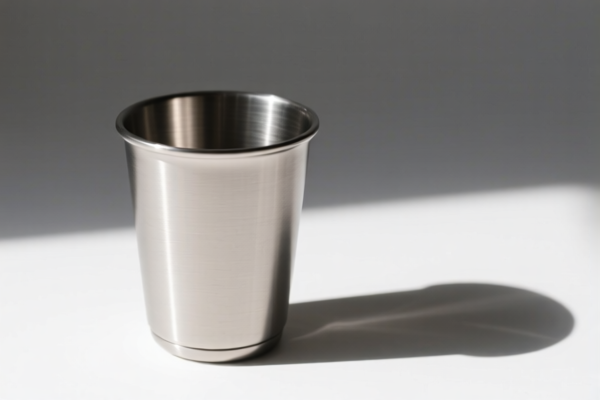


AI Analysis
🥤 The Ultimate Guide to Thermal Tumblers (Vacuum Flasks) in US Customs
🌐 HS Code Reference & Customs Clearance Guide | 2026 Latest Tariff Breakdown | Strategic Clearance Strategy
📌 I. Product Definition & Classification: Do You Really Know What a "Tumbler" Is?
In international trade, the term "Tumbler" is often used loosely to describe vacuum-insulated containers. However, US Customs and Border Protection (CBP) distinguishes between finished consumer articles and general household utensils. The classification hinges on whether the item is recognized as a specialized "vacuum container" (Chapter 96) or a generic "steel/aluminum kitchenware" (Chapter 73/74).
1. Vacuum Container (Chapter 96):
Defined as a finished article specifically designed for thermal insulation via vacuum sealing. These are classified as "Articles for the preparation or service of food or drink" but specifically under the heading for Vacuum Containers. This is often the most favorable classification for finished, branded tumblers.
2. Kitchen/Tableware Utensils (Chapter 73/74):
If the item is viewed primarily as a generic steel or aluminum vessel for home use (kitchen/table), it may fall under Household Articles of Base Metal. This category attracts significantly higher duties due to Section 301 and Steel/Aluminum specific tariffs.
⚠️ Key Distinction Point:
- If the product is marketed, packaged, and designed specifically as a "Vacuum Flask" or "Insulated Tumbler" with a vacuum seal → Aim for Chapter 96.
- If the product is a generic steel bottle without specific vacuum container classification, or if it is deemed a general kitchen utensil → Risk of being classified under Chapter 73/74 (Kitchenware), leading to much higher taxes.
📦 II. HS Code Classification Details (2026 Latest Tariff Authority Match)
| HS Code | Product Description | Application Scenario | Tax Rate Profile |
|---|---|---|---|
9617.00.10.00 |
Vacuum Containers, Finished Consumer Articles | Branded insulated tumblers, vacuum flasks intended for direct consumer use. | Low Base + 122 |
9617.00.30.00 |
Vacuum Containers (Other/General) | Generic vacuum vessels, unbranded or industrial-style vacuum containers. | Low Base + 122 |
7323.93.00.60 |
Household Articles, of Stainless Steel | Stainless steel tumbler viewed as kitchen/tableware (not specifically as vacuum container). | High Base + Steel Tariff + 122 |
7323.99.90.30 |
Other Kitchen/Tableware Articles | General household metal containers, less specific than 7323.93. | Very High Base + Section 301 + Steel Tariff + 122 |
7418.10.00.51 |
Other Household Articles, of Copper | Note: Rare for standard steel tumblers, included in data as copper-alloy alternative. | High Base + Section 301 + Steel Tariff + 122 |
🔍 Critical Reminder:
- Chapter 96 (9617) is the preferred classification for most commercial tumblers if they meet the "vacuum container" definition. It avoids the punitive 50% Steel/Aluminum Surcharge. - Chapters 73/74 trigger the 50% "Steel, Aluminum, Copper" surcharge (under Section 232 or related trade measures) PLUS Section 301 (122) tariffs. This results in effective duty rates exceeding 60-88%.
💰 III. 2026 Latest Tariff Rate Breakdown (Including Surcharges, Policy Add-ons)
✅ Applicable Country: United States (US)
✅ Origin: China (CN)
✅ Effective Time: Current Trade Policy (Includes Section 301 & Section 232/122 measures)
🎯 1. 9617.00.10.00 & 9617.00.30.00 — Vacuum Containers (Chapter 96)
| Item | Content |
|---|---|
| Base Duty Rate | 7.2% (for .10) / 6.9% (for .30) |
| Section 301 Surcharge (122) | +10% |
| Steel/Aluminum Surcharge | 0% (Not applicable to Chapter 96 vacuum articles) |
| Total Effective Rate | 17.2% (for .10) / 16.9% (for .30) |
| Tax Calculation | CIF Value × 17.2% (or 16.9%) |
| De Minimis Eligibility | ⚠️ Check Specific Rules: Usually, Section 301 goods are not eligible for de minimis exemption if value exceeds threshold or if specific rules apply. Verify current CBP rulings on 9617. |
| Legal Basis Path | HTSUS:9617.00 → Section 301: Item 122 |
📌 Explanation:
- These are finished consumer goods. The duty is relatively low because they are not classified as "base metal articles" subject to trade remedies on raw/semi-finished steel/aluminum. - The 10% 122 Clause is the primary additional cost. - Savings: Compared to Chapter 73/74, you save ~45-70% in total duties.
🎯 2. 7323.93.00.60 — Stainless Steel Household Articles
| Item | Content |
|---|---|
| Base Duty Rate | 2.0% |
| Steel/Aluminum Surcharge | +50% (Section 232/Trade Measure on Steel Products) |
| Section 301 Surcharge (122) | +10% |
| Total Effective Rate | 62.0% |
| Tax Calculation | CIF Value × 62.0% |
| De Minimis Eligibility | ❌ No |
| Legal Basis Path | HTSUS:7323.93 → Steel Surcharge: 50% → Section 301: 10% |
📌 Warning:
- Even though the base rate is low (2%), the 50% Steel Surcharge is punitive. This classification treats your tumbler as a generic steel container, stripping away the "vacuum container" benefit.
🎯 3. 7323.99.90.30 — Other Kitchen/Tableware Articles
| Item | Content |
|---|---|
| Base Duty Rate | 3.4% |
| Section 301 (122) | +25% (Note: Data shows 25% here, possibly indicating a different tier or cumulative effect) |
| Steel/Aluminum Surcharge | +50% |
| Section 301 Surcharge (122) | +10% |
| Total Effective Rate | 88.4% |
| Tax Calculation | CIF Value × 88.4% |
| De Minimis Eligibility | ❌ No |
| Legal Basis Path | HTSUS:7323.99 → Section 301: 25% → Steel Surcharge: 50% → Section 301: 10% |
📌 Warning:
- This is the highest penalty category. Misclassifying a vacuum tumbler here could lead to nearly 90% duty, destroying profit margins.
🎯 4. 7418.10.00.51 — Household Articles, of Copper
| Item | Content |
|---|---|
| Base Duty Rate | 3.0% |
| Section 301 (122) | +7.5% |
| Steel/Aluminum Surcharge | +50% |
| Total Effective Rate | 70.5% |
| Tax Calculation | CIF Value × 70.5% |
| De Minimis Eligibility | ❌ No |
| Legal Basis Path | HTSUS:7418.10 → Steel Surcharge: 50% → Section 301: 7.5% |
📌 Note:
- Likely applicable only if the tumbler has significant copper components or is misclassified. Uncommon for standard stainless steel tumblers.
🛠️ IV. Customs Clearance Operational Advice (Practical Pitfall Avoidance)
✅ 1. Preparation Checklist (Essential for Chapter 96 Classification)
| Document | Required | Explanation |
|---|---|---|
| ✅ Product Specifications | ✔️ | Must explicitly state "Vacuum Insulated", "Double-Wall Vacuum", or "Vacuum Flask". |
| ✅ Product Photos | ✔️ | Show the vacuum seal area (if visible) or label clearly indicating "Vacuum Insulated." |
| ✅ Commercial Invoice | ✔️ | Description should read: "Vacuum Insulated Tumbler, Stainless Steel, for Drinking." Avoid generic terms like "Steel Bottle" or "Kitchen Container." |
| ✅ Marketing Materials | ✔️ | Brochures or website screenshots showing it as a "Thermal Flask" support Chapter 96 classification. |
| ✅ Structure Diagram | ✔️ | Optional but helpful: Shows double-wall construction with vacuum seal. |
🔥 Golden Rule for Declaration:
"Use the word VACUUM."
If your invoice says "Stainless Steel Cup," CBP may default to 7323.93 (62% tax).
If your invoice says "Vacuum Insulated Tumbler," you have a strong case for 9617.00 (17.2% tax).
✅ 2. Classification Strategy (Key Mnemonic)
| Scenario | Correct HS Code | Incorrect Action | Consequence |
|---|---|---|---|
| Branded, Finished Tumbler | 9617.00.10.00 |
Declare as "Kitchen Utensil" | Pay 62-88% instead of 17.2% |
| Generic Vacuum Bottle | 9617.00.30.00 |
Declare as "Steel Part" | Pay 62% instead of 16.9% |
| Tumbler + Lid + Straw Set | 9617.00.10.00 |
Split into "Cup" + "Lid" | Higher combined tax; avoid splitting |
| Non-Vacuum Steel Cup | 7323.93.00.60 |
Try to claim as "Vacuum" | Fraud risk; severe penalties |
✅ 3. Special Cases
| Situation | Handling Advice |
|---|---|
| OEM Private Label Tumblers | Provide OEM contract and design sheets. Ensure product description emphasizes "Vacuum Insulation." |
| Tumblers with Electronics (Heated/Cooled) | May fall under Chapter 85 (Electrical). Do not use 9617. Check specific electrical appliance rules. |
| Promotional Freebies | Still subject to duties. Mark value accurately on invoice. |
| Copper-Coated Tumblers | If >50% copper value, may be 7418. Verify material composition. |
🌍 V. Global Market Comparison (2026 Latest)
| Country/Region | Recommended HS Code | Est. Duty (China Origin) | Notes |
|---|---|---|---|
| 🇺🇸 USA | 9617.00.10.00 |
17.2% | Best Option. Avoids 50% Steel Tax. |
| 🇪🇺 EU | 7323.99 |
~12-14% | EU often treats tumblers as steel articles; no 50% surcharge like US. |
| 🇨🇳 China | 7323.99 |
8% | Low import duty, but different classification logic. |
| 🇯🇵 Japan | 7323.99 |
~12-15% | Treats as stainless steel tableware. |
📌 Conclusion:
- USA is unique in having the 50% Steel/Aluminum Surcharge for Chapter 73/74.
- Maximize Savings: Ensure your US shipment is clearly declared as "Vacuum Containers" (HS 9617) to save ~45-70% in duties.
📌 VI. Common Mistakes & Pitfalls (Lessons Learned)
❌ Mistake 1: Declaring "Vacuum Tumbler" as "Stainless Steel Bottle"
👉 Result: CBP reclassifies to 7323.93.00.60 → 62% Duty.
✅ Fix: Always use "Vacuum Insulated" in the description.
❌ Mistake 2: Splitting the tumbler and lid into separate shipments
👉 Result: Both parts may be taxed separately, or the lid may be taxed at a higher accessory rate.
✅ Fix: Declare as a single set under 9617.00.10.00.
❌ Mistake 3: Ignoring Section 301 "122 Clause"
👉 Result: Even with low base duty, missing the 10% add-on causes underpayment.
✅ Fix: Factor in 17.2% total for Chapter 96, not just 7.2%.
🎯 VII. Conclusion: Professional Declaration, Maximize Profit!
🎯 Remember the Mnemonic:
🔹 "Vacuum in Name, 9617 in Code, 17% Duty Saved!"
🔹 "Steel in Name, 7323 in Code, 62% Duty Lost!"
🔹 "Check the Vacuum, Check the Code, Don't Let CBP Decide!"
📌 Pro Tip:
If you are unsure, apply for a CBP Binding Ruling before shipping. The cost is minimal compared to the potential $50+ per unit in extra duties for misclassified tumblers.
📣 Immediate Action:
📞 Update Your Invoice Description: Use "Vacuum Insulated Tumbler"
📄 Provide Technical Specs: Highlight "Double-Wall Vacuum Construction"
🚀 Optimize Your Supply Chain: Save 45%+ in Duties Today!
✨ Professional Customs Clearance Starts with Precise Classification!
💼 Your Margin Depends on the HS Code!
Customer Reviews
About HS Code Classification
The Harmonized System (HS) is an internationally standardized nomenclature developed by the World Customs Organization (WCO) to classify traded products. Over 200 countries use the HS system as the basis for customs tariffs, trade statistics, and import/export regulations.
Each HS code follows a hierarchical structure:
- Chapter (2 digits) — Broad category of goods (e.g., Chapter 84: Machinery and Mechanical Appliances)
- Heading (4 digits) — More specific grouping within the chapter
- Subheading (6 digits) — Internationally standardized breakdown, used by all WCO member countries
- National subdivisions (8-10 digits) — Country-specific extensions for further classification, such as US HTSUS 10-digit codes
Correct HS code classification is essential for smooth customs clearance, accurate duty payment, and compliance with trade regulations. Misclassification can lead to customs delays, overpayment of duties, or penalties.
When importing from CN to US, the applicable tariff rates may include:
- Most-Favored-Nation (MFN) rate — The standard duty rate applied to WTO members
- General rate — Applied to countries without trade agreements
- Trade remedy duties — Additional tariffs such as Section 301 (anti-dumping), Section 232 (national security), or countervailing duties
The information provided on this page is for reference purposes only. For official classification, please consult with your local customs authority or a licensed customs broker.