tungsten including waste
CN → US| HS Code | Tariff Rate | Origin | Destination | Doc |
|---|---|---|---|---|
| 8101100000 | 42.0% | CN | US | Official Doc |
| 8101970000 | 12.8% | CN | US | Official Doc |
| 8101100000 | 42.0% | CN | US | Official Doc |
| 8101970000 | 12.8% | CN | US | Official Doc |
| 8101991000 | 41.5% | CN | US | Official Doc |
Product Images
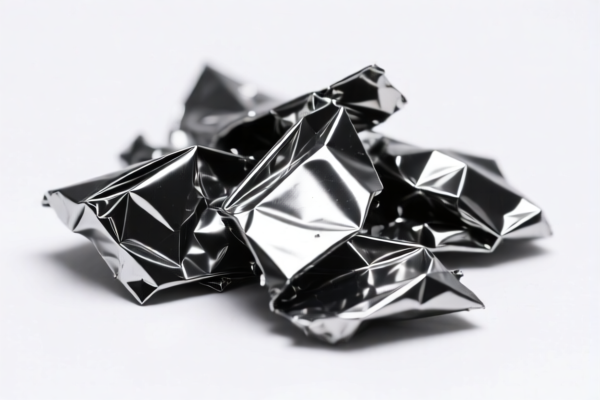
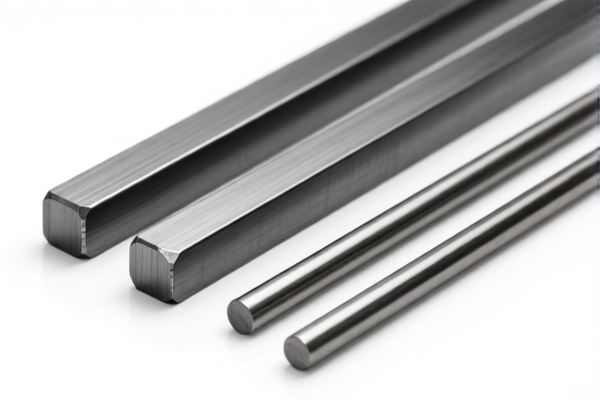
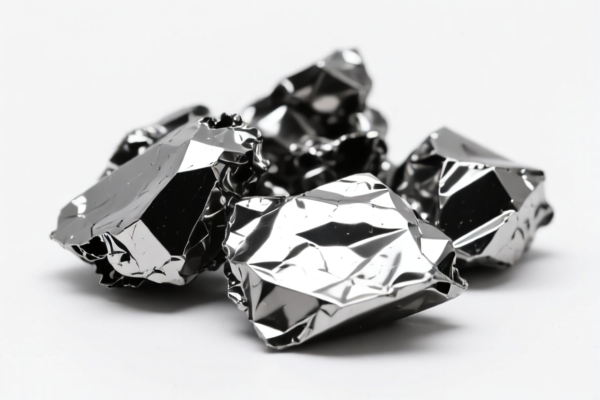
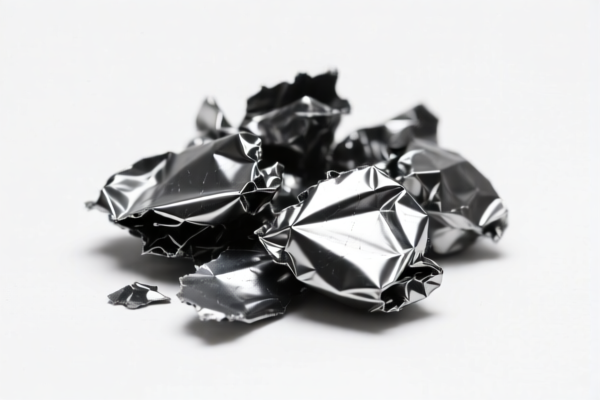
AI Analysis
🛢️ Tungsten (Including Waste and Scrap)
🌐 HS Code Reference & Clearance Guide | 2026 Latest Tariff Analysis | Professional Clearance Strategy
📌 I. Product Definition & Classification: Do You Really Understand "Tungsten Waste"?
Tungsten, a strategic metal with high density and high melting point, is widely used in aerospace, electronics, and military industries. In international trade, the classification of "Tungsten" depends heavily on its physical form.
Key Distinction: * Primary/Refined Tungsten: Usually refers to powders, ingots, or semi-finished products. * Waste and Scrap (废料及碎料): Specifically refers to unusable residues, cuttings, shavings, or discarded items containing tungsten.
⚠️ Critical Classification Point:
- If the material is used scrap, cuttings, or waste residue → It falls under 8101.97.00.00.
- If the material is new production scrap or defined generally as "waste" without specifying the exact sub-category of scrap → It may be grouped under 8101.10.00.00 or 8101.99.10.00 depending on strict interpretation of "waste vs. scrap" in local customs practices.
- Mandatory Disclosure: Must clearly specify "Tungsten Scrap" or "Tungsten Waste" in the description to avoid misclassification penalties.
📦 II. HS Code Classification Details (2026 Latest Authorized Comparison)
| HS Code | Product Description | Application Scenario | Waste/Scrap Status |
|---|---|---|---|
8101.10.00.00 |
Tungsten (including waste and scrap) | General tungsten materials, including waste/scrap scope | ✅ Yes (General) |
8101.97.00.00 |
Tungsten (including waste and scrap) | Specifically for Waste and Scrap form | ✅ Yes (Exact Match) |
8101.99.10.00 |
Tungsten and articles thereof | Other tungsten products, inferred from "Others" category | ❌ Not specifically waste |
🔍 Key Reminder:
-8101.97.00.00is the most accurate code for physical waste and scrap (cuttings, shavings, unusable residues).
-8101.10.00.00covers a broader range, including waste, but often attracts higher scrutiny due to the inclusion of "primary" materials in its general definition.
-8101.99.10.00is a fallback for "other" tungsten items not specifically listed as waste or scrap.
💰 III. 2026 Latest Tariff Rate Breakdown (Including Surtaxes, Policy Surtaxes)
✅ Applicable Country: United States (US)
✅ Origin: China (CN)
✅ Effective Date: From November 10, 2025 (Including subsequent imports)
🎯 1. 8101.10.00.00 —— Tungsten (Including Waste and Scrap)
| Item | Content |
|---|---|
| Base Tariff | 7.0% (ad valorem) |
| Section 301 Surtax | +25.0% |
| Section 122 Tariff | +10.0% |
| Total Tariff | 42.0% |
| Tax Calculation | CIF Value × 42.0% |
| De Minimis Exemption | ❌ Not Eligible (deny_de_minimis) |
| Legal Basis Path | USITC:8101.10.00.00 → Section 301: 25% → Section 122: 10% |
📌 Explanation:
- Base Tariff (7%): Standard import duty for tungsten.
- Section 301 Surtax (25%): Imposed under U.S. Trade Act Section 301 against Chinese goods.
- Section 122 Tariff (10%): Additional surcharge under U.S. Trade Act Section 122 for national security reasons.
- Total: 42% is a very high tariff, significantly impacting profit margins.
🎯 2. 8101.97.00.00 —— Tungsten (Specifically Waste and Scrap)
| Item | Content |
|---|---|
| Base Tariff | 2.8% (ad valorem) |
| Section 301 Surtax | +0.0% |
| Section 122 Tariff | +10.0% |
| Total Tariff | 12.8% |
| Tax Calculation | CIF Value × 12.8% |
| De Minimis Exemption | ❌ Not Eligible (deny_de_minimis) |
| Legal Basis Path | USITC:8101.97.00.00 → Section 122: 10% |
📌 Note:
- Significant Tariff Advantage: The total tariff is only 12.8%, compared to 42% for8101.10.00.00.
- Reason: Waste and scrap (8101.97.00.00) may be exempt from Section 301 surtaxes in certain interpretations, but still subject to Section 122.
- Recommendation: If your product is truly waste/scrap, ensure proper documentation to justify8101.97.00.00to save 29.2% in tariffs.
🎯 3. 8101.99.10.00 —— Tungsten and Articles Thereof (Other)
| Item | Content |
|---|---|
| Base Tariff | 6.5% (ad valorem) |
| Section 301 Surtax | +25.0% |
| Section 122 Tariff | +10.0% |
| Total Tariff | 41.5% |
| Tax Calculation | CIF Value × 41.5% |
| De Minimis Exemption | ❌ Not Eligible (deny_de_minimis) |
| Legal Basis Path | USITC:8101.99.10.00 → Section 301: 25% → Section 122: 10% |
📌 Note:
- This is a "catch-all" category for tungsten items not specifically classified as waste or scrap.
- It is subject to both Section 301 and Section 122 tariffs, resulting in a high total tariff.
- Only use if the product does not fit neatly into "waste/scrap" (8101.97.00.00) or primary tungsten (8101.10.00.00).
🛠️ IV. Clearance Practical Advice (Battle-Tested Pitfall Avoidance Guide)
✅ 1. Required Documentation Checklist (All are Mandatory)
| Document | Required? | Notes |
|---|---|---|
| ✅ Product Specification Sheet | ✔️ | Include composition, form (powder, scrap, etc.), and weight. |
| ✅ Certificate of Origin (CO) | ✔️ | Essential for determining origin-based tariffs. |
| ✅ Commercial Invoice | ✔️ | Must clearly state "Tungsten Scrap" or "Tungsten Waste" to match HS Code. |
| ✅ Packing List | ✔️ | Detail net/gross weight; ensure consistency with invoice. |
| ✅ Third-Party Inspection Report | ✔️ | Confirm material composition (e.g., W content ≥ 85%). |
| ✅ Waste/Scrap Declaration | ✔️ | Explicitly declare if it is "used," "discarded," or "residue" to support 8101.97.00.00. |
✅ 2. Declaration Tips (Key Mantra)
🔥 "Scrap is Key, Docs Match, Code Select, Tariff Halves!"
| Scenario | Correct Declaration | Incorrect Action |
|---|---|---|
| True Waste/Scrap (Cuttings, Shavings) | 8101.97.00.00 |
Misdeclare as 8101.10.00.00 → Pay 42% instead of 12.8% |
| New Production Scrap (Not yet "waste") | 8101.10.00.00 |
Misdeclare as 8101.97.00.00 → Customs rejection/fine |
| Other Tungsten Products (Not scrap) | 8101.99.10.00 |
Misdeclare as scrap → 41.5% tariff, potential fraud charges |
| Mixed Packaging (Scrap + New Parts) | Split Declaration | Combined declaration → Complex clearance, possible delay |
✅ 3. Special Circumstances Handling
| Situation | Handling Advice |
|---|---|
| High-Purity Tungsten Scrap | Provide assay certificate proving W content. Low purity may trigger different classification. |
| Mixed Metal Scrap | If tungsten is < 50% of weight, it may not be classified under Chapter 81. Separate or reclassify. |
| Used Machinery Parts containing Tungsten | Classify the part, not just the material. May fall under machinery chapters, not 8101.97.00.00. |
| Customs Audit on "Scrap" | Be prepared with photos, chain of custody, and prior usage records to prove "waste" status. |
🌍 V. Global Main Market Clearance Comparison (2026 Latest)
| Country/Region | Recommended HS Code | Tariff (China Origin) | Certification Required | Notes |
|---|---|---|---|---|
| 🇺🇸 USA | 8101.97.00.00 |
12.8% (Scrap) / 42.0% (General) | None specific | Section 122 applies to all tungsten. |
| 🇨🇳 China | 8101.97.00.00 |
2.8% | None | No additional surtaxes. |
| 🇪🇺 EU | 8101.97.00.00 |
~2-3% | REACH, RoHS | No Section 301/122 equivalents. |
| 🇯🇵 Japan | 8101.97.00.00 |
3.5% | JIS Standards | Stable tariff environment. |
📌 Conclusion:
- USA has the highest tariff burden due to Section 301 and Section 122.
- Correctly classifying as "Scrap" (8101.97.00.00) can save over 29% in tariffs compared to general tungsten classification.
- EU and Japan are more tariff-friendly, but still require strict customs documentation.
📌 VI. Common Errors & Pitfall Avoidance Guide (Lessons Learned)
❌ Error 1: Declaring "Tungsten Scrap" as "Tungsten Powder"
👉 Consequence: Higher tariff (42% vs 12.8%), potential fraud investigation.
❌ Error 2: Failing to prove "Waste" status
👉 Consequence: Customs reclassifies as 8101.10.00.00 or 8101.99.10.00, leading to back taxes and fines.
❌ Error 3: Mixing Scrap with New Goods in One Shipment
👉 Consequence: Customs may apply the highest tariff to the entire shipment. Always separate!
❌ Error 4: Ignoring Section 122 Tariff
👉 Consequence: Underpayment of duties. Section 122 applies to all tungsten imports from China, regardless of scrap status.
✅ Correct Practice:
"Tungsten Scrap, CNC Cuttings, W Content 88%, Used in Machining, Model: SCRAP-TG-01, Certified Waste Status"
🎯 VII. Conclusion: Professional Declaration Saves Money!
🎯 Remember the Mantra:
🔹 "Scrap is 12.8%, General is 42%. Code mismatch, money lost!"
🔹 "Docs must prove 'Waste'. No proof, high tax!"
🔹 "Section 122 applies to all. Plan ahead!"
📌 Pro Tip:
If your tungsten scrap is originally from Vietnam, Mexico, or Thailand, you may apply for Section 301 Exclusion, reducing tariffs significantly.
We strongly recommend applying for an Advance Ruling from U.S. Customs to confirm the correct HS Code and tariff rate before shipping.
📣 Immediate Action:
📞 Contact a licensed customs broker + Provide product photos + Apply for HS Code Advance Ruling
🚀 Ensure smooth clearance, efficient cross-border trade, and maximize profits!
✨ Professional Clearance Starts with Precise Classification!
💼 Every cent saved is pure profit!
Customer Reviews
About HS Code Classification
The Harmonized System (HS) is an internationally standardized nomenclature developed by the World Customs Organization (WCO) to classify traded products. Over 200 countries use the HS system as the basis for customs tariffs, trade statistics, and import/export regulations.
Each HS code follows a hierarchical structure:
- Chapter (2 digits) — Broad category of goods (e.g., Chapter 84: Machinery and Mechanical Appliances)
- Heading (4 digits) — More specific grouping within the chapter
- Subheading (6 digits) — Internationally standardized breakdown, used by all WCO member countries
- National subdivisions (8-10 digits) — Country-specific extensions for further classification, such as US HTSUS 10-digit codes
Correct HS code classification is essential for smooth customs clearance, accurate duty payment, and compliance with trade regulations. Misclassification can lead to customs delays, overpayment of duties, or penalties.
When importing from CN to US, the applicable tariff rates may include:
- Most-Favored-Nation (MFN) rate — The standard duty rate applied to WTO members
- General rate — Applied to countries without trade agreements
- Trade remedy duties — Additional tariffs such as Section 301 (anti-dumping), Section 232 (national security), or countervailing duties
The information provided on this page is for reference purposes only. For official classification, please consult with your local customs authority or a licensed customs broker.