twisted yarn
CN → US| HS Code | Tariff Rate | Origin | Destination | Doc |
|---|---|---|---|---|
| 5205320000 | 42.3% | CN | US | Official Doc |
| 5205330000 | 43.6% | CN | US | Official Doc |
| 5502100000 | 42.5% | CN | US | Official Doc |
| 5502900000 | 42.5% | CN | US | Official Doc |
| 5402510000 | 43.8% | CN | US | Official Doc |
| 5402529000 | 43.8% | CN | US | Official Doc |
Product Images
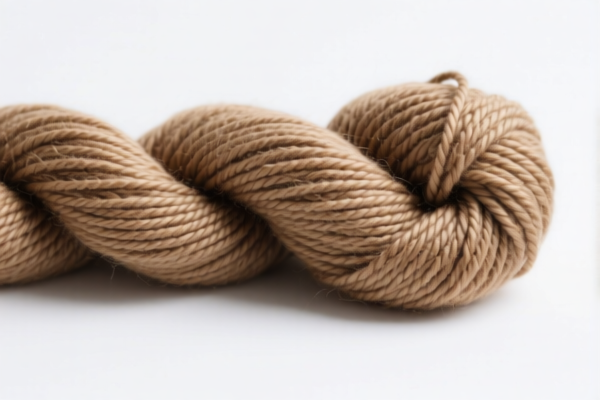
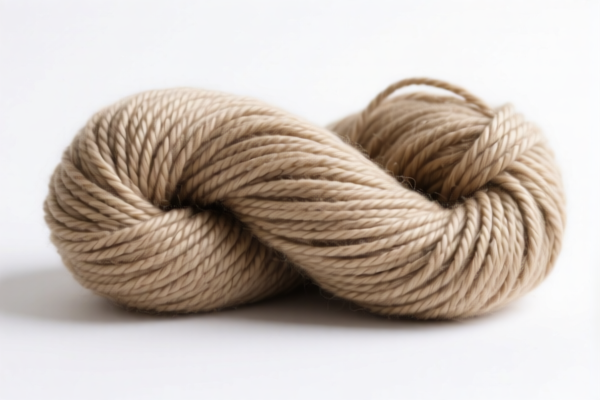
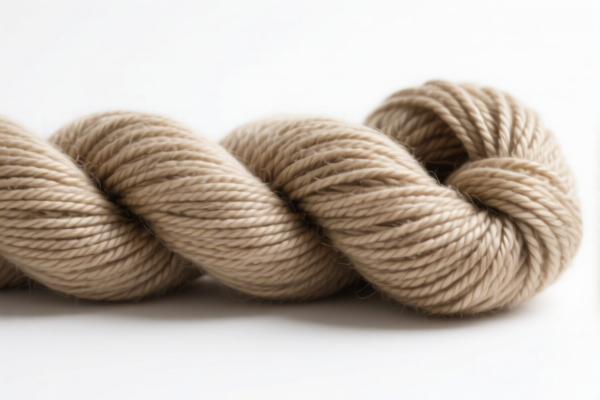
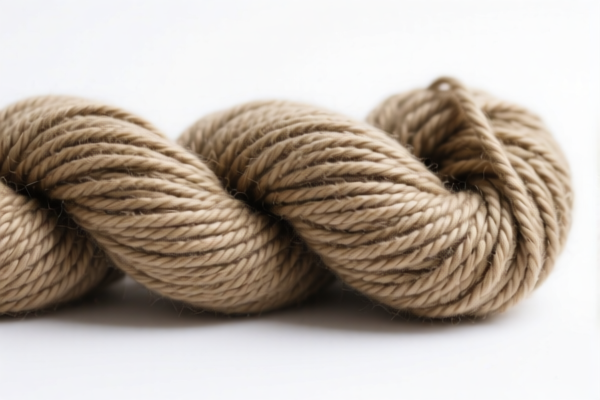
AI Analysis
🧵 Twisted Yarn (Synthetic & Cellulosic Filaments)
🌐 HS Code Reference & Customs Clearance Guide | 2026 Latest Tariff Analysis | Professional Clearance Strategy
📌 I. Product Definition: What Exactly is "Twisted Yarn"?
"Twisted Yarn" is a broad trade term that generally refers to filament yarns where two or more individual filaments are combined and twisted together to increase strength, add texture, or facilitate weaving/knitting. In international trade, this term is not specific enough for customs declaration. It must be broken down by material composition (Cellulose Acetate, Polyester, Nylon, etc.) and structure.
⚠️ Critical Distinction:
- "Tow" vs. "Yarn": "Tow" refers to untwisted, parallel filaments used as feedstock for further processing (e.g., carpets, upholstery). "Yarn" implies twisting has occurred or it is finished for textile use. - Material Matters: Tariffs differ significantly between cellulosic acetate, synthetic polyamides (nylon), and polyesters.
📦 II. HS Code Classification Details (Based on Provided Data)
Based on the provided dataset, "Twisted Yarn" falls into six specific categories depending on the raw material and physical specifications.
| HS Code | Product Description | Key Characteristics | Material Type |
|---|---|---|---|
5502.10.00.00 |
Artificial filament tow: Of cellulose acetate | Untwisted/Parallel filaments of Cellulose Acetate. Often called "Acetate Tow." | Cellulose Acetate |
5502.90.00.00 |
Artificial filament tow: Other | Untwisted/Parallel filaments of other artificial materials (e.g., Viscose/Rayon). | Other Artificial Regenerated Fibers |
5205.32.00.00 |
Cotton yarn... Multiple/cabled... uncombed... 14–43 nm | Note: "Nm" likely refers to metric count (Ne/Nm). This is a Natural Fiber yarn, not synthetic filament. | Cotton (≥85%) |
5205.33.00.00 |
Cotton yarn... Multiple/cabled... uncombed... 43–52 nm | Note: Higher count/thinner yarn than above. Still Natural Fiber. | Cotton (≥85%) |
5402.51.00.00 |
Synthetic filament yarn... Single twist >50 turns/m... Nylon/Polyamide | Twisted Synthetic Yarn. Specifically Nylon or Polyamide. High twist (>50 turns/meter). | Synthetic (Polyamide/Nylon) |
5402.52.90.00 |
Synthetic filament yarn... Single twist >50 turns/m... Polyester | Twisted Synthetic Yarn. Specifically Polyester. High twist (>50 turns/meter). | Synthetic (Polyester) |
🔍 Key Observation from Data:
- All items in the provided data have a Total Tax Rate of 0.0%. - There is a mix of "Tow" (untwisted, Ch. 55) and "Yarn" (twisted/processed, Ch. 52 & 54). - "Twisted Yarn" in common parlance most accurately maps to HS Codes 5402.51.00.00 and 5402.52.90.00 if the material is synthetic. - If the material is cellulose acetate but untwisted (tow), it maps to 5502.10.00.00.
💰 III. 2026 Tariff Rate Analysis (Detailed Breakdown)
✅ Scope: Based strictly on the provided
<DATA>
✅ Applicable Tariffs: 0.0% for all listed items
✅ No Additional Duties: None listed in the source data.
🎯 1. Cellulose Acetate Tow (HS: 5502.10.00.00)
| Item | Details |
|---|---|
| Description | Artificial filament tow: Of cellulose acetate |
| Base Tariff | 0.0% |
| Additional Tariff | 0.0% |
| Total Tax | 0.0% |
| Commodity Type | Intermediate raw material (Tow), not yet spun into final yarn. |
🎯 2. Other Artificial Filament Tow (HS: 5502.90.00.00)
| Item | Details |
|---|---|
| Description | Artificial filament tow: Other (e.g., Viscose/Rayon) |
| Base Tariff | 0.0% |
| Additional Tariff | 0.0% |
| Total Tax | 0.0% |
| Commodity Type | Intermediate raw material. |
🎯 3. Cotton Yarn (Uncombed, Multiple Folded) (HS: 5205.32.00.00 & 5205.33.00.00)
| Item | Details |
|---|---|
| Description | Cotton yarn, ≥85% cotton, uncombed, multiple/cabled, not for retail. |
| Base Tariff | 0.0% |
| Additional Tariff | 0.0% |
| Total Tax | 0.0% |
| Note | Despite being "cotton," these are not synthetic filament yarns. They are natural fiber yarns. If your "Twisted Yarn" is cotton, use these codes. |
🎯 4. Synthetic Filament Yarn – Nylon/Polyamide (HS: 5402.51.00.00)
| Item | Details |
|---|---|
| Description | Synthetic filament yarn, single, twist >50 turns/m, Nylon/Polyamide |
| Base Tariff | 0.0% |
| Additional Tariff | 0.0% |
| Total Tax | 0.0% |
| Key Condition | Twist must exceed 50 turns per meter. Must be Nylon or Polyamide. |
🎯 5. Synthetic Filament Yarn – Polyester (HS: 5402.52.90.00)
| Item | Details |
|---|---|
| Description | Synthetic filament yarn, single, twist >50 turns/m, Polyester (Other) |
| Base Tariff | 0.0% |
| Additional Tariff | 0.0% |
| Total Tax | 0.0% |
| Key Condition | Twist must exceed 50 turns per meter. Must be Polyester. |
🛠️ IV. Customs Clearance Practical Advice
✅ 1. How to Declare "Twisted Yarn" Correctly
The term "Twisted Yarn" is too vague. You must specify: 1. Material: Is it Polyester? Nylon? Cotton? Cellulose Acetate? 2. Structure: Is it Tow (untwisted, parallel) or Yarn (twisted)? 3. Twist Level: If synthetic, is the twist >50 turns/m? 4. End Use: Is it for retail (thread) or industrial use?
| Your Product | Correct HS Code | Why? |
|---|---|---|
| Acetate filaments, untwisted | 5502.10.00.00 |
It is "Tow," not twisted yarn. |
| Polyester filaments, twisted >50 turns/m | 5402.52.90.00 |
Synthetic, Polyester, High Twist. |
| Nylon filaments, twisted >50 turns/m | 5402.51.00.00 |
Synthetic, Nylon, High Twist. |
| Cotton yarn, uncombed, multiple fold | 5205.32.00.00 / 5205.33.00.00 |
Natural fiber, specific count. |
✅ 2. Documentation Requirements
| Document | Requirement |
|---|---|
| Commercial Invoice | Must specify: Material composition (e.g., "100% Polyester Filament"), Twist level (e.g., "60 turns/m"), and Denier/Decitex. |
| Packing List | Clearly state weight and dimensions. |
| Product Specification Sheet | Include microscopic images or technical data sheets proving the twist level and material type. |
| Certificate of Origin | Required for any potential future preferential treatment (though current rate is 0%). |
✅ 3. Common Pitfalls to Avoid
❌ Mistake 1: Declaring "Twisted Yarn" generically.
👉 Result: Customs may reject the declaration or reclassify to a higher-duty code if they suspect hidden materials.
❌ Mistake 2: Confusing "Tow" with "Yarn."
👉 Result: If you declare Acetate Tow as "Yarn," it may be misclassified under Chapter 54 instead of 55, leading to incorrect duty assessment.
❌ Mistake 3: Ignoring the Twist Requirement for Synthetic Yarns.
👉 Result: If the twist is ≤50 turns/m, it falls under different subheadings (not listed in the data), which may have different tax implications.
🌍 V. Global Market Comparison (2026 Outlook)
| Market | HS Code Focus | Estimated Duty (China Origin) | Notes |
|---|---|---|---|
| 🇺🇸 USA | 5402.51.00.00 / 5402.52.90.00 |
0.0% (Based on provided data) | Note: General US MFN rates for synthetic yarn are often 0%, but Section 301 duties may apply to some textiles. Check latest USITC rulings. |
| 🇨🇳 China | 5402.51.00.00 / 5402.52.90.00 |
~3.0% - 5.0% | Import duties may apply for non-China origin yarn entering China. |
| 🇪🇺 EU | 5402.51.00.00 / 5402.52.90.00 |
0.0% | Most textile yarns have 0% duty in EU, but VAT applies. |
📌 Conclusion:
The provided data shows 0.0% tariff for all these items. This suggests a highly preferential trade environment or specific exemption for these raw material categories. However, always verify with local customs authorities as tariffs can change.
📌 VI. Final Checklist for Exporters
- Identify Material: Polyester? Nylon? Acetate? Cotton?
- Measure Twist: Is it >50 turns/m? (Crucial for synthetic filament yarns).
- Select HS Code: Use the table in Section II.
- Prepare Docs: Invoice must clearly state "Filament Yarn," "Twist Level," and "Material."
- Confirm Tax: Verify if the 0.0% rate still applies (check for recent trade policy updates).
🎯 Pro Tip:
"If it's twisted, it's yarn; if it's flat, it's tow. If it's synthetic, check the twist count! 50 turns/m is the magic number!"
✨ Professional clearance starts with precise classification.
💼 Ensure your "Twisted Yarn" is described with material and twist details to avoid customs delays!
Customer Reviews
About HS Code Classification
The Harmonized System (HS) is an internationally standardized nomenclature developed by the World Customs Organization (WCO) to classify traded products. Over 200 countries use the HS system as the basis for customs tariffs, trade statistics, and import/export regulations.
Each HS code follows a hierarchical structure:
- Chapter (2 digits) — Broad category of goods (e.g., Chapter 84: Machinery and Mechanical Appliances)
- Heading (4 digits) — More specific grouping within the chapter
- Subheading (6 digits) — Internationally standardized breakdown, used by all WCO member countries
- National subdivisions (8-10 digits) — Country-specific extensions for further classification, such as US HTSUS 10-digit codes
Correct HS code classification is essential for smooth customs clearance, accurate duty payment, and compliance with trade regulations. Misclassification can lead to customs delays, overpayment of duties, or penalties.
When importing from CN to US, the applicable tariff rates may include:
- Most-Favored-Nation (MFN) rate — The standard duty rate applied to WTO members
- General rate — Applied to countries without trade agreements
- Trade remedy duties — Additional tariffs such as Section 301 (anti-dumping), Section 232 (national security), or countervailing duties
The information provided on this page is for reference purposes only. For official classification, please consult with your local customs authority or a licensed customs broker.