universal animal jacket breathable
CN → US| HS Code | Tariff Rate | Origin | Destination | Doc |
|---|---|---|---|---|
| 6114909070 | 15.6% | CN | US | Official Doc |
| 6114200055 | 28.3% | CN | US | Official Doc |
| 4201006000 | 37.8% | CN | US | Official Doc |
| 6214900090 | 28.8% | CN | US | Official Doc |
| 4201006000 | 37.8% | CN | US | Official Doc |
Product Images
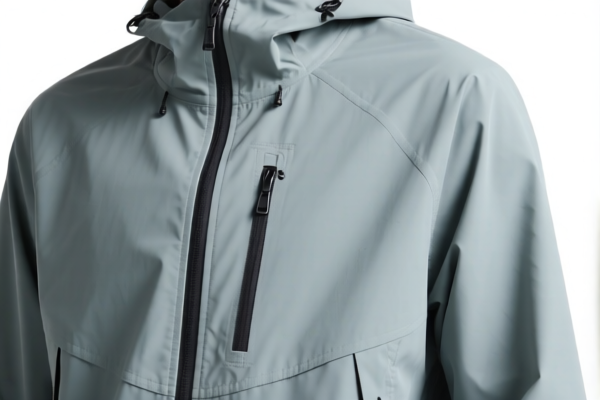
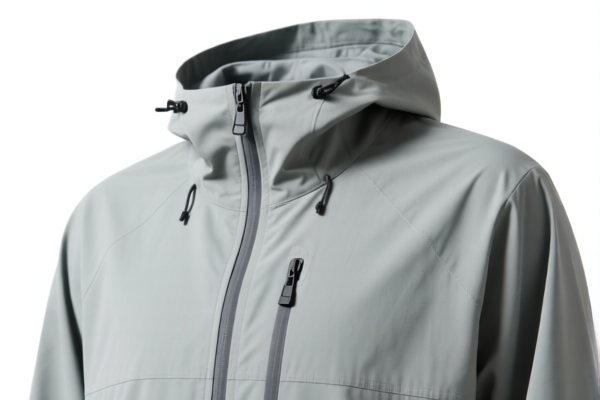
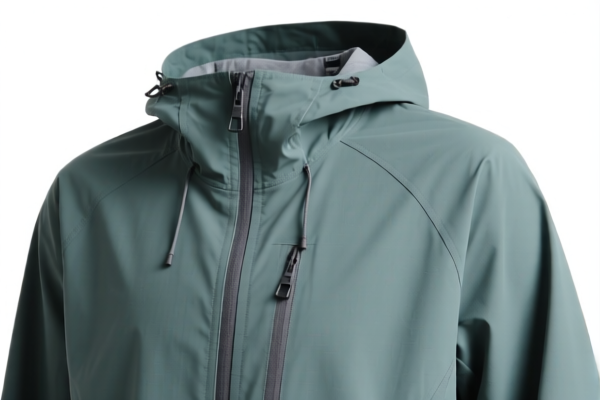
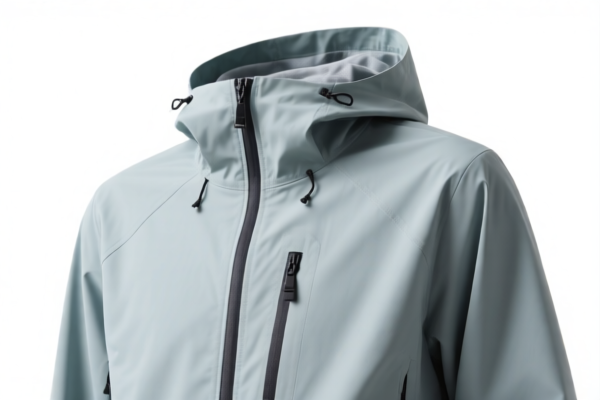
AI Analysis
🐾 Universal Animal Jacket & Breathable Pet Coats (Dog/Cat Wearables)
🌐 HS Code Reference & Customs Clearance Guide | 2026 Latest Tariff Analysis | Professional Clearance Strategy
📌 I. Product Definition & Classification: Do You Really Understand "Animal Jackets"?
"Universal Animal Jackets" and "Breathable Pet Coats" are versatile outerwear designed for pets (primarily dogs and cats). In international trade, the classification depends heavily on intended use and material composition, leading to significantly different tariff outcomes.
1. Textile Apparel for Pets (6114 / 6214)
Garments made from knitting or crochet (e.g., fleece, cotton, knit polyester) specifically designed for animal wear. These are treated similarly to human textile apparel.
2. Apparel Accessories for Animals (4201)
Items classified as "trappings and harnesses for animals or other animal goods." If the jacket is considered an accessory to animal equipment (like a vest or coat made of synthetic fibers not primarily for clothing but for utility/protection), it may fall here. Note: Customs often scrutinizes this code for "jackets" unless they are clearly part of a harness system.
⚠️ Key Distinction Point:
- If it is knitted/crocheted fabric (e.g., sweater-style, breathable mesh knit) →归入 6114.90.90.70
- If it is woven fabric (e.g., nylon, polyester weave, windbreaker style) → 归入 6214.90.00.90 (if no specific material match) or potentially 4201.00.60.00 if deemed an accessory/animal wearing article.
- Note on4201: Many customs authorities apply higher tariffs to4201because it is often viewed as an "accessory" rather than "apparel," and it attracts the full "Section 301" and "122 Clause" penalties without the lower base rate sometimes seen in apparel.
📦 II. HS Code Classification Details (2026 Latest Tariff Authority Comparison)
| HS Code | Product Description | Application Scenario | Material/Type |
|---|---|---|---|
6114.90.90.70 |
Knitted/crocheted garments, other (Includes knit pet jackets) | Breathable mesh dog coats, knit sweaters, fleece jackets | ✅ Knitted/Crocheted Textile |
6114.20.00.55 |
Other knitted/crocheted garments, not specified elsewhere | Generic knitted pet apparel lacking specific material classification | ✅ Knitted Textile |
4201.00.60.00 |
Trappings and harnesses for animals or other animal goods | Synthetic fiber jackets, utility vests, "animal clothing" not strictly textiles | ✅ Synthetic/Non-textile or Accessory |
6214.90.00.90 |
Woven garments, other (includes woven pet coats) | Nylon windbreakers, woven polyester dog jackets, breathable shell coats | ✅ Woven Textile |
🔍 Critical Reminder:
- "Breathable" often implies mesh or lightweight fabric. If it is knitted mesh, use 6114. If it is woven mesh (less common for jackets, usually woven shells), use 6214.
- Code 4201.00.60.00 is high-risk for "jackets." It is primarily for harnesses/saddles. Using it for a standard "jacket" may trigger customs inquiries or audits because the base tariff is low but the additional tariffs are extremely high.
💰 III. 2026 Latest Tariff Rate Breakdown (Including Additional Duties & Policy Surcharges)
✅ Applicable Country: United States (US)
✅ Country of Origin: China (CN)
✅ Effective Date: From November 10, 2025 (including subsequent imports)
🎯 1. 6114.90.90.70 —— Knitted/Crocheted Garments (Lowest Risk for Apparel)
| Item | Details |
|---|---|
| Base Duty Rate | 5.6% (Ad Valorem) |
| Section 301 Duty (Add-on) | 0.0% (Exempt or Lower Tier for specific textile subcategories) |
| 122 Clause Duty (Section 301) | 10% (Retaliatory tariffs on specific Chinese goods) |
| Total Effective Rate | 15.6% |
| Tax Calculation | CIF Value × 15.6% |
| De Minimis Eligibility | ❌ No (Denied for Section 301/122 goods) |
| Legal Basis Path | Section 301 → 122 Clause → USITC:6114.90.90.70 |
📌 Explanation:
- This is the most favorable classification for knitted pet jackets.
- The "Section 301" add-on is listed as 0.0%, likely due to specific textile exemptions or lower-tier classification, but the 122 Clause 10% still applies.
- Total 15.6% is significantly lower than the 37.8% seen in other codes.
🎯 2. 6114.20.00.55 —— Other Knitted Garments (Generic Knitted)
| Item | Details |
|---|---|
| Base Duty Rate | 10.8% |
| Section 301 Duty (Add-on) | 7.5% |
| 122 Clause Duty | 10% |
| Total Effective Rate | 28.3% |
| Tax Calculation | CIF Value × 28.3% |
| De Minimis Eligibility | ❌ No |
| Legal Basis Path | Section 301 → 122 Clause → USITC:6114.20.00.55 |
📌 Note:
- Higher base rate (10.8%) and Section 301 (7.5%) make this less optimal than6114.90.90.70.
- Only use this if the specific knit structure does not fit6114.90but is still knitted.
🎯 3. 4201.00.60.00 —— Animal Trappings/Harnesses (Highest Risk/Cost)
| Item | Details |
|---|---|
| Base Duty Rate | 2.8% |
| Section 301 Duty (Add-on) | 25.0% (Full Rate) |
| 122 Clause Duty | 10% |
| Total Effective Rate | 37.8% |
| Tax Calculation | CIF Value × 37.8% |
| De Minimis Eligibility | ❌ No |
| Legal Basis Path | Section 301 → 122 Clause → USITC:4201.00.60.00 |
📌 Warning:
- Although the Base Duty is low (2.8%), the Section 301 Add-on is 25% (the maximum tier).
- Many importers mistakenly use this code for "animal coats" to save on base duty, but the 37.8% total is much higher than apparel codes.
- Customs may reject this code for a "jacket," demanding a reclassification to6114or6214.
🎯 4. 6214.90.00.90 —— Woven Garments (Windbreakers/Shells)
| Item | Details |
|---|---|
| Base Duty Rate | 11.3% |
| Section 301 Duty (Add-on) | 7.5% |
| 122 Clause Duty | 10% |
| Total Effective Rate | 28.8% |
| Tax Calculation | CIF Value × 28.8% |
| De Minimis Eligibility | ❌ No |
| Legal Basis Path | Section 301 → 122 Clause → USITC:6214.90.00.90 |
📌 Note:
- Best for woven breathable shells (e.g., nylon rain jackets).
- Rate (28.8%) is slightly higher than knitted generic (6114.20) but lower than4201.
🛠️ IV. Customs Clearance Practical Advice (Battle-Tested Pitfall Guide)
✅ 1. Documentation Checklist (Mandatory)
| Document | Required | Description |
|---|---|---|
| ✅ Product Specification | ✔️ | Must specify: Knit vs. Woven, Material (e.g., 100% Polyester Knit Mesh), Intended Use (Pet Apparel). |
| ✅ Photos (Labeled) | ✔️ | Front, Back, Inside Label (Size, Country of Origin), Close-up of Fabric Texture (to prove knit vs. weave). |
| ✅ Commercial Invoice | ✔️ | Use precise description: "Women's Knit Pet Jacket, Size M, 100% Polyester Knit" (Avoid vague "Animal Clothing"). |
| ✅ Packing List | ✔️ | Match invoice exactly. |
| ✅ Origin Certificate | ✔️ | If not China, may reduce tariffs (but Section 301/122 may still apply depending on FTAs). |
✅ 2. Declaration Strategy (Key Mantra)
🔥 “Knit is 15.6%, Woven is 28.8%, 4201 is 37.8%! Declare Correctly, Save Money!”
| Scenario | Correct HS Code | Wrong Action | Consequence |
|---|---|---|---|
| Knitted Breathable Coat (Mesh/Sweater) | 6114.90.90.70 |
Declaring as 4201 |
Overpaying 22.2% (37.8% - 15.6%) |
| Woven Windbreaker (Nylon Shell) | 6214.90.00.90 |
Declaring as 6114 |
Customs audit for material mismatch |
| Harness/Vest with Straps | 4201.00.60.00 |
Declaring as 6114 |
Risk of rejection if it's not apparel |
| Generic Knitted Item | 6114.20.00.55 |
Using 6114.90 |
Incorrect subheading, potential penalty |
✅ 3. Special Handling
| Situation | Recommendation |
|---|---|
| "Universal" Sizing | Clearly state "One Size Fits Most" but provide size charts. Customs cares about material/structure, not size. |
| Breathable Mesh | If it is knitted mesh, insist on 6114.90.90.70 for the 15.6% rate. Do not let customs classify it as 4201. |
| OEM/Custom Design | Provide design sketches showing it is a "Jacket" (has sleeves, collar, back panel) to support apparel classification (6114/6214) over accessory (4201). |
| Mixed Shipments | If you ship both knitted and woven, separate entries or ensure each item is clearly described. Mixing codes in one entry can cause delays. |
🌍 V. Global Market Clearance Comparison (2026 Latest)
| Country/Region | Recommended HS Code (China Origin) | Total Tariff (Approx.) | Certification | Remarks |
|---|---|---|---|---|
| 🇺🇸 USA | 6114.90.90.70 (Knit) |
15.6% | None (Textile) | Best Option. Avoid 4201 (37.8%). |
| 🇺🇸 USA | 6214.90.00.90 (Woven) |
28.8% | None (Textile) | Higher than knit. |
| 🇪🇺 EU | 6114.20.00 / 6214.90.00 |
0% - 4% | CE (if electrical) | No Section 301/122. |
| 🇨🇳 China | 6114.20.00 / 6214.90.00 |
5% - 10% | CCC (if applicable) | Low base duty. |
📌 Conclusion:
- US Importers MUST prioritize6114.90.90.70for knitted pet jackets to minimize the 15.6% total duty.
- Avoid4201.00.60.00unless the item is strictly a harness/accessory. The 37.8% total duty is punitive.
- Knitted (6114) is cheaper than Woven (6214) or Accessory (4201) for US imports due to tariff structure.
📌 VI. Common Errors & Pitfalls (Blood & Tears Lessons)
❌ Error 1: Declaring a Knitted jacket as 4201.00.60.00 to save on "Base Duty."
👉 Result: You pay 37.8% instead of 15.6%. Loss: 22.2% extra tax.
❌ Error 2: Calling it "Animal Clothing" without specifying Knit vs. Woven.
👉 Result: Customs may assign a default high-duty code or hold the shipment for lab testing to determine material structure.
❌ Error 3: Using "Universal" as the primary description.
👉 Result: "Universal" is not a HS Code. Must specify Material and Construction (Knit/Woven).
❌ Error 4: Ignoring the 122 Clause.
👉 Result: Even if Section 301 is low, the 10% 122 Clause applies to almost all textile/apparel from China to the US in 2026. Budget for it!
✅ Correct Declaration Example:
"Knitted Pet Jacket, Breathable Mesh, 100% Polyester, Size M-L, HS Code 6114.90.90.70"
🎯 VII. Conclusion: Precise Classification, Maximum Savings!
🎯 Remember the Mantra:
🔹 "Knit Pet Jacket? Go 6114 (15.6%)!
Woven Shell? Go 6214 (28.8%)!
Harness? Maybe 4201 (37.8%)!
Wrong Code? Overpay Big Time!"
📌 Pro Tip:
If your product is 100% Knitted, always argue for 6114.90.90.70. Provide photos of the knit structure to prove it. This can save you $22,200 on every $100,000 shipment compared to 4201.
📣 Immediate Action:
📞 Audit your current invoices.
📸 Take clear photos of fabric texture (Knit vs. Woven).
🚀 Declare as6114.90.90.70for knitted breathable jackets to maximize profit margins.
✨ Professional Clearance, Start with Correct Classification!
💼 Your Every Cent Saved is Profit Earned!
Customer Reviews
About HS Code Classification
The Harmonized System (HS) is an internationally standardized nomenclature developed by the World Customs Organization (WCO) to classify traded products. Over 200 countries use the HS system as the basis for customs tariffs, trade statistics, and import/export regulations.
Each HS code follows a hierarchical structure:
- Chapter (2 digits) — Broad category of goods (e.g., Chapter 84: Machinery and Mechanical Appliances)
- Heading (4 digits) — More specific grouping within the chapter
- Subheading (6 digits) — Internationally standardized breakdown, used by all WCO member countries
- National subdivisions (8-10 digits) — Country-specific extensions for further classification, such as US HTSUS 10-digit codes
Correct HS code classification is essential for smooth customs clearance, accurate duty payment, and compliance with trade regulations. Misclassification can lead to customs delays, overpayment of duties, or penalties.
When importing from CN to US, the applicable tariff rates may include:
- Most-Favored-Nation (MFN) rate — The standard duty rate applied to WTO members
- General rate — Applied to countries without trade agreements
- Trade remedy duties — Additional tariffs such as Section 301 (anti-dumping), Section 232 (national security), or countervailing duties
The information provided on this page is for reference purposes only. For official classification, please consult with your local customs authority or a licensed customs broker.