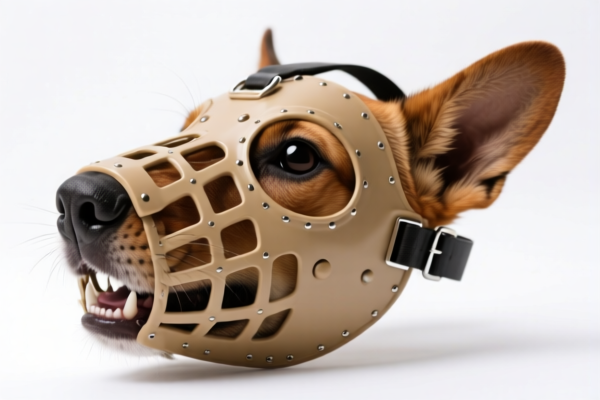
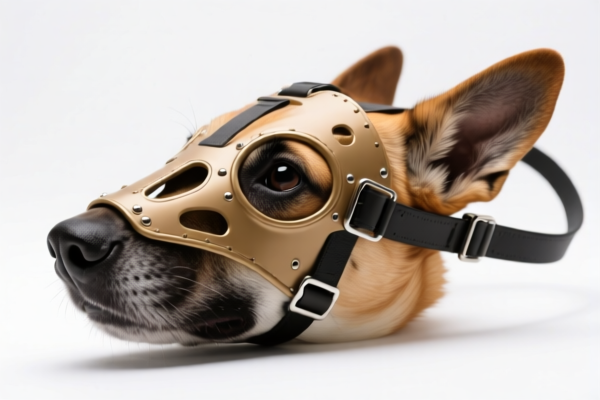
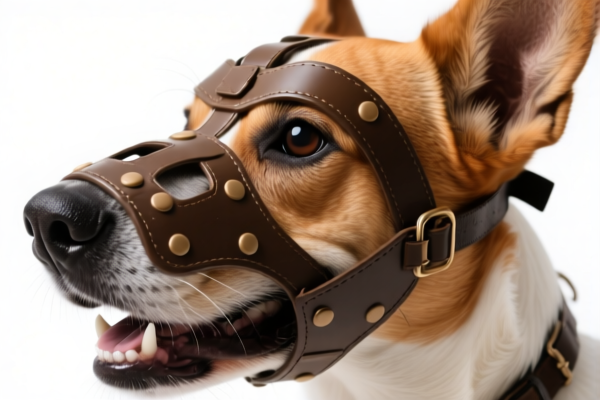
universal lightweight animal muzzle
CN → US| HS Code | Tariff Rate | Origin | Destination | Doc |
|---|---|---|---|---|
| 3926902100 | 21.7% | CN | US | Official Doc |
| 3926909989 | 22.8% | CN | US | Official Doc |
| 6307909891 | 24.5% | CN | US | Official Doc |
Product Images

AI Analysis
🐕 Universal Lightweight Animal Muzzle (General-Purpose Pet Safety Gear)
🌐 HS Code Reference & Customs Clearance Guide | 2026 Latest Tariff Analysis | Professional Entry Strategy 📌 I. Product Definition & Classification: Do You Truly Understand "Animal Muzzles"?
The Universal Lightweight Animal Muzzle is a critical safety accessory designed to prevent biting, chewing, or excessive barking in dogs and other pets. In international trade, classification hinges on two main factors: Material Composition and Degree of Finish.
Since this product is "Universal" and "Lightweight," it is generally a finished consumer good. The key distinction lies in whether it is primarily a plastic/rubber manufactured article or a textile/leather textile article.
⚠️ Key Distinction Point: - If the muzzle is primarily made of rigid or semi-rigid plastic, rubber, or silicone (e.g., basket muzzles, soft silicone covers), it falls under Chapter 39 (Plastics). - If the muzzle is primarily made of woven fabric, cloth, or leather straps (e.g., cloth basket muzzles, mesh muzzles), it falls under Chapter 63 (Other Made-Up Textile Articles).
📦 II. HS Code Classification Details (2026 Latest Tariff Authority Cross-Reference)
| HS Code | Product Description | Applicable Scenario | Material Logic |
|---|---|---|---|
3926.90.21.00 |
Other Plastic Articles (General Purpose) | Muzzles made of plastic, rubber, or synthetic blends; fits the "catch-all" for specific-use plastic goods. | ✅ Plastic/Rubber |
3926.90.99.89 |
Other Plastic Articles (Other) | Muzzles not specifically listed elsewhere; generic plastic/rubber items. Fits the "catch-all" for non-specific plastic goods. | ✅ Plastic/Rubber |
6307.90.98.91 |
Other Made-Up Textile Articles | Muzzles made of fabric, mesh, or leather (non-metallic); classified as finished consumer textile goods. | ✅ Fabric/Textile |
🔍 Crucial Reminder: - Plastic/Rubber Muzzles: Must be classified under 3926.90.xxxx. Do not confuse with toys (Chapter 95) or harnesses (Chapter 42). - Fabric/Leather Muzzles: Must be classified under 6307.90.xxxx. These are considered "made-up textile articles." - Mixed Materials: If the product contains significant metal components (e.g., metal buckles), it may still fall under 3926 or 6307 depending on the primary material, but pure plastic/fabric versions are standard.
💰 III. 2026 Latest Tariff Rate Breakdown (Including Supplementary Taxes & Policy Add-ons)
✅ Applicable Country: United States (US)
✅ Origin: China (CN)
✅ Effective Time: Current applicable rates for Chinese origin goods.
🎯 1. 3926.90.21.00 & 3926.90.99.89 —— Plastic/Rubber Muzzles
Both plastic-related HS codes attract similar supplementary tariffs due to Section 301 and IEEPA regulations.
| Item | Content |
|---|---|
| Base Tariff | 4.2% (for .21.00) / 5.3% (for .99.89) |
| Section 301 Additional Tariff | +7.5% (Trade War Tariff) |
| IEEPA Section 122 Tariff | +10% (Specific对华 tariffs) |
| Total Tax Rate | 21.7% (for .21.00) 22.8% (for .99.89) |
| Tax Calculation | CIF Value × Total Rate |
| De Minimis Exemption | ❌ Not Eligible (Deny de minimis for Section 301/IEEPA goods if value exceeds threshold, but generally high rates apply) |
| Legal Basis Path | USITC:3926.90.21.00 → SECTION301:Footnote → IEEPA:122 |
📌 Explanation: - The Base Tariff varies slightly between the two plastic codes based on specificity. - The 7.5% Section 301 tariff is standard for most plastic articles from China. - The 10% IEEPA 122 tariff is an additional layer for specific Chinese imports. - Total Impact: Expect a landed cost increase of ~22-23%.
🎯 2. 6307.90.98.91 —— Fabric/Textile Muzzles
Textile products often face higher base tariffs but follow similar supplementary paths.
| Item | Content |
|---|---|
| Base Tariff | 7.0% |
| Section 301 Additional Tariff | +7.5% |
| IEEPA Section 122 Tariff | +10% |
| Total Tax Rate | 24.5% |
| Tax Calculation | CIF Value × 24.5% |
| De Minimis Exemption | ❌ Not Eligible (Subject to the same supplementary taxes) |
| Legal Basis Path | USITC:6307.90.98.91 → SECTION301:Footnote → IEEPA:122 |
📌 Note: - The base rate for textiles is higher (7.0% vs 4.2-5.3%). - The Total Rate of 24.5% is slightly higher than the plastic counterpart. - Key Takeaway: Plastic muzzles are generally 1-3% cheaper in duties than fabric muzzles when entering the US from China.
🛠️ IV. Customs Clearance Practical Advice (Battle-Tested Pitfall Guide)
✅ 1. Documentation Checklist (Non-Negotiable)
| Document | Required? | Description |
|---|---|---|
| ✅ Product Specification Sheet | ✔️ | Must clearly state Material (e.g., "100% TPR Plastic," "Nylon Mesh," "Leather"). Ambiguity leads to reclassification. |
| ✅ Product Photos (Labeled) | ✔️ | Show the muzzle in use, highlighting materials. Include tags/labels. |
| ✅ Commercial Invoice | ✔️ | Description must match HS Code logic. E.g., "Plastic Dog Muzzle" vs. "Fabric Dog Muzzle." |
| ✅ Packing List | ✔️ | Clearly list quantities and weights. |
| ✅ Origin Certificate (CO) | ✔️ | Essential for verifying "China Origin" to apply correct 301/IEEPA rates. |
| ✅ Third-Party Test Reports | ✔️ | If claiming "Non-Toxic" or "Food Grade" materials (especially for plastics/rubbers). |
✅ 2. Declaration Strategy (Key Mnemonic)
🔥 "Material Defines Code, Plastic Saves Pennies, Fabric Costs More!"
| Scenario | Correct HS Code | Risk of Misclassification |
|---|---|---|
| Hard/Soft Plastic Muzzle | 3926.90.21.00 |
High risk if declared as "Textile" → Penalty + Back Taxes. |
| Rubber/Silicone Muzzle | 3926.90.99.89 |
Ensure it’s not classified as "Toy" (9503) by mistake. |
| Cloth/Mesh/Leather Muzzle | 6307.90.98.91 |
If declared as "Plastic," Customs will reject due to material mismatch. |
| Mixed Material (e.g., Plastic Frame + Cloth Strap) | Primary Material Test | If plastic >50%, use 3926. If cloth >50%, use 6307. Be precise! |
✅ 3. Special Cases & Handling
| Case | Handling Advice |
|---|---|
| OEM Custom Muzzles | Provide client design specs. Ensure "Made in China" is clearly marked. |
| Muzzles with Metal Buckles | Do not classify under Chapter 73 (Iron/Steel). If the plastic/fabric is the main element, it stays in 3926/6307. |
| "Universal" Sizing | Clarify in description: "One Size Fits Most, Adjustable." Avoid "Medical Device" claims unless certified. |
| Samples vs. Bulk | Both are subject to the same duties. Do not declare samples as "Free" to avoid scrutiny. |
🌍 V. Global Market Clearance Comparison (2026 Latest)
| Country/Region | Recommended HS Code | Base Duty | Additional Taxes | Notes |
|---|---|---|---|---|
| 🇺🇸 United States | 3926.90.xxxx / 6307.90.xxxx |
4.2% - 7.0% | +17.5% (301+122) | Highest Cost: ~21.7%-24.5% Total. |
| 🇨🇳 China | Same Codes | 0% - 5% | None | Low import duty, easy clearance. |
| 🇪🇺 European Union | 3926.90 / 6307.90 |
3.9% - 6.5% | None | VAT Applies (19-27%). No Section 301. |
| 🇬🇧 United Kingdom | Same Codes | 3.9% - 6.5% | None | VAT Applies (20%). No Section 301. |
| 🇨🇦 Canada | Same Codes | 0% - 6.5% | None | GST/HST Applies. No Section 301. |
📌 Conclusion: - USA is the most expensive market due to geopolitical tariffs (Section 301 + IEEPA). - EU/UK/Canada are more favorable, charging only standard VAT/GST on top of moderate duties. - Strategy: If exporting to the US, consider Plastic (
3926) over Fabric (6307) for slight duty savings (~1-2%).
📌 VI. Common Mistakes & Pitfall Guide (Blood & Tears Lessons)
❌ Mistake 1: Declaring a Fabric Muzzle as Plastic (3926) to save duty.
👉 Consequence: Customs inspection reveals fabric material → Penalty, Seizure, or Forced Repayment.
❌ Mistake 2: Declaring a Plastic Muzzle as Textile (6307).
👉 Consequence: Lower base duty initially, but higher scrutiny. If found incorrect, Retroactive taxes + Interest.
❌ Mistake 3: Ignoring Section 122 (IEEPA) 10% Tariff.
👉 Consequence: Underpayment. The 10% is additional to the 7.5% Section 301. Total is not just 7.5%!
❌ Mistake 4: Using vague descriptions like "Pet Accessory."
👉 Consequence: Customs assigns a penalty code or holds shipment for Material Verification. Always specify "Plastic Muzzle" or "Nylon Muzzle."
✅ Correct Practice:
"Dog Muzzle, Adjustable, Made of Thermoplastic Rubber (TPR), Model XYZ, Origin: China"
(For Plastic)"Dog Muzzle, Soft Fabric, Nylon Mesh with Velcro, Model ABC, Origin: China"
(For Fabric)
🎯 VII. Conclusion: Professional Declaration, Save Money, Smooth Clearance!
🎯 Remember the Mnemonic:
🔹 "Plastic is Cheaper (21.7%), Fabric is Heavier (24.5%)."
🔹 "Material Dictates Code, Honesty Dictates Speed."
🔹 "Section 301 + IEEPA = 17.5% Extra on Top!"
📌 Pro Tip:
If your muzzles are made in Vietnam, Mexico, or Thailand, you may be eligible for Section 301/IEEPA Exemptions, reducing the total duty to Base Rate Only (4.2% - 7.0%).
Action Plan:
1. Verify Country of Origin on the manufacturing floor.
2. Apply for Pre-Ruling (CBP Ruling) if unsure about mixed materials.
3. Ensure Bill of Lading matches the Invoice and Packing List.
📣 Immediate Action:
📞 Consult a licensed customs broker.
📄 Provide Material Composition documents.
🚀 Clear Customs Smoothly, Maximize Margins, and Scale Your Pet Brand!
✨ Professional Customs Clearance Starts with Accurate Classification!
💼 Every Penny Saved in Duties is Pure Profit!
Customer Reviews
About HS Code Classification
The Harmonized System (HS) is an internationally standardized nomenclature developed by the World Customs Organization (WCO) to classify traded products. Over 200 countries use the HS system as the basis for customs tariffs, trade statistics, and import/export regulations.
Each HS code follows a hierarchical structure:
- Chapter (2 digits) — Broad category of goods (e.g., Chapter 84: Machinery and Mechanical Appliances)
- Heading (4 digits) — More specific grouping within the chapter
- Subheading (6 digits) — Internationally standardized breakdown, used by all WCO member countries
- National subdivisions (8-10 digits) — Country-specific extensions for further classification, such as US HTSUS 10-digit codes
Correct HS code classification is essential for smooth customs clearance, accurate duty payment, and compliance with trade regulations. Misclassification can lead to customs delays, overpayment of duties, or penalties.
When importing from CN to US, the applicable tariff rates may include:
- Most-Favored-Nation (MFN) rate — The standard duty rate applied to WTO members
- General rate — Applied to countries without trade agreements
- Trade remedy duties — Additional tariffs such as Section 301 (anti-dumping), Section 232 (national security), or countervailing duties
The information provided on this page is for reference purposes only. For official classification, please consult with your local customs authority or a licensed customs broker.