universal saddle pad breathable
CN → US| HS Code | Tariff Rate | Origin | Destination | Doc |
|---|---|---|---|---|
| 4205008000 | 35.0% | CN | US | Official Doc |
| 6307909887 | 24.5% | CN | US | Official Doc |
| 6307909885 | 24.5% | CN | US | Official Doc |
| 3926907500 | 14.2% | CN | US | Official Doc |
Product Images
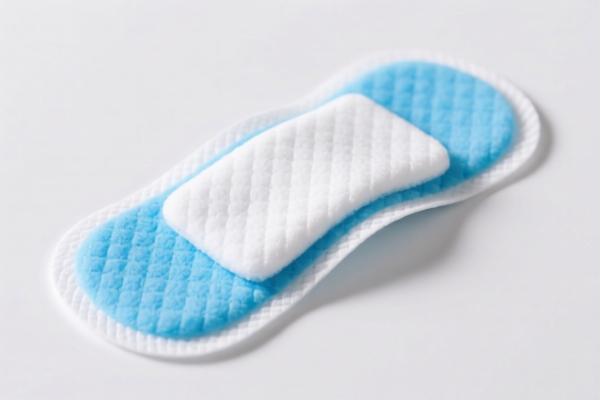
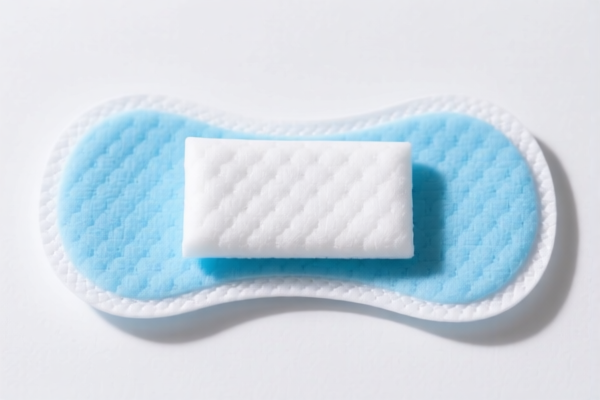
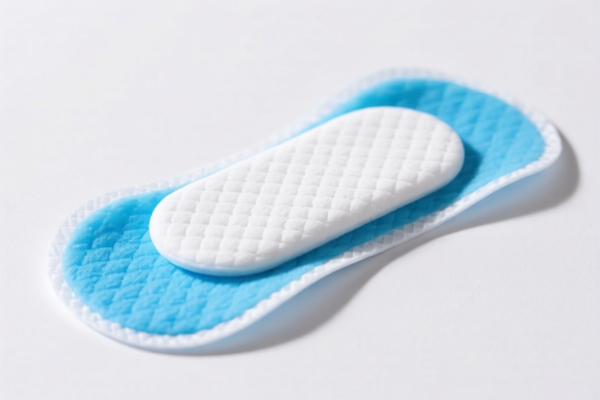
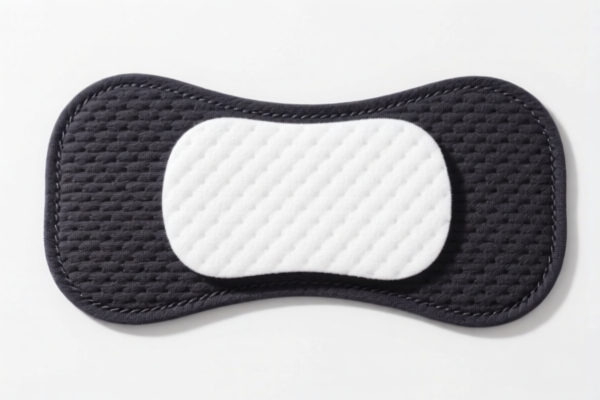
AI Analysis
🐎 Universal Saddle Pad (Breathable) – HS Code Classification & Customs Clearance Guide 2026
🌐 HS Code Reference & Customs Strategy | Latest Tariff Analysis for Equine Accessories | Professional Clearance Strategy
📌 I. Product Definition: What is a "Universal Breathable Saddle Pad"?
A Universal Saddle Pad is a versatile equine accessory designed to fit under various types of saddles (English, Western, or specific disciplines). The key feature "Breathable" implies specific material choices, typically involving foam, mesh, or porous fabrics to dissipate heat and moisture.
In international trade, the classification hinges on Material Composition and End Use: 1. Leather/Composite Leather Pads: Often high-end, durable, fitted for specific disciplines. 2. Fabric/Synthetic Pads (Cotton, Polyester, Mesh): Common for general riding, training, and hot climates. 3. Plastic/Foam Pads: Those heavily relying on polyurethane foam structures for shock absorption without textile outer layers.
⚠️ Key Distinction:
- If the pad is primarily leather →归入 4205 (Articles of Leather).
- If the pad is primarily textile/fabric (cotton, synthetic) → 归入 6307 (Other Made-up Articles).
- If the pad is primarily plastic/foam (shock-absorbing insert) → 归入 3926 (Other Plastic Articles).
📦 II. HS Code Classification Details (Based on Provided Data)
The following HS codes are derived directly from the product name "Universal Saddle Pad" and its attribute "Breathable", matching the provided <DATA> summary.
| HS Code | Summary & Material Inference | Total Tax Rate (US) |
|---|---|---|
| 4205.00.80.00 | Leather/Composite Leather: Based on the "saddle pad" name, if made of high-quality leather or composite leather, it falls under leather goods. | 35.0% |
| 6307.90.98.87 | Synthetic/Fabric Pad: Matches the form and use of a shock-absorbing pad; inferred material is synthetic fiber or fabric. | 24.5% |
| 6307.90.98.85 | Cotton/Textile Pad: Matches the pad category; inferred material is cotton or other textile (non-metal). | 24.5% |
| 3926.90.75.00 | Plastic/Foam Pad: Based on use (shock absorption), inferred material is polyurethane or similar plastic foam. | 14.2% |
💰 III. 2026 Tariff Rate Breakdown (Detailed Tax Clauses)
✅ Applicable Country: USA (US)
✅ Origin: China (CN)
✅ Effective Date: Post-November 2025 (Including 122 Clause)
🎯 1. 4205.00.80.00 – Articles of Leather (Saddle Pads)
| Item | Content |
|---|---|
| Base Duty | 0.0% |
| Section 301 Duty (Additional) | 25.0% |
| 122 Clause Duty | 10.0% |
| Total Rate | 35.0% |
| Tax Calculation | CIF Value × 35% |
| Legal Basis | Base Tariff 0% + 301 Clause 25% + 122 Clause 10% |
📌 Explanation:
- Leather goods are subject to the highest combined tariff in this set. - 301 Clause (25%) applies to Chinese origin goods. - 122 Clause (10%) is an additional duty on specific leather articles.
🎯 2. 6307.90.98.87 – Other Made-up Articles (Synthetic/Fabric)
| Item | Content |
|---|---|
| Base Duty | 7.0% |
| Section 301 Duty (Additional) | 7.5% |
| 122 Clause Duty | 10.0% |
| Total Rate | 24.5% |
| Tax Calculation | CIF Value × 24.5% |
| Legal Basis | Base Tariff 7% + 301 Clause 7.5% + 122 Clause 10% |
📌 Note:
- This code is suitable for pads made of polyester, nylon, or synthetic blends. - "Breathable" often implies mesh or perforated synthetic materials, fitting this category.
🎯 3. 6307.90.98.85 – Other Made-up Articles (Cotton/Textile)
| Item | Content |
|---|---|
| Base Duty | 7.0% |
| Section 301 Duty (Additional) | 7.5% |
| 122 Clause Duty | 10.0% |
| Total Rate | 24.5% |
| Tax Calculation | CIF Value × 24.5% |
| Legal Basis | Base Tariff 7% + 301 Clause 7.5% + 122 Clause 10% |
📌 Note:
- This code is suitable for pads made of cotton, fleece, or mixed textiles. - Even if "breathable" (e.g., cotton mesh), it falls here if not synthetic.
🎯 4. 3926.90.75.00 – Plastic Articles (Foam/Shock-Absorbing)
| Item | Content |
|---|---|
| Base Duty | 4.2% |
| Section 301 Duty (Additional) | 0.0% |
| 122 Clause Duty | 10.0% |
| Total Rate | 14.2% |
| Tax Calculation | CIF Value × 14.2% |
| Legal Basis | Base Tariff 4.2% + 122 Clause 10% (No 301) |
📌 Critical Insight:
- Lowest Total Tax (14.2%). - Applies if the pad is primarily polyurethane foam or plastic-based shock-absorbing inserts, even if covered with thin fabric. - No Section 301 duty makes this highly advantageous for cost optimization.
🛠️ IV. Customs Clearance Practical Advice
✅ 1. Material Declaration is Key
| Scenario | Recommended HS Code | Reason |
|---|---|---|
| Leather Outer Layer | 4205.00.80.00 |
Leather content dominates the identity. |
| Synthetic Mesh/Fabric | 6307.90.98.87 |
Common for "breathable" athletic-style pads. |
| Cotton/Fleece | 6307.90.98.85 |
Traditional or warm-weather cotton pads. |
| Foam Insert with Thin Cover | 3926.90.75.00 |
If foam provides the main shock absorption, it’s a plastic article. |
🔍 Customs Tip:
- If the pad is 70% foam by weight, declare as 3926 to save tax. - If the pad is 70% fabric, declare as 6307. - Do not misdeclare: Customs may inspect material composition via lab test.
✅ 2. Documentation Requirements
| Document | Mandatory? | Notes |
|---|---|---|
| ✅ Commercial Invoice | ✔️ | Clearly state "Saddle Pad" and material (e.g., "Polyurethane Foam with Polyester Cover"). |
| ✅ Product Composition Sheet | ✔️ | Detail % of leather, cotton, synthetic, foam. |
| ✅ Product Photos | ✔️ | Show texture, layers, and any labels. |
| ✅ Material Test Report | ✔️ | If declaring 3926, provide proof of foam content. |
✅ 3. Cost Optimization Strategy
🎯 Best Tax Rate:
3926.90.75.00at 14.2%
🎯 Worst Tax Rate:4205.00.80.00at 35.0%
| Strategy | Action |
|---|---|
| Cost Reduction | If feasible, redesign pad to emphasize foam/plastic structure rather than leather. |
| Material Blending | Use synthetic or cotton fabrics (6307) instead of leather to drop from 35% to 24.5%. |
| Avoid Leather | Leather saddles/pads are heavily taxed due to 122 Clause + 301 Clause. |
🌍 V. Market-Specific Notes
| Market | Recommended HS | Total Tax (China Origin) | Notes |
|---|---|---|---|
| 🇺🇸 USA | 3926.90.75.00 (Lowest) |
14.2% | Best for foam-based breathable pads. |
| 🇺🇸 USA | 6307.90.98.85/87 |
24.5% | Good for textile-based pads. |
| 🇺🇸 USA | 4205.00.80.00 |
35.0% | Highest cost; avoid if possible. |
📌 Conclusion:
- For "Breathable" Saddle Pads, the plastic/foam-based classification (3926) offers the lowest tariff (14.2%) because it avoids the 301 Section duty. - Ensure your product design and documentation support this classification (emphasize foam/shock-absorbing properties).
📌 VI. Common Errors & Pitfalls
❌ Error 1: Declaring a leather pad as 6307 (Textile)
👉 Consequence: Customs reclassification → Back Taxes + Penalties.
❌ Error 2: Declaring a fabric-covered foam pad as 4205 (Leather)
👉 Consequence: Unnecessarily high tax (35% vs 14.2%).
❌ Error 3: Ignoring 122 Clause
👉 Consequence: Under-declared taxes. Note that 122 Clause (10%) applies to all four HS codes in the provided data.
✅ Correct Declaration Example:
"Equine Saddle Pad, Shock-Absorbing Polyurethane Foam Core with Breathable Polyester Mesh Cover, Size 30x30, Model XYZ"
🎯 VII. Final Recommendation
🔹 For Maximum Cost Efficiency:
Design pads with high foam content and declare under3926.90.75.00→ 14.2% Total Tax.🔹 For High-End Leather Market:
Accept4205.00.80.00→ 35.0% Total Tax, but market as premium leather goods.🔹 For General Textile Pads:
Use6307.90.98.85/87→ 24.5% Total Tax.
📣 Immediate Action:
📞 Consult with a customs broker to validate material composition.
📄 Prepare Material Percentage Statements for all shipments.
🚀 Optimize product design to leverage the 14.2% Tax Rate where possible.
✨ Precision in Classification, Profit in Clearance!
💼 Your Bottom Line Depends on the Right HS Code!
Customer Reviews
About HS Code Classification
The Harmonized System (HS) is an internationally standardized nomenclature developed by the World Customs Organization (WCO) to classify traded products. Over 200 countries use the HS system as the basis for customs tariffs, trade statistics, and import/export regulations.
Each HS code follows a hierarchical structure:
- Chapter (2 digits) — Broad category of goods (e.g., Chapter 84: Machinery and Mechanical Appliances)
- Heading (4 digits) — More specific grouping within the chapter
- Subheading (6 digits) — Internationally standardized breakdown, used by all WCO member countries
- National subdivisions (8-10 digits) — Country-specific extensions for further classification, such as US HTSUS 10-digit codes
Correct HS code classification is essential for smooth customs clearance, accurate duty payment, and compliance with trade regulations. Misclassification can lead to customs delays, overpayment of duties, or penalties.
When importing from CN to US, the applicable tariff rates may include:
- Most-Favored-Nation (MFN) rate — The standard duty rate applied to WTO members
- General rate — Applied to countries without trade agreements
- Trade remedy duties — Additional tariffs such as Section 301 (anti-dumping), Section 232 (national security), or countervailing duties
The information provided on this page is for reference purposes only. For official classification, please consult with your local customs authority or a licensed customs broker.