untanned and dehaired horsehide
CN → US| HS Code | Tariff Rate | Origin | Destination | Doc |
|---|---|---|---|---|
| 4101201020 | 17.5% | CN | US | Official Doc |
| 4101501091 | 17.5% | CN | US | Official Doc |
Product Images
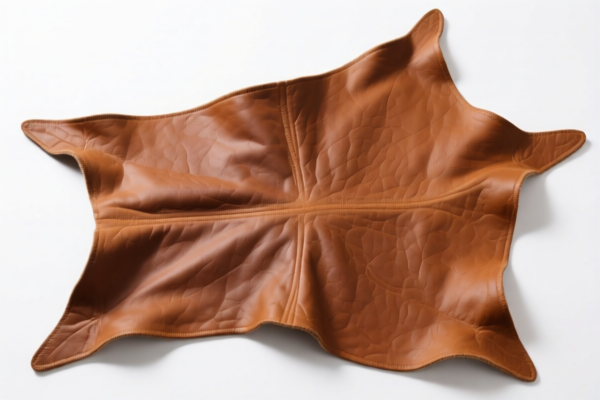
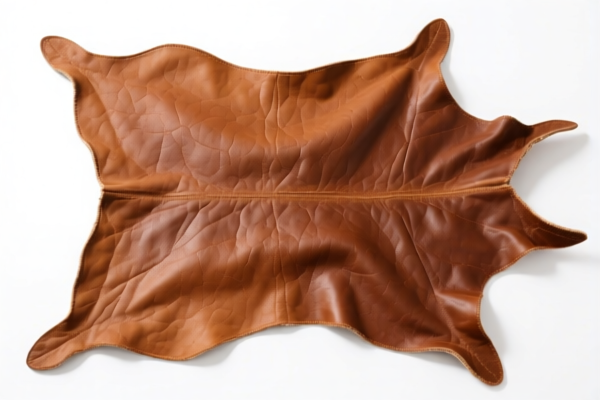

AI Analysis
🐎 Untanned and Dehaired Horsehide (Raw Equine Skins)
🌐 HS Code Reference & Customs Clearance Guide | 2026 Latest Tariff Analysis | Professional Clearance Strategy
📌 I. Product Definition and Classification: What Exactly is "Untanned Horsehide"?
Horsehide, specifically when classified under Chapter 41 of the Harmonized System, refers to the raw hides and skins of equine animals (horses, donkeys, mules, etc.) that have undergone preservation but not tanning or further preparation.
Key characteristics for customs classification: - Untanned: The collagen structure has not been fixed by tanning agents. The skin is not leather. - Dehaired: The hair has been removed, but the skin remains in its raw state. - Preservation State: The goods must be fresh, salted, dried, limed, pickled, or otherwise preserved to prevent decomposition. - Exclusion: These are not "parchment-dressed" or "crust leather."
⚠️ Key Distinction:
- If the skin has been tanned → It falls under Chapter 41 (Tanned Hides) or Chapter 43 (Fur Skins).
- If the skin is still raw but dehaired → It falls under Chapter 41, specifically HS Code 4101.
📦 II. HS Code Classification Details (2026 Latest Tariff Authority Reference)
Based on the provided data, the classification depends strictly on the weight per skin and the preservation method.
| HS Code | Product Description | Weight Criteria | Preservation/State | Tax Rate (China Origin → US) |
|---|---|---|---|---|
4101.20.10.20 |
Whole hides/skins, unsplit, not pretanned, of equine animals | ≤ 8 kg (simply dried) ≤ 10 kg (dry-salted) ≤ 16 kg (fresh/wet-salted/preserved) |
Fresh, salted, dried, limed, pickled, etc. | 7.5% |
4101.50.10.91 |
Whole hides/skins, not pretanned, of equine animals | > 16 kg (any preservation state) | Fresh, salted, dried, limed, pickled, etc. | 7.5% |
🔍 Critical Note:
- Both codes apply to equine animals (horses).
- Both codes require the goods to be Not Pretanned.
- The sole differentiating factor is the weight per skin relative to the preservation method.
💰 III. 2026 Tariff Rate Breakdown (Detailed Tax Clauses)
✅ Applicable Country: United States (US)
✅ Origin: China (CN)
✅ Status: Raw hides/skins, not further prepared
🎯 1. HS Code 4101.20.10.20
(Small/Medium Skins: ≤8kg dried, ≤10kg dry-salted, ≤16kg fresh/wet)
| Item | Detail |
|---|---|
| Base Tariff | 0.0% |
| Additional Tariff | 7.5% |
| Total Tax Rate | 7.5% |
| Calculation | CIF Value × 7.5% |
| Legal Basis | As per provided data: 基础关税: 0.0%, 加征关税: 7.5% |
📌 Explanation:
- The base tariff for raw equine hides is generally 0% under normal trade conditions.
- The 7.5% is an additional tariff (likely Section 301 or similar trade remedy duty applicable to Chinese goods).
- No de minimis exemption applies to raw hides of this category in most formal entries.
🎯 2. HS Code 4101.50.10.91
(Large Skins: >16 kg)
| Item | Detail |
|---|---|
| Base Tariff | 0.0% |
| Additional Tariff | 7.5% |
| Total Tax Rate | 7.5% |
| Calculation | CIF Value × 7.5% |
| Legal Basis | As per provided data: 基础关税: 0.0%, 加征关税: 7.5% |
📌 Explanation:
- Despite the larger weight, the total tax burden remains identical (7.5%).
- This is crucial for cost estimation: Weight does not change the rate, only the HS Code prefix.
🛠️ IV. Customs Clearance Practical Advice (Real-World Pitfall Avoidance)
✅ 1. Documentation Checklist (Mandatory)
| Document | Required? | Purpose |
|---|---|---|
| Commercial Invoice | ✔️ | Must clearly state: "Untanned Horsehide," "Dehaired," "Not Pretanned," and Weight per Skin. |
| Packing List | ✔️ | Must detail individual skin weights to determine if 4101.20 or 4101.50 applies. |
| Certificate of Origin | ✔️ | To prove China origin for tariff calculation. |
| Preservation Declaration | ✔️ | Specify if fresh, salted, dried, etc., as this affects the weight threshold for classification. |
| Photos of Skins | ✔️ | To prove they are raw (not tanned) and unsplit (if claiming whole hides). |
✅ 2. Declaration Strategy (Key Tips)
🔥 "Weight is King, Preservation is Queen!"
| Scenario | Correct Declaration | Common Mistake |
|---|---|---|
| Skin weighs 12 kg, Dry-Salted | 4101.20.10.20 (Limit is 10kg for dry-salted) → Wait! 12kg > 10kg → Must use 4101.50.10.91 |
Misclassifying as 4101.20 due to oversight → Penalty for misdeclaration |
| Skin weighs 7 kg, Simply Dried | 4101.20.10.20 (Limit is 8kg for dried) |
Using 4101.50 → Over-complexity, but acceptable; however, precision is preferred. |
| Skin weighs 20 kg, Fresh | 4101.50.10.91 (Limit is 16kg for fresh) |
Attempting to split skins to reduce weight → Illegal smuggling/fraud |
| Pretanned Horsehide | NOT HS 4101 | Declaring as 4101 when it is tanned → Major misclassification (goes to 4102/4103) |
⚠️ Critical Warning:
- Do not misstate the weight. Customs may inspect and weigh samples.
- Do not misstate the preservation method. 10 kg of dry-salted is classified differently from 10 kg of fresh.
- "Dehaired" does not change the HS Code within Chapter 41 for raw hides. It is still raw hide.
✅ 3. Special Cases
| Situation | Handling Advice |
|---|---|
| Mixed Weights in One Shipment | Declare each line item with its specific weight and preserve the corresponding HS Code. Do not average the weight. |
| Skins in Poor Condition (Rotting) | Risk of rejection. Ensure preservation (salt/drying) is adequate to meet import standards. |
| Splits vs. Whole Hides | These HS Codes specify Whole Hides and Skins, Unsplit. If split, different codes may apply (e.g., 4101.20.10.20 may not cover splits if not specified as "unsplit"). Check if "unsplit" is strictly required by your specific subheading. |
🌍 V. Global Market Comparison (2026)
| Country | HS Code (Raw Equine) | Base Tariff | Additional Duty (China) | Total |
|---|---|---|---|---|
| 🇺🇸 USA | 4101.20.10.20 / 4101.50.10.91 |
0.0% | 7.5% | 7.5% |
| 🇨🇳 China (Import) | 4101.20 / 4101.50 | 0.0% - 5%* | N/A | ~0-5% |
| 🇪🇺 EU | 4101.20 / 4101.50 | 0.0% - 4.0%* | N/A | ~0-4% |
| 🇬🇧 UK | 4101.20 / 4101.50 | 0.0% - 5.0%* | N/A | ~0-5% |
Note: EU/UK rates are illustrative based on general WCO trends; always verify with local customs. The provided data is strictly for US clearance from China.
📌 VI. Common Errors & Pitfalls (Blood Lessons)
❌ Error 1: Declaring Tanned Horsehide as Raw Horsehide
👉 Consequence: Incorrect HS Code, potential fraud accusations, high penalties.
✅ Fix: Ensure "Untanned" and "Not Pretanned" are explicitly stated.
❌ Error 2: Ignoring Preservation Method when declaring weight
👉 Consequence: Using the wrong weight threshold (e.g., using 16kg limit for dry-salted skins).
✅ Fix: Match weight limit to preservation:
- Dried: ≤8kg
- Dry-Salted: ≤10kg
- Fresh/Wet-Salted: ≤16kg
❌ Error 3: Assuming Dehaired means Tanned
👉 Consequence: Dehairing is just mechanical removal of hair. The skin is still raw.
✅ Fix: Clarify "Dehaired but Untanned."
🎯 VII. Conclusion: Precision in Weight and State is Key
🎯 Remember the Mantra:
🔹 "Raw and Untanned, Chapter 41 stands."
🔹 "Check the Weight, Check the Salt, Avoid the Tax Trap."
🔹 "Under 16kg (or 8/10kg), Code .20; Over 16kg, Code .91."
📌 Pro Tip:
If your horsehide is tanned (even lightly), do not use these codes. Tanned hides fall under different subheadings in Chapter 41.
For raw goods, the 7.5% duty is manageable, but misclassification is costly. Always provide weight per skin and preservation type on the invoice.
📣 Immediate Action:
📞 Consult your customs broker with photos and weight data.
📄 Ensure your invoice reads: "Raw, Untanned, Dehaired Horsehide Skins, [Fresh/Salted/Dried], Weight per Skin: [X] kg."
🚀 Clear, accurate, and efficient customs clearance begins here!
✨ Professional clearance saves money. Accuracy prevents delays.
💼 Your raw hides, your profits—keep them untaxed by errors, only taxed by law.
Customer Reviews
About HS Code Classification
The Harmonized System (HS) is an internationally standardized nomenclature developed by the World Customs Organization (WCO) to classify traded products. Over 200 countries use the HS system as the basis for customs tariffs, trade statistics, and import/export regulations.
Each HS code follows a hierarchical structure:
- Chapter (2 digits) — Broad category of goods (e.g., Chapter 84: Machinery and Mechanical Appliances)
- Heading (4 digits) — More specific grouping within the chapter
- Subheading (6 digits) — Internationally standardized breakdown, used by all WCO member countries
- National subdivisions (8-10 digits) — Country-specific extensions for further classification, such as US HTSUS 10-digit codes
Correct HS code classification is essential for smooth customs clearance, accurate duty payment, and compliance with trade regulations. Misclassification can lead to customs delays, overpayment of duties, or penalties.
When importing from CN to US, the applicable tariff rates may include:
- Most-Favored-Nation (MFN) rate — The standard duty rate applied to WTO members
- General rate — Applied to countries without trade agreements
- Trade remedy duties — Additional tariffs such as Section 301 (anti-dumping), Section 232 (national security), or countervailing duties
The information provided on this page is for reference purposes only. For official classification, please consult with your local customs authority or a licensed customs broker.