untreated bovine leather raw material
CN → US| HS Code | Tariff Rate | Origin | Destination | Doc |
|---|---|---|---|---|
| 4101201010 | 17.5% | CN | US | Official Doc |
| 4101501010 | 17.5% | CN | US | Official Doc |
Product Images
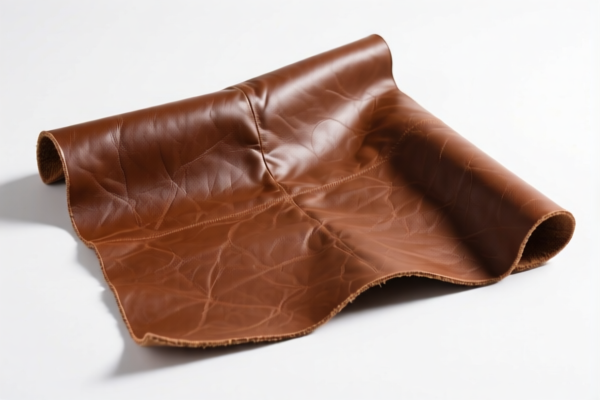
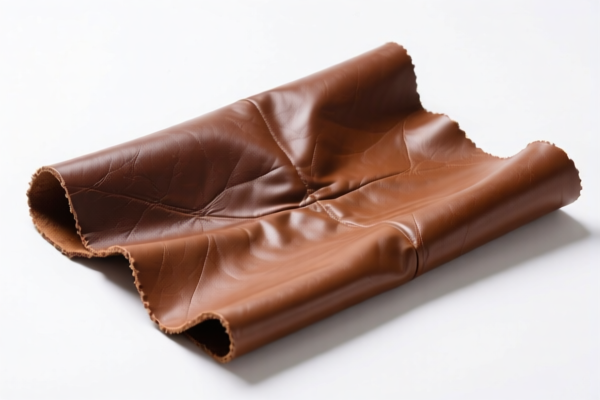
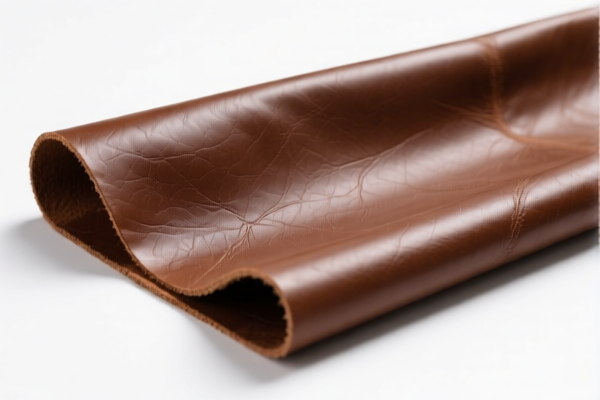
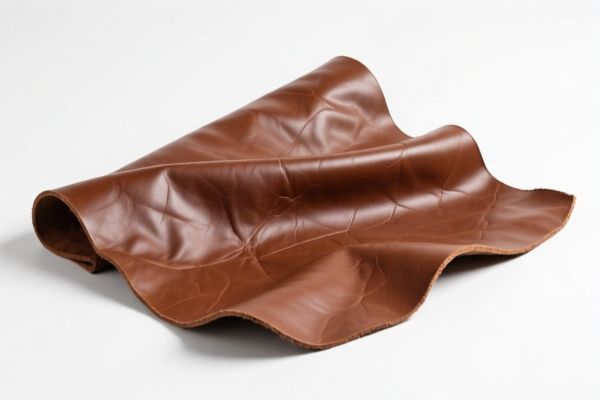
AI Analysis
🐄 Raw Hides & Skins of Bovine Animals (Untreated)
🌐 HS Code Reference & Customs Clearance Guide | 2026 Latest Tariff Analysis | Professional Entry Strategies
📌 Part 1: Product Definition & Classification: What Exactly is "Untreated Bovine Leather"?
Raw hides and skins of bovine animals (including buffalo) are the fundamental raw materials for the global leather industry. In international trade, they are defined by their preservation method and weight per skin, not by their final use. These materials must be fresh, salted, dried, limed, pickled, or otherwise preserved, but crucially, they must NOT be tanned, parchment-dressed, or further prepared.
⚠️ Key Distinction Point:
- Raw vs. Tanned: If the hide has undergone tanning (chemical conversion to leather), it falls under Chapter 41 Section II (e.g., 4104, 4105). If it is merely preserved for transport/storage without tanning, it remains in Heading 4101.
- Weight Thresholds: The HS Code classification heavily depends on the weight of a single skin, which varies based on whether the skin is dry, dry-salted, fresh, or wet-salted.
📦 Part 2: HS Code Classification Details (2026 Latest Tariff Authority Comparison)
Based on the provided data, the classification splits into two main categories based on weight limits for whole, unsplit hides.
| HS Code | Product Description | Weight Limit (Per Skin) | Preservation Method | Application Scenario |
|---|---|---|---|---|
4101.20.10.10 |
Not pretanned; Of bovine animals | ≤ 8 kg when simply dried ≤ 10 kg when dry-salted ≤ 16 kg when fresh/wet-salted/preserved |
Fresh, Salted, Dried, Limed, Pickled | Small calves, light hides, lightly preserved shipments |
4101.50.10.10 |
Not pretanned; Of bovine animals: Cattle | > 16 kg | Fresh, Wet-salted, or otherwise preserved | Large adult cattle, heavy hides, bulk raw material imports |
🔍 Critical Reminder:
- Both codes apply to Whole hides and skins, unsplit. If the hide is split (layered), different subheadings apply (not covered in this specific data set).
- "Not Pretanned": The hides must not have undergone any pretanning process. Once pretanned, they move out of this specific subheading structure.
- Bovine Only: Equine (horse/donkey) hides have separate codes. Ensure the origin is strictly bovine.
💰 Part 3: 2026 Latest Tariff Rate Breakdown (Including Additional Taxes & Policy Surcharges)
✅ Applicable Country: United States (US)
✅ Origin: China (CN) (Assumed based on typical tariff structures in examples; adjust if origin differs)
✅ Effective Date: Current applicable rates
🎯 1. 4101.20.10.10 – Raw Hides, Bovine, Light Weight (≤16kg)
| Item | Content |
|---|---|
| Base Tariff Rate | 0.0% (ad valorem) |
| Section 301 Additional Tariff | +7.5% |
| Total Tax Rate | 7.5% |
| Tax Calculation | CIF Value × 7.5% |
| De Minimis Eligibility | ❌ No (Generally, raw agricultural/animal products are not eligible for de minimis exemptions if they require USDA/APHIS inspection, but strictly for tariff calculation, the rate is high) |
| Legal Basis Path | HTSUS:4101.20.10.10 → USITC Section 301 Footnote |
📌 Explanation:
- Although the Base Tariff is 0%, the Section 301 Additional Tariff of 7.5% applies to Chinese-origin bovine hides.
- This is a relatively low tariff compared to finished leather goods, but it still adds cost.
- Note: Do not confuse "Base Tax" with "Total Tax". The 0% base rate is misleading without adding the 7.5% surcharge.
🎯 2. 4101.50.10.10 – Raw Hides, Bovine, Heavy Weight (>16kg)
| Item | Content |
|---|---|
| Base Tariff Rate | 0.0% (ad valorem) |
| Section 301 Additional Tariff | +7.5% |
| Total Tax Rate | 7.5% |
| Tax Calculation | CIF Value × 7.5% |
| De Minimis Eligibility | ❌ No |
| Legal Basis Path | HTSUS:4101.50.10.10 → USITC Section 301 Footnote |
📌 Note:
- Despite the higher weight threshold (>16kg), the total tax rate remains identical at 7.5%.
- This consistency simplifies budgeting: whether importing light calf hides or heavy cattle hides, the tariff impact per dollar of value is the same.
- However, logistics costs differ significantly due to weight and volume.
🛠️ Part 4: Customs Clearance Practical Advice (Real-World Pitfall Avoidance Guide)
✅ 1. Required Documentation Checklist (All are Mandatory)
| Document | Required? | Explanation |
|---|---|---|
| ✅ USDA/APHIS Permit | ✔️ Mandatory | Raw bovine hides require phytosanitary and veterinary inspection to prevent disease spread (e.g., BSE, Foot and Mouth Disease). |
| ✅ Commercial Invoice | ✔️ | Must clearly state "Raw Hides, Bovine, Untreated," weight per skin, and preservation method. |
| ✅ Packing List | ✔️ | Detail the number of skins, total gross/net weight, and weight per skin (critical for correct HS Code selection). |
| ✅ Certificate of Origin | ✔️ | To verify country of origin for Section 301 tax application. |
| ✅ Preservation Certificate | ✔️ | Proof of method (e.g., "Wet-Salted," "Dry-Salted") to confirm weight category and preservation status. |
| ✅ Bill of Lading | ✔️ | Standard shipping document. |
✅ 2. Declaration Techniques (Key Mantra)
🔥 “Weight Matters, Preservation Defines, Untreated is Key!”
| Scenario | Correct Declaration | Wrong Practice |
|---|---|---|
| Hides <16kg (Fresh/Wet-Salted) | 4101.20.10.10 |
Misdeclaring as 4101.50.10.10 → Risk of penalty for misclassification |
| Hides >16kg (Fresh/Wet-Salted) | 4101.50.10.10 |
Misdeclaring as 4101.20.10.10 → Risk of penalty for misclassification |
| Pretanned/Leather | NOT 4101 | Declaring tanned leather as raw hides → Severe Penalty (Leather codes have higher tariffs) |
| Equine Hides | NOT 4101.20/50 | Declaring horse hides as bovine → Misclassification |
📌 Warning:
- If the hides are split (layered), they do not fall under "Whole hides and skins, unsplit." You must use the split hide subheadings (not in the provided data).
- Ensure the description explicitly states "NOT TANNED" or "RAW" to avoid confusion with processed leather.
✅ 3. Special Handling Considerations
| Situation | Handling Advice |
|---|---|
| Odor & Hygiene | Salted hides have strong odors. Ensure proper ventilation in containers to prevent mold or bacterial growth during transit. |
| Weight Verification | Customs may re-weigh samples. If a "heavy" hide is found to be under 16kg, it could be reclassified, leading to delays. Ensure accurate pre-shipment weighing. |
| Disease Control | Check the current APHIS import restrictions for the specific country of origin. Some regions may have temporary bans due to disease outbreaks. |
| Moisture Content | "Wet-salted" hides have higher water content. Ensure the weight declared includes the salt/water, as this affects the 16kg threshold. |
🌍 Part 5: Global Market Comparison (2026 Latest)
| Country/Region | Recommended HS Code | Tariff Rate (China Origin) | Certification/Regulation | Notes |
|---|---|---|---|---|
| 🇺🇸 USA | 4101.20.10.10 / 4101.50.10.10 |
7.5% Total | USDA/APHIS Inspection | Base 0% + 7.5% Sec 301 |
| 🇨🇳 China | 4101.20 / 4101.50 |
~0-5% | Varies | Import of raw hides is often restricted or highly regulated |
| 🇪🇺 EU | 4101 |
~0-3% | REACH, Veterinary Certs | Strict veterinary controls |
| 🇻🇳 Vietnam | 4101 |
~0% | Vietnam Customs | Common leather manufacturing hub |
| 🇮🇳 India | 4101 |
~0-5% | IGST, Customs | Large domestic leather industry |
📌 Conclusion:
- The US is a major importer but imposes a 7.5% surcharge on Chinese raw bovine hides.
- Tariffs are low compared to finished leather, but regulatory hurdles (USDA/APHIS) are high.
- Logistics costs (freight, insurance) often outweigh the 7.5% tariff. Optimize packing density to reduce per-kg shipping costs.
📌 Part 6: Common Errors & Pitfall Guide (Lessons Learned)
❌ Error 1: Declaring Tanned Leather as Raw Hides
👉 Consequence: Misclassification. Tanned leather has different tariffs (often higher) and different documentation requirements.
Result: Fine, delayed clearance, or return of goods.
❌ Error 2: Ignoring the Weight Threshold
👉 Consequence: Declaring a 15kg fresh hide as 4101.50.10.10 (>16kg category).
Result: Customs may reject or reclassify, causing delays. Always declare the actual weight per skin.
❌ Error 3: Missing USDA/APHIS Permit
👉 Consequence: The shipment cannot clear customs in the US without veterinary inspection approval.
Result: Shipment held, destroyed, or returned at importer's expense.
❌ Error 4: Confusing "Split" vs. "Unsplit"
👉 Consequence: Using unsplit codes for split hides.
Result: Incorrect duty calculation and potential penalties.
✅ Correct Practice:
"Raw Bovine Hides, Wet-Salted, Untreated, Unsplit, Avg. Weight 18kg/skin, Origin: China, USDA Permit #XXXX"
🎯 Part 7: Conclusion: Precision Classification, Smooth Clearance, Cost Efficiency
🎯 Remember the Mantra:
🔹 "Raw and Untreated: Check the Weight!"
🔹 "Under 16kg: Code .20.10.10"
🔹 "Over 16kg: Code .50.10.10"
🔹 "7.5% Tax Applies, USDA Permit Required!"
📌 Pro Tip:
- If your hides are pretanned, do NOT use these codes. They fall under 4104 or 4105.
- For equine hides, use 4101.30 or 4101.90 codes.
- Always request a Pre-Ruling from US Customs and Border Protection (CBP) if the weight or preservation method is ambiguous.
📣 Immediate Action:
📞 Contact a licensed customs broker + Prepare USDA/APHIS application + Verify Weight per Skin
🚀 Ensure your raw hides clear customs smoothly, avoid penalties, and reach the tannery on time!
✨ Professional clearance starts with accurate classification!
💼 Your supply chain efficiency depends on correct HS Codes!
Customer Reviews
About HS Code Classification
The Harmonized System (HS) is an internationally standardized nomenclature developed by the World Customs Organization (WCO) to classify traded products. Over 200 countries use the HS system as the basis for customs tariffs, trade statistics, and import/export regulations.
Each HS code follows a hierarchical structure:
- Chapter (2 digits) — Broad category of goods (e.g., Chapter 84: Machinery and Mechanical Appliances)
- Heading (4 digits) — More specific grouping within the chapter
- Subheading (6 digits) — Internationally standardized breakdown, used by all WCO member countries
- National subdivisions (8-10 digits) — Country-specific extensions for further classification, such as US HTSUS 10-digit codes
Correct HS code classification is essential for smooth customs clearance, accurate duty payment, and compliance with trade regulations. Misclassification can lead to customs delays, overpayment of duties, or penalties.
When importing from CN to US, the applicable tariff rates may include:
- Most-Favored-Nation (MFN) rate — The standard duty rate applied to WTO members
- General rate — Applied to countries without trade agreements
- Trade remedy duties — Additional tariffs such as Section 301 (anti-dumping), Section 232 (national security), or countervailing duties
The information provided on this page is for reference purposes only. For official classification, please consult with your local customs authority or a licensed customs broker.