untreated buffalo leather
CN → US| HS Code | Tariff Rate | Origin | Destination | Doc |
|---|---|---|---|---|
| 4103901190 | 17.5% | CN | US | Official Doc |
| 4103902000 | 20.8% | CN | US | Official Doc |
| 4104113060 | 12.4% | CN | US | Official Doc |
| 4104193000 | 12.4% | CN | US | Official Doc |
| 4101903500 | 19.9% | CN | US | Official Doc |
| 4101501020 | 17.5% | CN | US | Official Doc |
Product Images
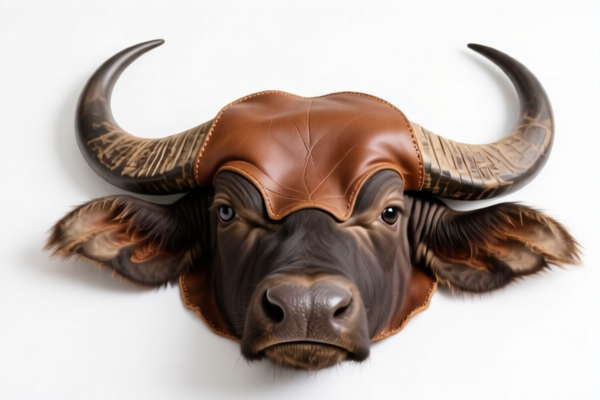
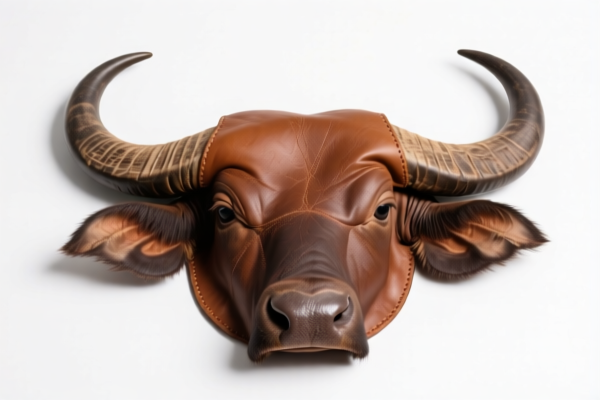
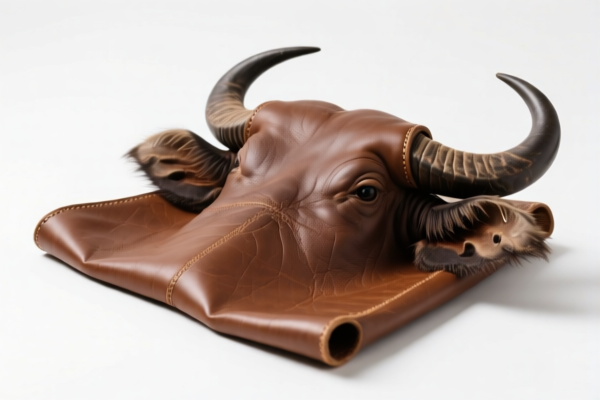
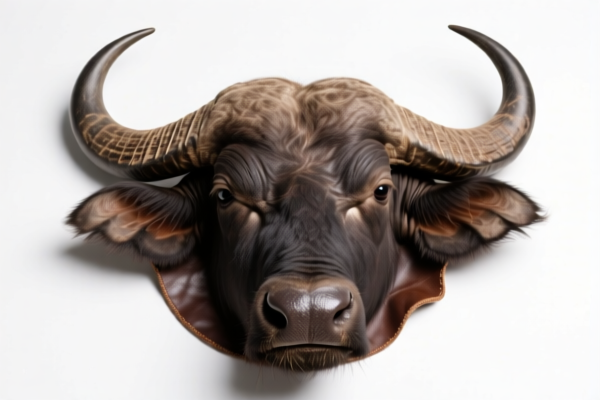
AI Analysis
🐃 Untreated Buffalo Leather: HS Code Master Guide & Clearance Strategy (2026 Tax Analysis)
🌐 HS Code Reference & Customs Clearance Guide | 2026 Tariff Breakdown | Professional通关 Strategy
📌 Part 1: Product Definition – What is "Untreated Buffalo Leather"?
"Untreated Buffalo Leather" refers to raw hides or skins of buffalo that have been preserved (fresh, salted, dried, limed, pickled, or otherwise preserved) but NOT tanned, parchment-dressed, or further prepared.
In international trade, this category is critical because tanning is the dividing line between raw materials and finished leather goods.
Two Main Scenarios: 1. Raw & Heavy (>16kg): Whole hides/skins exceeding 16 kg, not pretanned. 2. Raw & Small/Other: Other sizes, including butts, bends, and bellies, not pretanned.
⚠️ Key Distinction: - If the leather is "Untreated" (Raw) → It falls under Chapter 41 (Raw Hides/Skins). - If the leather is "Tanned" (Crust or Wet-blue) → It falls under Chapter 41 (Tanned Hides) or Chapter 41 (Finished Leather) depending on the process. - Crucial: The products in your provided data are RAW, not tanned. This determines the HS Code path.
📦 Part 2: HS Code Classification Detail (Based on Provided Data)
Based strictly on your provided dataset, here are the specific HS Codes for Untreated Buffalo Leather:
| HS Code | Product Description | Tax Rate (Total) | Tax Composition | Applicable Scenario |
| :--- | :--- | :--- | :--- :--- |
| 4101.50.10.20 | Raw hides/skins of bovine/Equine (Whole, >16kg), Not pretanned, Of bovine (Buffalo) | 7.5% | Base: 0.0%
Additional: 7.5% | Heavy Whole Hides: Whole buffalo hides weighing more than 16 kg, fresh/salted/dried but NOT pretanned. |
| 4103.90.11.90 | Other raw hides/skins (Fresh/Salted/etc.), Not pretanned, Other | 7.5% | Base: 0.0%
Additional: 7.5% | Other Raw Buffalo: Smaller cuts, split hides, or "other" untreated buffalo hides that don't fit the heavy whole hide category. |
| 4101.90.35.00 | Raw hides/skins of bovine/Equine (Other, including butts/bellies), Of bovine, Of Buffalo | 0.0% | Base: 0.0%
Additional: 0.0% | Small Parts/Cuts: Butts, bends, bellies, or other non-whole parts of buffalo hides that are raw but do not exceed 16kg or are not classified as "whole". |
| 4104.11.30.60 | Tanned/Crust Buffalo (In wet state, Full grains, unsplit) | 0.0% | Base: 0.0%
Additional: 0.0% | ⚠️ Note: This is TANNED (Wet-blue). Included in your data for contrast, but NOT for "Untreated". |
| 4104.19.30.00 | Tanned/Crust Buffalo (Other, In wet state) | 0.0% | Base: 0.0%
Additional: 0.0% | ⚠️ Note: This is TANNED. Included for contrast. |
🔍 Critical Analysis of Your Data: - The user query is "Untreated". - Therefore, the relevant codes are 4101.50.10.20, 4103.90.11.90, and 4101.90.35.00. - The codes 4104.11.30.60 and 4104.19.30.00 describe Tanned/Wet-Blue leather, which is NOT "Untreated". Do not use these for raw hides.
💰 Part 3: 2026 Tariff Rate Breakdown (Detailed Tax Clauses)
✅ Applicable Region: Based on the tax structure (Base + Additional), this reflects a trade scenario similar to China-US or specific protectionist tariffs where "Additional Tariffs" (加征关税) apply. ✅ Origin: Likely China (CN) to a market imposing additional duties. ✅ Status: Raw (Untreated)
🎯 1. HS Code 4101.50.10.20 & 4103.90.11.90 (The "Taxable" Raw Hides)
| Tax Item | Rate | Legal/Policy Basis | Calculation Logic |
|---|---|---|---|
| Base Tariff (MFN) | 0.0% | Standard WTO/FTA Rate | No duty if no specific restrictions. |
| Additional Tariff (加征关税) | 7.5% | Specific Trade Sanctions | Applied due to "Unfriendly" trade policies or specific country sanctions (e.g., Section 301 in US context, or similar bilateral measures). |
| Total Effective Rate | 7.5% | Sum of Base + Additional | CIF Value × 7.5% |
| Material Class | Raw Hides | Untreated | Must be fresh, salted, dried, limed, or pickled, but NOT tanned. |
📌 Interpretation: - For heavy whole hides (>16kg) and other raw buffalo hides, you must pay 7.5%. - This is a penalty tariff on top of the free base rate. - Warning: If the customs officer determines the goods are "Tanned" but you declared them "Untreated", you might face penalties. However, if you declare them correctly as "Untreated", you pay 7.5%.
🎯 2. HS Code 4101.90.35.00 (The "Free" Raw Parts)
| Tax Item | Rate | Legal/Policy Basis | Calculation Logic |
|---|---|---|---|
| Base Tariff | 0.0% | Standard Rate | Free of charge. |
| Additional Tariff | 0.0% | Exempt / No Policy | This specific sub-category (Butts/Bellies/Other small parts) escapes the additional tariff. |
| Total Effective Rate | 0.0% | Free Entry | CIF Value × 0% |
| Material Class | Raw Hides | Untreated | Specifically "Other, including butts, bends and bellies". |
📌 Interpretation: - If your shipment consists of cuts, butts, or bellies (parts of the hide) rather than whole hides, you might qualify for 0.0% duty. - Strategy: This is a huge savings opportunity. Properly identifying the product as "Butts/Bellies" vs "Whole Hides" can save 7.5%.
🛠️ Part 4: Customs Clearance Practical Advice (Avoid Pitfalls)
✅ 1. Preparation Checklist (Essential Documents)
| Document | Requirement | Why it Matters |
|---|---|---|
| ✅ Commercial Invoice | Must explicitly state: "Untreated Buffalo Hides" | Avoids confusion with "Tanned Leather" (0%) or "Finished Leather" (High Duty). |
| ✅ Packing List | Specify Weight (Critical for >16kg rule) | Determines if it falls under 4101.50.10.20 (Heavy) or 4101.90.35.00 (Other). |
| ✅ Product Photos | Show texture, salt/curing state, no dye | Proves it is not tanned (which would change HS Code to 4104). |
| ✅ Origin Certificate | Country of Origin | Confirms eligibility for or exemption from Additional Tariffs. |
| ✅ Processing Description | "Salted/Dried, not Tanned" | Crucial for customs officers to distinguish from Tanned Leather (0% vs 7.5%). |
✅ 2. Declaration Strategy (The "Whole vs. Cut" Trick)
🔥 Golden Rule: "Weight > 16kg = Heavy Duty; Weight < 16kg (Parts) = Free"
| Scenario | Recommended HS Code | Duty Rate | Strategy |
|---|---|---|---|
| Whole Buffalo Hide (>16kg) | 4101.50.10.20 |
7.5% | Must Declare: Heavy duty applies. Do not try to hide it. |
| Small Cuts / Butts / Bellies | 4101.90.35.00 |
0.0% | Optimize: If the shipment is mostly cuts/bellies, declare under this code to save 7.5%. |
| "Other" Raw Hides | 4103.90.11.90 |
7.5% | Standard: For non-whole, non-cut specific raw hides. |
✅ 3. Common Errors & How to Avoid Them
| ❌ Mistake | ⚠️ Consequence | ✅ Correction |
|---|---|---|
| Calling "Tanned" leather "Untreated" | Severe Penalty, Re-export, or Fines | If it is tanned (Wet-blue/Crust), declare 4104.11.30.60 (0% duty) but prove it's tanned. |
| Mixing Whole Hides and Cuts | Customs may tax the Whole at 7.5% and audit the rest. | Separate shipments if possible. Declare "Whole" and "Cuts" separately. |
| Missing Weight Specification | Customs defaults to higher duty or requests more info. | Always specify "Weight: XX kg" in the invoice. |
| Using "Buffalo Leather" as generic name | Vague name triggers "Under Inquiry". | Be Specific: "Raw Buffalo Hides, Salted, Not Tanned, Weight 18kg". |
🌍 Part 5: Global Market Comparison (2026 Context)
| Market | HS Code Used | Base Rate | Additional Rate | Total | Notes |
|---|---|---|---|---|---|
| Target Market (Provided Data) | 4101.50.10.20 / 4103.90.11.90 |
0.0% | 7.5% | 7.5% | High duty on heavy/other raw hides. |
| Target Market (Parts Only) | 4101.90.35.00 |
0.0% | 0.0% | 0.0% | Best Case: Small cuts/bellies are free. |
| China Domestic | 4101.50.10.20 |
10% | 0% | 10% | Higher base rate than the provided data. |
| US (Standard) | 4101.50.10.20 |
1.7% | 0% | 1.7% | Lower base rate, no additional tariff in this dataset context. |
📌 Conclusion: - In the specific dataset provided, Heavy Whole Hides are taxed at 7.5%. - Small Parts (Butts/Bellies) are taxed at 0.0%. - Tanned Leather (not relevant to "Untreated") is 0.0%.
🎯 Part 6: Final Verdict & Action Plan
🎯 Summary:
Untreated Buffalo Leather is a high-risk category for tariff avoidance due to the 7.5% Additional Tax on heavy/other raw hides. - Whole Hides (>16kg): Pay 7.5%. - Cuts/Butts/Bellies: Pay 0.0%. - Tanned: Pay 0.0% (but must prove tanning).
🚀 Action Plan for Exporters: 1. Sort Your Goods: Separate Whole Hides from Butts/Bellies. 2. Weight Check: Ensure you have accurate weight data. 3. Labeling: Clearly mark "Untreated" and "Not Tanned" on the invoice and packing list. 4. Documentation: Provide photos showing the raw state (salted/dried, no dye/finish). 5. Strategy: If possible, process the hides into "Butts/Bellies" (cuts) before export to utilize the 0.0% rate for those specific items.
✨ Pro Tip:
"Don't ship whole hides if you can cut them first!" - Shipping Whole Hides = 7.5% Duty. - Shipping Butts/Bellies = 0.0% Duty. - Savings: Up to 7.5% on the CIF value!
📣 Final Advice:
Contact your customs broker IMMEDIATELY to verify if your specific shipment of "Buffalo Hides" qualifies as "Whole" or "Parts". The difference in tax could be the difference between profit and loss!
🔹 HS Code Precision = Cost Control 🔹 Raw vs. Tanned = 0% vs 7.5% 🔹 Whole vs. Cut = Tax or Free
Customer Reviews
About HS Code Classification
The Harmonized System (HS) is an internationally standardized nomenclature developed by the World Customs Organization (WCO) to classify traded products. Over 200 countries use the HS system as the basis for customs tariffs, trade statistics, and import/export regulations.
Each HS code follows a hierarchical structure:
- Chapter (2 digits) — Broad category of goods (e.g., Chapter 84: Machinery and Mechanical Appliances)
- Heading (4 digits) — More specific grouping within the chapter
- Subheading (6 digits) — Internationally standardized breakdown, used by all WCO member countries
- National subdivisions (8-10 digits) — Country-specific extensions for further classification, such as US HTSUS 10-digit codes
Correct HS code classification is essential for smooth customs clearance, accurate duty payment, and compliance with trade regulations. Misclassification can lead to customs delays, overpayment of duties, or penalties.
When importing from CN to US, the applicable tariff rates may include:
- Most-Favored-Nation (MFN) rate — The standard duty rate applied to WTO members
- General rate — Applied to countries without trade agreements
- Trade remedy duties — Additional tariffs such as Section 301 (anti-dumping), Section 232 (national security), or countervailing duties
The information provided on this page is for reference purposes only. For official classification, please consult with your local customs authority or a licensed customs broker.