untreated horsehide dehaired
CN → US| HS Code | Tariff Rate | Origin | Destination | Doc |
|---|---|---|---|---|
| 4101501091 | 17.5% | CN | US | Official Doc |
| 4101901040 | 17.5% | CN | US | Official Doc |
Product Images
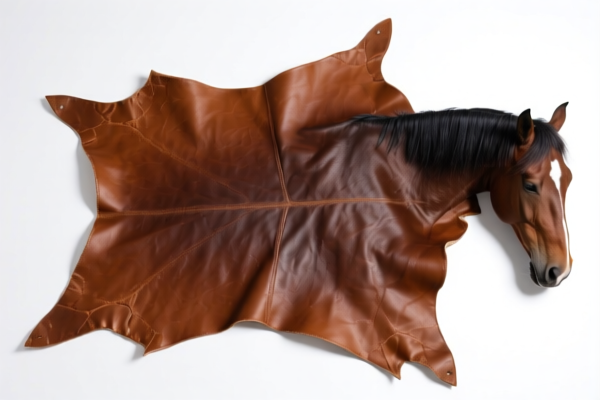
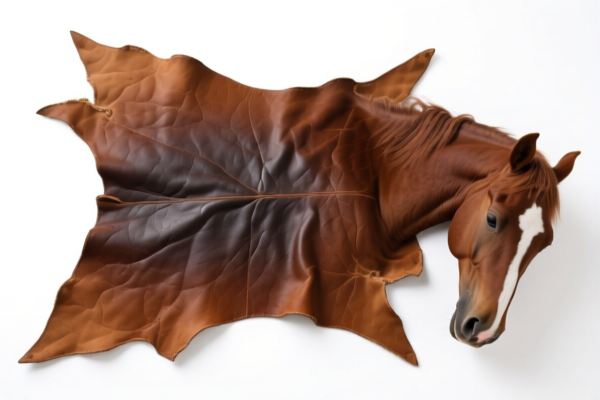
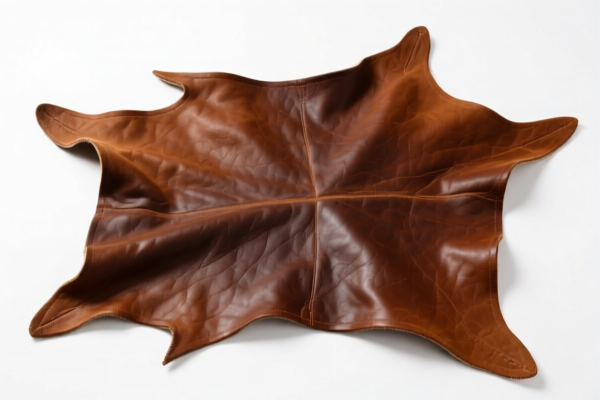
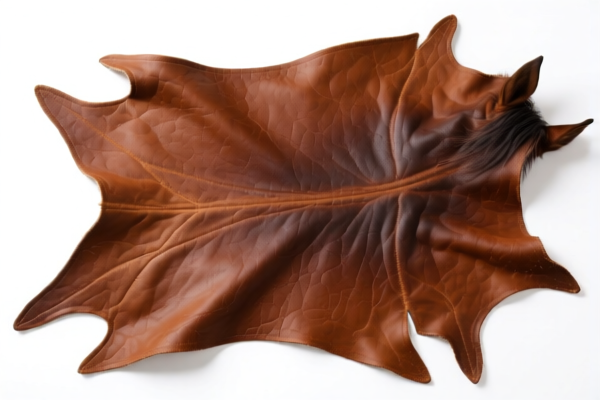
AI Analysis
🐎 Horsehide (Raw, Dehaired, Unprocessed)
🌐 HS Code Reference & Clearance Guide | 2026 Latest Tariff Analysis | Professional Customs Strategy
📌 I. Product Definition & Classification: What Exactly Is "Untreated Dehaired Horsehide"?
Raw horsehide is the un-tanned skin of an equine animal, preserved through salting, drying, or liming, but not yet tanned, parchment-dressed, or further prepared. When specified as "dehaired," it means the hair follicles have been removed (usually via a liming process), leaving the skin smooth but still in its raw, un-tanned state.
⚠️ Critical Distinction:
- If the hide is dehaired but NOT pretanned (i.e., not treated with tanning agents to make it stable/leather-like) → It is classified as Raw Hide/Skin.
- If it has been pretanned (tanned but not finished) → It would fall under HS Code 4102/4103 (Prettanned hides).
- "Untreated" in your query likely refers to the lack of final finishing (dyeing, drumming for leather), but the key is whether it has undergone tanning. Based on the provided data, we assume it is not pretanned.
📦 II. HS Code Classification Details (2026 Latest Tariff Authority Match)
Based on the provided <DATA>, there are two relevant HS Codes for raw equine hides, depending on the weight and shape of the hide.
| HS Code | Product Description | Weight/Shape Criteria | Tax Rate (US Origin/China Import) |
|---|---|---|---|
4101.50.10.91 |
Raw hides/skins of equine animals, Whole hides and skins, > 16 kg, Not pretanned | Full hide/skin intact; weight exceeds 16 kg per skin/hide | 7.5% (0% Base + 7.5% Surcharge) |
4101.90.10.40 |
Raw hides/skins of equine animals, Other (including butts, bends, bellies), Not pretanned | Cut hides, partial hides, or weight ≤ 16 kg | 7.5% (0% Base + 7.5% Surcharge) |
🔍 Key Differentiator:
- Use4101.50.10.91if the horsehide is whole (full body skin) and weighs more than 16 kg.
- Use4101.90.10.40if the hide is cut (e.g., belly, butt, bend) or weighs 16 kg or less.
- Dehaired status does not change the HS code as long as it remains raw/un-tanned.
💰 III. 2026 Tariff Rate Breakdown (Detailed Tax Explanation)
✅ Applicable Context:
- Origin: The data indicates tax rates for imports into China (or similar jurisdiction with this specific tariff structure).
- Product: Raw equine hides (un-tanned, dehaired).
- Effective Date: As per 2026 tariff schedule.
🎯 1. 4101.50.10.91 — Whole Raw Equine Hides (>16kg)
| Item | Detail |
|---|---|
| Base Tariff | 0.0% |
| Retaliatory/Surcharge Tariff | 7.5% |
| Total Effective Rate | 7.5% |
| Calculation Basis | CIF Value × 7.5% |
| Tax Breakdown | - Basic Duty: 0% - Additional Duty: 7.5% |
📌 Explanation:
- This classification applies to full, uncut horse hides weighing over 16 kg.
- The 0% base rate reflects standard international trade agreements for raw materials.
- The 7.5% surcharge is an additional tariff (likely retaliatory or specific trade policy-based) applied to this category.
- Dehaired hides are still considered "raw" if not tanned.
🎯 2. 4101.90.10.40 — Other Raw Equine Hides (Cut/Small)
| Item | Detail |
|---|---|
| Base Tariff | 0.0% |
| Retaliatory/Surcharge Tariff | 7.5% |
| Total Effective Rate | 7.5% |
| Calculation Basis | CIF Value × 7.5% |
| Tax Breakdown | - Basic Duty: 0% - Additional Duty: 7.5% |
📌 Explanation:
- This applies to partial hides (butts, bends, bellies) or lighter hides (≤16 kg).
- Same tax rate as whole hides (7.5%), but different HS code due to physical form/weight.
- Dehaired process is irrelevant to tax rate here; only the raw/un-tanned status matters.🔥 Important Note:
- Do NOT confuse with "Prettanned" hides. If the hide has been tanned (even lightly), it falls under HS Code 4102/4103, which may have different rates.
- "Dehaired" ≠ "Tanned". Dehaired hides are still raw hides; they are merely prepped for tanning.
🛠️ IV. Customs Clearance Practical Advice (Avoid Pitfalls)
✅ 1. Required Documentation Checklist
| Document | Mandatory? | Purpose |
|---|---|---|
| Commercial Invoice | ✔️ | Must clearly state: "Raw Horsehide, Dehaired, Un-tanned, Equine" |
| Packing List | ✔️ | Must specify weight per hide and total weight (to determine if >16kg) |
| Certificate of Origin | ✔️ | To confirm origin and apply correct base/surcharge rates |
| Veterinary Health Certificate | ✔️ | Required for animal products; confirms no disease |
| Processing Details | ✔️ | Specify "Dehaired by Liming" or "Mechanical Dehairing" but NOT "Tanned" |
| Photos of Goods | ✔️ | Show texture (smooth due to dehairing) and condition (raw, salted/dried) |
✅ 2. Declaration Tips (Crucial for Accuracy)
🔥 Golden Rule:
"Specify 'RAW' and 'UN-TANNED' clearly. Do NOT use words like 'Leather' or 'Tanned'."
| Scenario | Correct Declaration | Incorrect Declaration |
|---|---|---|
| Whole Hide >16kg | 4101.50.10.91 - "Raw Horsehide, Dehaired, Un-tanned" |
"Processed Leather" → Wrong HS Code |
| Cut Hide / <16kg | 4101.90.10.40 - "Raw Horsehide Pieces, Dehaired" |
"Leather Scrap" → May trigger higher duties or inspection |
| Mixed Weights | Declare each item separately based on weight | Average weight → Risk of misclassification |
✅ 3. Special Case Handling
| Situation | Recommendation |
|---|---|
| Dehaired but Salted | Still Raw. Declare as "Raw, Salted, Dehaired". No change in HS Code. |
| Dehaired & Dried | Still Raw. Declare as "Raw, Dried, Dehaired". No change in HS Code. |
| Accidentally Tanned? | If traces of tanning agents are found, it may be reclassified as Prettanned (HS 4102/4103), which could have different tax implications. Test for tanning residues if uncertain. |
| Weight Borderline (16kg) | If a hide is exactly 16kg, it falls under 4101.90.10.40 (Other). Be precise in weight measurement. |
🌍 V. Global Market Comparison (2026)
| Region | HS Code (Raw Equine) | Base Tariff | Surcharge | Total | Notes |
|---|---|---|---|---|---|
| 🇨🇳 China | 4101.50.10.91 / 4101.90.10.40 |
0.0% | 7.5% | 7.5% | As per provided data |
| 🇺🇸 USA | 4101.50.10 / 4101.90.10 | Varies | Varies | Check USITC | US may have different rates for equine hides |
| 🇪🇺 EU | 4101.21 / 4101.29 | Varies | None | Low | EU often has lower duties on raw hides |
| 🇯🇵 Japan | 4101.21.00 | 0% | None | 0% | Often duty-free for raw hides |
📌 Conclusion:
- The 7.5% total tax applies specifically to the jurisdiction using the provided data (likely China or a partner with similar trade policies).
- Dehaired status does not increase tax; it may even facilitate cleaning/processing but doesn't change the "raw" classification.
📌 VI. Common Mistakes & Pitfalls (Lessons Learned)
❌ Mistake 1: Declaring "Dehaired Horsehide" as "Leather"
👉 Consequence: Wrong HS Code (e.g., 4104/4105 for tanned leather) → Higher duties + Penalties.
Fix: Always specify "Raw" and "Un-tanned".
❌ Mistake 2: Ignoring the 16kg Weight Threshold
👉 Consequence: Misclassification between 4101.50.10.91 and 4101.90.10.40.
Fix: Weigh each hide individually. If any are >16kg and whole, use 4101.50.10.91.
❌ Mistake 3: Confusing Dehaired with Tanned
👉 Consequence: Customs may suspect hidden tanning agents → Delayed clearance + Inspection.
Fix: Provide lab reports if required to prove no tanning agents are present.
🎯 VII. Conclusion: Clear Declaration, Smooth Clearance
🎯 Key Takeaway:
🔹 "Raw" + "Un-tanned" = HS Code 4101 Series
🔹 "Dehaired" does not change the HS Code
🔹 "Weight >16kg" vs "Cut/≤16kg" determines the sub-code
🔹 Total Tax = 7.5% (0% Base + 7.5% Surcharge)
📌 Pro Tip:
If you are exporting from a region with preferential trade agreements, check if raw hides qualify for duty-free entry (e.g., China-Australia FTA, China-Korea FTA). However, based on the provided data, the 7.5% surcharge applies.
📣 Action Item:
📞 Verify Weight: Measure each hide.
📝 Document Clearly: "Raw, Dehaired, Un-tanned Horsehide."
🧾 Apply Correct HS Code:4101.50.10.91(Whole >16kg) or4101.90.10.40(Other).
✨ Professional Clearance Starts with Accurate Classification!
💼 Your Cost Efficiency Depends on Precision!
Customer Reviews
About HS Code Classification
The Harmonized System (HS) is an internationally standardized nomenclature developed by the World Customs Organization (WCO) to classify traded products. Over 200 countries use the HS system as the basis for customs tariffs, trade statistics, and import/export regulations.
Each HS code follows a hierarchical structure:
- Chapter (2 digits) — Broad category of goods (e.g., Chapter 84: Machinery and Mechanical Appliances)
- Heading (4 digits) — More specific grouping within the chapter
- Subheading (6 digits) — Internationally standardized breakdown, used by all WCO member countries
- National subdivisions (8-10 digits) — Country-specific extensions for further classification, such as US HTSUS 10-digit codes
Correct HS code classification is essential for smooth customs clearance, accurate duty payment, and compliance with trade regulations. Misclassification can lead to customs delays, overpayment of duties, or penalties.
When importing from CN to US, the applicable tariff rates may include:
- Most-Favored-Nation (MFN) rate — The standard duty rate applied to WTO members
- General rate — Applied to countries without trade agreements
- Trade remedy duties — Additional tariffs such as Section 301 (anti-dumping), Section 232 (national security), or countervailing duties
The information provided on this page is for reference purposes only. For official classification, please consult with your local customs authority or a licensed customs broker.