usb to dc cable
CN → US| HS Code | Tariff Rate | Origin | Destination | Doc |
|---|---|---|---|---|
| 8544429090 | 87.6% | CN | US | Official Doc |
| 8473309100 | 35.0% | CN | US | Official Doc |
| 8504904100 | 35.0% | CN | US | Official Doc |
| 8544429010 | 87.6% | CN | US | Official Doc |
| 8544429090 | 87.6% | CN | US | Official Doc |
Product Images
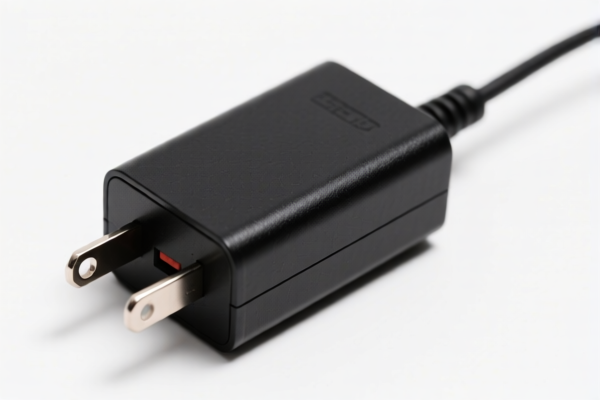
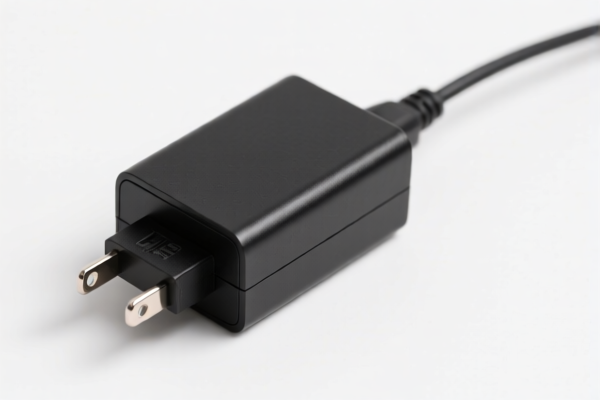
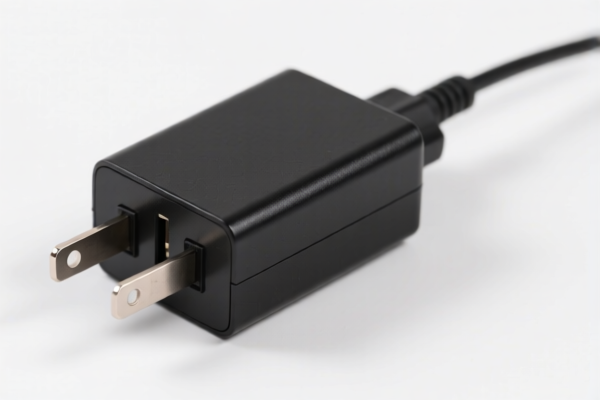
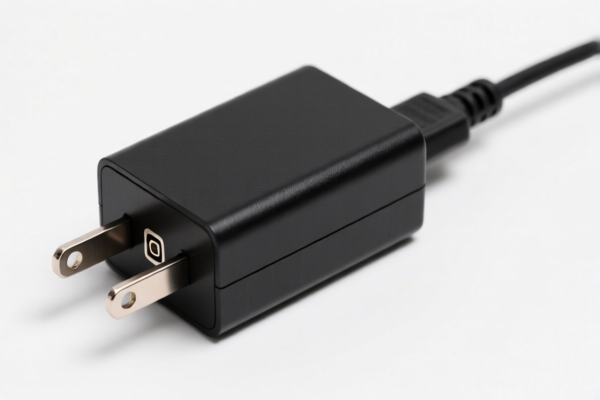
AI Analysis
🔌 USB to DC Cable (Insulated Electric Conductors)
🌐 HS Code Reference & Clearance Guide | 2026 Latest Tariff Analysis | Professional Compliance Strategy
📌 I. Product Definition & Classification: What Exactly is a "USB to DC Cable"?
A "USB to DC Cable" is a specialized insulated electric conductor used to transmit power and/or data between a USB source (Type-A, Type-C, Micro-USB) and a Direct Current (DC) device (routers, LED strips, specific industrial equipment).
In international trade, this is NOT classified as a simple "part" or "accessory" in the general sense. It falls under Chapter 85, specifically under Headings 8544 (Insulated electric conductors, cables, etc.).
⚠️ Critical Distinction:
- With Connectors: Most USB-to-DC cables come pre-fitted with USB plugs on one end and DC jacks/barrels on the other. These are classified under 8544.42 ("Fitted with connectors").
- Voltage Threshold: Since USB operates at 5V (and PD up to 20V) and DC devices typically operate under 1000V, these fall under "Voltage not exceeding 1,000 V".
- Extension Cords vs. Other: If the cable is defined as an "extension cord" under statistical note 6, it may have a specific subheading; otherwise, it falls under "Other".
📦 II. HS Code Classification Details (2026 Latest Tariff Authority)
Based on the provided data, the classification depends on whether the cable is specifically an "Extension Cord" or "Other".
| HS Code | Product Description | Voltage | Connector Status | Applicable Scenario |
|---|---|---|---|---|
8544.42.90.90 |
Other electric conductors, ≤1,000 V, Fitted with connectors, Other | ≤ 1,000 V | ✅ Fitted | Generic USB-to-DC cables, power adapters, data cables not defined as extension cords. |
8544.42.90.10 |
Extension cords as defined in statistical note 6 to this chapter | ≤ 1,000 V | ✅ Fitted | Cables specifically recognized as "Extension Cords" by customs statistical definitions (often longer, multi-outlet, or specific household definitions). |
🔍 Key Reminder:
- Material Matters: The tariff details explicitly mention "Steel, Aluminum, Copper products subject to additional tariff: 50%". This implies that if the conductor material is copper (standard for USB cables), the 50% copper surcharge applies ON TOP OF the base and Section 301 tariffs.
- Do NOT misclassify as8473.30.91.00(Parts of machines) or8504.90.96.90(Parts of transformers). A cable is a distinct electrical article (Chapter 85), not a machine part. Misclassification leads to massive duties.
💰 III. 2026 Latest Tariff Rate Breakdown (Including Surcharges & Policies)
✅ Applicable Country: United States (US)
✅ Origin: China (CN)
✅ Effective Time: Current rates as per provided data
🎯 1. 8544.42.90.90 —— Other Insulated Conductors (e.g., Generic USB-DC Cable)
| Item | Content |
|---|---|
| Base Tariff | 2.6% (Ad Valorem) |
| Section 301 Surcharge | +25.0% |
| Copper/Aluminum/Steel Surcharge | +50.0% (Specific to conductors) |
| Total Effective Tax Rate | 77.6% |
| Tax Calculation | CIF Value × 77.6% |
| De Minimis Exemption | ❌ NOT APPLICABLE (Deny De Minimis for high tariffs) |
| Legal Basis Path | Section 301: 25% → Copper Surcharge: 50% → Base: 2.6% |
📌 Explanation:
- The 77.6% rate is extremely high. It consists of the Base Rate (2.6%) + Section 301 Tariff (25%) + Copper Surcharge (50%).
- Since USB cables contain copper conductors, the 50% surcharge is mandatory.
- Warning: This rate applies to China-origin goods. Non-China origins may qualify for exemptions if properly documented.
🎯 2. 8544.42.90.10 —— Extension Cords (Statistical Note 6)
| Item | Content |
|---|---|
| Base Tariff | 2.6% |
| Section 301 Surcharge | +25.0% |
| Copper/Aluminum/Steel Surcharge | +50.0% |
| Total Effective Tax Rate | 77.6% |
| Tax Calculation | CIF Value × 77.6% |
| De Minimis Exemption | ❌ NOT APPLICABLE |
| Legal Basis Path | Same as above |
📌 Note:
- Even if classified as an "Extension Cord," the Copper Surcharge still applies because it is an insulated electric conductor containing metal.
- The rate is identical to8544.42.90.90in the provided data.
🛠️ IV. Clearance Practical Advice (Avoid Pitfalls)
✅ 1. Required Documentation Checklist
| Document | Mandatory? | Purpose |
|---|---|---|
| ✅ Product Specification Sheet | ✔️ | Must specify: Voltage (≤1000V), Connector types (USB-A/C to DC), Wire Gauge (AWG), Material (Copper). |
| ✅ Commercial Invoice | ✔️ | Must clearly state: "Insulated Electric Conductor, USB to DC, Fitted with Connectors, Copper Core." Do not use vague terms like "Computer Accessory." |
| ✅ Material Declaration | ✔️ | Confirm copper content. If aluminum, different rules may apply, but copper triggers the 50% surcharge. |
| ✅ Certificate of Origin (CO) | ✔️ | To prove non-China origin if seeking exemptions. |
| ✅ Photos (Connectors & Labeling) | ✔️ | To verify it is "fitted with connectors" and not raw wire. |
✅ 2. Declaration Tips (Key Mantra)
🔥 "Specify Voltage, Confirm Connectors, Declare Copper, Avoid Machine Parts!"
| Scenario | Correct Classification | Wrong Classification | Consequence |
|---|---|---|---|
| USB-C to DC Power Cable | 8544.42.90.90 |
8473.30.91.00 (Parts) |
Risk of 77.6% vs 25% + misclassification penalties |
| Cable with Copper Core | 8544.42.90.90 |
8544.30 (Coaxial) |
50% Copper Surcharge applies |
| Raw Wire (No Connectors) | 8544.30/42 (Different) |
8544.42 (Fitted) |
Different tariff, potential duty evasion flag |
| USB Data Cable (Not Power) | 8544.42.90.90 |
8471.80 (Parts) |
Still Chapter 85, but ensure description is precise |
✅ 3. Special Case Handling
| Situation | Handling Advice |
|---|---|
| High-End Data Cables | If the cable is primarily for data (e.g., USB 3.2/4.0) but also carries low voltage DC, it may still be 8544.42. Do not classify as a "machine part" just because it plugs into a PC. |
| Aluminum Conductors | If the cable uses aluminum instead of copper, the 50% Copper Surcharge may not apply, but verify with customs. However, base tariffs may differ. |
| Bundled Products | If sold with a DC adapter (power supply), the adapter might be classified under 8504.40 (Transformers/Converters), and the cable under 8544.42. Split the declaration! Do not lump them into one HS code. |
| Non-China Origin | If manufactured in Vietnam, Mexico, or Malaysia, apply for Section 301 Exclusion (if available) and Copper Surcharge Exemption based on origin. This can reduce duties significantly. |
🌍 V. Global Market Comparison (2026 Latest)
| Country/Region | Recommended HS Code | Est. Tariff (China Origin) | Certification Req. | Notes |
|---|---|---|---|---|
| 🇺🇸 USA | 8544.42.90.90 |
77.6% | FCC (if data), UL/ETL (safety) | Extremely High due to 50% copper surcharge + 301 tariff. |
| 🇨🇳 China | 8544.42.90.90 |
2.6% - 5% | CCC (if applicable) | Low import duty, no surcharges. |
| 🇪🇺 EU | 8544.42.90.90 |
4% - 6% | CE, RoHS, REACH | No Section 301 or Copper Surcharge. |
| 🇬🇧 UK | 8544.42.90.90 |
4% - 6% | UKCA, RoHS | Post-Brexit tariffs apply. |
| 🇯🇵 Japan | 8544.42.90.90 |
0% - 5% | PSE, JIS | Generally low duties. |
📌 Conclusion:
- USA is the most expensive market for USB-DC cables due to the 77.6% effective rate.
- Supply Chain Strategy: For US-bound shipments, consider Third-Country Assembly (Vietnam, Thailand, Mexico) to avoid the 50% Copper Surcharge and Section 301 Tariffs.
- Do Not Ship Direct from China unless the margin can absorb 77.6% duty, or if the product is exempt.
📌 VI. Common Errors & Pitfalls (Lessons Learned)
❌ Error 1: Classifying as 8473.30.91.00 (Parts of machines)
👉 Consequence: While tax is lower (25%), it is incorrect because cables are electrical articles (Chapter 85), not mechanical parts. Customs will reassess and apply the higher 8544.42 rate + penalties.
❌ Error 2: Ignoring the "Copper Surcharge"
👉 Consequence: If declared without noting "Copper Conductor," customs may audit and back-pay the 50% surcharge + interest.
❌ Error 3: Bundling Cable + Power Adapter as One Item
👉 Consequence: If not split, the entire value may be taxed at the highest applicable rate, or misclassified. Split the invoice and declaration.
❌ Error 4: Vague Description "Computer Cable"
👉 Consequence: Customs may detain for inspection. Always specify: "Insulated Electric Conductor, USB to DC, Fitted with Connectors, ≤1000V, Copper Core."
✅ Correct Declaration Example:
"USB Type-C to DC Barrel Jack Power Cable, Insulated Electric Conductor, Fitted with Connectors, Voltage ≤1000V, Copper Core, Length 1M, No. 22 AWG. Country of Origin: China."
🎯 VII. Conclusion: Precision Saves Money!
🎯 Remember the Mantra:
🔹 "Cable is Chapter 85, Not Machine Part!"
🔹 "Copper Triggers 50%, Don't Skip It!"
🔹 "77.6% in USA, Find an Exemption!"
📌 Pro Tip:
If your USB-DC cables are exclusively for data (e.g., USB 3.0 to Ethernet), they might still be 8544.42, but if they are power-only, they are definitely 8544.42.
Pre-Import Ruling: Apply for a Binding Tariff Information (BTI) or Advance Ruling from US Customs (CBP) to lock in the HS Code and avoid disputes.
📣 Immediate Action:
📞 Contact a Customs Broker: Provide specs + origin.
🚀 Optimize Supply Chain: If exporting to the US, evaluate non-China sourcing to avoid the 77.6% hit.
💼 Your Profit Margin Depends on Accurate Tariff Classification!
✨ Professional Clearance, Starts with Accurate Classification!
💼 Every Percent Saved is Profit Gained!
Customer Reviews
About HS Code Classification
The Harmonized System (HS) is an internationally standardized nomenclature developed by the World Customs Organization (WCO) to classify traded products. Over 200 countries use the HS system as the basis for customs tariffs, trade statistics, and import/export regulations.
Each HS code follows a hierarchical structure:
- Chapter (2 digits) — Broad category of goods (e.g., Chapter 84: Machinery and Mechanical Appliances)
- Heading (4 digits) — More specific grouping within the chapter
- Subheading (6 digits) — Internationally standardized breakdown, used by all WCO member countries
- National subdivisions (8-10 digits) — Country-specific extensions for further classification, such as US HTSUS 10-digit codes
Correct HS code classification is essential for smooth customs clearance, accurate duty payment, and compliance with trade regulations. Misclassification can lead to customs delays, overpayment of duties, or penalties.
When importing from CN to US, the applicable tariff rates may include:
- Most-Favored-Nation (MFN) rate — The standard duty rate applied to WTO members
- General rate — Applied to countries without trade agreements
- Trade remedy duties — Additional tariffs such as Section 301 (anti-dumping), Section 232 (national security), or countervailing duties
The information provided on this page is for reference purposes only. For official classification, please consult with your local customs authority or a licensed customs broker.