used tires passenger
CN → US| HS Code | Tariff Rate | Origin | Destination | Doc |
|---|---|---|---|---|
| 4012208000 | 35.0% | CN | US | Official Doc |
| 4012206000 | 35.0% | CN | US | Official Doc |
| 4012208000 | 35.0% | CN | US | Official Doc |
| 4012206000 | 35.0% | CN | US | Official Doc |
| 4012208000 | 35.0% | CN | US | Official Doc |
Product Images
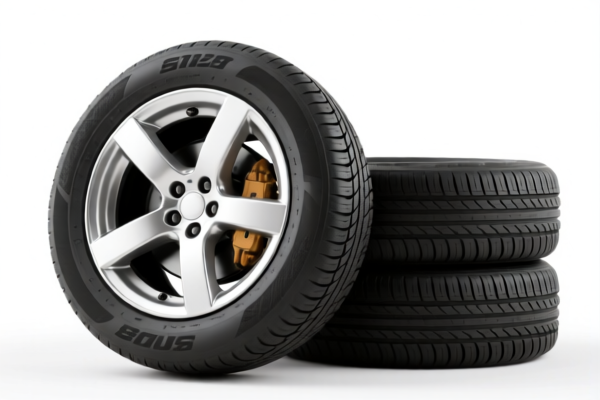
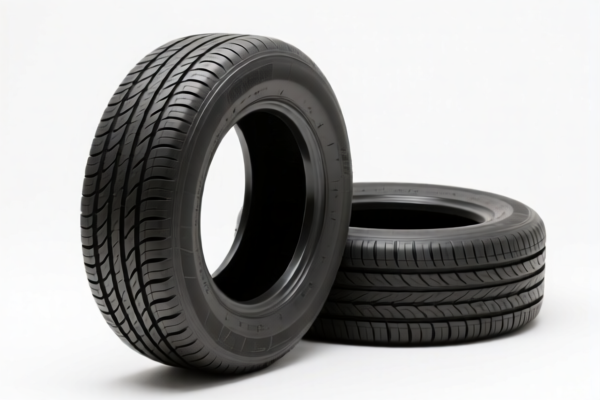
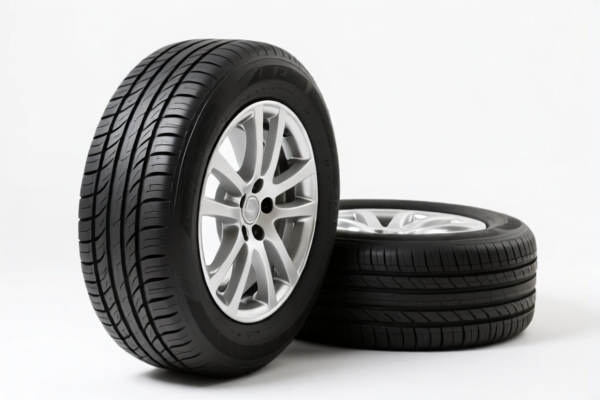
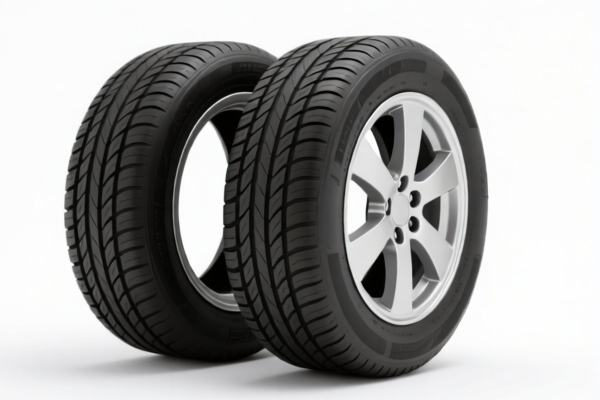
AI Analysis
🚗 Used Passenger Tires (Retreaded/Used Pneumatic Tires)
🌐 HS Code Reference & Clearance Guide | 2026 Latest Tariff Analysis | Professional Customs Strategy
📌 I. Product Definition & Classification: What Exactly Are "Used Passenger Tires"?
Used Passenger Tires are pneumatic tires made of rubber, previously used on passenger vehicles, now imported for recycling, retreading, or disposal. In international trade, these fall under the category of "Old Pneumatic Tires of Rubber."
The key identifier is "Used" (Old), which distinguishes them from new tires. They must be pneumatic (air-filled) and made of rubber.
⚠️ Key Distinction Points:
- If the tire is new → It falls under HS 4011.10.xx (New Pneumatic Tires).
- If the tire is used/old → It falls under HS 4012.20.xx (Old Pneumatic Tires).
- Material: Must be rubber.
- Form: Pneumatic (air-filled).
📦 II. HS Code Classification Details (2026 Latest Tariff Authority)
Based on the provided data, the following HS Codes apply to "Used Passenger Tires":
| HS Code | Product Description | Applicability | Tax Rate |
|---|---|---|---|
4012.20.60.00 |
Used Passenger Tires | For passenger vehicles, old pneumatic tires, rubber material | 35.0% |
4012.20.80.00 |
Used Passenger Tires | General "Used" classification, rubber material, pneumatic form | 35.0% |
🔍 Detailed Explanation for Each Code:
🎯 1. 4012.20.60.00 — Used Passenger Vehicle Tires
📌 Summary:
"Used passenger car tires," where "Used" corresponds to "Old" in the classification, "Tire" matches "Pneumatic Tire" form, and the material is rubber, fitting the category of "Rubber Old Pneumatic Tires."
🎯 2. 4012.20.80.00 — Used Passenger Vehicle Tires (General)
📌 Summary:
"Used passenger car tires," where "Used" corresponds to "Old" in the classification, "Tire" matches "Pneumatic Tire" form, and the material is rubber, fitting the category of "Rubber Old Pneumatic Tires."🔍 Important Note:
- Both4012.20.60.00and4012.20.80.00apply to used passenger tires.
- The difference lies in specific sub-category precision, but both carry the same total tax rate of 35.0%.
- "Used" is explicitly mapped to "Old" in the tariff nomenclature.
💰 III. 2026 Latest Tariff Rate Details (Including Surcharges & Policy Add-ons)
✅ Applicable Country: China (CN)
✅ Origin: Likely USA or other targeted countries (based on 122-Clause tariff)
✅ Effective Time: As per current trade policies
🎯 Total Tax Rate: 35.0%
| Component | Rate | Description |
|---|---|---|
| Basic Tariff | 0.0% | Base import duty for rubber old pneumatic tires |
| Additional Tariff (Section 301/Reciprocal) | 25.0% | Additional duty applied to Chinese imports (or reciprocal measure) |
| Section 122 Tariff | 10.0% | Special tariff under Section 122 (likely anti-dumping or countervailing duty) |
| Total Effective Rate | 35.0% | Sum of all applicable duties |
📌 Tax Calculation Example:
- CIF Value: $10,000
- Total Tax = $10,000 × 35.0% = $3,500
- No de minimis exemption for used tires in most jurisdictions.
🛠️ IV. Customs Clearance Practical Advice (Pitfall Avoidance Guide)
✅ 1. Required Documentation Checklist (All Must Be Provided)
| Document | Required | Notes |
|---|---|---|
| ✅ Commercial Invoice | ✔️ | Must state "Used Passenger Tires" |
| ✅ Packing List | ✔️ | Detail quantity, weight, and packaging |
| ✅ Certificate of Origin | ✔️ | To determine applicable tariff rates |
| ✅ Inspection Certificate | ✔️ | Proof of "Used" status, no hazardous materials |
| ✅ Product Photos | ✔️ | Show tire condition, size, and markings |
| ✅ Customs Declaration Form | ✔️ | Accurate HS Code: 4012.20.60.00 or 4012.20.80.00 |
⚠️ Critical:
- Misdeclaring used tires as new tires can lead to heavy fines or shipment rejection.
- Ensure "Used" is explicitly stated in the commercial invoice and declaration.
✅ 2. Declaration Tips (Key Mantra)
🔥 "Used Must Be Declared, HS Code 4012.20, Tax 35% No Surprise!"
| Scenario | Correct Declaration | Incorrect Practice |
|---|---|---|
| Used Passenger Tires | 4012.20.60.00 or 4012.20.80.00 |
Misdeclare as 4011.10.xx (New Tires) → Penalty! |
| Mixed Shipment (New + Used) | Separate Declaration | Mixed declaration → Customs Delay |
| Retreaded Tires | Must declare as "Used" if originally used | Misdeclare as "Retreaded New" → Wrong HS Code |
✅ 3. Special Cases Handling
| Case | Recommendation |
|---|---|
| Tires with Tread Depth > 50% | Still considered "Used" if previously registered/used |
| Recycled Rubber Products | If shredded or processed, may fall under different HS Code |
| Import for Recycling | Provide recycling plan and environmental compliance certificates |
| Prohibited Used Tires | Some countries ban import of used tires for health/environmental reasons → Check local regulations |
🌍 V. Global Market Comparison (2026 Latest)
| Country/Region | Recommended HS Code | Tariff Rate | Notes |
|---|---|---|---|
| 🇨🇳 China | 4012.20.60.00 / 4012.20.80.00 |
35.0% | Includes 25% additional + 10% Section 122 |
| 🇺🇸 USA | 4012.20.00.00 |
Varies | Check USITC rulings for used tire imports |
| 🇪🇺 EU | 4012.20.00.00 |
0% - 2.5% | No additional tariffs for used tires |
| 🇯🇵 Japan | 4012.20.00.00 |
0% - 5% | Strict environmental regulations |
📌 Conclusion:
- China imposes a 35% total tariff on used passenger tires from targeted origins.
- EU and Japan are more lenient, with lower or zero tariffs.
- USA has its own regulations; check USITC for specific rulings.
📌 VI. Common Mistakes & Pitfall Guide (Lessons Learned)
❌ Mistake 1: Declaring used tires as new tires
👉 Consequence: Wrong HS Code, underpayment of tax, fines or seizure.
❌ Mistake 2: Not specifying "Used" in the commercial invoice
👉 Consequence: Customs inspection delay, request for additional documents.
❌ Mistake 3: Mixing new and used tires in one shipment without separate declaration
👉 Consequence: Customs confusion, potential penalty.
❌ Mistake 4: Ignoring Section 122 Tariff
👉 Consequence: Underpayment of 10% additional duty.
✅ Correct Practice:
"Used Passenger Tires, Rubber, Pneumatic, Old Condition, Model XYZ, Quantity: 1000 Pcs"
🎯 VII. Conclusion: Professional Declaration Saves Money and Time
🎯 Remember the Mantra:
🔹 "Used Tires = HS 4012.20, Tax 35%, Declare 'Used' Clearly!"
🔹 "HS Code Determines Tax, 35% is the Total, Don't Miss the 10% Section 122!"
📌 Pro Tip:
- If your used tires are recycled or retreaded, ensure proper documentation to avoid being classified as "Waste" or "Prohibited Goods."
- Always apply for Advance Ruling if unsure about HS Code classification.
📣 Take Action Now:
📞 Contact a Professional Customs Broker + Provide Product Photos + Apply for HS Code Advance Ruling
🚀 Ensure Smooth Clearance, Avoid Penalties, and Maximize Profit!
✨ Professional Customs Clearance Starts with Accurate Classification!
💼 Every Cent of Cost Should Be Precisely Calculated!
Customer Reviews
About HS Code Classification
The Harmonized System (HS) is an internationally standardized nomenclature developed by the World Customs Organization (WCO) to classify traded products. Over 200 countries use the HS system as the basis for customs tariffs, trade statistics, and import/export regulations.
Each HS code follows a hierarchical structure:
- Chapter (2 digits) — Broad category of goods (e.g., Chapter 84: Machinery and Mechanical Appliances)
- Heading (4 digits) — More specific grouping within the chapter
- Subheading (6 digits) — Internationally standardized breakdown, used by all WCO member countries
- National subdivisions (8-10 digits) — Country-specific extensions for further classification, such as US HTSUS 10-digit codes
Correct HS code classification is essential for smooth customs clearance, accurate duty payment, and compliance with trade regulations. Misclassification can lead to customs delays, overpayment of duties, or penalties.
When importing from CN to US, the applicable tariff rates may include:
- Most-Favored-Nation (MFN) rate — The standard duty rate applied to WTO members
- General rate — Applied to countries without trade agreements
- Trade remedy duties — Additional tariffs such as Section 301 (anti-dumping), Section 232 (national security), or countervailing duties
The information provided on this page is for reference purposes only. For official classification, please consult with your local customs authority or a licensed customs broker.