used truck tires
CN → US| HS Code | Tariff Rate | Origin | Destination | Doc |
|---|---|---|---|---|
| 4012206000 | 35.0% | CN | US | Official Doc |
| 4012208000 | 35.0% | CN | US | Official Doc |
| 4011205010 | 38.4% | CN | US | Official Doc |
| 4012124015 | 39.0% | CN | US | Official Doc |
| 4012206000 | 35.0% | CN | US | Official Doc |
Product Images
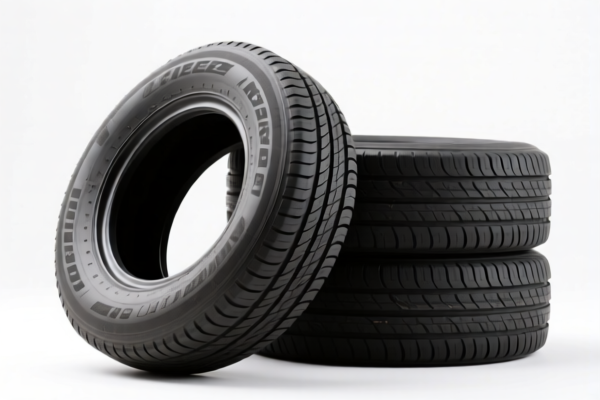
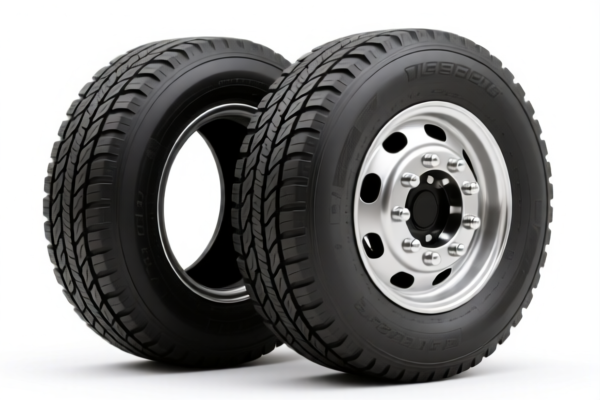
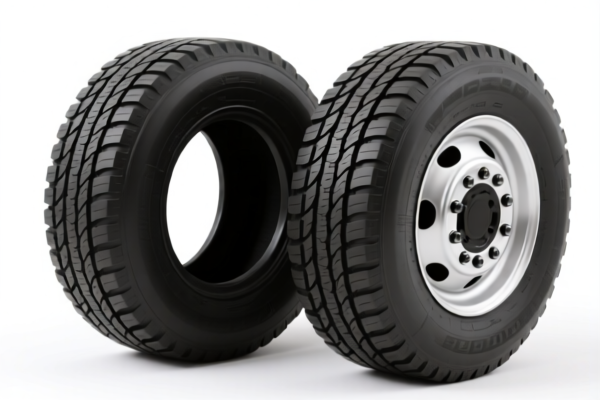
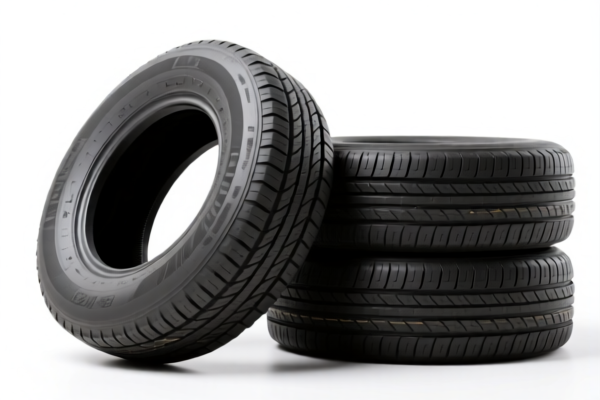
AI Analysis
🚛 Used Truck Tires (Used Highway Freight Tires)
🌐 HS Code Reference & Clearance Guide | 2026 Latest Tariff Analysis | Professional Clearance Strategy
📌 1. Product Definition & Classification: Do You Really Understand "Used Truck Tires"?
Used truck tires are critical consumables in the global logistics supply chain. In international trade, they are strictly categorized based on their state (new vs. used/remanufactured), structure (radial vs. bias), and intended vehicle type (light vs. heavy-duty).
For the purpose of this guide, we focus on two main categories based on the provided data: 1. Used/Retreaded Heavy-Duty Tires: Often classified under 4012.20 (Retreaded pneumatic tires of rubber). 2. Regenerated/Light-Duty Tires: Sometimes classified under 4011.20 or specific retreaded codes like 4012.12.
⚠️ Key Distinction:
- "Used" (Old): Tires that have been worn and are being re-exported as second-hand goods. These often fall under 4012.20.
- "Regenerated/Retreaded" (Newly Built): Tires where a new tread is applied to a used casing. These may fall under 4011.20 or 4012.12, depending on the structure (radial/bias) and vehicle type.
- Material: All are made of rubber.
- Form: Pneumatic (air-filled).
📦 2. HS Code Classification Details (2026 Latest Tariff Authority Comparison)
| HS Code | Product Description | Application Scenario | Key Features |
|---|---|---|---|
4012.20.60.00 |
Used highway freight tires, rubber, old pneumatic tires | Heavy-duty highway trucks, logistics fleets | "Used": Old, worn tires. No new tread. |
4012.20.80.00 |
Used highway freight tires, "old" category, rubber, pneumatic | General used tire export | "Old": Fits the "used rubber pneumatic tires" category broadly. |
4011.20.50.10 |
Regenerated durable tires for light trucks | Light truck fleets, commercial vans | "Regenerated": New tread on old casing. Fits "light truck" use. |
4012.12.40.15 |
Regenerated durable tires for light trucks, radial retreads | Light trucks, high-performance vehicles | "Regenerated": Specifically radial retreaded tires. |
🔍 Key Reminder:
- 4012.20: Specifically for retreaded or used pneumatic tires. If the tire is truly "old/used" without retreading, it fits 4012.20.60/80.
- 4011.20 / 4012.12: These codes often apply to regenerated/retreaded tires. If the product is described as "regenerated" (regaining durability via retreading), it may fall under these codes.
- Tax Impact: All these codes are subject to significant US tariffs (25% + 10%) due to their origin (China) and nature (rubber products).
💰 3. 2026 Latest Tariff Rate Breakdown (Including Additional Taxes & Policy Surcharges)
✅ Applicable Country: United States (US)
✅ Country of Origin: China (CN)
✅ Effective Date: 2025/2026 (Current Enforcement)
🎯 1. 4012.20.60.00 & 4012.20.80.00 —— Used/Retreaded Tires (Highway Freight)
| Item | Details |
|---|---|
| Base Duty Rate | 0.0% (Ad valorem) |
| Section 301 Additional Duty | +25.0% (Due to US-China trade tensions) |
| Section 122 Duty (IEEPA) | +10.0% (Specific surcharge on certain rubber/tire products from China) |
| Total Tax Rate | 35.0% |
| Tax Calculation | CIF Value × 35% |
| De Minimis Eligibility | ❌ Not Eligible (Deny de minimis for rubber tires from China) |
| Legal Basis Path | USITC:4012.20.60.00 → USITC:4012.20.80.00 → Section 301: Footnote 9903.88.01 → IEEPA:9903.01.24 |
📌 Explanation:
- Base Duty 0%: Rubber tires often have low base duties.
- 301 Tariff 25%: The major hurdle. All Chinese rubber tires are subject to this.
- Section 122 10%: An additional surcharge applied to specific rubber items under Executive Orders.
- Total 35%: This is a high-cost item. Profit margins must account for this.
🎯 2. 4011.20.50.10 —— Regenerated Light Truck Tires
| Item | Details |
|---|---|
| Base Duty Rate | 3.4% |
| Section 301 Additional Duty | +25.0% |
| Section 122 Duty (IEEPA) | +10.0% |
| Total Tax Rate | 38.4% |
| Tax Calculation | CIF Value × 38.4% |
| De Minimis Eligibility | ❌ Not Eligible |
| Legal Basis Path | USITC:4011.20.50.10 → Section 301 → IEEPA:9903.01.24 |
📌 Explanation:
- The base duty is higher (3.4%) compared to used tires (0%), leading to a higher total tax (38.4%).
- This applies to "regenerated" tires classified under light truck categories.
🎯 3. 4012.12.40.15 —— Regenerated Radial Tires for Light Trucks
| Item | Details |
|---|---|
| Base Duty Rate | 4.0% |
| Section 301 Additional Duty | +25.0% |
| Section 122 Duty (IEEPA) | +10.0% |
| Total Tax Rate | 39.0% |
| Tax Calculation | CIF Value × 39.0% |
| De Minimis Eligibility | ❌ Not Eligible |
| Legal Basis Path | USITC:4012.12.40.15 → Section 301 → IEEPA:9903.01.24 |
📌 Explanation:
- This is the highest tax rate (39.0%) among the options.
- Applies specifically to radial retreaded tires for light trucks.
- Ensure your product description matches "regenerated" and "radial" to avoid misclassification penalties.
🛠️ 4. Practical Clearance Advice (Pitfall Avoidance Guide)
✅ 1. Required Documentation Checklist (Non-Negotiable)
| Document | Must Provide? | Notes |
|---|---|---|
| ✅ Commercial Invoice | ✔️ | Clearly state "Used Tires" or "Regenerated Tires" + HS Code. |
| ✅ Packing List | ✔️ | Detail number of tires, sizes, and weight. |
| ✅ Product Photos | ✔️ | Show tread wear, sidewall markings, and any retreading indicators. |
| ✅ Condition Certificate | ✔️ | For used tires, prove they are "old/used" and not "new" (to avoid fraud claims). |
| ✅ Certificate of Origin | ✔️ | Proof of Chinese origin triggers tariffs. |
| ✅ Retreading Report | ✔️ | For regenerated tires, provide proof of retreading process if classified as such. |
✅ 2. Declaration Tips (Critical Keywords)
🔥 "Be Precise: 'Used' vs 'Regenerated' Defines Your Tax!"
| Scenario | Correct Declaration | Incorrect Declaration | Consequence |
|---|---|---|---|
| Old, worn tires | "Used Highway Freight Tires" | "New Tires" | Customs will penalize for misdeclaration. Tax 35%. |
| Retreaded tires | "Regenerated Radial Tires" | "Used Tires" | Tax may jump to 38.4-39.0% if misclassified as lighter duty. |
| Heavy-duty vs Light | Specify "Heavy Duty" or "Light Truck" | Generic "Truck Tires" | May lead to audit or delayed clearance. |
✅ 3. Special Considerations
| Situation | Recommendation |
|---|---|
| De Minimis (Section 321) | ❌ Do NOT use. US de minimis exemption ($800) does not apply to rubber tires from China. All shipments are subject to full tariffs. |
| Misclassification Risk | If you declare "Used Tires" (4012.20) but they are actually "Regenerated" (4012.12/4011.20), you may face higher penalties for under-declaring taxes. |
| Environmental Regulations | Ensure tires meet EPA/CARB standards for import, as used tires can be subject to environmental scrutiny. |
| Labeling | Must show original DOT code, size, and "Regenerated" or "Used" marking clearly. |
🌍 5. Global Market Comparison (2026)
| Country/Region | Recommended HS Code | Tariff (China Origin) | Certification | Notes |
|---|---|---|---|---|
| 🇺🇸 USA | 4012.20.60.00 / 4011.20.50.10 |
35% - 39% | No specific label | High Tariff. 301 + 122 duties apply. |
| 🇨🇳 China | 4012.20.60.00 |
0-5% (Export) | N/A | Export duties may apply. |
| 🇪🇺 EU | 4012.20.00 |
0-4% (depending on type) | CE | No Section 301. Lower risk. |
| 🇲🇽 Mexico | 4012.20.00 |
0-5% (under USMCA) | NOM | If assembled/imported via Mexico, may benefit from USMCA. |
| 🇻🇳 Vietnam | 4012.20.00 |
0-5% | N/A | Transshipment risk: Ensure substantial transformation if re-exporting to US. |
📌 Conclusion:
- USA is the most expensive market due to 35-39% total tariffs.
- EU is more favorable with 0-4% tariffs.
- Mexico/Vietnam: Potential for tariff reduction if substantial transformation occurs, but beware of anti-circumvention investigations by US Customs.
📌 6. Common Mistakes & Pitfalls (Lessons Learned)
❌ Mistake 1: Declaring "Used Tires" as "New Tires" to avoid tariffs.
👉 Result: Severe penalties, seizure of goods, and blacklisting.
❌ Mistake 2: Assuming de minimis ($800) applies.
👉 Result: All rubber tires from China are exempt from de minimis. Even small shipments are taxed.
❌ Mistake 3: Confusing "Regenerated" with "Used".
👉 Result: If you sell retreaded tires but declare as "used", you may pay lower tax (35%) but face legal risk if caught. If you declare "regenerated" but they are old, you pay higher tax (38-39%). Be honest and accurate.
✅ Correct Approach:
"Used Highway Freight Tires, Rubber, Pneumatic, Old, Model XYZ, HS Code: 4012.20.60.00"
🎯 7. Conclusion: Precise Classification, Cost Control!
🎯 Remember the Rule:
🔹 "Used = 35%, Regenerated = 38.4-39%."
🔹 "No De Minimis for Rubber Tires from China."
🔹 "Accurate Declaration is Key to Avoiding Penalties."
📌 Pro Tip:
If you are importing large volumes, consider Advance Ruling from US Customs to confirm the HS Code and tariff rate. Also, explore supercycles or bulk shipping to reduce logistics costs, as tariffs are a fixed percentage.
📣 Immediate Action:
📞 Consult a licensed customs broker.
📄 Prepare detailed product descriptions and photos.
🚀 Ensure your invoices clearly state "Used" or "Regenerated" and the correct HS Code.
✨ Professional Clearance, Starts with Accurate Classification!
💼 Every Dollar Saved in Tariffs is Pure Profit!
Customer Reviews
About HS Code Classification
The Harmonized System (HS) is an internationally standardized nomenclature developed by the World Customs Organization (WCO) to classify traded products. Over 200 countries use the HS system as the basis for customs tariffs, trade statistics, and import/export regulations.
Each HS code follows a hierarchical structure:
- Chapter (2 digits) — Broad category of goods (e.g., Chapter 84: Machinery and Mechanical Appliances)
- Heading (4 digits) — More specific grouping within the chapter
- Subheading (6 digits) — Internationally standardized breakdown, used by all WCO member countries
- National subdivisions (8-10 digits) — Country-specific extensions for further classification, such as US HTSUS 10-digit codes
Correct HS code classification is essential for smooth customs clearance, accurate duty payment, and compliance with trade regulations. Misclassification can lead to customs delays, overpayment of duties, or penalties.
When importing from CN to US, the applicable tariff rates may include:
- Most-Favored-Nation (MFN) rate — The standard duty rate applied to WTO members
- General rate — Applied to countries without trade agreements
- Trade remedy duties — Additional tariffs such as Section 301 (anti-dumping), Section 232 (national security), or countervailing duties
The information provided on this page is for reference purposes only. For official classification, please consult with your local customs authority or a licensed customs broker.