uv resistant composite panel
CN → US| HS Code | Tariff Rate | Origin | Destination | Doc |
|---|---|---|---|---|
| 4823908000 | 35.0% | CN | US | Official Doc |
| 3921905010 | 39.8% | CN | US | Official Doc |
| 3921904010 | 39.2% | CN | US | Official Doc |
| 4823908000 | 35.0% | CN | US | Official Doc |
Product Images
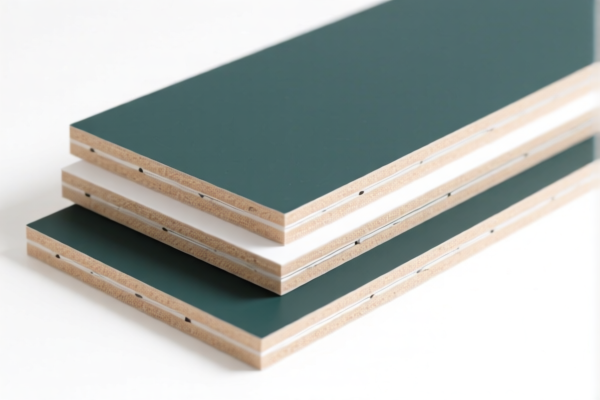
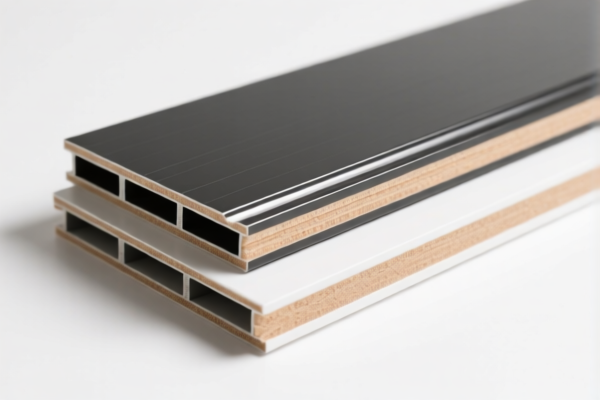
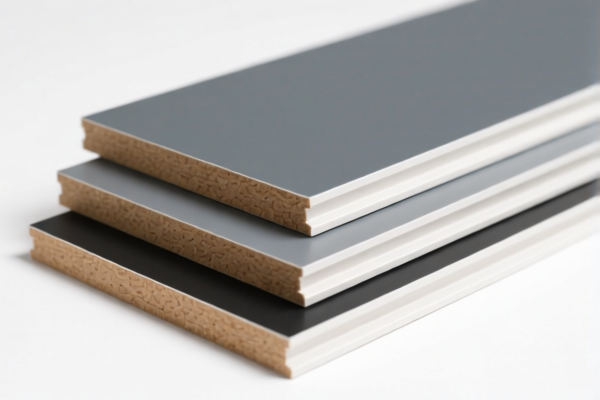
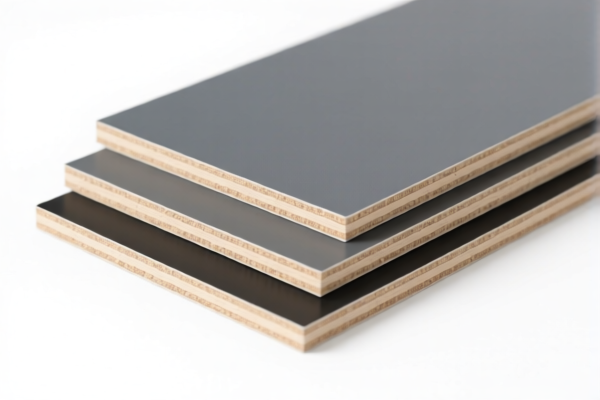
AI Analysis
🛡️ UV Resistant Composite Panel (复合板)
🌐 HS Code Reference & Customs Clearance Guide | 2026 Latest Tariff Analysis | Professional Clearance Strategy 📌 I. Product Definition & Classification: What is a "Composite Panel"?
A UV Resistant Composite Panel is a flat, sheet-like material used for construction, packaging, or industrial applications. Its classification depends entirely on its primary material composition:
1. Paper/Cellulose-Based Composite Panels (Type A) * Characteristics: The core or surface layer contains significant cellulose or paper fibers. The "UV resistance" is often achieved through surface coatings (lamination) rather than the base material itself. * Function: Often used as gaskets, seals, or protective backing. * HS Category: Falls under Chapter 48 (Paper and Paperboard).
2. Plastic/Resin-Based Composite Panels (Type B) * Characteristics: The base material is plastic or resin (e.g., PVC, PET, ABS). "UV resistance" is an intrinsic property achieved by adding stabilizers to the plastic matrix. * Function: Exterior cladding, signage, industrial liners. * HS Category: Falls under Chapter 39 (Plastics and Articles Thereof).
⚠️ Key Distinction Point:
- If the panel is primarily paper/cardboard with a protective layer →归入 4823.90.80.00
- If the panel is primarily plastic/resin (rigid sheet) → 归入 3921.90.50.10 or 3921.90.40.10
📦 II. HS Code Classification Details (2026 Latest Tariff Authority Comparison)
| HS Code | Product Description | Material Basis | UV Resistance Mechanism | Estimated Total Tax (CN Origin) |
|---|---|---|---|---|
4823.90.80.00 |
Other paper/paperboard articles, cut to size or shape | Cellulose/Paper | Surface coating or laminate prevents UV degradation | 35.0% |
3921.90.50.10 |
Other plates, sheets, film, etc., of plastic | Plastic/Resin | Bulk additive (UV stabilizers) within the plastic | 39.8% |
3921.90.40.10 |
Other plates, sheets, film, etc., of plastic (specific sub-category) | Plastic/Resin | UV-resistant formulation for outdoor use | 39.2% |
🔍 Critical Note:
- Paper-based composites are generally cheaper to import (lower base duty) but still hit high total rates due to Section 301. - Plastic-based composites have higher base duties but may vary slightly (39.2% vs 39.8%) depending on the specific plastic type and sub-heading nuances. - "Composite" does not automatically mean "mixed materials." Customs looks for the essential character. If paper is just a backing for a plastic sheet, it may still be plastic. If plastic is a thin layer on paper, it is paper.
💰 III. 2026 Latest Tariff Rate Breakdown (Including Add-on Taxes, Policy Surcharges)
✅ Applicable Country: United States (US)
✅ Country of Origin: China (CN)
✅ Effective Date: November 10, 2025 onwards (including subsequent imports)
🎯 1. 4823.90.80.00 —— Paper/Cellulose-Based Composite Panels
| Item | Content |
|---|---|
| Base Tariff | 0.0% (ad valorem) |
| USITC Add-on Tariff | +25.0% (Under USITC Footnote for Section 301) |
| IEEPA Add-on Tariff | +10.0% (Against China/HK products, effective Nov 10, 2025) |
| Total Rate | 35.0% |
| Tax Calculation | CIF Value × 35% |
| De Minimis Exemption | ❌ Not Available (deny_de_minimis) |
| Legal Basis Path | IEEPA:9903.01.25 → USITC:4823.90.80.00 → FOOTNOTE:9903.88.01 |
📌 Explanation:
- 0% Base Duty: Paper products often have low base tariffs. - +25% Section 301: Standard punitive tariff for Chinese goods. - +10% IEEPA: Additional tariff under the International Emergency Economic Powers Act. - Total 35%: This is a high effective rate. Even though the base is 0%, the add-ons make it expensive.
🎯 2. 3921.90.50.10 —— Plastic Composite Panels (General)
| Item | Content |
|---|---|
| Base Tariff | 4.8% (ad valorem) |
| USITC Add-on Tariff | +25.0% (Under USITC Footnote for Section 301) |
| IEEPA Add-on Tariff | +10.0% (Against China/HK products) |
| Total Rate | 39.8% |
| Tax Calculation | CIF Value × 39.8% |
| De Minimis Exemption | ❌ Not Available |
| Legal Basis Path | IEEPA:9903.01.25 → USITC:3921.90.50.10 → FOOTNOTE:9903.88.01 |
📌 Explanation:
- 4.8% Base Duty: Plastic sheets have a non-zero base duty. - +25% + 10%: Same punitive tariffs as above. - Total 39.8%: This is the highest estimated rate in this group. Requires careful budgeting.
🎯 3. 3921.90.40.10 —— Plastic Composite Panels (Specific UV Type)
| Item | Content |
|---|---|
| Base Tariff | 4.2% (ad valorem) |
| USITC Add-on Tariff | +25.0% (Under USITC Footnote for Section 301) |
| IEEPA Add-on Tariff | +10.0% (Against China/HK products) |
| Total Rate | 39.2% |
| Tax Calculation | CIF Value × 39.2% |
| De Minimis Exemption | ❌ Not Available |
| Legal Basis Path | IEEPA:9903.01.25 → USITC:3921.90.40.10 → FOOTNOTE:9903.88.01 |
📌 Explanation:
- 4.2% Base Duty: Slightly lower base duty than 3921.90.50.10. - +25% + 10%: Same punitive tariffs. - Total 39.2%: The lowest rate among the plastic options, but still significantly higher than paper-based options.
🛠️ IV. Customs Clearance Practical Advice (Pitfall Avoidance Guide)
✅ 1. Required Documentation Checklist (No Exceptions)
| Document | Mandatory | Description |
|---|---|---|
| ✅ Product Specification Sheet | ✔️ | Must clearly state material composition (e.g., "90% PVC, 10% UV Stabilizer" vs. "Paper core with plastic coating"). |
| ✅ Material Safety Data Sheet (MSDS) | ✔️ | Proves chemical composition, especially for UV stabilizers. |
| ✅ Product Photos (Clear Labels) | ✔️ | Show the cross-section if possible, to distinguish layers. |
| ✅ Commercial Invoice | ✔️ | Must describe the item as "Composite Panel" and not "Plastic Sheet" or "Paper Sheet" ambiguously. |
| ✅ Certificate of Origin (CO) | ✔️ | If not from China, claim preferential rates. If from China, accept the 301/IEEPA tariffs. |
| ✅ Packing List | ✔️ | Ensure weight/volume matches invoice. |
✅ 2. Declaration Tips (Key Mantra)
🔥 “Material is King, UV is a Feature, Not a Class!”
| Scenario | Correct Declaration | Wrong Practice |
|---|---|---|
| Plastic Core | 3921.90.40.10 or 3921.90.50.10 |
Describe as "Paper" → Audited & Penalized |
| Paper Core | 4823.90.80.00 |
Describe as "Plastic" → Overpay Taxes |
| Mixed Material | Declare Essential Character | Leave vague → Customs Rejection |
| UV Resistance | Add as "Feature" (e.g., "UV-Stabilized PVC Panel") | Try to find a special "UV Panel" HS Code → Does Not Exist |
✅ 3. Special Case Handling
| Situation | Handling Advice |
|---|---|
| OEM Custom Panels | Provide design drawings showing layer structure. If the plastic layer is >50% by weight, lean towards 3921. |
| "Composite" Ambiguity | If it's paper + plastic film, and the plastic provides the primary function (waterproofing/UV), it may be classified as plastic (Chapter 39). Consult a broker. |
| Sample vs. Mass Production | Ensure mass production matches the sample's material spec. Discrepancies lead to audits. |
| Transshipment | Do NOT claim Vietnam/Mexico origin if made in China. This is tariff evasion and leads to seizure. |
🌍 V. Global Market Comparison (2026 Latest)
| Country/Region | Recommended HS Code | Tariff (CN Origin) | Certification Req. | Notes |
|---|---|---|---|---|
| 🇺🇸 USA | 4823.90.80.00 / 3921.90.xx |
35.0% - 39.8% | FDA (if food contact), ASTM | High Tariff Burden |
| 🇨🇳 China | 4823.90.80.00 / 3921.90.xx |
~5% - 8% | CCC (if applicable) | Low export tax, high import tax to US |
| 🇪🇺 EU | 4823.90.80 / 3921.90 |
~4% - 6% | CE, REACH | No Section 301 equivalent |
| 🇬🇧 UK | 4823.90.80 / 3921.90 |
~4% - 6% | UKCA | Post-Brexit rules apply |
📌 Conclusion:
- USA is the most expensive market for these goods due to Section 301 and IEEPA. - Paper-based panels (4823) are slightly cheaper than plastic-based (3921) due to lower base duty. - UV resistance does not lower tariffs; it is a product feature, not a tariff classifier.
📌 VI. Common Errors & Pitfall Guide (Lessons Learned)
❌ Error 1: Claiming "UV Resistant" is a special category with lower tariffs.
👉 Result: Customs rejects the classification; forced into standard 301 tariffs anyway.
❌ Error 2: Misidentifying Paper-based panels as Plastic.
👉 Result: You pay 39.8% instead of 35.0% unnecessarily. Overpayment!
❌ Error 3: Misidentifying Plastic-based panels as Paper.
👉 Result: Customs audits you, finds plastic, charges 39.8% + penalties. Underpayment!
❌ Error 4: Vague Description "Composite Panel" without material breakdown.
👉 Result: Customs assigns their own HS code, likely the one with the highest duty.
✅ Correct Action:
"UV-Resistant PVC Composite Panel, 2mm Thickness, Rigid Plastic Core, Surface Coated for Weather Resistance, Model XYZ, Made in China"
🎯 VII. Conclusion: Precise Classification Saves Money!
🎯 Remember the Mantra:
🔹 "Paper is Paper (35%), Plastic is Plastic (39-40%). UV is just a Feature!"
🔹 "Base Duty Matters. 0% + 35% > 4% + 35%. Choose Paper if possible!"
📌 Pro Tip:
If your composite panel uses recycled plastic or has specific bio-based content, check for any potential exemptions or lower rates under specific USITC provisions. However, standard UV-resistant panels from China are subject to the full 35-40% rate.
📣 Immediate Action:
📞 Contact your customs broker with material specs (MSDS).
📄 Request an Advance Ruling (US CBP) if shipment value is high.
🚀 Optimize your supply chain: Consider if a slight material change (e.g., more paper, less plastic) can reduce your tax burden.
✨ Professional Clearance Starts with Accurate Classification!
💼 Every percentage point counts in 2026!
Customer Reviews
About HS Code Classification
The Harmonized System (HS) is an internationally standardized nomenclature developed by the World Customs Organization (WCO) to classify traded products. Over 200 countries use the HS system as the basis for customs tariffs, trade statistics, and import/export regulations.
Each HS code follows a hierarchical structure:
- Chapter (2 digits) — Broad category of goods (e.g., Chapter 84: Machinery and Mechanical Appliances)
- Heading (4 digits) — More specific grouping within the chapter
- Subheading (6 digits) — Internationally standardized breakdown, used by all WCO member countries
- National subdivisions (8-10 digits) — Country-specific extensions for further classification, such as US HTSUS 10-digit codes
Correct HS code classification is essential for smooth customs clearance, accurate duty payment, and compliance with trade regulations. Misclassification can lead to customs delays, overpayment of duties, or penalties.
When importing from CN to US, the applicable tariff rates may include:
- Most-Favored-Nation (MFN) rate — The standard duty rate applied to WTO members
- General rate — Applied to countries without trade agreements
- Trade remedy duties — Additional tariffs such as Section 301 (anti-dumping), Section 232 (national security), or countervailing duties
The information provided on this page is for reference purposes only. For official classification, please consult with your local customs authority or a licensed customs broker.