vacuum flask
CN → US| HS Code | Tariff Rate | Origin | Destination | Doc |
|---|---|---|---|---|
| 3926909989 | 22.8% | CN | US | Official Doc |
| 3926904800 | 13.4% | CN | US | Official Doc |
| 7010903020 | 40.2% | CN | US | Official Doc |
| 7010902020 | 37.5% | CN | US | Official Doc |
| 3923300090 | 38.0% | CN | US | Official Doc |
| 3923300010 | 38.0% | CN | US | Official Doc |
Product Images
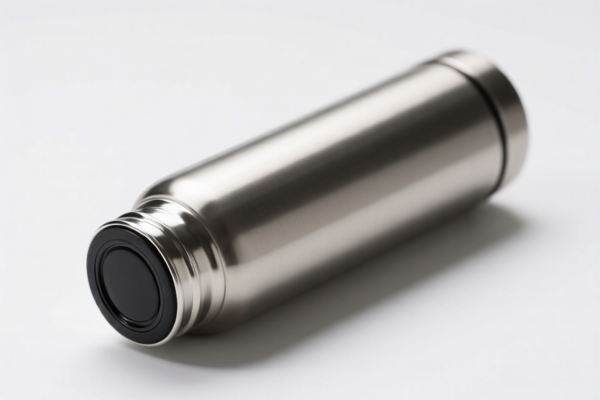
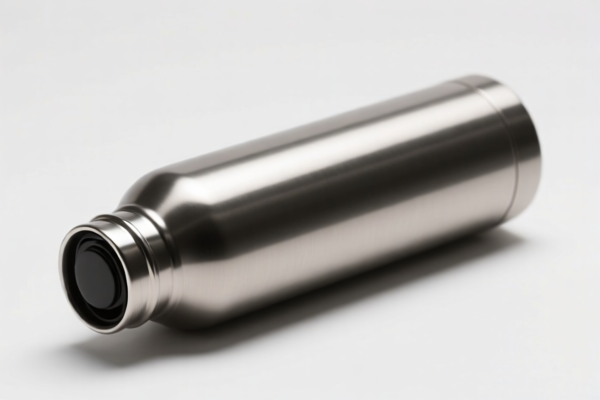
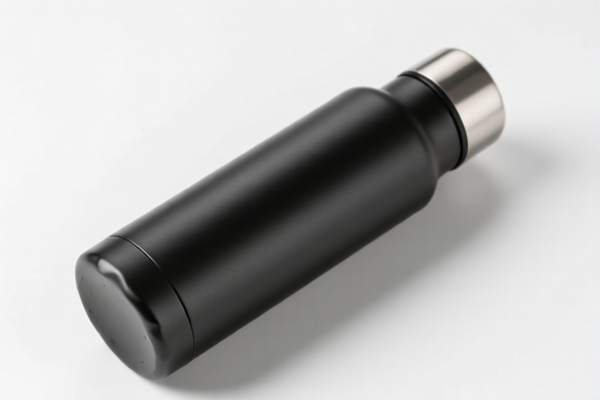
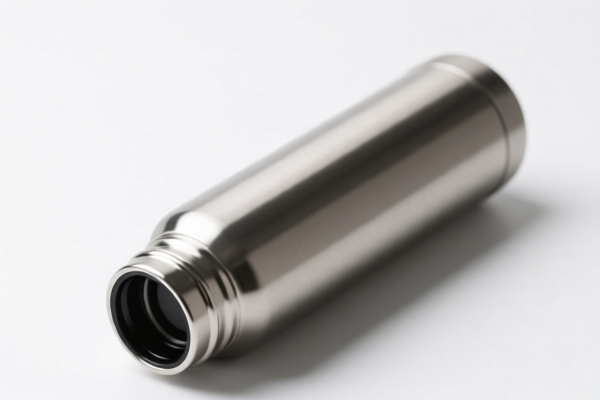
AI Analysis
🧪 Vacuum Flasks (Insulated Containers)
🌐 HS Code Reference & Customs Clearance Guide | 2026 Latest Tariff Analysis | Professional Clearance Strategy
📌 I. Product Definition & Classification: What Exactly is a "Vacuum Flask"?
In international trade, the term "Vacuum Flask" is broad. However, based on the provided data context, this guide focuses specifically on Vacuum Lotion/Emulsion Bottles (commonly used in cosmetics and personal care) or general Vacuum Insulated Containers. The classification depends heavily on the material (Plastic vs. Glass) and the specific shape/utility (Cosmetic Bottle vs. General Container).
⚠️ Critical Distinction:
- If made of Plastic (most common for vacuum lotion bottles): Classified under Chapter 39 (Plastics).
- If made of Glass (less common for vacuum packaging, but possible): Classified under Chapter 70 (Glass).
- Note: Stainless steel vacuum flasks (thermoses) typically fall under 7323, but the provided data strictly references Plastic (39xx) and Glass (70xx). This guide adheres strictly to the provided data scope.
📦 II. HS Code Classification Details (Based on Provided Data)
| HS Code | Product Description | Material | Key Characteristics | Tax Rate (Total) |
|---|---|---|---|---|
3926.90.99.89 |
Other Plastic Articles | Plastic | Vacuum Lotion Bottle, categorized as "other plastic articles." | 22.8% |
3926.90.48.00 |
Other Plastic Articles (Containers) | Plastic | Vacuum Lotion Bottle, fits container requirements under "other." | 13.4% |
7010.90.30.20 |
Glass Containers (Other) | Glass | Vacuum Lotion Bottle, classified as a glass container. | 40.2% |
7010.90.20.20 |
Glass Containers (Other) | Glass | Vacuum Lotion Bottle, generic glass/plastic container category. | 37.5% |
3923.30.00.90 |
Plastic Bottles & Similar Articles | Plastic | Specifically defined as "Plastic Bottles," fits bottle/flask morphology. | 38.0% |
3923.30.00.10 |
Plastic Packaging Articles | Plastic | Plastic packaging, specifically for containing/emulsion. | 38.0% |
🔍 Key Insight:
- Plastic Options generally offer lower total tariffs (13.4% – 38.0%) compared to Glass (37.5% – 40.2%).
-3926.90.48.00is the most cost-effective plastic option (13.4%) if the product fits the "container" definition under this specific subheading.
- Glass Options suffer from high surcharges, resulting in the highest total taxes.
💰 III. 2026 Latest Tariff Rate Breakdown (Detailed Tax Clauses)
✅ Applicable Country: United States (US)
✅ Origin: China (CN)
✅ Effective Date: 2025/2026 Import Cycle
🎯 1. Plastic Vacuum Lotion Bottles (HS 39xx Series)
A. 3926.90.99.89 — Other Plastic Articles
| Item | Detail |
|---|---|
| Base Tariff | 5.3% |
| Additional Tariff (Section 301) | 7.5% |
| Section 122 Tariff | 10% |
| Total Tax Rate | 22.8% |
| Calculation | CIF Value × 22.8% |
| Legal Path | Standard Plastic Classification + Trade Remedies |
B. 3926.90.48.00 — Best Rate Plastic Container
| Item | Detail |
|---|---|
| Base Tariff | 3.4% |
| Additional Tariff (Section 301) | 0.0% |
| Section 122 Tariff | 10% |
| Total Tax Rate | 13.4% |
| Calculation | CIF Value × 13.4% |
| Strategic Advantage | Lowest total tariff among all plastic options due to 0% Section 301 rate. |
C. 3923.30.00.90 & 3923.30.00.10 — Plastic Bottles/Packaging
| Item | Detail |
|---|---|
| Base Tariff | 3.0% |
| Additional Tariff (Section 301) | 25.0% |
| Section 122 Tariff | 10% |
| Total Tax Rate | 38.0% |
| Calculation | CIF Value × 38.0% |
| Warning | High surcharge applies here. Only use if the product strictly meets "Bottle" definition and cannot fit 3926.90.48.00. |
🎯 2. Glass Vacuum Bottles (HS 70xx Series)
D. 7010.90.30.20 — Glass Container
| Item | Detail |
|---|---|
| Base Tariff | 5.2% |
| Additional Tariff (Section 301) | 25.0% |
| Section 122 Tariff | 10% |
| Total Tax Rate | 40.2% |
| Calculation | CIF Value × 40.2% |
| Note | Highest tax rate in the list. Avoid if plastic alternative is viable. |
E. 7010.90.20.20 — Glass Container (Other)
| Item | Detail |
|---|---|
| Base Tariff | 2.5% |
| Additional Tariff (Section 301) | 25.0% |
| Section 122 Tariff | 10% |
| Total Tax Rate | 37.5% |
| Calculation | CIF Value × 37.5% |
| Note | Slightly better than D, but still significantly higher than optimal plastic codes. |
🛠️ IV. Customs Clearance Practical Advice
✅ 1. Optimal Classification Strategy
To minimize costs, prioritize the Plastic classification under 3926.90.48.00.
- Why? It has 0% Section 301 tariff and only a 10% Section 122 tariff, totaling just 13.4%.
- Condition: Ensure the product is clearly described as a "Plastic Container" for emulsions/lotions and fits the legal definition of this subheading.
📝 Pro Tip: If your product is strictly a "Bottle" under Chapter 39.23 (Packaging articles), you face a 38.0% tax. Therefore, arguing for the broader "Other Plastic Articles" (39.26) category is crucial for cost savings.
✅ 2. Documentation Checklist
| Document | Requirement | Purpose |
|---|---|---|
| Product Specifications | Must specify material (Plastic vs. Glass), capacity, and intended use (Cosmetic/Emsulsion). | Proves suitability for 3926.90.48.00. |
| Composition Certificate | Confirm plastic type (e.g., PET, PP). | Avoids misclassification as glass or mixed materials. |
| Commercial Invoice | Clearly state "Plastic Vacuum Lotion Bottle" or "Plastic Cosmetic Container." | Prevents customs from defaulting to higher-rated "Glass" or generic "Bottle" codes. |
| Photos | Clear images of the bottle, including any valve/pump mechanism. | Helps customs distinguish between a simple bottle (3923.30) and a complex container (3926.90). |
✅ 3. Common Pitfalls & Avoidance
❌ Pitfall 1: Misidentifying Material
If you declare a plastic bottle as glass (or vice versa), you may be assigned 7010.90.30.20 (40.2%) instead of 3926.90.48.00 (13.4%).
👉 Fix: Always provide material composition certificates.
❌ Pitfall 2: Over-Specifying "Bottle" under 39.23
Using 3923.30.00.90 results in a 38.0% tax. This code is for "Bottles, flasks, and similar articles."
👉 Fix: If the product is a specialized vacuum container for cosmetics, try to argue it falls under "Other Plastic Articles" (3926.90) rather than standard packaging bottles (3923.30). The former can have lower surcharges.
❌ Pitfall 3: Ignoring Section 122
All listed codes include a 10% Section 122 Tariff. This is non-negotiable for Chinese-origin plastic/glass containers in many current trade contexts.
👉 Fix: Factor this 10% into your landed cost calculations regardless of the base HS code.
🌍 V. Global Market Comparison (Snapshot)
| Market | Recommended HS Code | Total Est. Tax | Notes |
|---|---|---|---|
| 🇺🇸 USA | 3926.90.48.00 |
13.4% | Best option. Includes Section 301 (0%) + Sec 122 (10%). |
| 🇨🇳 China | 3926.90.48.00 |
~5-10% (Varies) | No Section 301/122. Standard MFN rates apply. |
| 🇪🇺 EU | 3926.90.48.00 |
~0-6.5% | No Section 122. Standard EU duties apply. |
📌 Conclusion for US Importers:
The tax difference between3926.90.48.00(13.4%) and3923.30.00.90(38.0%) is 24.6%. This is a massive saving. Accurate classification is not just about compliance; it is about profitability.
📌 VI. Final Checklist for Smooth Clearance
- Confirm Material: Is it 100% plastic? If so,
3926or3923is mandatory. - Choose Best Code: Aim for
3926.90.48.00(13.4%) if feasible. - Prepare Docs: Include material certs and clear product photos.
- Declare Precisely: Use "Plastic Vacuum Cosmetic Container" instead of vague terms like "Vacuum Flask" which might trigger glass classification.
- Calculate Landed Cost: Add 13.4% (or applicable rate) + duties + freight to your COGS.
🎯 Bottom Line:
🔹 Plastic > Glass for tax efficiency.
🔹3926.90.48.00is the Golden Ticket (13.4% total).
🔹3923.30.00is the Expensive Path (38.0% total).
🔹 Glass Codes are the Most Expensive (37.5% - 40.2%).
🚀 Action Item:
Contact your customs broker immediately to review product specs and confirm eligibility for 3926.90.48.00 to save nearly 25% in tariffs!
Customer Reviews
About HS Code Classification
The Harmonized System (HS) is an internationally standardized nomenclature developed by the World Customs Organization (WCO) to classify traded products. Over 200 countries use the HS system as the basis for customs tariffs, trade statistics, and import/export regulations.
Each HS code follows a hierarchical structure:
- Chapter (2 digits) — Broad category of goods (e.g., Chapter 84: Machinery and Mechanical Appliances)
- Heading (4 digits) — More specific grouping within the chapter
- Subheading (6 digits) — Internationally standardized breakdown, used by all WCO member countries
- National subdivisions (8-10 digits) — Country-specific extensions for further classification, such as US HTSUS 10-digit codes
Correct HS code classification is essential for smooth customs clearance, accurate duty payment, and compliance with trade regulations. Misclassification can lead to customs delays, overpayment of duties, or penalties.
When importing from CN to US, the applicable tariff rates may include:
- Most-Favored-Nation (MFN) rate — The standard duty rate applied to WTO members
- General rate — Applied to countries without trade agreements
- Trade remedy duties — Additional tariffs such as Section 301 (anti-dumping), Section 232 (national security), or countervailing duties
The information provided on this page is for reference purposes only. For official classification, please consult with your local customs authority or a licensed customs broker.