valve cover
CN → US| HS Code | Tariff Rate | Origin | Destination | Doc |
|---|---|---|---|---|
| 8481909060 | 85.0% | CN | US | Official Doc |
| 8481909085 | 85.0% | CN | US | Official Doc |
| 8409915085 | 37.5% | CN | US | Official Doc |
| 8409919990 | 37.5% | CN | US | Official Doc |
| 7326190080 | 87.9% | CN | US | Official Doc |
| 7326908688 | 87.9% | CN | US | Official Doc |
Product Images
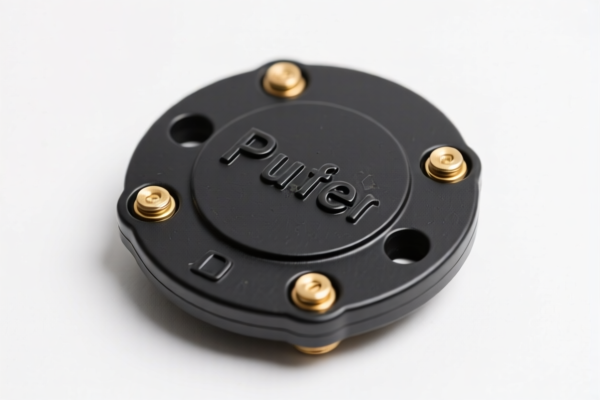
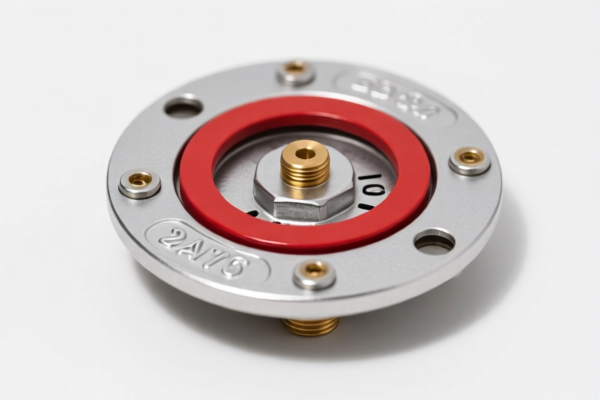
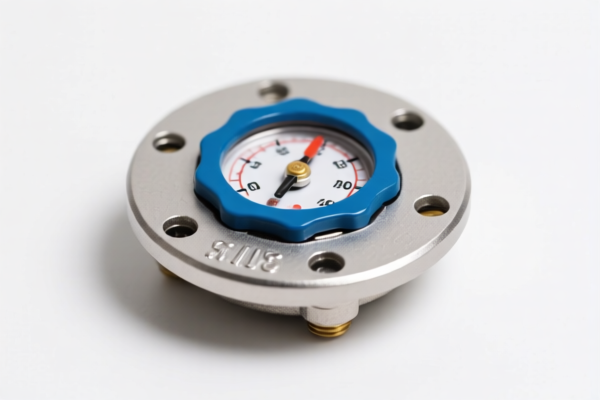
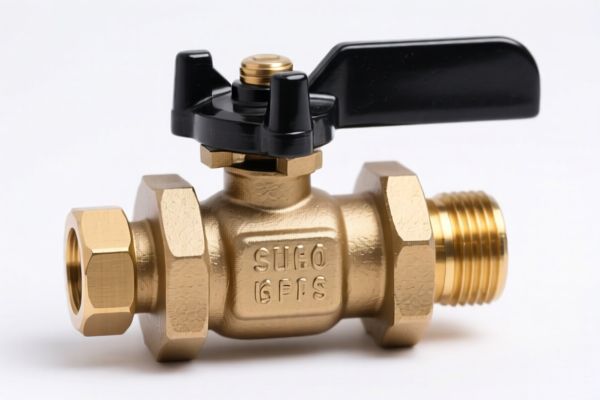
AI Analysis
🛠️ Valve Cover (Valve Cover for Internal Combustion Engines)
🌐 HS Code Reference & Customs Clearance Guide | 2026 Latest Tariff Analysis | Professional Import Strategy
📌 One, Product Definition & Classification: What Exactly Is a Valve Cover?
A valve cover is a protective housing that seals the top of an internal combustion engine, typically made of cast iron, aluminum, or plastic. It prevents oil leaks, keeps dirt and debris out, and supports engine components like valve springs and lifters.
In international trade, valve covers are classified under HS Code 8481.90.90.60, which falls under "Taps, cocks, valves and similar appliances...; parts thereof" — specifically "Valve bodies".
⚠️ Key Distinction:
- If it's a complete, functional cover (with gasket surface, bolt holes, oil filler cap, etc.) used solely or principally with engines → 8481.90.90.60
- If it's just a raw casting or blank part without sealing features → May be classified differently (e.g., 7326.90.86.88)
- If it's a non-metallic, plastic cover for low-pressure systems → Still likely 8481.90.90.60 if used in engines
📦 Two, HS Code Classification Details (2026 Official Tariff Matching)
| HS Code | Product Description | Applicable Use Case | Metal/Non-Metal | Engine-Specific? |
|---|---|---|---|---|
8481.90.90.60 |
Parts: Other: Valve bodies (for engines) | Valve covers used in automotive, marine, or industrial internal combustion engines | ✅ Usually metal (aluminum/iron) | ✅ Yes – used with engines of heading 8407–8408 |
8481.90.90.85 |
Parts: Other: Other (non-valve body) | Other engine-related parts, e.g., brackets, caps, non-functional covers | ✅ Often metal or plastic | ❌ Not primarily for engines |
🔍 Critical Insight:
- The valve cover must be designed to be installed on an engine and serve a functional sealing role to qualify under 8481.90.90.60.
- Even if it's made of plastic, as long as it's used in a combustion engine, it’s still classified here.
💰 Three, 2026 Latest Tariff Breakdown (Including Additional Taxes & Policy Rules)
✅ Applicable Country: United States (US)
✅ Origin: China (CN)
✅ Effective Date: November 10, 2025 (with ongoing enforcement)
🎯 1. 8481.90.90.60 — Valve Bodies (Used in Engines)
| Item | Detail |
|---|---|
| Base Tariff | 0.0% (ad valorem) |
| Additional Tariff | +25.0% (Steel, Aluminum, Copper Products Additional Tariff) |
| IEEPA Additional Duty | +50.0% (from U.S. International Emergency Economic Powers Act – IEEPA) |
| Total Effective Tax Rate | 75.0% |
| Tax Calculation Basis | CIF Value × 75.0% |
| De Minimis Threshold | ❌ Not applicable (denied under U.S. de minimis rule) |
| Legal Basis Pathway | IEEPA:9903.01.25 → IEEPA:9903.01.24 → USITC:8481.90.90.60 → FOOTNOTE:9903.88.01 |
📌 Explanation:
- The 25% steel/aluminum tariff applies because valve covers are made from ferrous or non-ferrous metals and fall under the "steel, aluminum, copper products" category. - The 50% IEEPA tariff is a punitive measure targeting Chinese-origin goods under national security concerns. - Combined, this creates a 75% effective tax rate, making this one of the highest-impact tariffs in the automotive parts sector.
🎯 2. 8481.90.90.85 — Other Engine Parts (Non-Valve Body)
| Item | Detail |
|---|---|
| Base Tariff | 0.0% |
| Additional Tariff | +25.0% (Steel, Aluminum, Copper Products) |
| IEEPA Additional Duty | +50.0% |
| Total Effective Tax Rate | 75.0% |
| Tax Calculation Basis | CIF Value × 75.0% |
| De Minimis Threshold | ❌ Not applicable |
| Legal Basis Pathway | Same as above: IEEPA:9903.01.25 → USITC:8481.90.90.85 → FOOTNOTE:9903.88.01 |
📌 Important Note:
- Even if the part is not a valve body, but is used in engines, and is made of metal, it still attracts the same 75% tax rate. - This includes plastic covers if they are designed for engine use, even if not metallic.
🛠️ Four, Customs Clearance Best Practices (Real-World Pro Tips)
✅ 1. Required Documentation (Must-Have Checklist)
| Document | Required? | Purpose |
|---|---|---|
| ✅ Product Specification Sheet | ✔️ | Shows material, dimensions, mounting points, engine compatibility |
| ✅ Engineering Drawings / CAD Files | ✔️ | Prove design intent and function |
| ✅ Product Photos (with model number) | ✔️ | Clear view of surface, bolt pattern, oil filler |
| ✅ Third-Party Test Reports | ✔️ | RoHS, CE, UL (if applicable) |
| ✅ Commercial Invoice | ✔️ | Must state "Valve Cover for Internal Combustion Engine" |
| ✅ Certificate of Origin (CO) | ✔️ | Critical for tariff eligibility |
| ✅ Packing List | ✔️ | Show quantity, weight, packaging type |
✅ 2. Smart申报技巧 (Smart Filing Tips)
🔥 "Function Over Form, Origin Matters, Don’t Split!"
| Scenario | Correct HS Code | Wrong Practice |
|---|---|---|
| Metal valve cover for car engine | 8481.90.90.60 |
Misclassifying as 7326.90.86.88 → 77.9% tax |
| Plastic cover used in engine | 8481.90.90.60 |
Calling it "plastic part" → risk of audit |
| Valve cover + gasket + seal kit | One shipment → 8481.90.90.60 |
Splitting into multiple items → each taxed at 75% → total 150%+ |
| Valve cover for motorcycle engine | 8481.90.90.60 |
Using 8409.91.50.85 (engine parts) → incorrect |
📌 Golden Rule:
- Do NOT split a valve cover with gaskets, bolts, or seals into separate items — it triggers multiple 75% tariffs and can lead to penalties.
✅ 3. Special Cases & Solutions
| Situation | Recommended Action |
|---|---|
| Valve cover from Vietnam/Mexico | Apply for IEEPA exemption – can reduce rate to 0%–5% |
| OEM custom valve cover | Submit design drawings + purchase order for pre-ruling |
| Used or refurbished valve cover | Must be declared as "reconditioned" – may qualify for lower tariff |
| Valve cover for off-road or agricultural engine | Still falls under 8481.90.90.60 – no exemption |
🌍 Five, Global Customs Comparison (2026)
| Country/Region | Recommended HS Code | Tariff | Certification | Notes |
|---|---|---|---|---|
| 🇺🇸 United States | 8481.90.90.60 |
75.0% (China origin) | None (but documentation required) | Highest tax in world |
| 🇨🇳 China | 8481.90.90.60 |
5.0% | CCC, RoHS | No additional tariffs |
| 🇪🇺 European Union | 8481.90.90.60 |
0% (if CE compliant) | CE, ErP | No extra tariffs |
| 🇦🇺 Australia | 8481.90.90.60 |
5.0% | RCM | No IEEPA/USITC surcharges |
| 🇯🇵 Japan | 8481.90.90.60 |
0% | PSE | No additional taxes |
📌 Takeaway:
- Only the U.S. applies the 75% punitive tariff on metal engine parts from China. - All other major markets treat valve covers normally — only China and the U.S. are high-risk.
📌 Six, Common Mistakes & How to Avoid Them (Real-World Risks)
❌ Mistake 1: Splitting a valve cover + gasket + bolts into three separate shipments
👉 Result: Each item taxed at 75% → Total tax = 225% → Customs seizure or refund claim
❌ Mistake 2: Declaring "plastic engine cover" as 7326.90.86.88 (iron/steel parts)
👉 Result: Wrong classification → audit, fines, delay, or reclassification
❌ Mistake 3: Using vague description like "engine part" or "cover"
👉 Result: Customs cannot verify function → hold shipment, request clarification
❌ Mistake 4: Not providing proof of engine use
👉 Result: Risk of being reclassified as general metal part → higher tax or denial
✅ Correct Description Example:
“Aluminum Valve Cover for 2.0L Gasoline Engine, Model XYZ, Used in Vehicles of Subheading 8703.23, with Gasket Surface and Mounting Holes, FCC & RoHS Certified”
🎯 Seven, Final Verdict: Precision Pays Off
🎯 Remember the Golden Rule:
🔹 “Valve cover = 8481.90.90.60 if used in engines”
🔹 “No matter the material, if it’s for an engine, it’s 75% in the U.S.”
🔹 “Never split – one item, one HS Code, one tax”
📌 Pro Tip:
If your valve cover is produced in Vietnam, Mexico, Thailand, or Malaysia, apply for IEEPA exemption — you could reduce the tax from 75% to 0%–5%.
📞 Action Step:
Contact a U.S. Customs Pre-Ruling Specialist + submit product drawings + request Advance Ruling before shipment.
📣 Act Now!
🚀 Avoid $10,000+ in unexpected tariffs
🛡️ Ensure smooth customs clearance
💼 Protect your profit margins
✨ Smart Classification = Smooth Export = Global Success!
💼 Your next shipment should be as precise as your engine!
Customer Reviews
About HS Code Classification
The Harmonized System (HS) is an internationally standardized nomenclature developed by the World Customs Organization (WCO) to classify traded products. Over 200 countries use the HS system as the basis for customs tariffs, trade statistics, and import/export regulations.
Each HS code follows a hierarchical structure:
- Chapter (2 digits) — Broad category of goods (e.g., Chapter 84: Machinery and Mechanical Appliances)
- Heading (4 digits) — More specific grouping within the chapter
- Subheading (6 digits) — Internationally standardized breakdown, used by all WCO member countries
- National subdivisions (8-10 digits) — Country-specific extensions for further classification, such as US HTSUS 10-digit codes
Correct HS code classification is essential for smooth customs clearance, accurate duty payment, and compliance with trade regulations. Misclassification can lead to customs delays, overpayment of duties, or penalties.
When importing from CN to US, the applicable tariff rates may include:
- Most-Favored-Nation (MFN) rate — The standard duty rate applied to WTO members
- General rate — Applied to countries without trade agreements
- Trade remedy duties — Additional tariffs such as Section 301 (anti-dumping), Section 232 (national security), or countervailing duties
The information provided on this page is for reference purposes only. For official classification, please consult with your local customs authority or a licensed customs broker.