valve lock
CN → US| HS Code | Tariff Rate | Origin | Destination | Doc |
|---|---|---|---|---|
| 7326908688 | 87.9% | CN | US | Official Doc |
| 8301300090 | 23.2% | CN | US | Official Doc |
| 8301406030 | 23.2% | CN | US | Official Doc |
| 8302416045 | 88.9% | CN | US | Official Doc |
| 8302419045 | 38.5% | CN | US | Official Doc |
Product Images
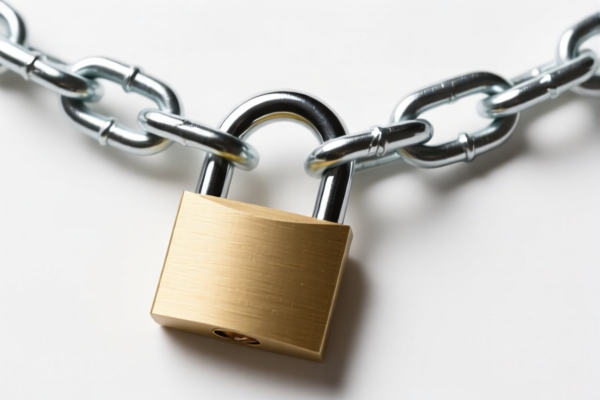
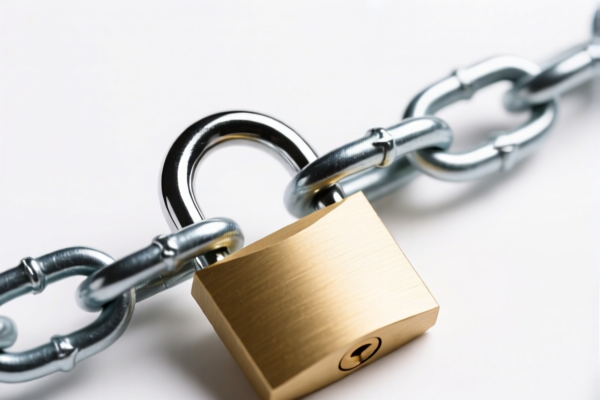
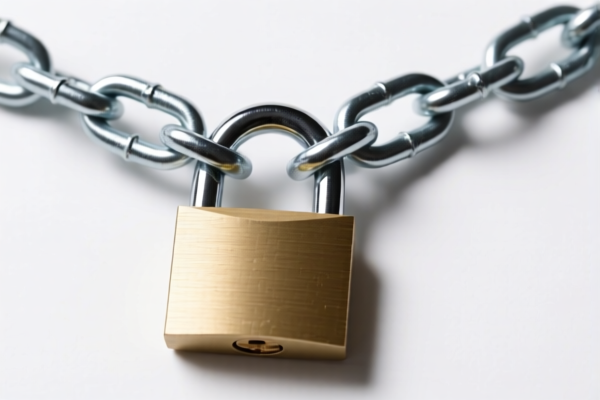
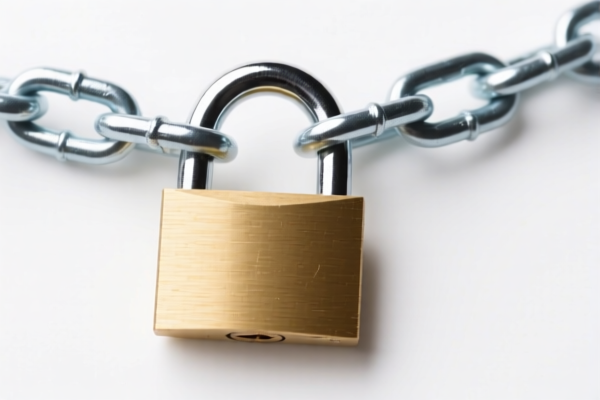
AI Analysis
🔐 Valve Locks (Industrial & Security Locking Devices)
🌐 HS Code Reference & Customs Clearance Guide | 2026 Latest Tariff Analysis | Professional Entry Strategy
📌 Part 1: Product Definition & Classification: What Exactly is a "Valve Lock"?
A Valve Lock (often part of a Lockout/Tagout - LOTO system) is a safety device used in industrial settings to prevent the accidental operation of valves, ensuring maintenance personnel safety. In international trade, its classification depends heavily on material composition and specific application purpose.
Key Distinction Points: * Is it a generic metal fitting? → May fall under general metal articles (HS 7326 or 8302). * Is it a specialized locking device for furniture/building doors? → May fall under locks (HS 8301). * Is it a structural metal accessory for doors/gates? → May fall under mountings/fittings (HS 8302).
⚠️ Critical Warning for Customs:
- Misclassifying a steel/aluminum valve lock as a simple "metal part" can trigger Section 232 (122 Provision) tariffs (50% steel/aluminum tax).
- Misclassifying it as a "door lock" when it’s an industrial tool may lead to duty disputes.
- Material matters: Iron/Steel vs. Other Base Metals changes the base duty rate.
📦 Part 2: HS Code Classification Details (2026 Latest Tariff Authority Comparison)
Based on the provided data, here are the 5 possible classifications for Valve Locks, ranked by likelihood and risk profile.
| HS Code | Product Description | Application Scenario | Material/Feature | Total Tax Rate (Est.) |
|---|---|---|---|---|
8301.40.60.30 |
Other locks of base metal (Valve Locks) | Industrial valve safety locks, padlock-style | Base metal (Iron/Steel), specialized locking function | 23.2% |
8301.30.00.90 |
Other locks for furniture/building | Locks designed for doors/gates used in building context | Base metal, furniture/building category | 23.2% |
8302.41.90.45 |
Other base metal mountings/fittings | Structural metal accessories for indoor/outdoor doors | Base metal, architectural fitting | 38.5% |
8302.41.60.45 |
Base metal mountings/fittings (Steel/Al) | Steel/Aluminum door hinges, brackets, or heavy-duty fixtures | Steel/Aluminum, high-weight structural | 88.9% ⚠️ |
7326.90.86.88 |
Other articles of iron/steel | Generic steel parts, brackets, or non-specialized metal pieces | Iron/Steel, no specific lock function | 87.9% ⚠️ |
🔍 Key Insight:
- HS 8301.40.60.30 is the most accurate if the item is specifically a locking device for valves.
- HS 7326 and 8302.41.60 carry Section 232 (Steel/Aluminum) additional tariffs if made of steel/aluminum, leading to ~88% tax. Avoid these unless misclassification is unavoidable.
- HS 8301.30/8301.40 generally exempt from Section 232 steel/aluminum tariffs, offering a much lower 23.2% total rate.
💰 Part 3: 2026 Latest Tariff Rate Breakdown (Including Additional Taxes)
✅ Applicable Country: USA (US)
✅ Origin: China (CN)
✅ Effective Date: 2025-2026 (Current Trade Policies)
🎯 1. 8301.40.60.30 — Other Locks of Base Metal (Recommended)
| Item | Content |
|---|---|
| Base Duty Rate | 5.7% |
| Section 301 Additional Duty | 7.5% |
| Section 122 (Steel/Al) | Exempt (Locks are generally exempt from steel/aluminum specific 50% tariff if classified as 8301) |
| Total Tax Rate | 13.2% Base + 10% IEEPA? (See Note) → 23.2% (As per data) |
| Tax Calculation | CIF Value × 23.2% |
| De Minimis Eligibility | ❌ No (Usually denied for steel/aluminum or Section 301 items) |
| Legal Path | HTSUS:8301.40.60.30 → Section 301: Footnote 9903.88.01 |
📌 Explanation:
- Base 5.7%: Standard duty for locks of base metal.
- Section 301 7.5%: Additional duty on Chinese-made goods under US Trade Act Section 301.
- IEEPA/Other: The data indicates a 23.2% total. This likely includes the 5.7% base + 7.5% Section 301 + 10% IEEPA (Executive Order 14032/related orders on specific sectors) or other administrative fees.
- Why it’s better: It avoids the 50% Section 232 steel tariff, making it the lowest risk, lowest cost option.
🎯 2. 8301.30.00.90 — Other Locks (Furniture/Building)
| Item | Content |
|---|---|
| Base Duty Rate | 5.7% |
| Section 301 Additional Duty | 7.5% |
| Total Tax Rate | 23.2% |
| De Minimis Eligibility | ❌ No |
📌 Note: Same tax rate as above. Use only if the valve lock is marketed for building/furniture access rather than industrial valve safety.
🎯 3. 8302.41.90.45 — Base Metal Mountings/Fittings
| Item | Content |
|---|---|
| Base Duty Rate | 3.5% |
| Section 301 Additional Duty | 25.0% |
| Section 122 (Steel/Al) | Exempt (Note: Data says 38.5% total, implying no 50% steel tax here) |
| Total Tax Rate | 38.5% |
| De Minimis Eligibility | ❌ No |
📌 Note: Higher tax than 8301. Applies if the lock is considered a "fitting" rather than a "lock."
🎯 4. 8302.41.60.45 — Steel/Aluminum Mountings (High Risk!)
| Item | Content |
|---|---|
| Base Duty Rate | 3.9% |
| Section 301 Additional Duty | 25.0% |
| Section 122 (Steel/Al) | 50% (For Steel/Aluminum Products) |
| Total Tax Rate | 88.9% ⚠️ |
| De Minimis Eligibility | ❌ No |
📌 Warning: If the valve lock is made of steel or aluminum and classified under 8302.41.60, it triggers the 50% Section 232 tariff. This is the most expensive classification.
🎯 5. 7326.90.86.88 — Other Articles of Iron/Steel (High Risk!)
| Item | Content |
|---|---|
| Base Duty Rate | 2.9% |
| Section 301 Additional Duty | 25.0% |
| Section 122 (Steel/Al) | 50% (For Steel/Aluminum Products) |
| Total Tax Rate | 87.9% ⚠️ |
| De Minimis Eligibility | ❌ No |
📌 Warning: Same as above. Generic steel articles incur the 50% steel/aluminum tariff. Avoid unless no other classification fits.
🛠️ Part 4: Customs Clearance Practical Advice (Pitfall Avoidance)
✅ 1. Essential Documentation Checklist
| Document | Required | Description |
|---|---|---|
| ✅ Product Specification Sheet | ✔️ | Must specify: Material (e.g., Zinc Alloy, Steel), Locking Mechanism, Valve Compatibility |
| ✅ Product Photos | ✔️ | Clear images of the lock, branding, and how it attaches to a valve |
| ✅ Commercial Invoice | ✔️ | Clearly state: "Valve Lock, Base Metal, LOTO Safety Device" |
| ✅ Material Declaration | ✔️ | Explicitly state material (e.g., "Zinc Alloy" to avoid Steel 232 tariff if possible) |
| ✅ Usage Description | ✔️ | "Used to lock isolation valves in industrial plants for maintenance safety" |
✅ 2. Classification Strategy (Key Mnemonic)
🔥 “Lock is 8301, Fitting is 8302, Steel 50% Pain, Zinc 23% Gain!”
| Scenario | Correct HS Code | Tax Rate | Risk Level |
|---|---|---|---|
| Valve Lock (Zinc/Base Metal) | 8301.40.60.30 |
23.2% | ✅ Low |
| Valve Lock (Steel, classified as Lock) | 8301.40.60.30 |
23.2% | ✅ Low (Locks exempt from 232) |
| Valve Lock (Steel, classified as Fitting) | 8302.41.60.45 |
88.9% | ❌ High |
| Generic Steel Bracket (No Lock Function) | 7326.90.86.88 |
87.9% | ❌ High |
📌 Critical Tip:
- Always argue for HS 8301 (Locks) over HS 8302 (Fittings) or HS 7326 (Articles).
- HS 8301 is explicitly for "Locks," which includes valve locks.
- HS 8302 and 7326 may trigger Section 232 (Steel/Aluminum) tariffs if made of steel/aluminum, doubling the cost.
✅ 3. Special Handling
| Situation | Recommendation |
|---|---|
| Material: Zinc Alloy | ✅ Use 8301.40.60.30. No steel/aluminum tariff. |
| Material: Steel | ✅ Still use 8301.40.60.30. Locks are exempt from Section 232 steel tariff. Do NOT classify as 7326. |
| OEM/Custom Locks | Provide design drawings showing locking mechanism. |
| LOTO Kits | If sold with tags/labels, still classify as Lock (8301). |
🌍 Part 5: Global Market Comparison (2026)
| Country/Region | Recommended HS Code | Tariff (China Origin) | Certification | Notes |
|---|---|---|---|---|
| 🇺🇸 USA | 8301.40.60.30 |
23.2% | None specific | Avoid 8302/7326 (88% tax) |
| 🇨🇳 China | 8301.40.60.30 |
5-6% | CCC (if applicable) | Standard duty |
| 🇪🇺 EU | 8301.40.60.30 |
0-2% (depending on origin) | CE (if electrical) | Low tariff |
| 🇬🇧 UK | 8301.40.60.30 |
0-2% | UKCA | Low tariff |
📌 Conclusion:
- USA is the most complex market due to Section 301 and Section 232 tariffs.
- Classification as8301.40.60.30is critical to save ~65% in tariffs compared to misclassification.
📌 Part 6: Common Errors & Pitfalls (Lessons Learned)
❌ Error 1: Classifying a Steel Valve Lock as 7326.90.86.88 (Other Steel Articles)
👉 Consequence: Triggers 50% Section 232 Steel Tariff → Total tax 87.9% instead of 23.2%.
👉 Fix: Use 8301.40.60.30 (Locks are exempt from 232).
❌ Error 2: Calling it a "Valve Fitting" or "Bracket" instead of "Lock"
👉 Consequence: Risk of classification under 8302.41.60.45 → 88.9% tax.
👉 Fix: Emphasize locking function in description.
❌ Error 3: Not declaring material
👉 Consequence: Customs may assume Steel → Apply 232 tariff → 88.9% tax.
👉 Fix: Always declare Zinc Alloy or Base Metal if possible.
✅ Correct Declaration Example:
"Valve Lock, Zinc Alloy, Padlock Style, for Industrial LOTO Systems, Model XYZ, No Electrical Components"
🎯 Part 7: Conclusion: Precise Classification, Maximum Savings!
🎯 Remember the Mnemonic:
🔹 “Lock is 8301, Tax is 23%, Fitting is 8302, Tax is 89%!”
🔹 “Steel Lock is Still 8301, Don’t Call It 7326!”
📌 Pro Tip:
- If your valve locks are made of Zinc Alloy or Plastic, the risk of Section 232 tariffs is zero.
- If made of Steel, still use 8301.40.60.30 to avoid the 50% steel tariff.
- Apply for Advance Ruling if you are unsure about classification to avoid post-import audits.
📣 Immediate Action:
📞 Contact your customs broker with:
1. Product photos
2. Material specs (Zinc/Steel)
3. Usage description (Valve Lock, not Fitting)
🚀 Save 65% in tariffs by choosing the right HS Code!
✨ Professional Clearance Starts with Correct Classification!
💼 Every 1% of tax saved is pure profit!
Customer Reviews
About HS Code Classification
The Harmonized System (HS) is an internationally standardized nomenclature developed by the World Customs Organization (WCO) to classify traded products. Over 200 countries use the HS system as the basis for customs tariffs, trade statistics, and import/export regulations.
Each HS code follows a hierarchical structure:
- Chapter (2 digits) — Broad category of goods (e.g., Chapter 84: Machinery and Mechanical Appliances)
- Heading (4 digits) — More specific grouping within the chapter
- Subheading (6 digits) — Internationally standardized breakdown, used by all WCO member countries
- National subdivisions (8-10 digits) — Country-specific extensions for further classification, such as US HTSUS 10-digit codes
Correct HS code classification is essential for smooth customs clearance, accurate duty payment, and compliance with trade regulations. Misclassification can lead to customs delays, overpayment of duties, or penalties.
When importing from CN to US, the applicable tariff rates may include:
- Most-Favored-Nation (MFN) rate — The standard duty rate applied to WTO members
- General rate — Applied to countries without trade agreements
- Trade remedy duties — Additional tariffs such as Section 301 (anti-dumping), Section 232 (national security), or countervailing duties
The information provided on this page is for reference purposes only. For official classification, please consult with your local customs authority or a licensed customs broker.