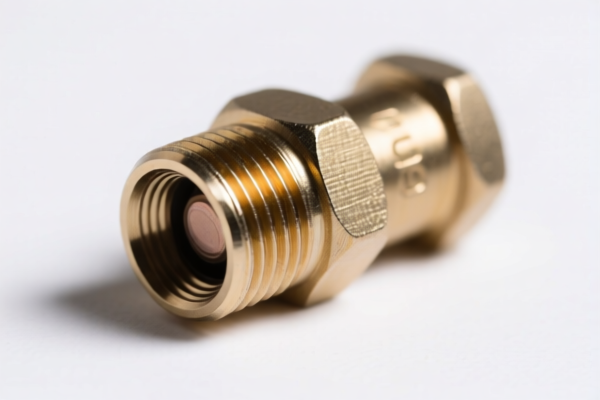
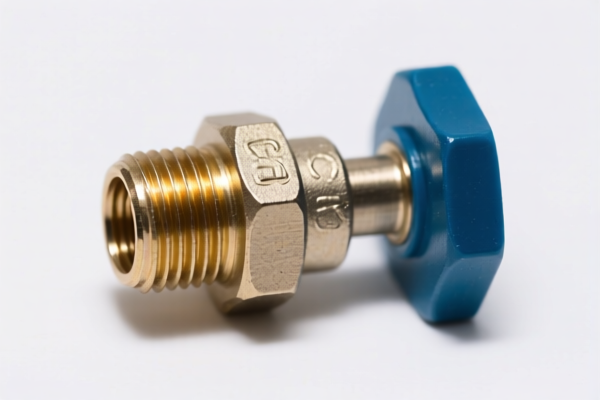
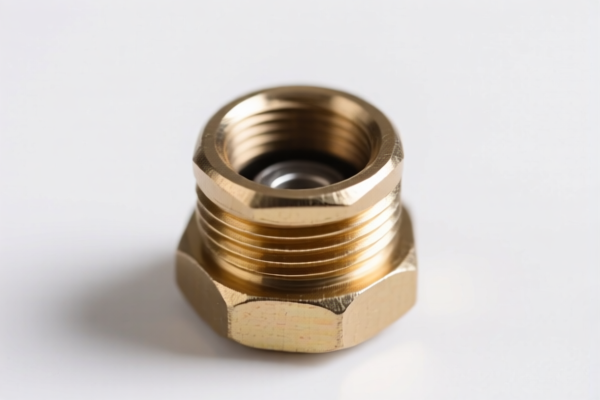
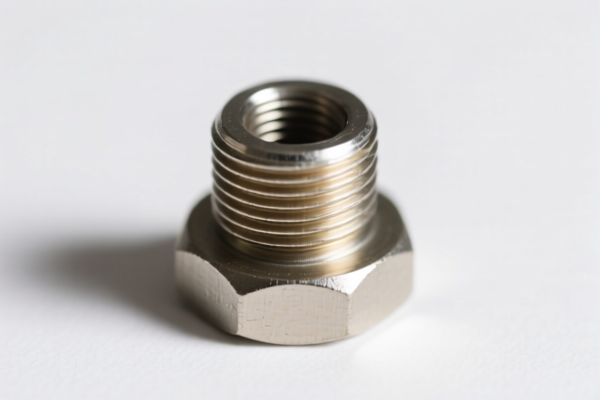
valve stem cap
CN → US| HS Code | Tariff Rate | Origin | Destination | Doc |
|---|---|---|---|---|
| 7326908688 | 87.9% | CN | US | Official Doc |
| 4016990300 | 38.0% | CN | US | Official Doc |
| 8481909060 | 85.0% | CN | US | Official Doc |
| 7326200090 | 88.9% | CN | US | Official Doc |
| 4016996010 | 37.5% | CN | US | Official Doc |
Product Images
AI Analysis
🛠️ Valve Stem Cap (Tire Valve Caps)
🌐 HS Code Reference & Customs Clearance Guide | 2026 Latest Tariff Analysis | Professional Clearance Strategy
📌 I. Product Definition & Classification: What Exactly is a "Valve Stem Cap"?
In the automotive and tire industry, a Valve Stem Cap (often referred to as a tire valve cap) is a small but critical component designed to screw onto the valve stem of a tire. Its primary functions are to prevent dust, dirt, moisture, and debris from entering the valve core, thereby preventing air leaks and corrosion.
In international trade, these caps are not classified as a single commodity. Their HS Code depends entirely on their material composition and functional classification: 1. Metallic Caps: Made of steel, aluminum, or other metals. 2. Rubber/Plastic Caps: Made of vulcanized rubber or thermoplastics. 3. Valve Assemblies/Parts: If considered integral parts of a larger valve system (less common for simple caps, but possible for complex mechanical units).
⚠️ Key Distinction Point:
- If the cap is metal (steel/aluminum), it falls under Chapter 73 (Articles of Iron or Steel) or Chapter 76 (Aluminum), attracting Section 232/122 tariffs. - If the cap is rubber, it falls under Chapter 40 (Rubber Articles). - If the cap is considered a part of a valve (mechanical assembly), it may fall under Chapter 84 (Machinery/Valves).
📦 II. HS Code Classification Details (Based on Provided Data)
The following HS Codes are derived strictly from the provided data for "Valve Stem Cap" (气门嘴). Note that "气门嘴" typically refers to the entire valve assembly or the stem, but caps are often grouped similarly based on material.
| HS Code | Product Description | Material | Key Classification Logic |
|---|---|---|---|
7326.90.86.88 |
Other articles of iron or steel | Metal (Steel) | Classified as "Other articles of iron or steel." |
4016.99.03.00 |
Other vulcanized rubber articles | Rubber | Classified as "Other vulcanized rubber articles." |
8481.90.90.60 |
Parts of valves | Metal/General | Classified as "Parts of valves and similar devices." |
7326.20.00.90 |
Other articles of iron/steel (Wire) | Steel/Wire | Specifically for wire/steel制品. |
4016.99.60.10 |
Other vulcanized rubber articles (Auto Parts) | Rubber | Classified as "Auto mechanical parts" made of rubber. |
🔍 Critical Insight:
- Metal Caps attract significantly higher tariffs due to Section 232 (Steel/Aluminum) and Section 301 duties. - Rubber Caps generally face lower base tariffs but are still subject to Section 301 duties. - Valve Parts (8481) have a 0% base rate but suffer from heavy additional tariffs.
💰 III. 2026 Latest Tariff Rate Details (Including Additional Duties)
✅ Applicable Country: United States (US)
✅ Origin: China (CN)
✅ Effective Date: Current tariffs apply (Section 301 + Section 232)
🎯 1. 7326.90.86.88 & 7326.20.00.90 —— Metallic Valve Caps (Steel/Iron)
| Item | Detail |
|---|---|
| Base Duty | 2.9% - 3.9% (ad valorem) |
| Section 301 (China) | +25.0% |
| Section 232 (Steel/Aluminum) | +50.0% (Specific to steel/aluminum articles) |
| Total Tax Rate | 87.9% |
| Calculation | CIF Value × 87.9% |
| De Minimis Exemption | ❌ Not Eligible (High duty rate triggers strict scrutiny) |
| Legal Basis | USITC 7326/7322 + Section 232 (1762) + Section 301 (3003) |
📌 Explanation:
- The 50% Section 232 tariff is the biggest cost driver. This applies because the caps are made of steel/iron. - Even though the base duty is low (~3%), the combined 75%+ additional duties make metallic caps extremely expensive to import.
🎯 2. 8481.90.90.60 —— Valve Parts (Mechanical Classification)
| Item | Detail |
|---|---|
| Base Duty | 0.0% |
| Section 301 (China) | +25.0% |
| Section 232 (Steel/Aluminum) | +50.0% (If classified as steel/aluminum parts) |
| Total Tax Rate | 85.0% |
| Calculation | CIF Value × 85.0% |
| De Minimis Exemption | ❌ Not Eligible |
| Legal Basis | USITC 8481 + Section 232 + Section 301 |
📌 Explanation:
- Although the base duty is 0%, the 75% additional tariffs (25% + 50%) apply because it is still considered a steel/aluminum article or subject to broader trade restrictions. - Note: Attempting to classify a simple cap as a complex "valve part" to get 0% base duty often fails if the material is clearly steel.
🎯 3. 4016.99.03.00 & 4016.99.60.10 —— Rubber Valve Caps
| Item | Detail |
|---|---|
| Base Duty | 2.5% - 3.0% (ad valorem) |
| Section 301 (China) | +25.0% |
| Section 232 (Steel/Aluminum) | N/A (Rubber is not steel/aluminum) |
| Total Tax Rate | 37.5% - 38.0% |
| Calculation | CIF Value × 37.5% - 38.0% |
| De Minimis Exemption | ❌ Not Eligible (Due to high additional duty) |
| Legal Basis | USITC 4016 + Section 301 (3003) |
📌 Explanation:
- Rubber caps are significantly cheaper to import because they avoid the 50% Section 232 tariff. - The total rate (~38%) is less than half that of metallic caps. -4016.99.60.10is specifically for rubber parts used in auto mechanics, which is a common classification for tire valve components.
🛠️ IV. Customs Clearance Practical Advice (Pitfall Avoidance Guide)
✅ 1. Document Checklist (Essential)
| Document | Required? | Notes |
|---|---|---|
| ✅ Product Specification Sheet | ✔️ | Must specify material (e.g., "Vulcanized Rubber" vs. "Stainless Steel"). |
| ✅ Material Composition Certificate | ✔️ | Crucial for distinguishing between Chapter 40 (Rubber) and Chapter 73 (Steel). |
| ✅ Product Photos | ✔️ | Clear images showing the valve core, thread, and material texture. |
| ✅ Commercial Invoice | ✔️ | Describe accurately: "Rubber Tire Valve Cap, HNBR Material, Black" |
| ✅ Packing List | ✔️ | Ensure weight and quantity match customs declaration. |
✅ 2. Declaration Tips (Key Mantra)
🔥 "Material First, Function Second! Don't Declare Steel as Rubber to Save Tax – It's Fraud!"
| Scenario | Correct Declaration | Wrong Declaration | Consequence |
|---|---|---|---|
| Rubber Cap | 4016.99.60.10 (38%) |
7326.90.86.88 (88%) |
Overpayment of ~50% tariff. |
| Steel Cap | 7326.90.86.88 (88%) |
4016.99.60.10 (38%) |
Misclassification Penalty + Back Duties + Possible Seizure. |
| Mixed Lot | Separate lines by material | Mixed HS Code | Customs Audit delay, potential rejection. |
✅ 3. Special Considerations
| Situation | Advice |
|---|---|
| Plastic Caps | Not covered in the provided data. Typically fall under Chapter 39 (Plastics). Tariffs may be lower (e.g., 301 duty applies, but no 232 duty). Check Chapter 39 separately. |
| OEM Custom Caps | Provide design files to prove it's a standardized part, not a unique industrial valve. |
| Valve Core Included? | If the cap includes a complex valve core mechanism, consider 8481.90.90.60. However, for simple caps, material classification is safer. |
🌍 V. Global Market Comparison (2026)
| Country/Region | Recommended HS Code (Rubber) | Estimated Duty | Notes |
|---|---|---|---|
| 🇺🇸 USA | 4016.99.60.10 |
~38% | High due to Section 301. |
| 🇺🇸 USA | 7326.90.86.88 (Steel) |
~88% | Extremely high due to Section 232. |
| 🇨🇳 China | 4016.99.60.10 |
Low (e.g., 5-10%) | No additional anti-dumping duties. |
| 🇪🇺 EU | 4016.93.00 |
0-3% | Generally lower tariffs than US. |
| 🇲🇽 Mexico | Varies | Low (USMCA benefits possible) | Check for USMCA eligibility. |
📌 Conclusion:
- US Market is High Risk/Cost: The 50% Section 232 tariff on steel/aluminum parts makes metallic valve caps very expensive. - Rubber is Preferable: If design allows, using rubber or composite materials can reduce total tax burden from 88% to ~38%.
📌 VI. Common Errors & Pitfalls (Blood and Tears Lessons)
❌ Error 1: Declaring Steel Caps as "Plastic"
👉 Consequence: Customs inspection reveals steel content → Penalty + Back Taxes + Fraud Record.
❌ Error 2: Using 8481 for Simple Caps to Get 0% Base Duty
👉 Consequence: Customs argues it's a simple accessory, not a complex valve part → Reclassification to Steel/Rubber + 75% Tariff.
❌ Error 3: Ignoring Section 232 on Steel Parts
👉 Consequence: Assuming 25% Section 301 is all that applies → Surprise 50% Additional Tariff Bill.
✅ Correct Approach:
"Rubber Tire Valve Cap, HNBR Material, Black, 10mm Thread, For Car Tires."
Use4016.99.60.10to legally minimize duties within the legal framework.
🎯 VII. Conclusion: Precision in Classification Saves Money!
🎯 Remember the Mantra:
🔹 "Steel Caps = 88% Tax (Section 232 + 301)"
🔹 "Rubber Caps = 38% Tax (Section 301 Only)"
🔹 "Misclassification = Fine + Delay + Reputation Damage"
📌 Pro Tip:
If you are importing large volumes, consider shifting supply chain to rubber or plastic components where possible to avoid the 50% Section 232 tariff. For metallic caps, factor the 88% total duty into your pricing model immediately.
📣 Action Item:
📞 Consult a licensed customs broker for Advance Ruling if you are unsure about the material composition.
📄 Ensure your Material Safety Data Sheet (MSDS) and Component Breakdown are ready for customs inspection.
✨ Professional Clearance Starts with Accurate Classification!
💼 Every Percent of Tax Saved is Pure Profit!
Customer Reviews
About HS Code Classification
The Harmonized System (HS) is an internationally standardized nomenclature developed by the World Customs Organization (WCO) to classify traded products. Over 200 countries use the HS system as the basis for customs tariffs, trade statistics, and import/export regulations.
Each HS code follows a hierarchical structure:
- Chapter (2 digits) — Broad category of goods (e.g., Chapter 84: Machinery and Mechanical Appliances)
- Heading (4 digits) — More specific grouping within the chapter
- Subheading (6 digits) — Internationally standardized breakdown, used by all WCO member countries
- National subdivisions (8-10 digits) — Country-specific extensions for further classification, such as US HTSUS 10-digit codes
Correct HS code classification is essential for smooth customs clearance, accurate duty payment, and compliance with trade regulations. Misclassification can lead to customs delays, overpayment of duties, or penalties.
When importing from CN to US, the applicable tariff rates may include:
- Most-Favored-Nation (MFN) rate — The standard duty rate applied to WTO members
- General rate — Applied to countries without trade agreements
- Trade remedy duties — Additional tariffs such as Section 301 (anti-dumping), Section 232 (national security), or countervailing duties
The information provided on this page is for reference purposes only. For official classification, please consult with your local customs authority or a licensed customs broker.