vehicle body parts others
CN → US| HS Code | Tariff Rate | Origin | Destination | Doc |
|---|---|---|---|---|
| 8607995000 | 38.1% | CN | US | Official Doc |
| 8607991000 | 37.8% | CN | US | Official Doc |
| 8708295160 | 0.0% | CN | US | Official Doc |
| 8708295110 | 0.0% | CN | US | Official Doc |
| 8714100050 | 17.5% | CN | US | Official Doc |
Product Images
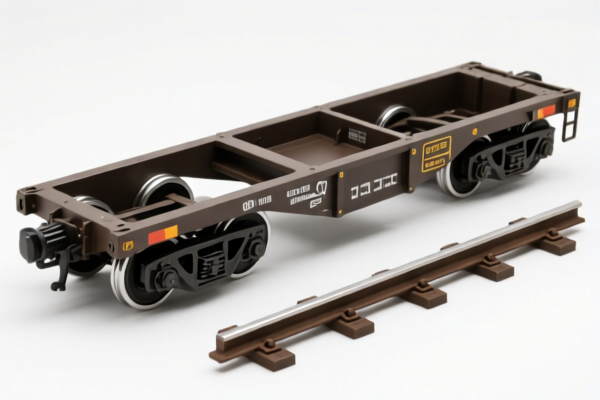
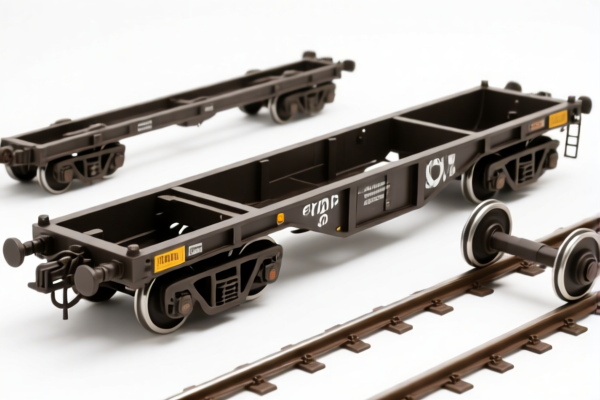
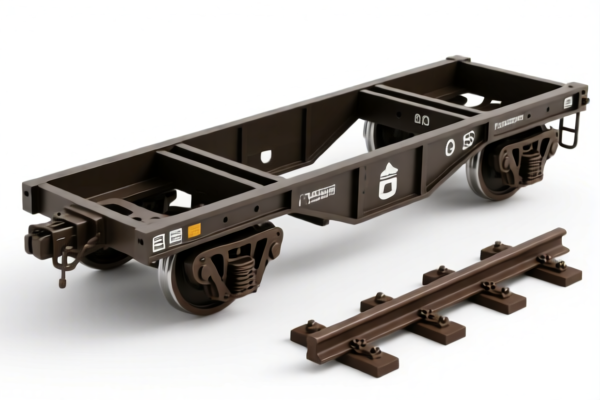

AI Analysis
🚗 Vehicle Body Parts, Other (Other Parts and Accessories for Vehicles of Heading 87.05, 87.06, 87.07, 87.08, 87.09, 87.11 or 87.12)
🌐 HS Code Reference & Customs Clearance Guide | 2026 Latest Tariff Analysis | Professional Compliance Strategy 📌 I. Product Definition & Classification: Are You Declaring "Body Parts" Correctly?
"Vehicle Body Parts" is a broad term that encompasses a wide range of components. In international trade, the correct HS Code depends heavily on which vehicle type the part belongs to (e.g., Rail vs. Road) and the specific material composition (Steel/Aluminum/Copper vs. Other).
1. Rail Vehicle Parts (HS 86): If the part is for trains, locomotives, or railcars (Heading 86.05/86.06), it falls under 8607.99. * 8607.99.10.00: Specifically for parts of vehicles of heading 86.05 or 86.06. * 8607.99.50.00: Other parts and accessories of vehicles of heading 86.05, 86.06, 86.07, 86.08.
2. Road Vehicle Parts (HS 87): If the part is for automobiles, motorcycles, or other road vehicles (Heading 87.08), it falls under 8708.29. * 8708.29.51.10: Other parts and accessories of bodies (including cabs). * 8708.29.51.60: Other parts and accessories of bodies, specifically involving Steel, Aluminum, or Copper products.
⚠️ Key Distinction: - If the part is for a train, do not use 87xx codes. Use 8607. - If the part is for a car/truck, check the material. - If it is Steel/Aluminum/Copper: Use 8708.29.51.60 (High tariff due to specific trade restrictions). - If it is Plastic, Glass, Fabric, or Other: Use 8708.29.51.10 (Standard tariff).
📦 II. HS Code Classification Details (2026 Latest Tariff Authority Comparison)
Based on the provided data, here are the specific HS Codes and their corresponding tax structures.
| HS Code | Product Description | Applicable Scenario | Material/Type | Total Tax Rate |
|---|---|---|---|---|
8607.99.10.00 |
Parts for vehicles of heading 86.05 or 86.06 | Railway Vehicles (Trains, Trams) | Any material | 37.8% |
8607.99.50.00 |
Other parts for vehicles of heading 86.05, 86.06, 86.07 | Railway Vehicle (General parts) | Any material | 38.1% |
8708.29.51.10 |
Other parts of bodies (including cabs) | Road Vehicles (Cars, Trucks) | Non-Steel/Al/Cu (e.g., plastic, glass, composite) | 2.5% + 35.0% |
8708.29.51.60 |
Other parts of bodies, Steel/Al/Cu products | Road Vehicles (Cars, Trucks) | Steel, Aluminum, Copper | 2.5% + 85.0% |
🔍 Critical Reminder: - Rail vs. Road: Misclassifying a train part as a car part (or vice versa) is a major compliance error. 8607 is for rail; 8708 is for road. - Material Sensitivity: For road vehicle body parts, the presence of Steel, Aluminum, or Copper triggers a significantly higher tariff (Section 301 + Section 232/122 implications). 8708.29.51.60 has a total tax burden of 87.5%, which is exorbitant compared to 37.5% for other materials.
💰 III. 2026 Latest Tariff Rate Details (Including Surtaxes & Policy Add-ons)
✅ Applicable Country: United States (US) ✅ Origin: China (CN) ✅ Effective Time: As per current US Trade Relations (Section 301 & Section 232)
🎯 1. 8607.99.10.00 & 8607.99.50.00 —— Rail Vehicle Parts
| Item | Content |
|---|---|
| Base Duty Rate | 2.8% (8607.99.10) / 3.1% (8607.99.50) |
| Section 301 Surcharge | +25.0% |
| Section 122 Tariff | +10.0% |
| Total Effective Rate | 37.8% (8607.99.10) / 38.1% (8607.99.50) |
| De Minimis Exemption | ❌ Not Eligible (High value, restricted origin) |
| Legal Basis Path | Section 301: Footnote 9903.88.01 → Section 122: 19 USC 1628 → USITC:8607.99.xx.xx |
📌 Explanation: - Rail vehicle parts are subject to standard Section 301 tariffs (25%) plus a 10% Section 122 tariff. - While high, these rates are significantly lower than those for steel/aluminum car parts. - Ensure the part is truly for rail transport (Heading 86) to avoid misclassification penalties.
🎯 2. 8708.29.51.10 —— Road Vehicle Body Parts (Non-Steel/Al/Cu)
| Item | Content |
|---|---|
| Base Duty Rate | 2.5% |
| Section 301 Surcharge | +25.0% |
| Section 122 Tariff | +10.0% |
| Total Effective Rate | 37.5% (2.5% + 25% + 10%) |
| De Minimis Exemption | ❌ Not Eligible |
| Legal Basis Path | Section 301 → Section 122 → USITC:8708.29.51.10 |
📌 Note: - This code applies to body parts made of plastic, glass, fabric, or other non-metallic materials. - Example: Plastic bumpers, glass windshields, fabric seats, composite dashboard components.
🎯 3. 8708.29.51.60 —— Road Vehicle Body Parts (Steel/Aluminum/Copper) ⚠️ HIGH TARIFF ALERT
| Item | Content |
|---|---|
| Base Duty Rate | 2.5% |
| Section 301 Surcharge | +25.0% |
| Section 122 Tariff | +10.0% |
| Steel/Al/Cu Surtax | +50.0% |
| Total Effective Rate | 87.5% (2.5% + 25% + 10% + 50%) |
| De Minimis Exemption | ❌ Not Eligible |
| Legal Basis Path | Section 301 → Section 122 → Steel/Al/Cu Specific Footnotes → USITC:8708.29.51.60 |
📌 Critical Warning: - This is the most expensive category in the dataset. - Applies to any body part containing Steel, Aluminum, or Copper (e.g., steel bumpers, aluminum hoods, copper wiring harnesses in the body, steel door frames). - The 50% surtax is in addition to the standard 35% (25%+10%), bringing the total to 87.5%. - Strategy: If possible, redesign parts to use non-restricted materials (e.g., plastic, carbon fiber, glass) and classify under
8708.29.51.10to save 50 percentage points.
🛠️ IV. Customs Clearance Practical Advice (Combat Pitfalls Guide)
✅ 1. Preparation Checklist (Mandatory)
| Document | Required | Explanation |
|---|---|---|
| ✅ Product Specification Sheet | ✔️ | Must detail material composition (e.g., "80% Plastic, 20% Steel"). |
| ✅ Bill of Materials (BOM) | ✔️ | Essential for determining if Steel/Al/Cu is present. |
| ✅ Product Photos (Labeled) | ✔️ | Show the part clearly. If it's a mixed-material part, show all components. |
| ✅ Commercial Invoice | ✔️ | Clearly state "Vehicle Body Parts" and material composition. |
| ✅ HS Code Pre-Ruling | ✔️ | Strongly recommended for 8708.29.51.60 vs 8708.29.51.10 distinction. |
✅ 2. Declaration Tips (Key Mantra)
🔥 "Material Determines Rate! Steel/Al/Cu = 87.5%, Others = 37.5%. Don't Split!"
| Scenario | Correct Declaration | Wrong Approach |
|---|---|---|
| Steel Bumper Cover | 8708.29.51.60 (87.5% tax) |
Declare as "Plastic Part" → Customs Audit → Fine + Back Taxes |
| Plastic Door Panel | 8708.29.51.10 (37.5% tax) |
Declare as "Metal Part" → Overpay 50% unnecessarily |
| Mixed Material Part (e.g., Steel Frame + Plastic Cover) | 8708.29.51.60 (87.5% tax) |
Split into two invoices → Customs may reject as evasion |
| Train Window Frame | 8607.99.50.00 (38.1% tax) |
Declare as Car Part → Misclassification Penalty |
✅ 3. Special Case Handling
| Situation | Handling Advice |
|---|---|
| Mixed Material Body Part | If the part is primarily steel/aluminum/copper, it falls under 8708.29.51.60. Even if it has plastic components, the metallic nature triggers the high tariff. |
| OEM Custom Parts | Provide the original equipment manufacturer's design specs to prove the material. |
| Recycled Materials | If made from recycled steel/aluminum, it may still be subject to the 50% surtax. Check specific origin rules. |
| Rail vs. Road | Ensure the part is not used for both. If it can be used for either, choose the less restrictive code if allowed, but be prepared to justify the primary use. |
🌍 V. Global Market Customs Comparison (2026 Latest)
| Country/Region | Recommended HS Code | Tariff (China Origin) | Key Certification | Notes |
|---|---|---|---|---|
| 🇺🇸 USA | 8708.29.51.60 |
87.5% (Steel/Al) | N/A | Highest tariff for metal body parts. |
| 🇺🇸 USA | 8708.29.51.10 |
37.5% (Non-Metal) | N/A | Avoid steel/al/cu to save 50%. |
| 🇨🇳 China | 8708.29.51.00 |
5% - 10% | CCC (if applicable) | No Section 301/122 tariffs. |
| 🇪🇺 EU | 8708.29.51.00 |
4.5% | CE (if applicable) | No Section 301/122 tariffs. |
| 🇬🇧 UK | 8708.29.51.00 |
4.5% | UKCA | Post-Brexit rules apply. |
| 🇲🇽 Mexico | 8708.29.51.00 |
0% - 5% (under USMCA) | N/A | If manufactured in USMCA region. |
📌 Conclusion: - USA is the only market with punitive tariffs on Chinese vehicle body parts. - Steel/Aluminum/Copper parts face an 87.5% tariff in the US, making them nearly unprofitable unless the product value is extremely high. - Strategy for US Market: Consider sourcing non-metal body parts (plastic, composite) or shifting production to non-China countries to avoid Section 301/122 tariffs.
📌 VI. Common Mistakes & Pitfall Guide (Blood & Tears Lessons)
❌ Mistake 1: Declaring a steel bumper as a "plastic part" because it has a plastic cover.
👉 Consequence: Customs detects steel content → Reclassification to 8708.29.51.60 → Pay 50% more tax + penalties.
❌ Mistake 2: Misclassifying a train part as a car part to avoid rail-specific scrutiny. 👉 Consequence: HS Code mismatch → Shipment held at port → Demurrage fees + Re-inspection.
❌ Mistake 3: Assuming all "vehicle parts" have the same tariff.
👉 Consequence: Using 8708.29.51.10 for a steel part → Underpayment → Seizure + Fine.
❌ Mistake 4: Ignoring the 10% Section 122 tariff. 👉 Consequence: Budgeting only for 25% Section 301 → Cost overrun.
✅ Correct Approach:
"Vehicle Body Part, Model XYZ, Composition: 100% Steel, for Use in [Specific Car Model], FCC/CE Certified if Electronic"
🎯 VII. Conclusion: Precise Classification Saves Millions!
🎯 Remember the Mantra:
🔹 "Steel/Al/Cu = 87.5%, Others = 37.5%, Rail = ~38%. Material is King!" 🔹 "HS Code defines your cost. A 50% difference is a deal-breaker."
📌 Pro Tip:
If your vehicle body parts contain Steel, Aluminum, or Copper, and you are exporting to the US, consider: 1. Redesigning to use plastic/composite materials (classify under
8708.29.51.10). 2. Shifting production to a country not subject to Section 301 tariffs (e.g., Mexico, Vietnam). 3. Applying for an Exclusion (if available for your specific HS Code and product).
📣 Immediate Action:
📞 Contact a professional customs broker + Provide detailed Bill of Materials + Apply for Pre-Ruling if unsure about material composition. 🚀 Ensure your body parts clear customs smoothly, efficiently, and profitably!
✨ Professional Customs Clearance Starts with Accurate Classification! 💼 Every Cent of Cost Should Be Precisely Calculated!
Customer Reviews
About HS Code Classification
The Harmonized System (HS) is an internationally standardized nomenclature developed by the World Customs Organization (WCO) to classify traded products. Over 200 countries use the HS system as the basis for customs tariffs, trade statistics, and import/export regulations.
Each HS code follows a hierarchical structure:
- Chapter (2 digits) — Broad category of goods (e.g., Chapter 84: Machinery and Mechanical Appliances)
- Heading (4 digits) — More specific grouping within the chapter
- Subheading (6 digits) — Internationally standardized breakdown, used by all WCO member countries
- National subdivisions (8-10 digits) — Country-specific extensions for further classification, such as US HTSUS 10-digit codes
Correct HS code classification is essential for smooth customs clearance, accurate duty payment, and compliance with trade regulations. Misclassification can lead to customs delays, overpayment of duties, or penalties.
When importing from CN to US, the applicable tariff rates may include:
- Most-Favored-Nation (MFN) rate — The standard duty rate applied to WTO members
- General rate — Applied to countries without trade agreements
- Trade remedy duties — Additional tariffs such as Section 301 (anti-dumping), Section 232 (national security), or countervailing duties
The information provided on this page is for reference purposes only. For official classification, please consult with your local customs authority or a licensed customs broker.